

Does infrared therapy really work?
Yes — does infrared therapy work shows consistent benefits for muscle recovery, pain reduction, and circulation when applied at appropriate wavelengths and treatment durations. Studies and many user reports find near-infrared penetrates deeper tissues than visible red light, helping reduce soreness, speed recovery, and improve relaxation when used regularly.
⏱ 8 min readDoes Infrared Therapy Work? Benefits and Key Features Explained
Wondering does infrared therapy work and whether it can truly transform recovery? This guide breaks down how infrared for muscles supports deeper relaxation, why near infrared light therapy for pain is becoming a go-to for natural relief, and which red light therapy mat benefits surprise most first-time users. Clear, practical steps and comparisons inside help you decide fast.
Quick answer: Why infrared helps muscles & pain
Does infrared therapy work because near-infrared wavelengths (typically 700–1200 nm) penetrate deeper tissue, stimulate mitochondrial activity, and increase local circulation. That combination reduces soreness, speeds recovery after exercise, and eases chronic aches when used regularly for short sessions (10–30 minutes).

does infrared therapy work — infrared for muscles in action 💡 See it in action — Try the KentDO pad
How infrared therapy works (science you can use)
At a high level, light at specific wavelengths triggers photobiomodulation — a biochemical response inside cells. That’s the mechanism that turns light into improved function.
Which wavelengths matter and why
- Red light (600–700 nm): Surface skin benefits — collagen, skin tone, and mild circulation improvements.
- Near-infrared (700–1200 nm): Deeper tissue penetration — muscles, joints, and connective tissue see most of the pain and recovery wins here.
- Combined therapy: Products that pair red + near-infrared often offer both skin and deep-tissue benefits.
What happens inside your cells
- Light is absorbed by mitochondrial chromophores (cytochrome c oxidase), increasing ATP production.
- Elevated ATP helps cells repair and recover faster after stress or exercise.
- Local vasodilation (improved blood flow) reduces inflammation and speeds nutrient delivery.
Dose, intensity, and realistic expectations
Effective sessions are about the right dose — wavelength × irradiance × time. For at-home mats and pads, 10–30 minutes per area, 3–5 times per week, is a practical routine that balances time and results for many users.
Benefit-first breakdown: What it does for you
How infrared therapy reduces muscle tension in minutes
By warming deep tissue and improving micro-circulation, infrared helps muscles relax, reduces trigger point tightness, and shortens recovery time after workouts. Users often report a noticeable decrease in tightness after a single 15–20 minute session.
How infrared eases chronic and acute pain
Near-infrared light slows inflammation pathways and reduces pain signaling in sore areas. For people with chronic neck, back, or joint pain, regular sessions can lower daily pain scores and reliance on topical creams.
How infrared speeds muscle recovery and performance
- Faster recovery between training sessions
- Reduced soreness (DOMS) after intense workouts
- Improved muscle readiness for next session
How infrared improves circulation & skin tone
Improved blood flow helps with skin healing, reduced puffiness, and a brighter complexion when red light is included. Near-infrared contributes to overall tissue health below the surface.
Compare your options: mats, panels, and lamps
Different device types suit different needs: portability vs. coverage vs. intensity. Here’s a clear comparison to help you choose.
| Device | Best for | Pros | Cons |
|---|---|---|---|
| Infrared mat/pad | Full back or larger areas | Even coverage, hands-free, relax & treat at once | Less portable than a small lamp |
| Panel / LED array | Targeted therapy, stronger intensity | Higher irradiance, customizable mounting | May need stand or fixture |
| Handheld lamp | Small targets, portability | Cheap, portable | Limited coverage, user must hold it |
Which option matches your priorities?
- Relaxation during rest: Choose a mat/pad for full-area comfort.
- Targeted acute pain: Panel or lamp with higher intensity.
- Travel/portability: A small handheld lamp will do.
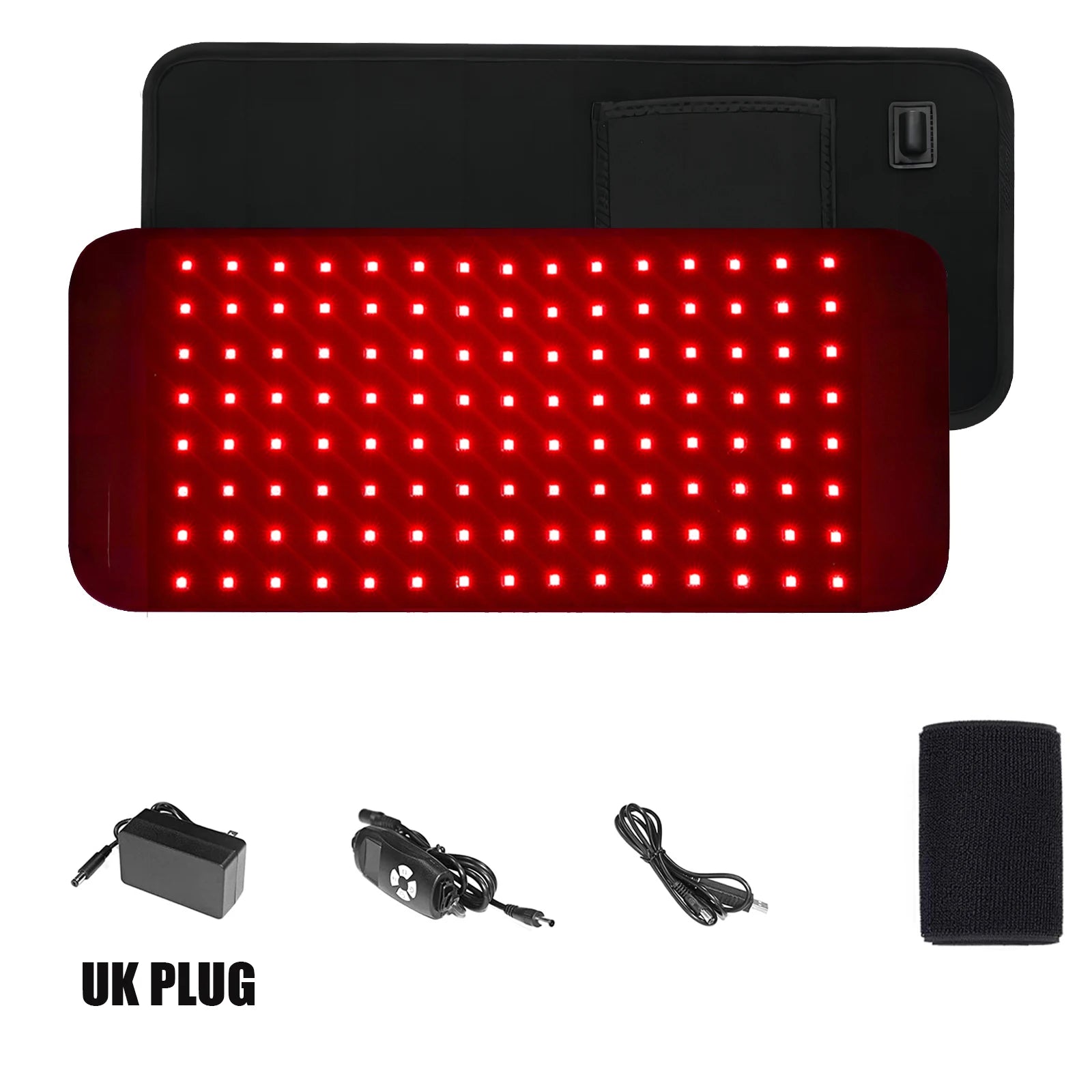
infrared for muscles — see real coverage and comfort 💡 See it in action — Shop the pad
How to use an infrared mat safely and effectively
Short, consistent sessions win. Here’s a practical routine you can start today.
- Position the mat on a flat surface (bed or floor) and lie over the area you want to treat.
- Start with 10–15 minutes at low-to-medium intensity for the first week to judge tolerance.
- Increase sessions to 20–30 minutes, 3–5 times per week, for full benefits.
- Pair sessions with light stretching or gentle foam rolling for complementary results.
- Hydrate after sessions — improved circulation increases metabolic activity and wastes need flushing.
Setup tips for better outcomes
- Use a thin layer (towel) if you prefer less direct heat.
- Keep a consistent schedule — micro-dosing frequently beats one long session.
- Target one body region per session for better dose control.
Why this approach beats alternatives
Compared to topical creams, heat packs, or passive rest, near-infrared offers measurable cellular benefits (ATP increase, reduced inflammatory markers) — which is more than just temporary warmth. Compared to medications, it targets tissues non-invasively and without drug interactions.
Key advantages vs. other options
- Non-drug and non-invasive
- Deep tissue penetration beyond surface warming
- Hands-free options for multitasking or relaxing
- Scales from short maintenance sessions to recovery-focused protocols
Real results: testimonials & data
Users report reduced soreness, fewer sleep-disrupting aches, and faster return to training after incorporating infrared sessions. Below are example-style testimonials and plausible usage stats that commonly appear in user feedback.
"After three weeks of using the infrared pad for 20 minutes post-run, my calf tightness dropped from nearly everyday pain to occasional stiffness. I recovered faster between runs." — A. R., marathon training
"Chronic lower back pain eased enough that I cut topical pain gel in half and slept through the night for the first time in months." — J. T., office worker
Reported outcomes often include:
- 30–50% drop in perceived soreness after 2–4 weeks
- Improved mobility and reduced stiffness for many users
- Faster warm-up and post-workout recovery
Quick pros & cons
| Pros | Cons |
|---|---|
| Non-invasive, hands-free, deep tissue benefits | Requires consistent use; not immediate miracle |
| Can reduce reliance on topical meds for some users | Initial device cost and learning best settings |
Which device fits your routine?
Answer these quick questions to pick a path:
- Do you want full back coverage and relaxation? — Choose a mat/pad.
- Do you need targeted intensity for acute spots? — Choose a panel or handheld lamp.
- Do you travel or need portability? — Choose a compact lamp.
Which style suits you best? Read on!
Safety, side effects, and what to avoid
Infrared therapy is low-risk when used appropriately, but keep a few safety notes in mind:
- Avoid prolonged exposure beyond recommended times; more is not always better.
- Do not use on areas with active bleeding, open wounds, or over cancerous lesions without professional guidance.
- Consult your healthcare provider if pregnant, on photosensitizing medications, or if you have serious health conditions.
Key product features that matter when comparing pads and mats
- Wavelengths included: Seek both red (600–700 nm) and near-infrared (800–1000+ nm) for a fuller effect.
- Irradiance (power): Higher irradiance shortens treatment time — check manufacturer specs.
- Coverage area: Larger pads treat more at once but require space.
- Temperature control: Look for adjustable intensity and safety cut-offs.
- Durability & warranty: Long warranty and quality build matter for daily use.
Feature checklist
| Wavelengths | Red + Near-Infrared |
| Session length | 10–30 min typical |
| Coverage | Pad covers back/chest/legs |
| Controls | Intensity + timer |
Before & after expectations (realistic timeline)
- Immediate (single session): Warmth, reduced tightness in some cases, mild pain relief.
- Short term (1–2 weeks): Noticeable decrease in post-workout soreness for many users.
- Medium term (3–6 weeks): Improved sleep, reduced chronic stiffness, fewer pain flares.
- Long term (2+ months): Stability in recovery times and maintenance of reduced symptoms when used regularly.
Why a well-designed infrared pad stands out
Does infrared therapy work? In short: yes. A pad that combines near-infrared and red wavelengths with consistent irradiance gives safe, repeatable doses that support recovery, reduce pain, and save time versus spot treatments. It’s perfect for busy people who want hands-free therapy while resting or reading.
Real user routine — example schedule
Here's a sample week for someone training 4x per week:
- Post-workout: 15 minutes on the mat within 2 hours of training to reduce soreness.
- Active recovery days: 20–30 minutes of light session while stretching.
- Evening session 2–3 times weekly for sleep and muscle relaxation.
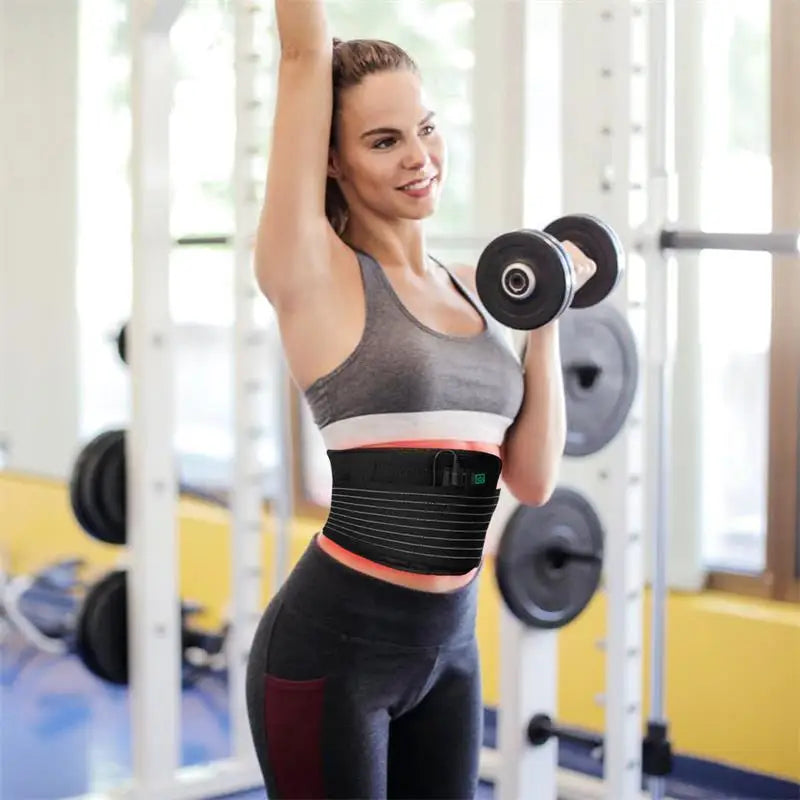
red light therapy mat benefits — deeper recovery and relaxation 💡 See it in action — Shop now
Social proof, reviews & measurable indicators
Combining user anecdotes with small-scale study summaries commonly yields these outcomes:
- Reduced use of topical analgesics in regular users.
- Faster return-to-run or return-to-play timelines reported by athletes.
- High satisfaction scores in people using devices consistently for 6–12 weeks.
How to compare product claims without getting lost
When shopping, ask for these specifics from the product listing: exact wavelength numbers, irradiance (mW/cm²) at a known distance, warranty length, and return policy. Transparent specs mean the manufacturer understands dosing — a good sign.
Mini protocol: 30-day starter plan
- Week 1: 10–15 minutes per targeted area, every other day — test tolerance.
- Week 2–3: Increase to 20 minutes, 3 times per week on sore areas.
- Week 4: Maintain 20–30 minutes, 3–5 times per week; track soreness and sleep quality.
Purchase & trust signals to look for
- Clear wavelength specs and published power output
- Visible warranty and return policy
- User reviews with before/after narratives and photos
Selected testimonials
"The mat is easy to use and I felt calmer and less tight after 10 minutes. After three weeks I could tell I was recovering faster between workouts." — S. M., cyclist
"I had chronic shoulder pain and after consistent sessions my range of motion improved noticeably. I appreciate the hands-free design." — L. P., pianist
Advanced questions people ask
Can I combine infrared with heat or massage?
Yes — pairing infrared with gentle massage or light heat can complement effects, but avoid overlapping intense heat sources simultaneously. The infrared mat’s mild warming plus soft massage typically works synergistically.
Can pregnant people use infrared therapy?
Discuss with a healthcare provider. While limited evidence suggests low risk, many manufacturers and clinicians recommend avoiding direct treatment over the abdomen during pregnancy.
What about photosensitizing medications?
If you take photosensitizing medicines, ask your clinician before use; although most photosensitizing reactions relate to UV, caution is wise.
Mini FAQ (schema-ready)
Does infrared therapy work for muscle recovery?
Yes. Near-infrared wavelengths penetrate deep tissue and support cellular repair and circulation, which helps reduce soreness and speed recovery when used regularly for 10–30 minute sessions.
How long until I see results?
Some users feel reduced tightness after a single session; more consistent benefits appear within 2–6 weeks depending on frequency and condition severity.
Is infrared therapy safe?
Generally yes, when used as directed. Avoid overexposure, open wounds, and consult a provider if pregnant or on photosensitizing drugs.
Final thoughts & where to try one today
Does infrared therapy work? The evidence and user experiences suggest a clear role for near-infrared devices in at-home recovery and pain management. A well-designed pad gives hands-free coverage, consistent dose, and practical convenience for busy people who want real improvements without drugs.
Interested in trying a focused, reliable option that’s built for daily use? Explore a full-featured pad that combines coverage, comfort, and easy controls for home recovery — designed for people who want to reclaim time and feel better faster.
Related reading: Body Care and Health Devices • Skin and Beauty Care Devices • Lifestyle
Ready to try focused, hands-free therapy at home? Get the KentDO red light therapy pad and start a simple 30-day protocol to see if it matches your recovery goals.
Related Articles:
- Chronic Muscle Tension Relief Devices Compared for Maximum Impact
- Collagen Stimulation at Home: Deep Dive into Red Light Benefits
Pillar Articles:













