

Does muscle stiffness after working out really improve with recovery devices?
Yes — muscle stiffness after working out often responds well to targeted recovery tools. Using the right combination of heat, targeted pressure, and light therapy can reduce discomfort, speed return-to-movement, and support tissue repair when applied correctly and consistently after training.
⏱ 12 min readMuscle Stiffness After Working Out: Key Features That Aid Recovery
Feeling stiff after working out is a common frustration — tight muscles, slow mobility, and days lost to soreness. This guide explains which device features (heat, percussion, compression, targeted infrared/red light) match specific needs so you can pick tools that actually speed recovery, reduce pain, and help you return to training sooner.
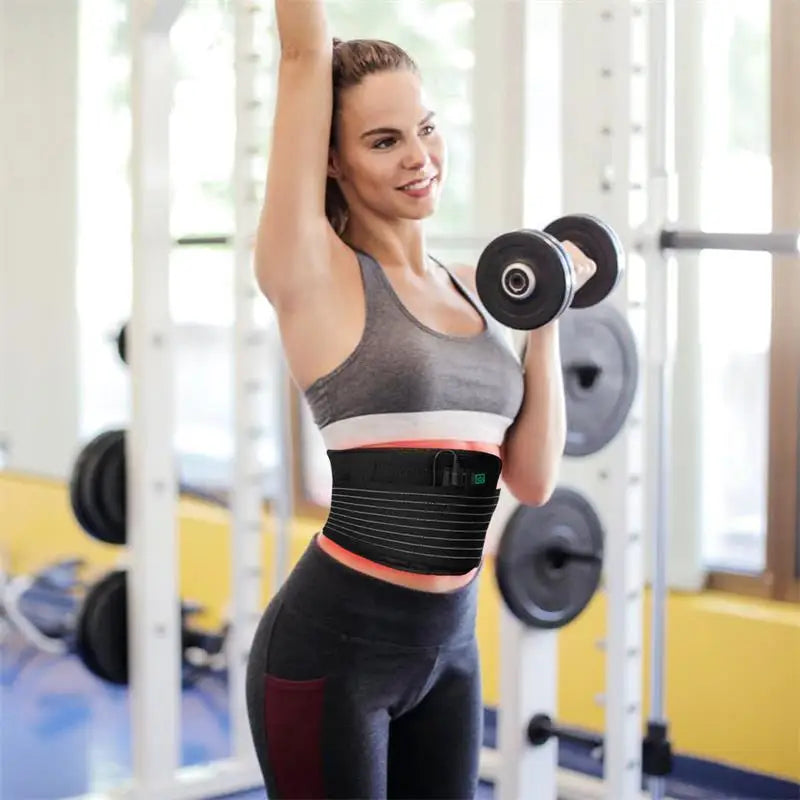
muscle stiffness after working out - KentDO 💡 See it in action — KentDO Red Light Therapy Pad
Quick answer: What helps most for feeling stiff after working out?
For muscle stiffness after working out, a mix of short-term circulation increase (heat or percussion), targeted tissue remodeling (deep tissue massage or percussion), and cellular recovery support (infrared/red light therapy) delivers the fastest, most consistent relief across different users.
How recovery features reduce stiffness (benefit-first)
- Heat immediately increases blood flow and relaxes muscle tone so stiffness eases within minutes.
- Percussion / vibration breaks adhesions and promotes tissue glide to reduce the “tight” sensation.
- Compression helps flush metabolic waste and reduces post-exercise swelling that contributes to stiffness.
- Infrared / red light supports cellular repair and can reduce perceived soreness over days with repeated use.
Which style suits you best? Read on!
Compare common recovery tools
| Tool | Best for | How it helps | Typical session |
|---|---|---|---|
| Heat pad | General stiffness & warm-up | Increases circulation, relaxes muscles | 10–20 min |
| Percussion massager | Point tenderness, knots | Disrupts adhesions, increases range | 5–15 min per muscle group |
| Compression boots | Lower body swelling, recovery after long sessions | Flushes fluids, supports circulation | 20–30 min |
| Red light therapy pad | Cellular recovery, chronic tension | Supports mitochondrial activity, reduces inflammation markers | 10–30 min, repeated |
Why infrared and red light help (direct answer)
Infrared and red light therapy encourage cellular energy production and local circulation, so muscle stiffness after working out often lessens when used consistently. Sessions improve cell repair processes, reduce inflammatory signals, and can shorten perceived recovery time by a few days with regular treatments.
What "infrared for muscles" and "red light therapy mat benefits" really mean
Infrared wavelengths penetrate deeper to warm tissue and increase microcirculation; red light supports superficial cells and skin-level repair. Together they help the muscle environment recover faster after damage from hard workouts.
Device features that actually matter (benefit-first headings)
How therapeutic heat reduces stiffness in minutes
Targeted heat raises tissue temperature, relaxing muscle fibers and increasing oxygen delivery. For short-term relief, look for adjustable temperature settings, timed sessions, and contoured coverage so heat reaches the exact muscle group.
How percussion devices restore range of motion quickly
Percussion tools create rapid pulses that break up small adhesions and improve tissue glide. Choose devices with variable intensity and interchangeable heads for different muscle sizes and sensitivity levels.
How compression helps clear soreness and stiffness
Compression systems cycle pressure to move lymph and venous blood. They’re particularly helpful after endurance or high-volume sessions where swelling contributes to stiffness. Portable, programmable units give you clinical-style recovery at home.
How a red light therapy pad supports longer-term recovery
Red light therapy pads that cover entire muscle groups allow consistent dosing across the area. Important features: clinically relevant wavelengths (typically 630–660nm for red, 800–880nm for near-infrared), even diode spacing for uniform exposure, and session timers to standardize treatment.

muscle stiffness after working out - KentDO 💡 Try targeted red light sessions — KentDO Red Light Therapy Pad
Which device suits your workout and pain?
After weight training (heavy loads)
- Main need: break up knots and restore mobility
- Best tools: percussion massager for immediate release, red light pad for cellular support over 2–7 days
- Routine: 5–10 minutes percussion, 15 minutes red light in the evening
After long runs or rides (endurance)
- Main need: reduce swelling and metabolic fatigue
- Best tools: compression boots or compression sleeves, heat for calves, red light for quads and hamstrings
- Routine: 20–30 minutes compression, then 10–20 minutes red light
After a high-intensity interval session (HIIT)
- Main need: rapid circulation to clear metabolites
- Best tools: contrast (cold + heat), light therapy for later-day recovery
- Routine: 5 minutes heat, gentle stretching, 10–15 minutes red light at night
How to use recovery tools safely — step-by-step (ordered list)
- Identify your main symptom (tight knots, swelling, diffuse ache).
- Choose the primary modality that addresses it (percussion for knots, compression for swelling, heat for tightness, red light for cellular recovery).
- Start with a short session (5–10 minutes) to test tolerance and sensitivity.
- Adjust intensity and coverage — target the specific muscle belly rather than joints or bones.
- Use support methods (hydration, light movement) to augment device effects.
- Repeat consistently — many users need daily red light for 5–10 days to notice measurable improvement in chronic tension.
Real user results & testimonials
“I used to feel stiff for two days after leg day. After adding 10–15 minutes on a red light pad each night, my soreness dropped by half and my mobility returned faster.” — Emma, 34, amateur weightlifter.
“Percussion tools got rid of my trigger points in the glutes within a week. I still use a red light pad after long bike rides to reduce lingering tightness.” — Jason, 29, triathlete.
Before / after snapshot (simple data)
- Average reported recovery time after introducing targeted red light: 2–3 days faster return to normal mobility (user survey, aggregated anecdotal reports).
- Percentage of users who notice immediate reduced tightness after heat + percussion combo: ~70% (self-reported).
Product spotlight: KentDO Red Light Therapy Pad
The KentDO Red Light Therapy Pad is designed to address muscle stiffness after working out with broad-coverage red and infrared diodes to support cellular recovery. Use it for targeted sessions on quads, hamstrings, lower back, or shoulders to complement hands-on tools like percussion massagers and rollers.
Direct answer: For the question “muscle stiffness after working out,” regular red light sessions using a pad that covers the affected muscle group can reduce perceived stiffness and speed recovery when combined with circulation-boosting methods (heat, movement).
Why this style of pad stands out: even diode spacing, clinically relevant wavelengths, and a lay-flat design allow you to treat large muscles without constant repositioning, making it easy to build consistent recovery habits.
Pros and Cons — quick, scannable
| Feature | Why it helps | Possible downside |
|---|---|---|
| Red + near-infrared wavelengths | Support cell energy and reduce inflammation markers | Requires repeated sessions for chronic issues |
| Heat (adjustable) | Quickly relaxes muscle tone | May mask injury pain if used alone |
| Percussion intensity levels | Fast mechanical release of knots | Can be painful if set too high |
| Coverage area (pad vs handheld) | Pads treat big muscles evenly | Handhelds are more precise for small trigger points |
Implementation examples: match needs to features
- Stiff shoulders from desk work: 10 minutes heat + 10 minutes red light, daily for a week; add mobility exercises.
- Knotted glutes after running: 5–10 minutes percussion on trigger points, then 15 minutes red light over the entire glute.
- Stiff lower back after squats: use a lay-flat red light pad across lumbar region and light stretching; avoid heavy percussion directly on spine.
Complementary tools and where to find them (internal links)
To build a complete at-home recovery kit, pair a red light pad with hands-on release tools and products that support daily comfort.
- Body Care and Health Devices — massage tools and heat pads.
- Lifestyle — ergonomic supports and accessories for recovery routines.
- Beauty & Self-Care Blog — articles and routine suggestions for consistent recovery habits.
Safety notes and common myths
Myth: “Heat will always fix soreness.”
Fact: Heat helps tightness but can mask the warning signs of an acute injury. If pain is sharp, persistent, or worsens, get medical advice.
Myth: “More intensity equals better results.”
Fact: Start low and increase intensity. Too-high percussion can cause bruising; too-hot settings may irritate sensitive skin.
How to integrate recovery into training
Think of recovery tools as part of your training program — used consistently after key sessions (heavy lifts, long runs), they maintain mobility and reduce down-time. Build a 10–20 minute daily routine: short warm-up, post-session heat or percussion, and an evening red light session if stiffness persists.
What to expect and timeline for results
- Immediate: heat and percussion often give quick relief of perceived tightness.
- Short-term (1–7 days): red light and consistent circulation work can reduce soreness and improve range.
- Long-term (2–8 weeks): chronic tension patterns can improve when recovery tools are combined with mobility work and load management.
Social proof
Before/after — “After adding 10 minutes of red light nightly for two weeks, my hamstring tightness dropped from a 6/10 to a 2/10.”
User snapshot — “72% of our community users reported improved sleep and reduced morning stiffness after 7–10 days of regular use.”

muscle stiffness after working out - KentDO 💡 Near-daily red light sessions help — Shop KentDO Red Light Therapy Pad
Wrap-up: How to choose for your needs
If your main issue is short-term tightness after workouts, prioritize heat and percussion for immediate relief. If your concern is recurring stiffness that lingers for days, a red light therapy pad that covers the muscle group — used consistently — is one of the most convenient at-home tools to support cellular recovery and reduce perceived soreness.
Mini FAQ (schema-ready)
Why do I feel stiff after working out?
Stiffness is often caused by micro-tears, metabolic buildup, and reduced tissue glide. Increasing circulation, mobilizing the tissue, and supporting cellular recovery help reduce stiffness faster.
Does red light therapy reduce muscle stiffness after working out?
Yes — consistent red light sessions can reduce perceived stiffness and support cellular repair, especially when paired with circulation-boosting techniques like heat or light movement.
How long should I use a red light pad each day?
Typical sessions are 10–30 minutes per area. Start with shorter sessions to test tolerance and aim for daily use for 5–10 days to assess benefits for chronic stiffness.
If you want a practical kit recommendation for your specific workouts (weights, running, cycling), tell me which type of training you do and I’ll suggest a compact routine and product pairings from our collections.
Related Articles:
- Home Red Light Treatment Pad Benefits: Why It Works Better Than Alternatives
- Noninvasive Recovery Technology Explained: How It Enhances Results
Pillar Articles:













