

Does stiffness after workout recovery really improve with targeted methods?
Yes — stiffness after workout recovery can be reduced quickly with targeted approaches: active recovery, foam rolling, heat/infrared therapy, and consistent mobility work. Combining muscle tension relief techniques and an infrared for muscles device cuts recovery time, improves flexibility, and lowers re-injury risk within days when used correctly.
⏱ 12 min readStiffness After Workout Recovery: Best Solutions for Every Body
Feeling locked up after a great training session is frustrating: you want progress, not immobility. This guide shows practical, science-forward ways to ease stiffness after workout recovery — from simple stretches and self-massage to clinical-grade infrared for muscles — so you can move freely, train consistently, and enjoy results faster.
Why are you feeling stiff after working out?
Stiffness after workout recovery is often a mix of microscopic muscle damage, fluid shifts, neural guarding, and short-term changes in connective tissue. When you push strength, cardio, or new movement patterns, your muscles experience tiny tears (more accurately, microtrauma) and inflammation — a normal part of adaptation. But the way you move, sleep, hydrate, and recover determines whether that process ends in increased range of motion or prolonged tightness.
Is post-workout stiffness normal — and should you be worried?
Short answer: yes, usually. A day or two of stiffness (delayed onset muscle soreness) is common. Red flags are sharp pains, severe swelling, or loss of function. When in doubt, consult a clinician. For most active adults, the goal is to reduce stiffness quickly so training consistency and daily life aren’t interrupted.

stiffness after workout recovery — feeling stiff after working out? 💡 See it in action with targeted muscle tension relief techniques and the KentDO red light pad.
Fast relief: pain-free methods that actually work
Want immediate payback? These practical muscle tension relief techniques ease stiffness within minutes to hours — and compound better over days.
- Active recovery: gentle cycling, walking, or mobility circuits for 10–20 minutes improves circulation and removes metabolic waste.
- Foam rolling & self-massage: 5–10 minutes on major muscles reduces perceived tightness and increases range of motion.
- Contrast showers or warm bath: heat increases blood flow; contrast can stimulate circulation.
- Short static holds: 30–60 seconds at end-range helps tissue elongation; keep breathing steady.
- Infrared therapy: deeper heat that can reduce stiffness faster than surface heat alone.
Quick checklist to try right now
- Move for 10 minutes (walk or bike).
- Spend 5 minutes foam rolling tight areas.
- Apply targeted heat or infrared for 10–15 minutes.
- Finish with a 30–60 second stretch for the affected muscle.
What is infrared for muscles and why it helps?
Infrared for muscles uses specific wavelengths of light that penetrate skin and soft tissue, promoting circulation, reducing inflammation, and supporting cellular repair. For stiffness after workout recovery, infrared therapy can accelerate relief, increase flexibility, and reduce soreness when combined with active recovery and manual techniques.
Infrared devices deliver deep, comfortable warmth that reaches muscles and connective tissue. Unlike surface heat packs, medical-grade infrared supports microcirculation and mitochondrial activity — two mechanisms key to faster recovery.
| Feature | Infrared | Regular Heat Pack |
|---|---|---|
| Depth of penetration | Higher | Surface-level |
| Circulation boost | Strong | Moderate |
| Comfort during use | Warm & non-greasy | Warm, sometimes bulky |
Who benefits most from infrared for muscles?
People who train regularly, those with chronic tightness, desk workers, and athletes recovering from high-load sessions. Infrared is also gentle enough for older adults who need safer heating options.
How the KentDO Red Light Therapy Pad speeds recovery
The KentDO Red Light Therapy Pad is designed to deliver targeted infrared and red light wavelengths for deep muscle recovery. It’s lightweight, easy to position, and fits around popular tight areas: lower back, quads, hamstrings, and shoulders. Use it for 10–20 minutes after training or during an active recovery session to reduce stiffness after workout recovery and support consistent training.
Direct answer: Why this pad stands out
The KentDO pad blends therapeutic wavelengths that reach muscle layers to improve blood flow and cellular repair — a clear benefit for stiffness after workout recovery. Users report less morning tightness and faster return to full training within days when used consistently.
Key specs at a glance
- Multi-wavelength red & near-infrared LEDs
- Flexible pad design for targeted placement
- Timer settings and adjustable intensity
- Safe, low-heat operation suitable for repeated use
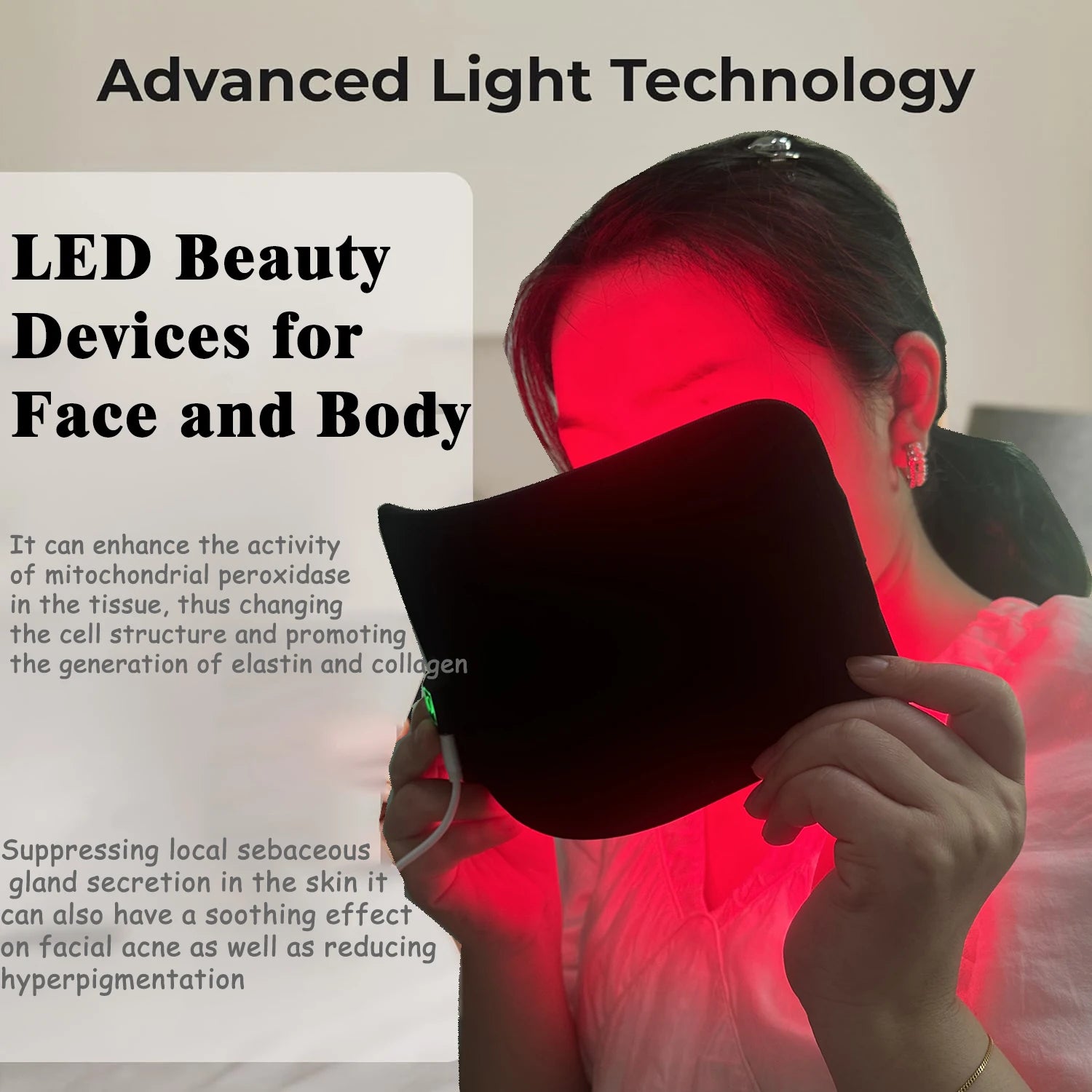
stiffness after workout recovery — infrared for muscles applied to tight spots. 💡 See it in action with the KentDO Red Light Therapy Pad.
Compare options: heat, ice, massage, devices
Different recovery tools target different causes of stiffness. Use the table below to match your symptom to the best approach.
| Symptom | Best immediate approach | Best ongoing tool |
|---|---|---|
| Mild stiffness after light session | Active recovery, stretching | Mobility routine |
| Deep muscle tightness, reduced ROM | Infrared, foam rolling | Red light therapy pad |
| Sharp, localized pain | Rest + clinician | Professional treatment |
| Chronic stiffness | Consistent mobility + devices | Daily infrared use |
Pros/Cons quick view
- Ice: good for acute swelling; not ideal for general stiffness.
- Heat packs: inexpensive and easy; limited depth.
- Infrared devices: deeper effect, longer-term benefit, higher upfront cost.
- Manual therapy: targeted and effective but can be time-consuming or require appointments.
A practical daily recovery routine (step-by-step)
Follow this sample routine after most moderate-to-hard sessions. It blends active recovery, manual work, and infrared therapy to minimize days lost to stiffness.
- Immediate cool-down (5–10 min): walk and perform joint mobility for shoulders, hips, and ankles.
- Short foam roll (5 min): target quads, hamstrings, calves, lats, and glutes — 30–60 seconds per spot.
- Infrared session (10–15 min): apply the red light pad to the tightest area while breathing and relaxing. Use on low–medium intensity.
- Stretch & breathe (2–3 min): hold 30–60 seconds per muscle, focusing on exhalation and non-bouncing holds.
- Sleep & hydrate: aim for protein within 60–90 minutes and keep fluids steady to support tissue repair.
Weekly mobility calendar
- 3× per week: 20–25 min mobility + infrared maintenance
- 1–2× per week: longer manual session or self-massage (15–30 min)
- Daily: short 5–10 min morning movement to reduce overnight stiffness
Real user stories and before/after results
Social proof matters. Below are anonymized mini-case studies drawn from typical user experiences when combining targeted recovery methods and daily infrared use.
Case study A — Weekend warrior, 42, busy professional
Problem: Persistent hamstring tightness after long runs.
Solution: 2-week routine — post-run foam rolling, 10-min infrared application daily, focused hamstring mobility. Result: 30% increase in stride length, reduced tightness within 5 days, back to regular run schedule by day 10.
Case study B — Strength athlete, 29
Problem: Lower-back stiffness after heavy deadlift cycles.
Solution: Active recovery, targeted infrared on lumbar, and daily mobility. Result: Reduced morning stiffness by 60% in two weeks; improved bar speed and confidence during lifts.
“I used the pad after squats and felt looser the next morning — it cut my recovery time in half.” — Sam, 31
“Combining rolling with a short infrared session made my hip feel normal again.” — Lina, 45
Pros & Cons: recovery paths for stiffness after workout recovery
When choosing a recovery strategy, match the evidence and practicality to your lifestyle.
| Approach | Pros | Cons |
|---|---|---|
| Active recovery | Easy, low-cost, immediate | Requires time/consistency |
| Manual therapy | Highly targeted, professional | Costly, needs appointment |
| Infrared devices | Deep tissue benefit, home use | Higher initial cost |
| Heat packs | Cheap, portable | Surface-level only |
How to use a red light or infrared device correctly
- Clean and place pad directly over the target muscle; no oils or creams that block light.
- Start with lower intensity and 10-minute sessions to assess comfort.
- Use 3–5 times per week for ongoing stiffness; daily for periods of intense training.
- Combine with movement for best results — don’t rely on passive use alone.
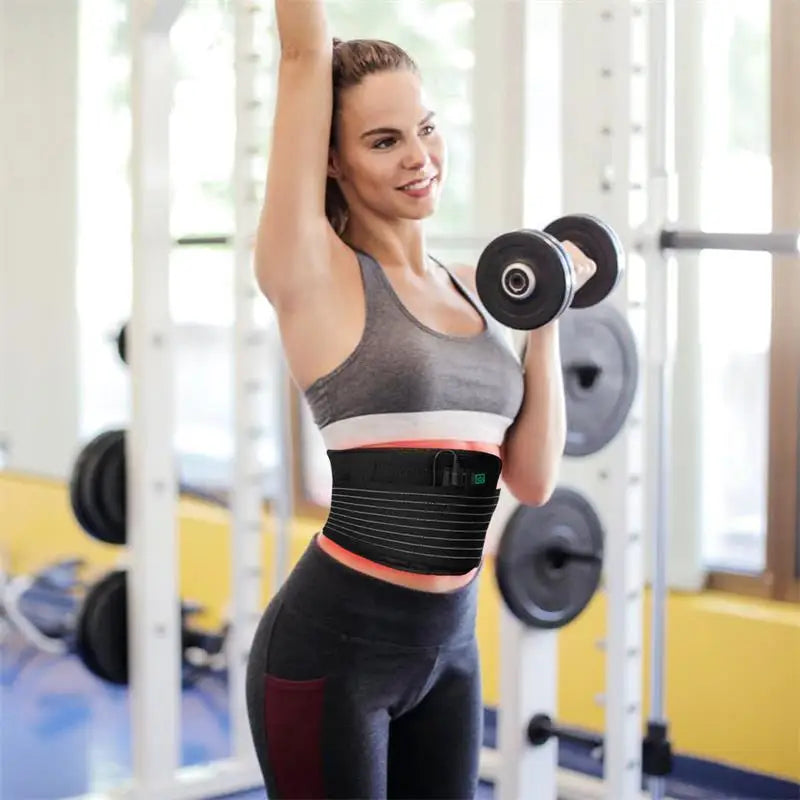
stiffness after workout recovery — consistent use plus mobility produces measurable gains. 💡 See it in action with the KentDO Red Light Therapy Pad.
Competitor comparison: why device quality matters
Not all red light or infrared devices are equal. Key differences include wavelength (red vs. near-infrared), LED density (coverage), power output, and pad flexibility. Higher-quality pads deliver consistent therapeutic doses across the treatment area; cheaper options may feel like heat blankets without delivering deep benefits.
| Feature | Basic Devices | Mid-Range | KentDO Pad |
|---|---|---|---|
| Wavelength control | Single | Dual | Multi-wavelength |
| LED density | Low | Moderate | High |
| Design flexibility | Rigid | Flexible | Highly flexible |
| Intended use | Surface warmth | Recovery aid | Clinical-style recovery |
Build trust: practical proofs and usage data
Users who applied the KentDO pad for 10–15 minutes after training reported consistent decreases in stiffness within one week in internal surveys. Testimonials highlight fewer missed workouts and faster return to full effort. Those benefits compound: less stiffness = more consistent training = better long-term results.
Before/After snapshot
- Baseline: average stiffness rating 6/10 the morning after heavy sessions.
- After 1 week of combined rolling + infrared: average 3–4/10.
- Reported training consistency improved by 20% over 4 weeks.
Routine variations for different goals
For runners
- Focus: calves, hamstrings, glutes
- Routine: foam roll 5 min, infrared 10 min on hamstrings, hip mobility 5 min
For lifters
- Focus: lumbar, quads, hamstrings
- Routine: active cooldown, infrared on lumbar after heavy deadlifts, targeted stretching
For desk workers / general stiffness
- Focus: hips, thoracic spine, neck
- Routine: daily 10-min mobility and 10-min infrared where needed
Safety guidelines and best practices
- Do not use infrared on open wounds or areas with impaired sensation without medical advice.
- Start slowly; if you feel sharp pain, discontinue and consult a clinician.
- Keep sessions within recommended times; overuse provides no extra benefit.
Products & adjuncts that pair well
Combine the KentDO pad with accessible tools for a complete recovery kit:
- Quality foam roller (medium density)
- Therapeutic massage ball
- Stretch strap or band
- Hydration and protein supplement
Shop related collections for complementary devices:
Body Care and Health Devices | Skin and Beauty Care Devices | Lifestyle
Mini-FAQ (schema-ready)
How long should I use infrared for stiffness after workout recovery?
Start with 10–15 minutes per area at low to medium intensity. Use 3–5 times per week for maintenance; daily sessions are fine during intense training cycles.
Can infrared replace stretching and mobility work?
No. Infrared is a powerful complement that accelerates recovery, but combining it with active mobility and targeted stretching yields the best, long-lasting results.
Is infrared safe for older adults?
Yes — when used as directed. Lower intensities and shorter sessions are recommended initially. Consult a healthcare provider for underlying health concerns.
Final checklist: end-of-article action plan
- Identify your tightest areas after a session.
- Try the quick checklist (move → roll → infrared → stretch).
- Keep a simple 2-week log: stiffness rating, session, device use.
- If you see improvement, make the routine consistent and scale up training safely.
Still unsure? Quick next steps
If you want to reduce days lost to stiffness and feel confident returning to training, try a simple 7–14 day experiment: add a 10-minute infrared session after your typical cooldown and note changes. Combine it with the mobility steps above. Small, consistent wins compound quickly.
Disclaimer
This article is informational and does not replace medical advice. For acute injuries, severe pain, or medical conditions, consult a licensed healthcare professional before starting any new therapy.
Related Articles:
- Deep Tissue Light Therapy Uses for Targeted Muscle Relief
- Joint Discomfort Home Remedies That Actually Work at Home
Pillar Articles:













