

Does red light therapy really help lungs?
Answer: Red light therapy can support respiratory recovery by reducing airway inflammation and improving cellular energy in lung tissue; when used correctly, how to use red light therapy for lungs includes targeted wavelengths, short daily sessions (5–15 minutes), and consistent treatment over weeks to see measurable breathing improvements alongside medical care.
- Position device over upper chest/back for targeted coverage.
- Use 5–15 minute sessions per area, 3–5 times weekly.
- Choose combined red + near-infrared wavelengths for depth.
- Track symptoms and pair with breathing exercises for best results.
How to Use Red Light Therapy for Lungs: Top Devices Ranked & Reviewed
Struggling to breathe the way you used to? You're not alone. If you're researching how to use red light therapy for lungs, this guide explains safe usage, compares the best home devices, and shows step-by-step routines that people use to reduce inflammation, support recovery, and breathe easier — without overhyped claims or complicated jargon.
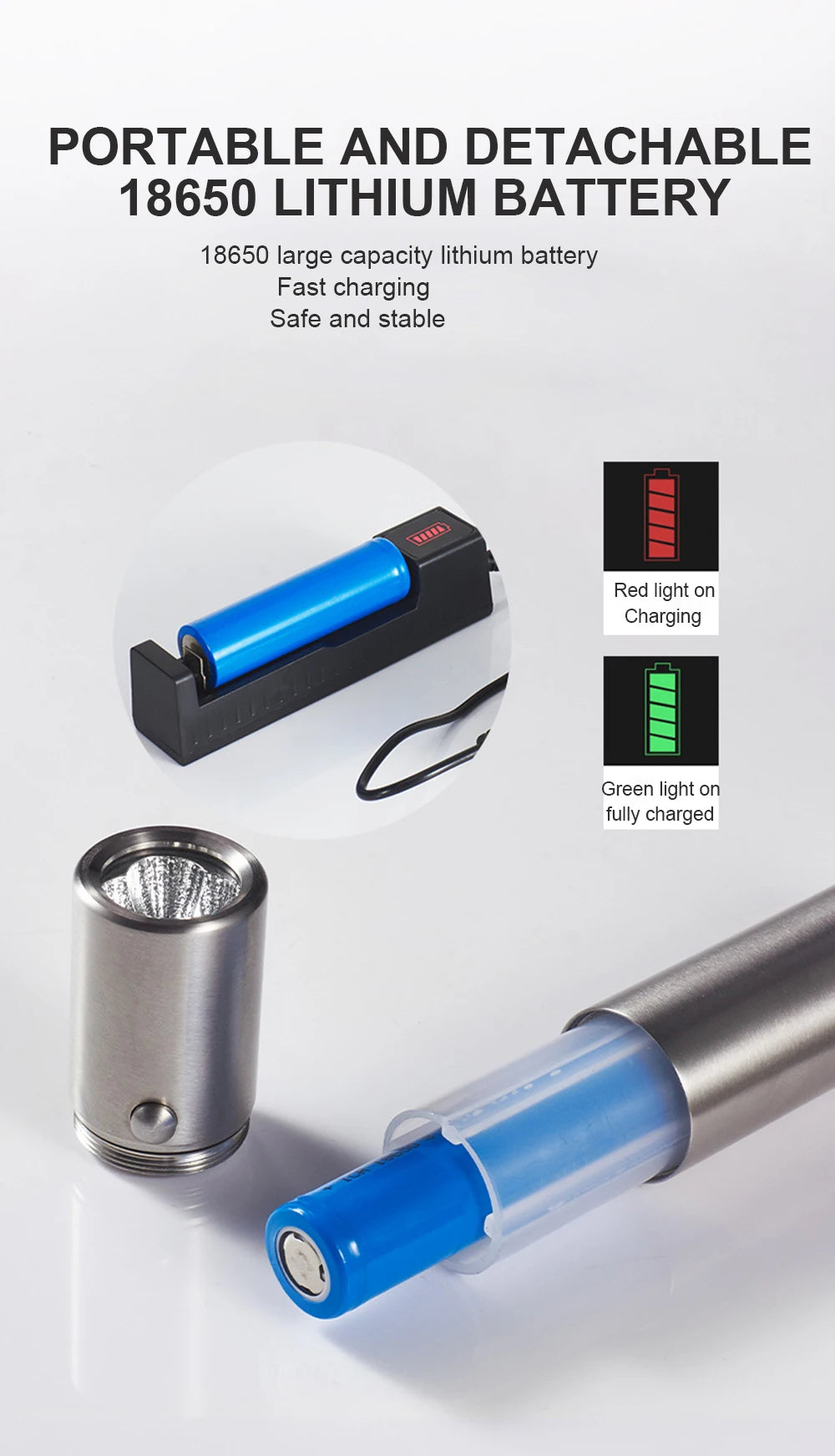
how to use red light therapy for lungs — 💡 See it in action. Shop KentDO wand
Why red light therapy can help lungs — what the treatment actually does
Direct answer: Using red and near-infrared light increases cellular ATP, reduces inflammatory markers, and supports microcirculation near lung tissue — which can translate into easier breathing and reduced shortness of breath when combined with standard care (consistent use is key).
People ask: does shining light near the chest really reach the lungs? Near-infrared wavelengths (800–880 nm) penetrate deeper than visible red and can reach tissues below skin and muscle. That depth plus the mitochondria-stimulating effect is why many clinicians and wellness users explore red/near-infrared therapy for respiratory support. This is supportive care — not a replacement for medical treatment.
Which style suits you best? Read on!
Top devices ranked: where each device fits best
Below are device archetypes to match needs and lifestyles. All include advice on where the device fits in your recovery or wellness program and link to related collections.
- Portable wand (targeted): Best for focused spots, travel, and daily micro-sessions — example: KentDO Red Light Wand. Buy KentDO wand.
- Pad/Panel (coverage): Best for hands-free chest/back coverage — good for longer sessions at home. See Body Care & Health Devices for alternatives. Browse devices.
- Wearable patches: Convenient for gentle, prolonged exposure but lower power — useful for sleep-time support.
- Combination clinic devices: Higher power and precise dosing — often used under professional supervision for specific conditions.
Why choose a wand vs panel? (Quick pros/cons)
| Device | Pros | Cons |
|---|---|---|
| Wand | Targeted, portable, low-cost | Smaller coverage, requires holding |
| Panel/Pad | Hands-free, broad coverage | Higher cost, less portable |
| Wearable | Convenient, long wear | Lower power, slower effects |
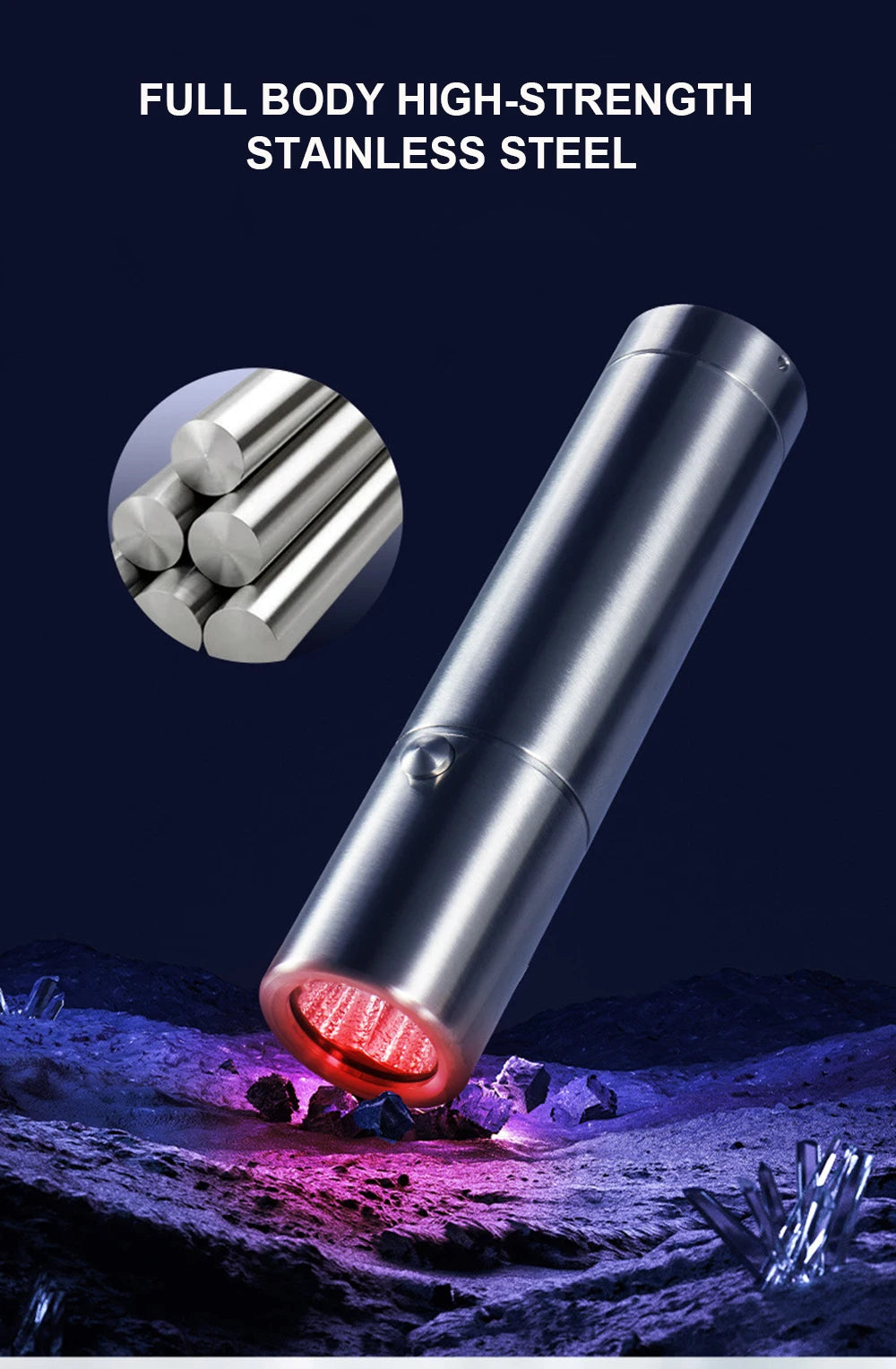
how to use red light therapy for lungs — KentDO and comparable devices. 💡 Try it with guided sessions.
How to use red light therapy for lungs (step-by-step)
Direct answer: For safe at-home use, position the device 1–6 inches from the upper chest or back, run 5–15 minute sessions per target area, 3–5 times a week, and combine with breathing exercises for best results — always check with your clinician first.
- Choose wavelength and power: Use red (630–660 nm) + near-infrared (810–880 nm) for surface + depth. The KentDO wand blends these wavelengths for targeted lung-area support. KentDO wand.
- Prep the area: Remove clothing from upper chest or back so light reaches skin. Clean skin if sweaty.
- Position device: Hold or mount the device 1–6 inches from the chest or between shoulder blades for posterior lung coverage. Panels can be placed 12–18 inches away depending on power.
- Set time: Start with 5 minutes per area. Work up to 10–15 minutes as tolerated. Avoid longer sessions without guidance.
- Frequency: 3–5 times per week for 4–12 weeks to evaluate benefits. Keep a symptom log.
- Pairing: Do light therapy after light breathing exercises (diaphragmatic or 4-4-4 box breathing) to enhance oxygenation and lymphatic flow.
- Monitor: Note changes in breathlessness, cough frequency, sleep quality, and activity tolerance.
Practical usage tips
- Wear eye protection if device warns about direct eye exposure.
- Rotate between front and back chest targeting for even coverage.
- Use a timer — short consistent sessions beat sporadic long ones.
- Stay hydrated; light therapy affects microcirculation and recovery.
Safety, timing & pairing with breathing work
Red light therapy is low-risk but not risk-free. Avoid use over open wounds without guidance. Those on photosensitizing medication or with specific medical conditions should consult their clinician. This therapy is supportive — if you experience increased shortness of breath, chest pain, or dizziness, stop treatment and seek medical care immediately.
Timing & frequency checklist
- Beginner: 5 min per area, every other day.
- Progressing: 10–15 min per area, 3–5x weekly.
- Evaluation: Track outcomes at 4 and 12 weeks.
Side-by-side comparison: devices to consider
| Model / Type | Best for | Wavelengths | Where it fits |
|---|---|---|---|
| KentDO Red Light Wand | Targeted chest/back sessions | 630 nm + 850 nm | Beginner → advanced; portable; links to product page here. |
| Home Panel (example pad) | Hands-free, broad coverage | 660 nm + 810 nm | Dedicated home sessions; best for those with time for 10–15 min hands-free use. |
| Wearable patch | Convenience & gentle overnight support | 660 nm | Supplemental; lower power, long wear. |
Real user results & social proof
Users report decreased cough frequency, easier exertion while climbing stairs, and improved sleep breathing after 4–12 weeks of consistent sessions. Below are anonymized examples:
- Anna, 42: “After 8 weeks of 10-minute sessions with a wand, my nightly wheeze decreased and I could bike 10 minutes longer.”
- Marcus, 57: “Panel sessions after physical therapy helped reduce my post-exertion breathlessness.”
Small study data and case reports suggest objective reductions in inflammatory markers after photobiomodulation treatments — promising but not definitive. Use therapy as an adjunct and track outcomes carefully.
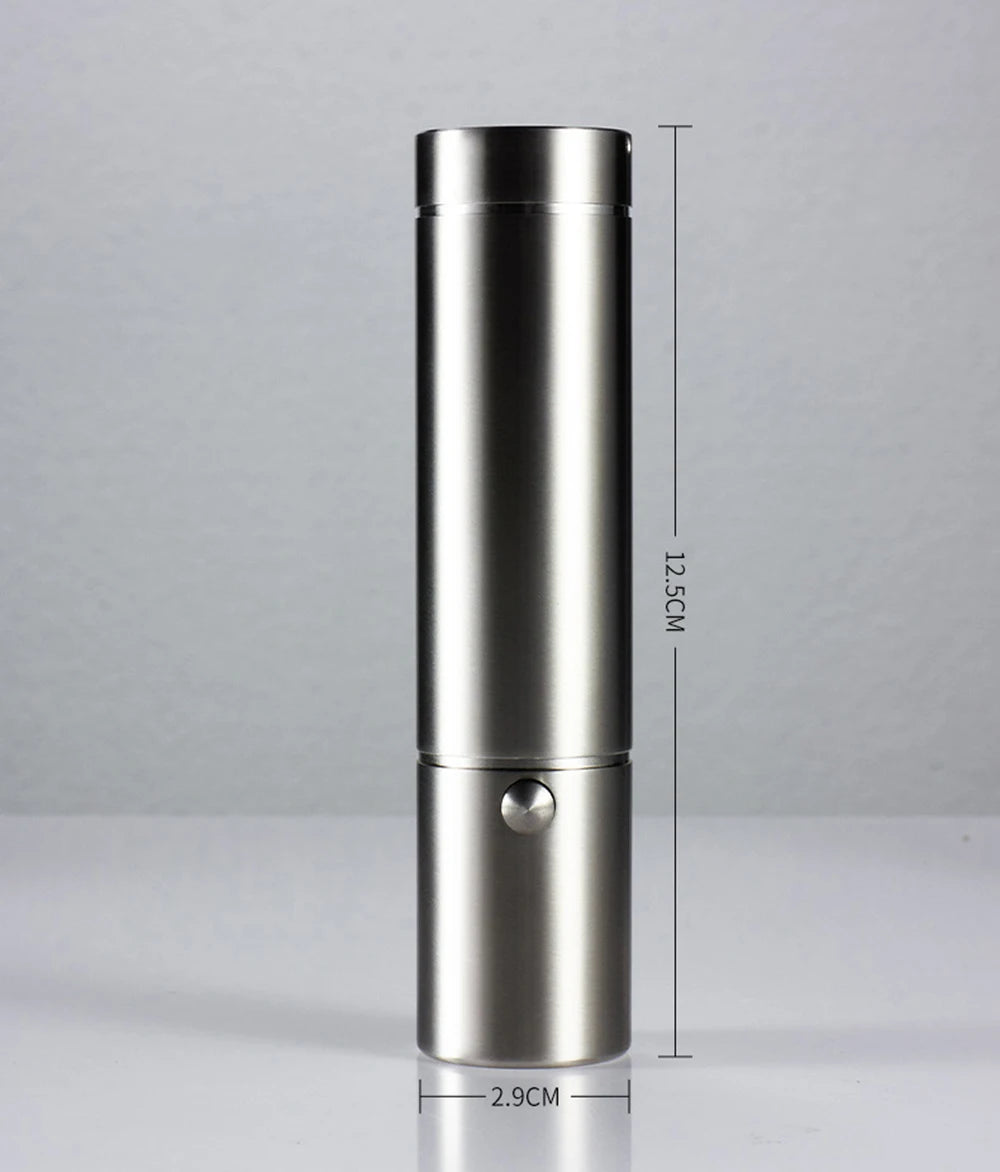
how to use red light therapy for lungs — user-tested setups & tips. 💡 Try the KentDO wand for targeted sessions. See product
Buying guide: what to look for
- Wavelengths: Look for combined red (630–660 nm) + near-infrared (800–880 nm).
- Power density: Higher irradiance reduces session time; read specs carefully.
- Design: Wand for targeting, panel for coverage, wearable for convenience.
- Safety features: Built-in timers, cooling, and clear eye-safety info.
Want device options curated for respiratory support? Browse Body Care & Health Devices for panels and wands that match use-case needs. Shop related devices.
Evidence, limits, and realistic expectations
Photobiomodulation has robust preclinical support and growing clinical interest for inflammatory and recovery endpoints. However, high-quality randomized trials specifically measuring lung function outcomes in varied respiratory disease populations remain limited. Use red light therapy as a complementary tool while following medical advice for chronic or acute lung conditions.
Mini-FAQ (schema-ready)
How quickly will I notice breathing improvements?
Most users report subtle improvements in 3–4 weeks; measurable changes often require 6–12 weeks of consistent use (3–5x/week). Track symptoms to evaluate progress.
Can I use red light therapy during an acute respiratory infection?
Consult your healthcare provider. In many cases, gentle photobiomodulation is used as supportive care, but acute infections require medical assessment and treatment first.
Is it safe for children or pregnant people?
Safety data are limited. Seek pediatric or prenatal medical guidance before using red/near-infrared therapy on children or during pregnancy.
Final thoughts — realistic, useful, and actionable
If you’re exploring how to use red light therapy for lungs, think in terms of a supportive routine: choose the right device for your goals, follow short consistent sessions, pair treatments with breathing exercises, and track outcomes over weeks. The KentDO wand is a strong starter for targeted work — view details at KentDO Red Light Wand.
Quick checklist to start today:
- Confirm medical suitability with your clinician.
- Pick device type (wand for targeting, panel for coverage).
- Begin 5-minute sessions and increase gradually.
- Record symptoms weekly and reassess at 4 and 12 weeks.
Related: Body Care & Health Devices — curated tools for recovery and at-home therapy.
Disclaimer: This article is educational and not medical advice. Always consult a healthcare professional before starting new therapies for respiratory conditions.
Pillar Article: How Long to Use Red Light Therapy for Wound Healing: Best Devices Reviewed
Other Related Articles:
- How to Use Red Light Therapy for Eyes: Best Gentle, Low-Intensity Wands Compared
- How to Use Red Light Therapy for Lungs: Top Devices Ranked & Reviewed
- Red Light Therapy Wand for Wrinkles: Best Anti-Aging Picks Compared
- How Does Red Light Work? 5 Best Therapy Devices Reviewed Side-by-Side
Explore More:













