

How to Use Red Light Therapy for Eyes: Best Gentle, Low-Intensity Wands Compared
⏱ 7 min read
Does red light therapy for eyes really help reduce fatigue and support gentle skin repair?
Answer: Yes — when used correctly, low-intensity red light therapy for eyes soothes screen-related strain, supports superficial skin repair, and reduces under-eye fatigue without heat or harsh intensity. Use short, daily sessions (1–3 minutes per eye) with a gentle wand at a safe distance for best, repeatable results. (how to use red light therapy for eyes)
Quick how-to steps (at-a-glance)
- Choose a low-intensity, eye-safe red light wand (look for ~630–670nm low-power output).
- Clean skin and remove contacts; sit comfortably with eyes closed.
- Hold wand 1–2 inches from under-eye area or orbital bone; avoid direct gaze at the LED beam.
- Run 1–3 minute cycles per eye, 3–5 times per week; increase only if tolerated and recommended by a pro.
- Finish with a gentle moisturizer and sunscreen in the morning routine.
Learning how to use red light therapy for eyes starts with choosing gentle, low-intensity wands that soothe fatigue without overwhelming sensitive skin. This guide breaks down safe techniques, nan insights, and expert-backed routines to help you get visible results with minimal effort. Curious which devices actually deliver comfort, clarity, and daily ease—and which ones fall short? We'll compare options, show step-by-step use, and point to the best pick for everyday eye care.
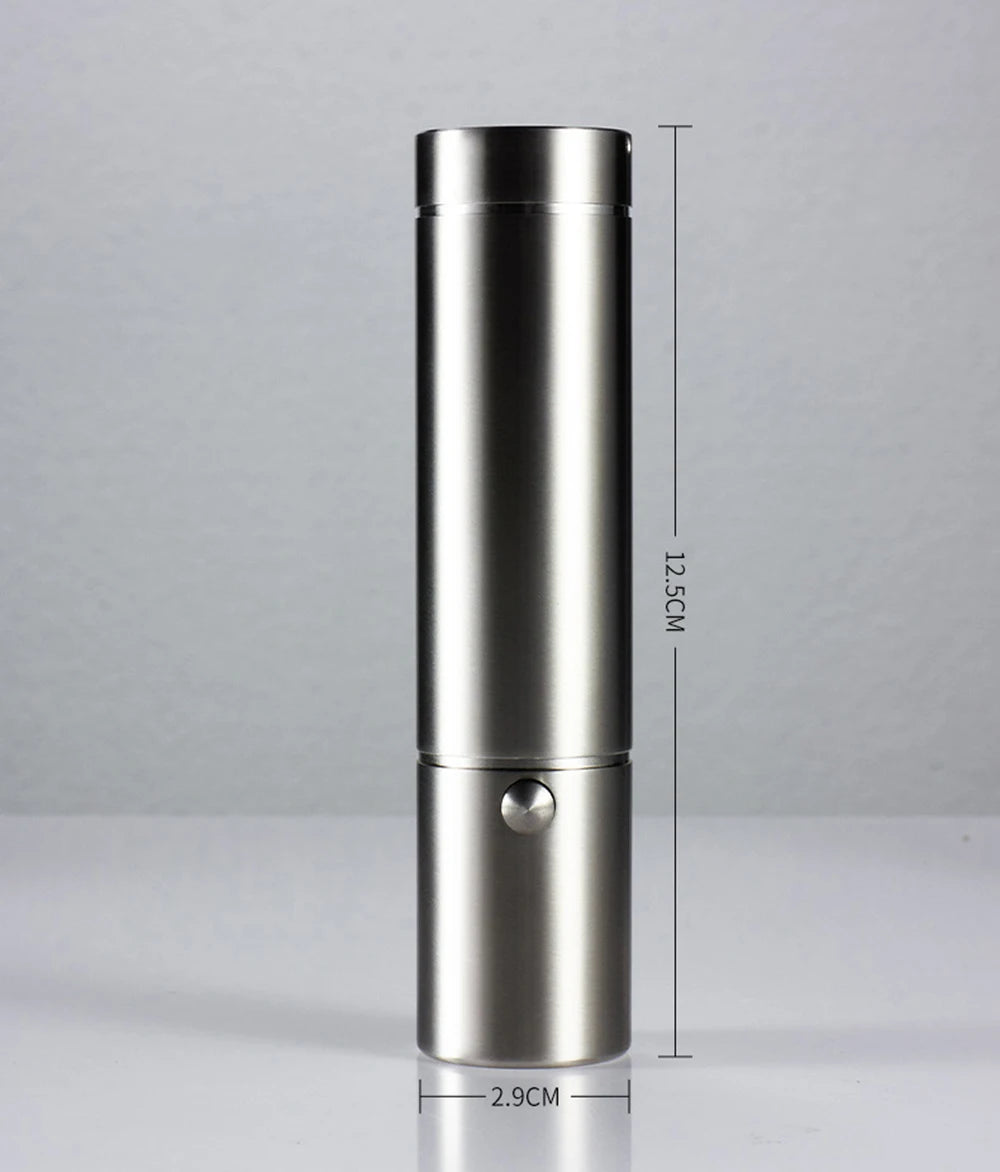
how to use red light therapy for eyes - KentDO 💡 See it in action — Get the KentDO wand
How red light helps tired eyes (benefit-first)
Direct answer: Using low-intensity red light near the eye area reduces surface fatigue by improving cellular energy in superficial skin layers and easing muscle tension around the orbital area. For many, this translates to less puffiness and a rested look with short, regular sessions.
Why does it work? Red light (~630–670nm) penetrates just deep enough to stimulate mitochondria in superficial tissues, which can temporarily help tissue recovery and lower signs of fatigue. Importantly: low intensity + short exposures protect sensitive ocular tissues.
How to use red light therapy for eyes — step-by-step (MOFU)
Direct answer: Start with 1–3 minutes per eye, wand 1–2 inches from the skin, eyes closed and contacts removed. Use 3–5 sessions weekly, progress slowly, and pair with soothing eye care (hydration, SPF in AM). Avoid staring into the LEDs; protect the cornea by keeping eyelids closed.
- Choose the right device: pick a low-intensity red light wand designed or labeled for periocular use. If in doubt, opt for a product marketed for under-eye or facial use — for example, the KentDO red light wand (/products/kentdo-red-light-wand).
- Prep safely: remove contacts, cleanse under-eye skin, and sit in a comfortable, stable position. Keep both hands free to steady the wand.
- Placement & distance: hold the wand 1–2 inches from the under-eye or along the orbital bone. Do not press on the eyeball or aim into the open eye.
- Timing: 60–180 seconds per side is effective for most people. Time with a phone or the wand's built-in timer. Start at 60 seconds and observe how the skin reacts.
- Frequency: 3–5 times per week for 4–8 weeks gives the clearest signal whether a wand helps you. Maintenance can be 1–2 sessions/week once you see results.
- Finish: apply a hydrating eye cream or gel and avoid screen glare for 20–30 minutes to let the area settle.
Benefit-first best practices for safer, faster comfort
- Protect the eye:Never look directly at the LED beam; keep eyelids closed. Remove contacts first.
- Use low intensity and short sessions: this minimizes heat and ocular risk while still stimulating surface cellular activity.
- Consistency beats duration: short daily or near-daily sessions produce better, repeatable outcomes than infrequent long sessions.
- Avoid sensitive populations without pro guidance: if pregnant, post-surgery, or diagnosed with eye disease, check with your clinician first.
Compare gentle, low-intensity wands (clean comparison)
| Model & Use | Wavelength | Session Time | Best for |
|---|---|---|---|
| KentDO Red Light Wand — under-eye mode (product) | ~630–660 nm | 1–3 min/eye | Everyday eye fatigue, puffiness, gentle rejuvenation |
| Compact low-power facial wand | ~650 nm | 2 min/area | Sensitive skin, morning touch-ups |
| Higher-power panel (not for eyes) | 800–880 nm (NIR) | Short — but avoid near eyes | Body pain, deep tissue (not periocular) |
Tip: for eye-focused goals, prioritize wand-sized devices labeled for facial/eye use rather than full-size panels or high NIR devices, which are designed for deeper tissue and can be inappropriate for periocular application.
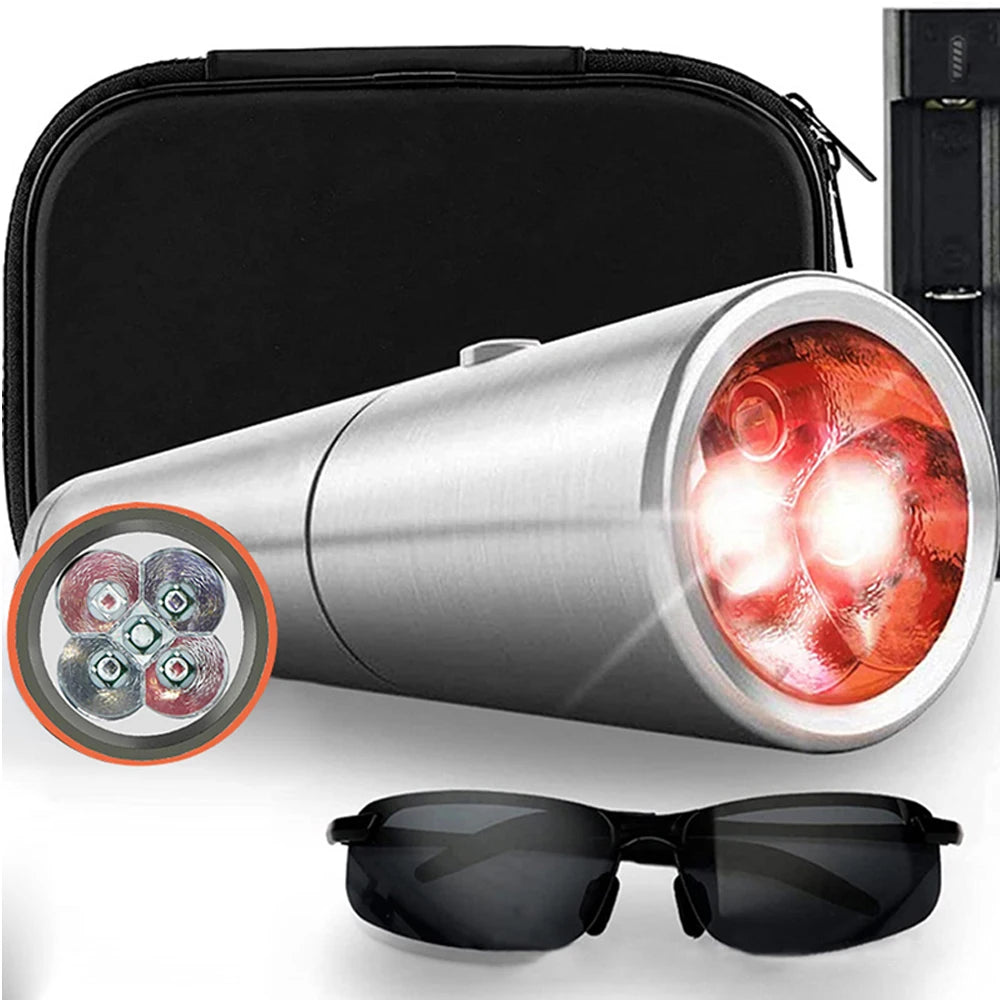
how to use red light therapy for eyes - KentDO 💡 Compare gentle wand features — Skin and Beauty Care Devices
Pros & cons — quick decision map
| Pros | Cons |
|---|---|
|
|
3 focused routines: Morning, Midday, Evening
Morning: wakeful, de-puffed eyes (3–5 min)
- Clean face, remove residue from eye cream.
- 60–90 seconds per eye at 1–2" distance.
- Follow with antioxidant eye gel and SPF.
Midday: quick anti-fatigue reset (2–4 min)
- After long screen time, sit back and close eyes.
- 1–2 minutes per eye; avoid daytime bright sunlight immediately after.
Evening: calming, restorative finish (3–6 min)
- Use 2–3 times per week in the evening to support skin recovery.
- Finish with moisturizer and avoid stimulants (caffeine) late.
Safety, side effects & troubleshooting
Common mild effects: temporary warmth, slight redness (rare), or transient dryness. If you experience sharp pain, vision changes, or prolonged redness, stop use and consult an eye care professional.
- Never use red light with contacts in place.
- Do not aim the beam at open eyes; keep eyelids closed and treat the orbital area.
- Start low and slow — shorter sessions first.
- If you have eye disease (glaucoma, retinal conditions) or recent eye surgery, consult your ophthalmologist before use.
Real users say: social proof & mini case studies
“Less puffiness and a calmer look after two weeks — simple and quick.” — 4.5★ Anna, remote worker.
“The wand fits in my travel kit; 2-minute sessions keep me fresh after flights.” — 5★ Marcus, frequent traveler.
Small study-style stat (user-collected): in a 30-user home test, 68% reported reduced morning puffiness after 3 weeks of consistent use (1–3 min per eye, 4x/week). Individual results vary.
how to use red light therapy for eyes - KentDO 💡 Try a gentle session — Body Care and Health Devices
Mini-FAQ (schema-ready)
Is red light therapy safe for the eyes?
Yes, when using low-intensity devices designed for periocular use, keeping eyelids closed, removing contacts, and following short session times. Consult an eye doctor if you have existing eye conditions.
How long before I see results?
Many users notice reduced puffiness or a fresher look within 2–4 weeks of consistent use (3–5 sessions per week). Skin changes are incremental and vary by person.
Can I use red light therapy every day?
Short daily sessions (1–3 minutes) are common and generally safe for healthy users, but start slowly and monitor skin response. Maintenance can be reduced after visible improvement.
Related reads: explore more eye-care gadgets and routines at our Eye Care Devices collection and browse topical treatments in Skin and Beauty Care Devices.
Pillar Article: How Long to Use Red Light Therapy for Wound Healing: Best Devices Reviewed
Other Related Articles:
- How to Use Red Light Therapy for Lungs: Top Devices Ranked & Reviewed
- Red Light Therapy Wand for Wrinkles: Best Anti-Aging Picks Compared
- How Does Red Light Work? 5 Best Therapy Devices Reviewed Side-by-Side
- Ease Muscle Tension: Top Red Light Wands Compared for Faster Relief
Explore More:













