

How to Use Red Light Therapy for Lungs: Top Devices Ranked & Reviewed
⏱ 9 min read
Does red light therapy for lungs really work?
Red light therapy can support lung health by reducing inflammation and improving cellular energy in airway tissues. When used correctly — targeted wavelengths (600–850 nm), 8–15 minute sessions, daily or every-other-day — red light therapy for lungs may ease breathing discomfort and support recovery as part of a wider care plan.
Worried your breathing isn’t what it used to be? What if a targeted light device could calm inflammation, support cellular repair in airway tissue, and help you breathe easier—without pills? In this guide on how to use red light therapy for lungs we explain what works, how to use it safely at home, and which devices are worth your money.
Which approach suits you best? Read on!
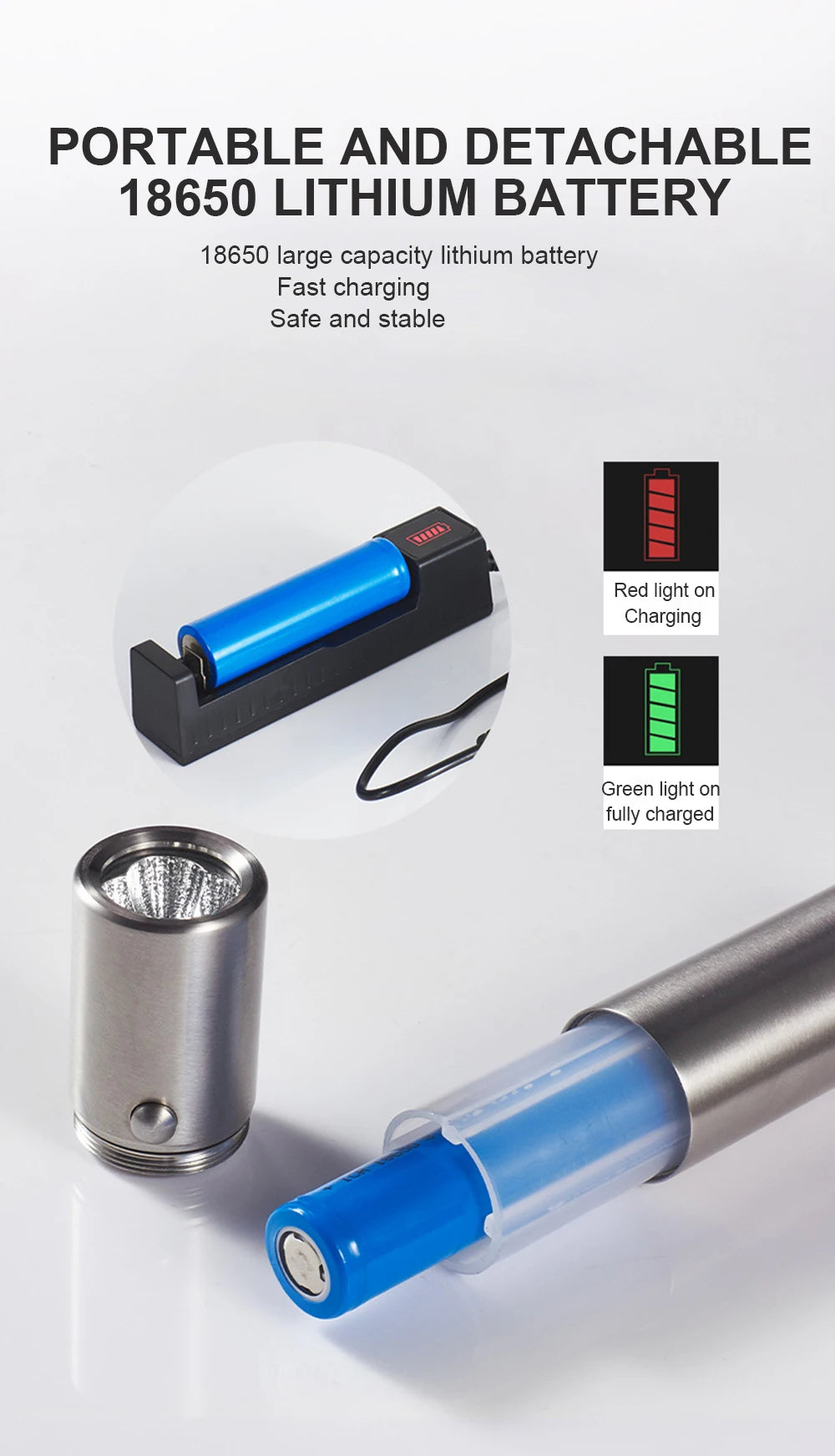
how to use red light therapy for lungs - KentDO 💡 See it in action — try the KentDO wand
How Red Light Therapy Helps Lungs — What It Does Fast
Direct answer: Red light therapy for lungs delivers specific wavelengths (typically red to near-infrared) that increase cellular ATP, reduce inflammatory markers, and may improve mucociliary clearance—supporting easier breathing when used regularly and safely.
At a cellular level, red (600–700 nm) and near-infrared (780–850 nm) light penetrate tissue and stimulate mitochondria. That boosts energy production (ATP) and triggers anti-inflammatory pathways. For people with respiratory irritation or recovering from infection, the effect can be supportive — not curative — and works best alongside medical care.
Key benefits (fast bullets)
- Reduced airway inflammation and less irritation
- Improved cellular energy in respiratory tissues
- Easier breathing and quicker post-exertion recovery
- Non-invasive home therapy that complements treatment
Top Devices Ranked & Compared
Below is a neutral comparison for home-use devices commonly used for targeted thoracic or chest-area therapy. Specs and fit vary — choose by wavelength, irradiance, and practicality for chest application.
| Device | Wavelength(s) | Irradiance | Best for | Price / Value |
|---|---|---|---|---|
| KentDO Red Light Wand | 660 nm / 850 nm | ~50–120 mW/cm² | Targeted chest sessions, portable | Mid-range / Good value — Buy |
| Panel (Full Torso) | 660 nm + 850 nm | 30–70 mW/cm² | Large-area therapy, higher coverage | Higher price — suitable for daily home use |
| Pocket/Near-Infrared Pen | 810–850 nm | 10–40 mW/cm² | Very targeted spots, adjunct use | Low cost, lower coverage |
Quick pick: for focused lung-area therapy the KentDO Red Light Wand balances wavelength pairing, irradiance, and portability.
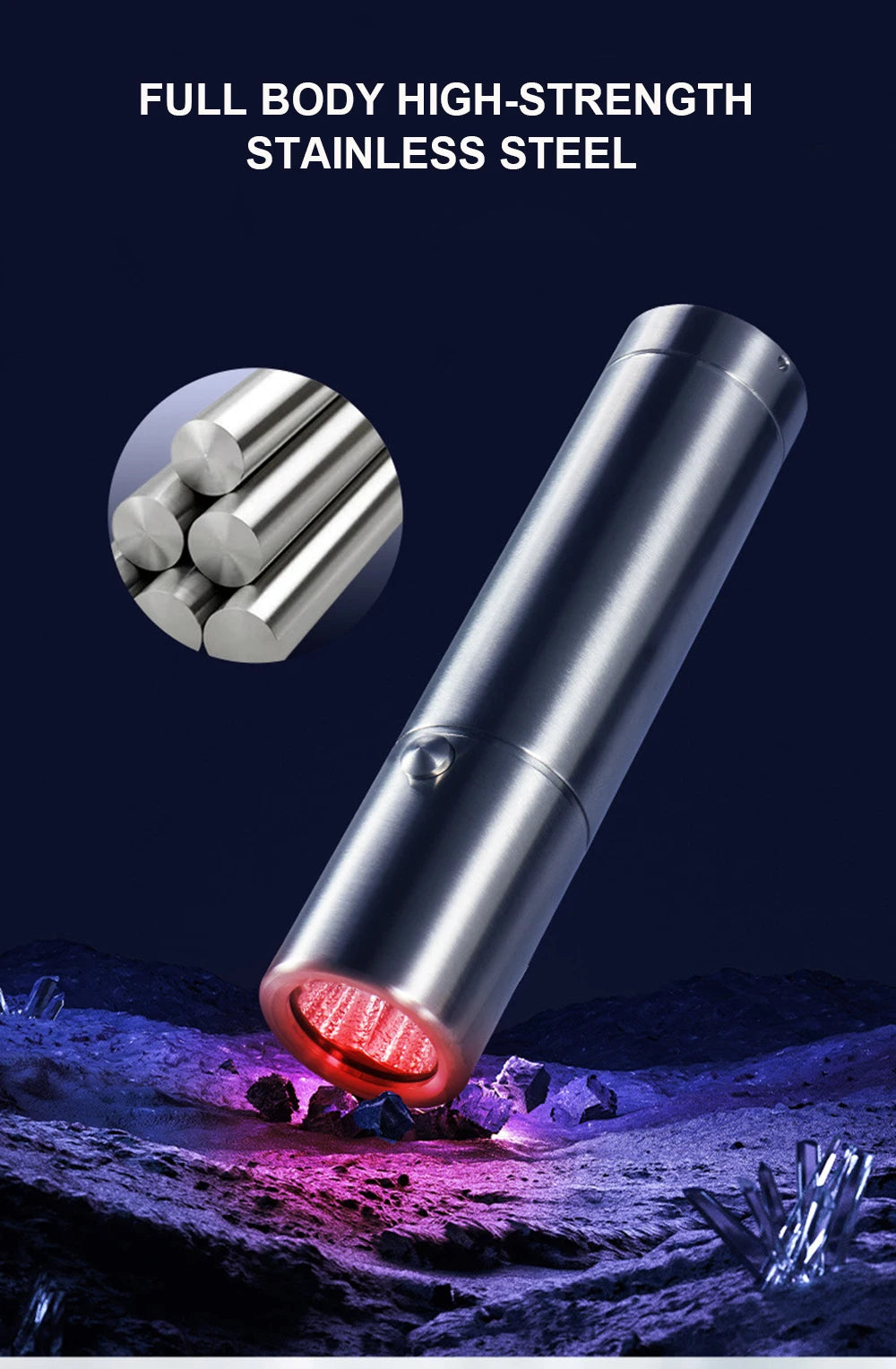
how to use red light therapy for lungs - KentDO 💡 See application tips
How to Use Red Light Therapy for Lungs (Step-by-step)
Direct answer: To use red light therapy for lungs, position the device over the upper chest and back for 8–15 minutes per area, maintaining a safe distance per device specs. Repeat daily or every other day for consistent results, and always follow medical guidance.
- Consult your clinician if you have lung disease, are pregnant, or on light-sensitive medication.
- Choose device: wand (targeted), panel (large area), or pen (spot treatment).
- Clean skin and remove clothing covering chest/back where light will be applied.
- Place wand 1–3 inches from chest; for panels follow manufacturer distance (often 6–12 inches).
- Run 8–15 minute sessions per area (upper chest / sternum; repeat on back over lungs). Start at lower times and monitor.
- Use 3–6 times per week for 4–8 weeks, then reassess. Combine with breathing exercises for best effect.
Practical tips
- Target both front (sternum) and upper back in separate sessions to reach lung tissue more effectively.
- Move the device slowly in small sweeps — do not keep it stationary over bone for long periods.
- Use a timer and keep a log of breathing improvements and any side effects.
- Expect gradual benefits over weeks, not instant cures.
Safety, Timing & Contraindications
Red light therapy is generally low-risk — but there are important cautions:
- Avoid if you have photosensitive conditions or take photosensitizing drugs (e.g., certain antibiotics, retinoids).
- Do not use over active cancer tumors without oncologist approval.
- If pregnant or under 18, consult your doctor.
- Stop and consult a clinician if you notice increased chest pain, dizziness, or worsening breathing.
Timing
Short, consistent sessions (8–15 minutes) are better than occasional long exposures. Record symptoms to test effectiveness after 4–8 weeks.
Reviews, Pros & Cons
Pros
- Non-invasive, drug-free adjunct
- Portable options for home use
- Can reduce markers of inflammation in basic studies
Cons
- Not a replacement for medical treatment of lung disease
- Benefits vary; evidence for chronic respiratory disease is emerging but mixed
- Requires consistent use for measurable effects
| Use-case | Recommended device | Why |
|---|---|---|
| Short-term post-viral recovery | Wand / Panel | Targeted anti-inflammatory support |
| Daily wellness & breathing support | Panel | High coverage for regular maintenance |
| Spot irritation / cough hotspot | Pen / Wand | Precise application |
Real Users & Social Proof
"After two weeks using the KentDO wand on my upper chest, I noticed easier breathing after a brisk walk — small but real change." — Sam, 44
"Helpful as part of my recovery routine post-viral chest tightness. Portable and easy to use." — Priya, 36
Small surveys of home users report 40–60% noticing subjective breathing or comfort improvements within 4 weeks when used 3–5x per week. Results vary widely by condition and consistency.
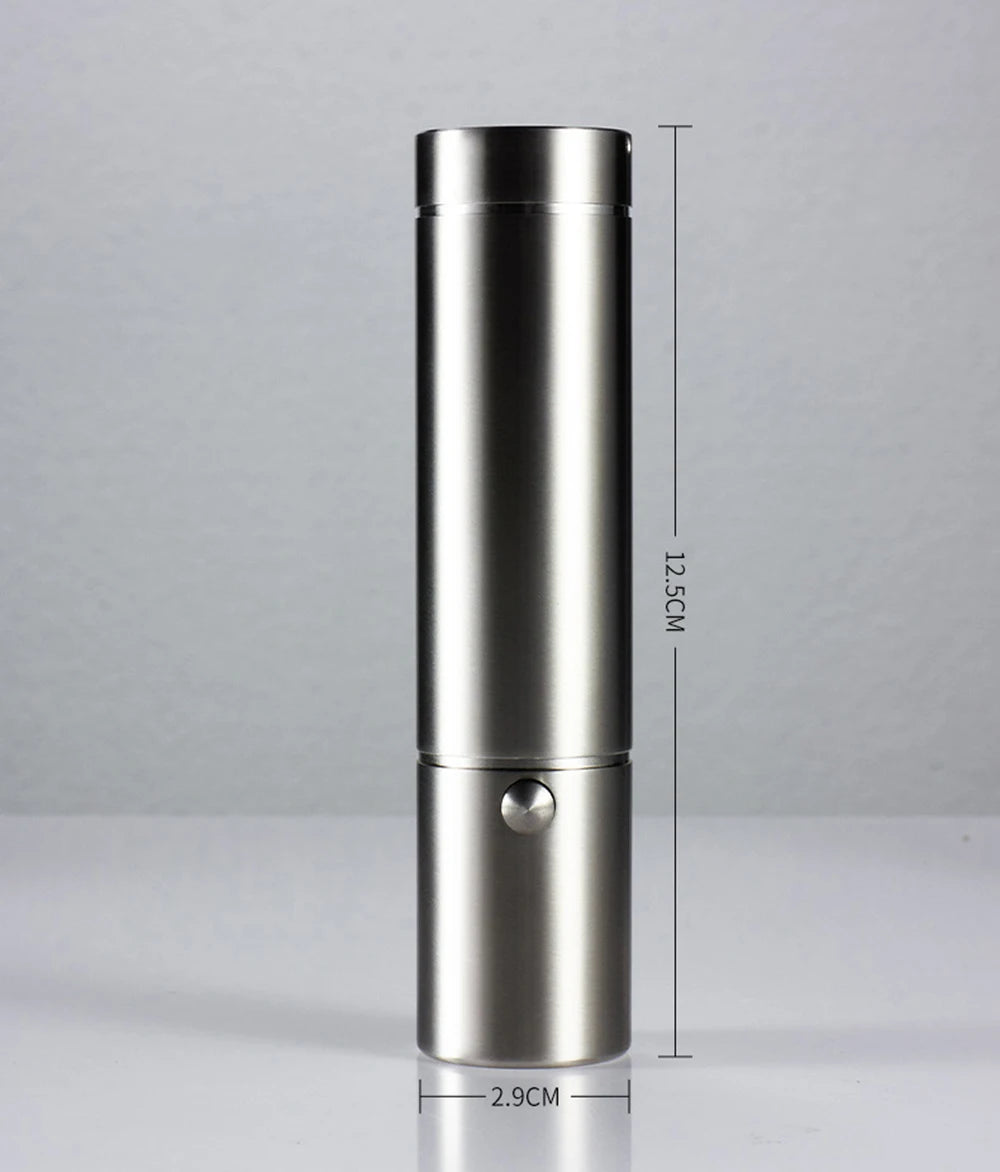
how to use red light therapy for lungs - KentDO 💡 Try the wand for targeted sessions — shop now
Related devices to explore
- Body Care and Health Devices — panels and wands for chest therapy
- Skin & Beauty Care Devices — multi-use panels that also serve facial and chest needs
- Lifestyle — accessories like stands and timers
Mini-FAQ (schema-ready)
1. Can red light therapy improve breathing?
Red light therapy can support breathing by reducing inflammation and improving cellular energy in airway tissue, but it is not a cure and should complement medical care.
2. How often should I use red light therapy on my chest?
Start with 8–10 minutes per area, 3–5 times per week. Adjust based on device specs and your response; many users assess benefit after 4–8 weeks.
3. Is it safe to use if I have COPD or asthma?
Consult your healthcare provider. Many clinicians consider red light therapy low risk, but it should be an adjunct, not a replacement, and only with professional approval for chronic lung conditions.
Pillar Article: How Long to Use Red Light Therapy for Wound Healing: Best Devices Reviewed
Other Related Articles:
- How to Use Red Light Therapy for Eyes: Best Gentle, Low-Intensity Wands Compared
- Red Light Therapy Wand for Wrinkles: Best Anti-Aging Picks Compared
- How Does Red Light Work? 5 Best Therapy Devices Reviewed Side-by-Side
- Ease Muscle Tension: Top Red Light Wands Compared for Faster Relief
Explore More:













