

Does a foot care routine really make a difference?
Yes — a consistent foot care routine delivers measurable softening, fewer cracks, and reduced calluses in as little as two weeks. A focused foot care routine combining gentle cleansing, a natural exfoliant for feet, targeted moisturization, and occasional home foot exfoliation protects skin barrier function while improving comfort and appearance fast.
⏱ 12 min readFoot Care Routine Benefits: Best Practices for Every Skin Type
A smart foot care routine can transform comfort and confidence fast, helping you build a foot care regimen that actually fits your lifestyle while supporting a daily foot care routine that prevents dryness, rough spots, and irritation. With simple swaps like a natural exfoliant for feet and easy home foot exfoliation, you’ll see softer skin with less effort than you think—so what hidden benefits are you missing out on?
Why a consistent foot care routine reduces pain, cracking, and embarrassment — fast
A focused foot care routine supports skin repair, reduces infection risk, and restores comfort. Most people ignore their feet until a visible problem appears; daily attention prevents mild issues from becoming painful ones.
(Curious? Learn which approach fits your lifestyle and skin sensitivity.)
Which style suits you best? Read on!
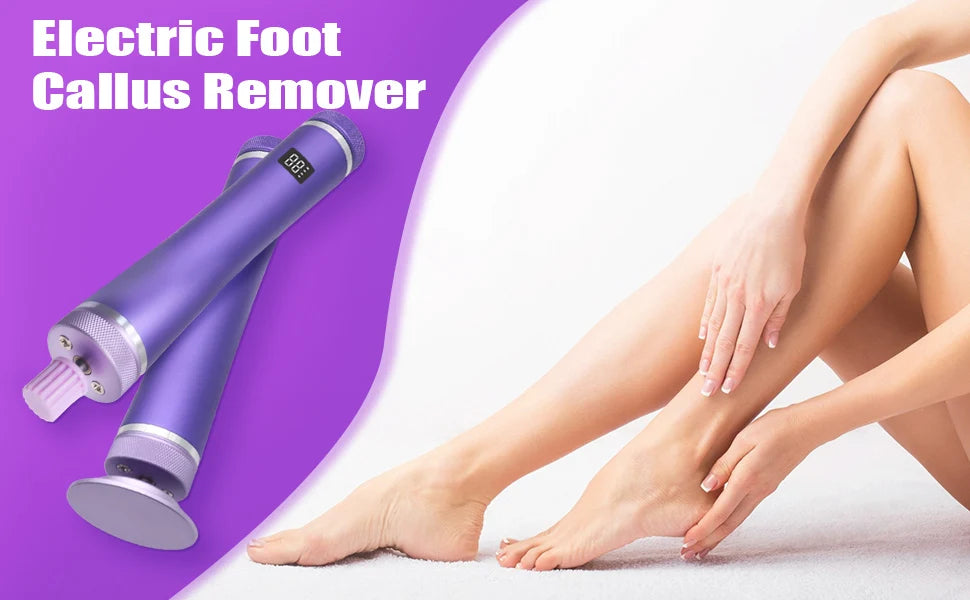
Soften rough heels with a dedicated foot care regimen — 💡 See it in action.
What happens when you neglect feet
- Skin thickens and cracks, increasing infection risk.
- Calluses become painful and interfere with walking.
- Moisture balance breaks down, leading to persistent dryness.
How a short daily foot care routine gives quick, visible benefits
Start with 5–10 minutes daily and you’ll notice smoother texture, reduced flakiness, and softer heels within 7–14 days. The primary benefits are practical and confidence-building.
Immediate benefits (first 2 weeks)
- Less visible dry skin and flaking.
- Reduced tightness and improved comfort when walking.
- Lower risk of painful fissures at heel edges.
- Shoes fit better and last longer due to healthier skin.
Long-term benefits (1+ month)
- Fewer professional pedicure visits needed.
- Reduced chance of recurrent callus formation.
- Sustained improvement in skin barrier and moisture retention.
Build a reliable foot care regimen that fits busy schedules
A simple framework: cleanse → exfoliate (2–3× weekly) → moisturize → protect. Tailor frequencies to skin type: sensitive skin skips aggressive exfoliation; very dry feet benefit from nightly emollient seals.
Daily foot care routine (5 minutes)
- Rinse feet with lukewarm water and a gentle, soap-free cleanser.
- Pat dry thoroughly, especially between toes.
- Apply a pea-sized amount of a hydrating cream to heels and soles; massage into pressure points.
- Wear breathable socks or open footwear at home to let skin breathe.
Weekly additions (15–30 minutes)
- Use a gentle natural exfoliant for feet or a mechanical device for home foot exfoliation.
- Apply a thicker balm or occlusive layer and sleep with socks for overnight repair.
- Check nails and cuticles; address ingrown toenail tendencies early.
Sensitive or reactive skin adjustments
- Patch-test new products on the arch before full use.
- Substitute fragrance-free formulations and avoid aggressive scrubs.
(Practical steps to make a simple routine feel pampering — not laborious.)
Best natural exfoliant for feet: safe, effective options
The most effective exfoliants combine mechanical and chemical approaches: gentle scrubs (sugar, pumice), plus low-concentration AHAs like lactic acid for stubborn thickness.
Top natural exfoliant choices
- Fine pumice or boar-bristle brush: removes dead skin physically without over-stripping.
- Sugar or salt scrub: use once weekly for light smoothing.
- Lactic acid lotion (5–10%): gentle chemical exfoliation ideal for thickened heels.
- Enzyme-based masks: papaya or pineapple enzymes help dissolve dead skin cells.
How to exfoliate safely at home
- Soak feet 5–10 minutes in warm water to soften skin.
- Use the scrub or tool gently — 1–2 passes per area is enough.
- Rinse, towel dry, and apply a rich moisturizer immediately.
| Method | Best for | Frequency |
|---|---|---|
| Pumice / gentle file | Callused heels | Weekly |
| Sugar scrub | Surface dryness | Weekly |
| Lactic acid cream | Stubborn thickening | 2–3× per week |
How devices and tools match specific foot needs
Home tools can speed results, but matching the device to the problem is essential. Tools are best used as part of a regimen, not a one-off fix.
Tool-match table: Which device for which need
| Need | Recommended approach | Why it works |
|---|---|---|
| Thick calluses | Electric foot file + lactic acid | Mechanical removal plus chemical smoothing |
| Chronic dryness | Occlusive balm nightly | Seals in hydration and repairs barrier |
| Sensitive, reactive skin | Gentle cleansing and enzyme masks | Reduces inflammation while renewing skin |
For many readers, pairing a targeted tool with a simple chemical exfoliant offers the fastest visible change.
A practical weekly step-by-step program for visible improvement
Follow this 4-week plan to reduce heel cracks and smooth thick patches. Track progress with photos once per week.
Week 1 — foundation
- Establish the daily 5-minute routine (cleanse, moisturize).
- Introduce a gentle sugar scrub one evening.
- Wear breathable socks and avoid long barefoot walking on hard surfaces.
Week 2 — accelerate
- Use a pumice or an electric device for targeted callus smoothing once this week.
- Begin a lactic-acid based cream twice weekly for stubborn areas.
- Apply a thick balm and sleep with socks twice this week.
Week 3 — maintain
- Reduce mechanical exfoliation to once weekly if skin is improving.
- Keep moisturizing daily and use emollients nightly where needed.
Week 4 — refine & protect
- Assess the need for professional care for deep fissures.
- Adopt maintenance frequencies that fit your skin’s response.
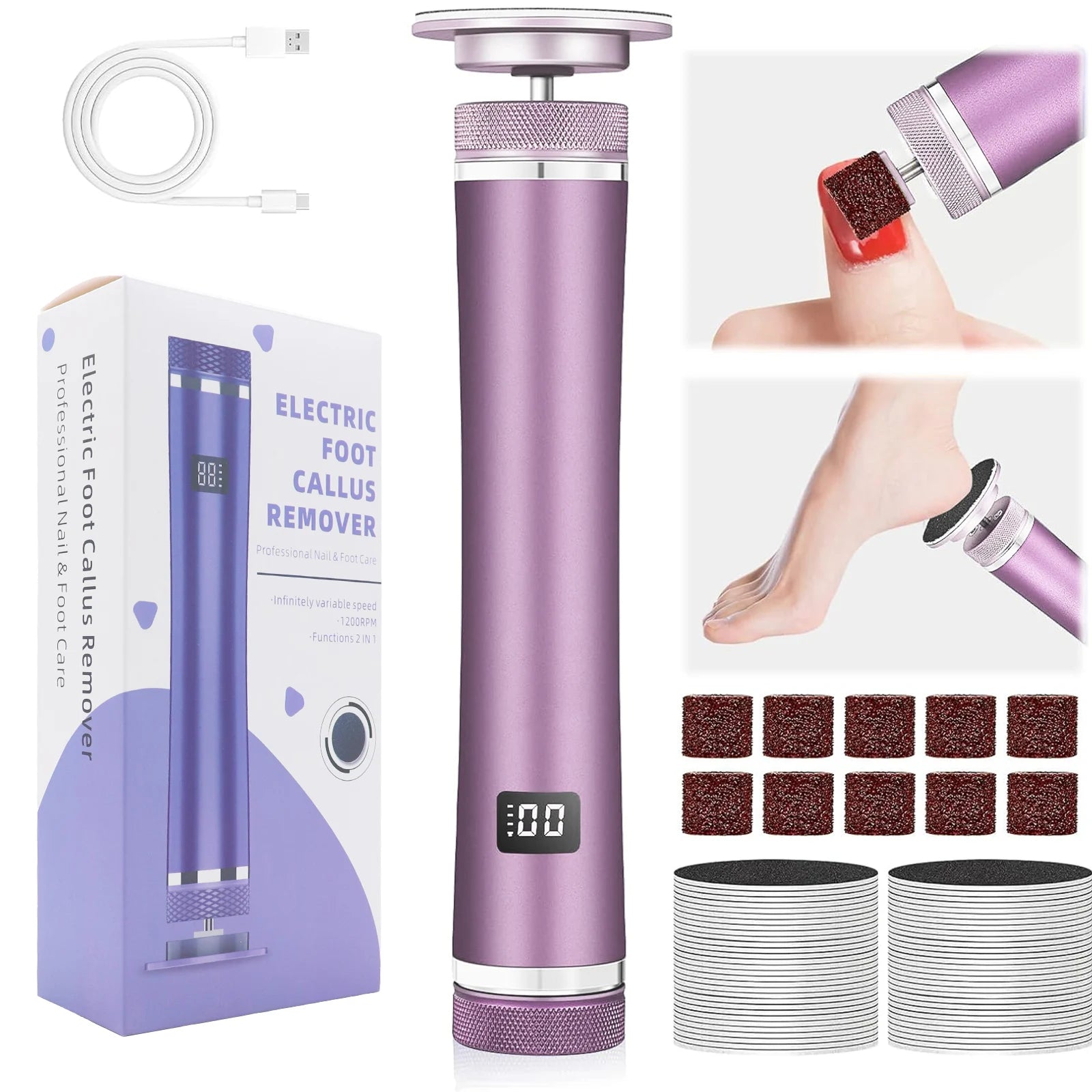
A step-by-step foot care regimen helps protect fragile skin — 💡 See it in action.
Real users: before & after stories that prove the method
Case study: Angela, 42 — desk job + weekend running
Problem: cracked heels and painful calluses after long runs. Approach: nightly occlusive balm, once-weekly electric file session, gentle lactic acid cream twice weekly. Result: Within three weeks, pain decreased and heels appeared visibly smoother; Angela reduced pedicure frequency from monthly to every two months.
Case study: Maria, 29 — dry skin, sensitive type
Problem: red, reactive skin with flaky patches. Approach: swapped fragranced creams for fragrance-free, enzyme mask once weekly, no mechanical filing. Result: Reduced redness and flaking within two weeks; smoother texture without irritation.
“I never realized how much my heels affected my confidence — three weeks into this routine, my shoes felt better and I stopped hiding my feet.” — Real user
What these stories teach us
- Consistency beats intensity — regular gentle care wins.
- Match the method to sensitivity and the specific problem.
- Tools accelerate progress when used correctly.
Compare options: pros and cons of popular foot care methods
| Method | Pros | Cons |
|---|---|---|
| Manual pumice | Low cost, gentle control | Time-consuming for severe calluses |
| Electric foot file | Faster results, consistent finish | Needs proper technique to avoid over-filing |
| Chemical exfoliants (AHA) | Targets thickness at root, long-lasting | May irritate very reactive skin if overused |
Quick decision guide
- If you want fast, even results: consider a device + chemical plan.
- If you have sensitive skin: prioritize enzyme masks and hydration.
- If you have deep cracks: seek professional input if fissures are bleeding or persist.
Common mistakes that set back progress (and how to fix them)
- Over-exfoliating: too much filing creates raw areas; fix by reducing frequency and using soothing balms.
- Skipping hydration: exfoliation without moisture worsens dry skin; always apply moisturizer immediately after.
- Using harsh soaps: choose gentle, pH-balanced cleansers.
- Not protecting feet: footwear and sock choices matter—choose breathable materials.
How this product fits into your foot care regimen
A targeted electric foot file speeds removal of hardened skin and pairs well with a lactic acid cream for a smoother result. When used as directed in a consistent foot care routine, it reduces thick calluses and promotes softer heels without frequent salon visits.
Where to use it in your routine
- Soak or soften feet first.
- Gently use the device on problem zones once a week.
- Follow with a moisturizing and barrier-repair balm.
See the product details and purchase options here: Electric Foot File Pro.
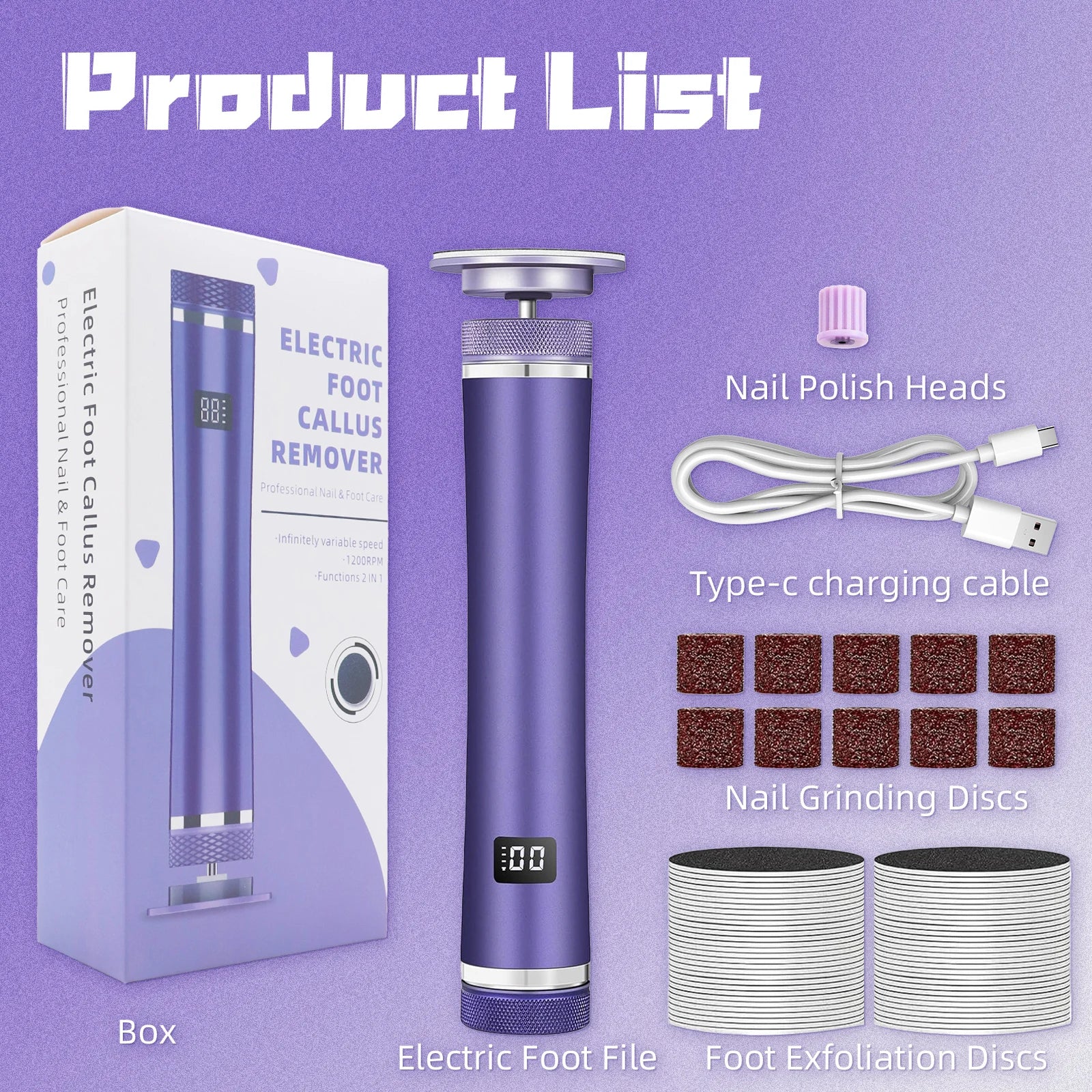
Use targeted tools with a consistent foot care regimen — 💡 See it in action.
Pairing suggestions
- For stubborn calluses: electric file → lactic acid cream → occlusive balm overnight.
- For maintenance: weekly gentle scrub → daily moisturizer.
Browse related categories to build a complete at-home kit: Body Care and Health Devices, Skin and Beauty Care Devices, and Beauty & Self-Care Blog.
(Fast shipping and easy returns.)
How to track results and know it's working
Use simple metrics: photos once weekly, pain scale for walking comfort, and skin texture checks (run a finger along the heel to feel for rough patches).
When to seek professional care
- If cracks are deep, painful, or bleeding.
- If you have diabetes or circulatory problems — consult your healthcare provider before aggressive home treatments.
Mini-FAQ
How often should I exfoliate my feet?
Most people benefit from gentle exfoliation once weekly; those with thick calluses can do controlled mechanical removal once every 1–2 weeks. Always follow exfoliation with hydration.
Can I use the same products if I have sensitive skin?
Yes — choose fragrance-free formulas, avoid harsh scrubs, and prioritize enzyme or low-concentration chemical exfoliants. Patch test first and reduce frequency if any irritation appears.
Is an electric file necessary?
Not necessary for everyone. It speeds results for thicker calluses and helps maintain a smooth finish, but a consistent manual routine also delivers strong improvements over time.
Related Articles:
- Remove Thick Heel Skin Safely: Best Methods for Deep Callus Build-Up
- Dry Cracked Heels Remedy Guide for Busy Women Who Need Fast Relief
Pillar Articles:













