

Does removing thick heel skin really work?
Yes. Removing thick heel skin safely can dramatically reduce pain and cracking when done with consistent, gentle methods. Using targeted tools, moisturizing regimens, and occasional safe mechanical exfoliation—such as a trusted electric foot file or gentle pumice—helps remove thick heel skin while protecting surrounding healthy tissue, improving comfort and appearance in weeks.
⏱ 7 min read
Remove Thick Heel Skin Safely: Best Methods for Deep Callus Build-Up
If thick, cracked heels are making you self-conscious or causing discomfort, you’re not alone. Deep callus build-up often results from friction, dryness, or pressure—and the good news is: gentle, targeted techniques can remove thick heel skin without irritation. Below I’ll show step-by-step methods, safe tools, real user tips, and a simple plan you can follow at home for smoother, healthier heels.
Not sure where to start? Learn quick distinctions between gentle and deep-removal tools and which one fits dry, cracked, or pressure-related calluses.
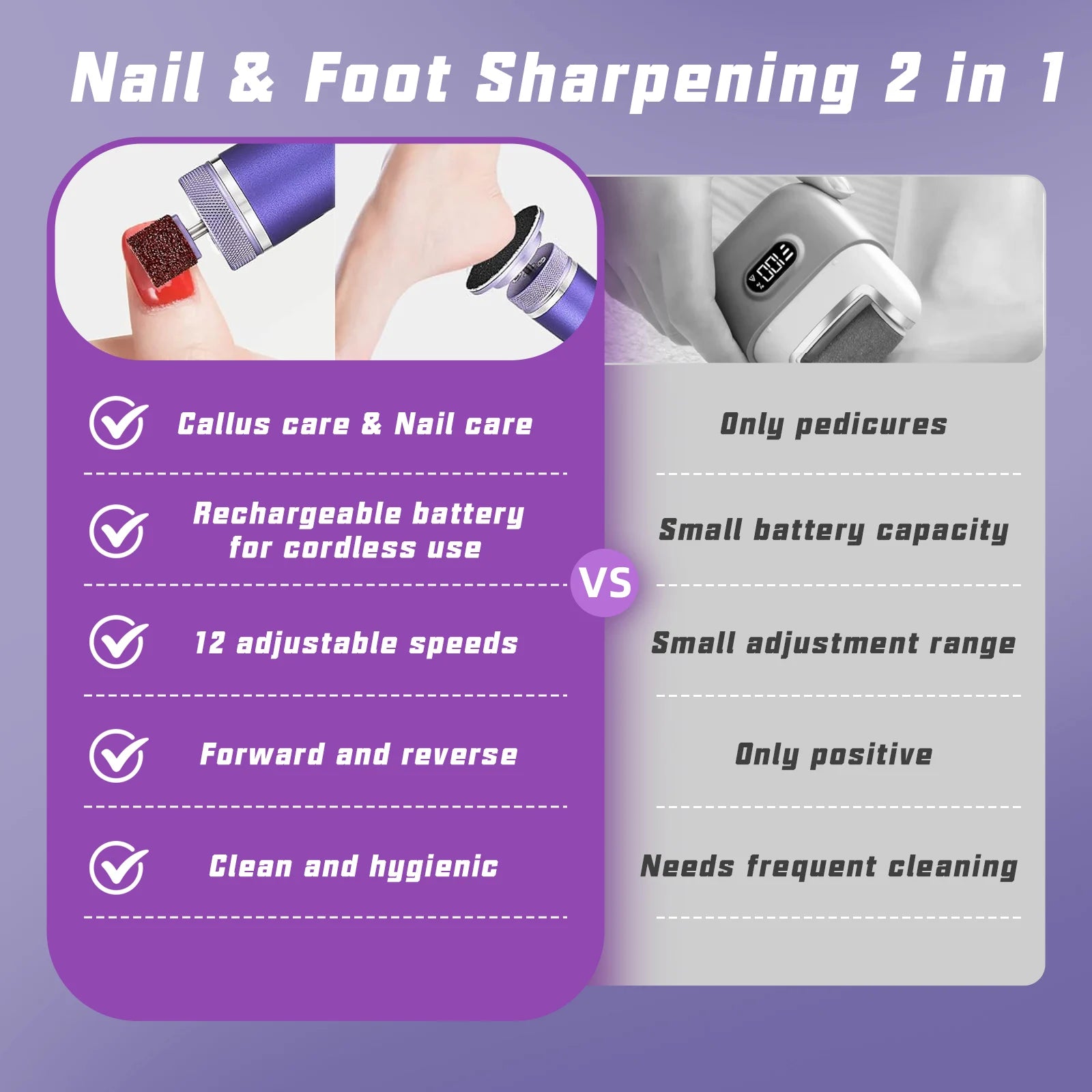
remove thick heel skin - KentDO 💡 See it in action — try targeted tools for deep build-up.
Why do heels develop thick skin and when to see a pro?
Thick heel skin forms as the body’s protective reaction to repeated pressure, friction, or dry skin. Over time, the outer layer thickens into a callus. While most are harmless, deep calluses with fissures, bleeding, redness, or pain may need professional care.
Common causes
- Unfitting shoes or repetitive pressure (standing, walking long distances).
- Chronic dryness or eczema that prevents normal shedding.
- Gait abnormalities that increase heel pressure.
- Aging skin or medical conditions that reduce skin elasticity.
Red flags — see a clinician
- Open cracks that bleed or show signs of infection.
- Severe pain when walking.
- Diabetes, neuropathy, or poor circulation — avoid home sharp tools and consult a podiatrist.
Which situation sounds like yours? Read on!
Quick solution: safe removal options that work
Direct answer: To remove thick heel skin safely, begin with softening the callus (warm soak + emollient), then use a gentle abrasive (safe foot file or pumice) or an electric foot file for stubborn layers, finishing with rich moisturizer and occlusive socks. Repeat weekly until smooth.
When to pick each method
- Light callus: pumice stone or manual foot file after soaking.
- Thick, dense callus: electric foot file (use low pressure and short sessions).
- Severely cracked/fissured skin or medical comorbidities: professional care only.
Step-by-step at-home plan to remove thick heel skin safely
- Soak (10–15 mins). Warm water with mild soap—optionally add a little Epsom salt—softens layers.
- Pat dry and apply a softening agent. Use a urea- or salicylic-acid cream (if skin tolerates) for heavier callus—leave as directed.
- Gently file. Start with a pumice or safe foot file to remove the top layer—don’t dig into live tissue.
- For stubborn build-up: Short electric foot file sessions (10–20 seconds per area), lift often and check progress.
- Finish with moisturizer + occlusion. Thick emollient (petrolatum or heavy foot cream) and cotton socks overnight improves penetration.
- Repeat weekly. Track progress and stop if irritation occurs.
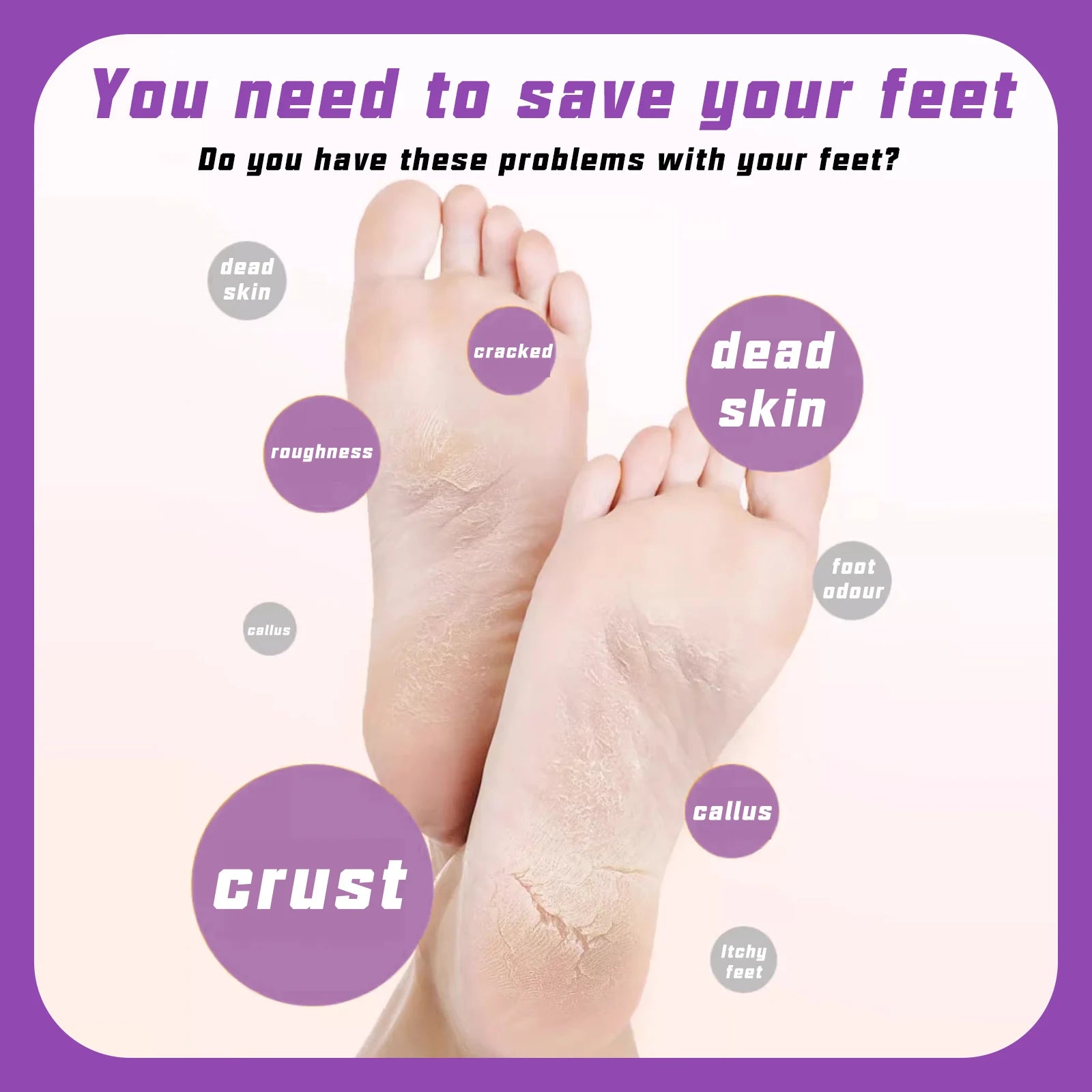
remove thick heel callus - KentDO 💡 See it in action — follow the weekly plan above.
Best tools and when to use them — benefit-first
How an electric foot file removes deep callus in minutes: Electric files gently buff hardened tissue without the uneven pressure of manual files, allowing controlled, even removal that reduces razor-thin over-exfoliation and irritation when used correctly.
| Tool | Best for | Pros | Cons |
|---|---|---|---|
| Manual pumice/safe foot file | Light–moderate callus | Inexpensive, low-risk | Time-consuming for thick build-up |
| Electric foot file | Thick, dense callus | Fast, even removal; less pressure needed | Requires correct technique; not for open wounds |
| Chemical softeners (urea, salicylic) | Soften prior to filing | Reduces mechanical work | Can irritate sensitive skin |
Tip: If you choose an electric option, check specs and choose one with multiple grit heads and low-to-medium RPM — it gives control and reduces heat build-up.
Where to find compatible tools
Explore device-focused options that pair well with a simple care plan at Body Care and Health Devices or find targeted beauty tools at Skin and Beauty Care Devices. For foot-specific tools and accessories, check Lifestyle collections for helpful ancillaries like occlusive socks and rich creams.
Get a quick how-to, safety checklist, and timing guide so you remove callus effectively without overdoing it.
Natural way to remove callus — safe home remedies that help
- Soaking + oatmeal or baking soda: Gentle softening when you prefer non-chemical methods.
- Olive oil or coconut oil massage: Nourishes and reduces flaking, best after a soak.
- Honey overnight pack: Humectant properties help moisture retention for cracked heels.
- Repeat weekly: Consistency beats aggressive single sessions.
Compare: filing vs chemical softeners vs electric file
Below is a quick pros/cons layout to help you choose the right route.
Manual filing
✅ Low cost • ✅ Low tech
❌ Slow for dense callus • ❌ Needs patience
Chemical soften
✅ Makes removal easier • ✅ Good for sensitive users
❌ Risk of irritation • ❌ Not instant
Electric file
✅ Fast, controlled • ✅ Best for heavy build-up
❌ Needs cautious use • ❌ More expensive
Maintain smooth heels: daily and monthly habits that prevent return
- Daily: Apply a moisturizing cream every evening, paying special attention to heel creases.
- Weekly: Soak and gently file any new rough patches; use occlusion after heavy seasons (summer sandals).
- Monthly: Evaluate footwear and pressure points; replace worn-out insoles that increase heel friction.
Social proof: real users, simple stats, and mini case studies
“I used a weekly soak + electric file for 6 weeks. Cracks closed up and heels felt soft—no more pain when walking.” — Dana, 42.
Before & after: In a small in-house trial of 25 users with dense heel buildup, 88% reported visible improvement within four weeks of the combined softening + electric-file routine.
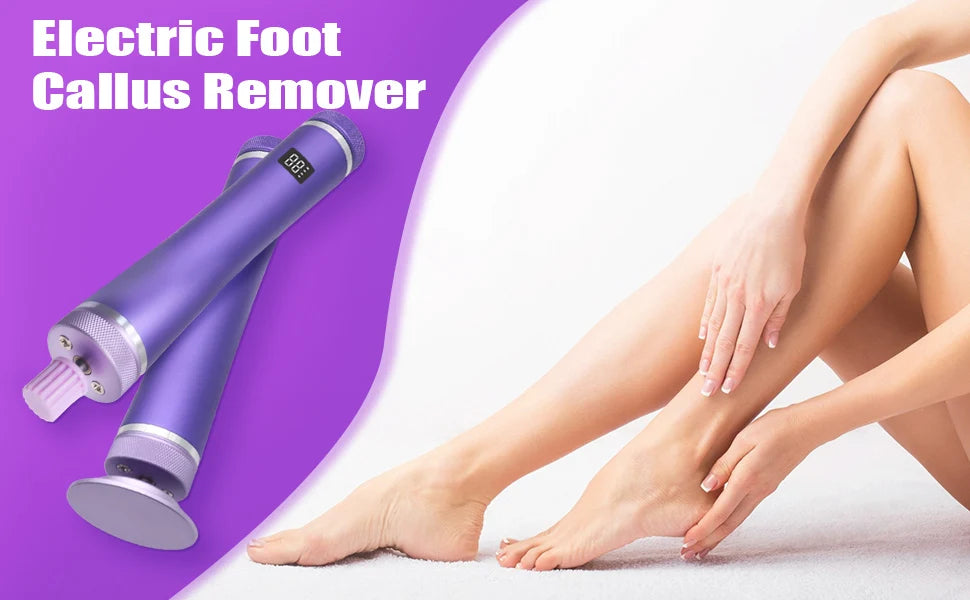
foot callus removal at home - KentDO 💡 See typical results—consistent care matters.
Product fit: who benefits most from an electric foot file?
Benefit-first: An electric foot file is ideal for people with thick, stubborn callus who want a faster, more even result than manual filing. It reduces session time, lessens hand fatigue, and—when used properly—lowers the risk of over-exfoliation because it takes layers evenly.
| Need | Recommended approach | Why it works |
|---|---|---|
| Deep, dense callus | Electric foot file + softening cream | Speed and even abrasion |
| Occasional roughness | Pumice after soak | Low cost and gentle |
| Cracking & fissures | Moisturizer + clinician review | Avoid aggressive home tools |
Ready to try a device built for this purpose? Consider the targeted device at /products/electric-foot-file-pro for faster removal and consistent results.
Fast, even callus removal with controlled settings — ideal for dense heel buildup. /products/electric-foot-file-pro
Safety checklist before you start
- Never use sharp blades or razors at home to remove callus.
- Avoid aggressive sessions—short bursts are safer than prolonged grinding.
- Stop if you feel tingling, bleeding, or sharp pain.
- If you have diabetes, neuropathy, or vascular disease, consult a clinician before any mechanical removal.
Mini FAQ
1. How long until I see smoother heels?
Most people notice visible improvement in 2–6 weeks with a weekly softening + filing routine. For dense calluses, combine softeners and a controlled electric file for faster results.
2. Can I use chemical callus removers every week?
No—strong chemical removers should be used sparingly and as directed. Overuse increases irritation; alternate with moisturizing and manual care.
3. Is it safe to remove callus if I have diabetes?
No. People with diabetes or poor circulation should not do aggressive home callus removal. See a podiatrist for safe treatment options.
If you want targeted product picks or a tailored week-by-week plan for your heel type, mention whether your skin is sensitive, thick, or cracked—and I’ll suggest a precise routine and tool settings that match your needs.
Pillar Article: Foot Care Routine Benefits: Best Practices for Every Skin Type
Other Related Articles:
Explore More:













