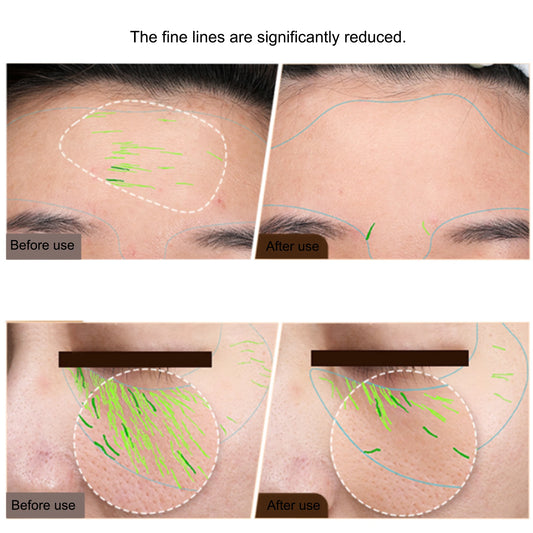
Does LED therapy really help reduce facial wrinkles?
Answer: Learning how to reduce facial wrinkles with LED therapy shows real improvement in skin tone and fine lines when used consistently; red and near-infrared light stimulate collagen and cellular repair, while blue light helps reduce inflammation—combined steps produce firmer, smoother skin in weeks with regular home use.
⏱ 18 min readHow to Reduce Facial Wrinkles Step-by-Step With LED Therapy
If you're tired of expensive treatments that give minimal results, you’re not alone. Many readers ask: how to reduce facial wrinkles effectively at home without invasive procedures? This guide gives clear, step-by-step LED therapy routines, practical product use, and supportive habits that produce visible smoothing, firmer skin, and renewed confidence.
Why LED Works: Fast Benefits for Lines & Texture
LED therapy targets the biology of aging: red (630–660 nm) and near-infrared (800–850 nm) light penetrate skin layers to stimulate fibroblasts, increase collagen production, and improve microcirculation. That cellular boost reduces the depth of fine lines and improves skin texture over consistent use.
Quick answer: How to reduce facial wrinkles
How to reduce facial wrinkles? Use a consistent LED routine focused on red and near-infrared light, combined with gentle lifting massage, collagen-supporting serums, sun protection, and healthy sleep — daily or several times weekly sessions, plus supportive habits, deliver the best, lasting improvement.
how to reduce facial wrinkles - KentDO 💡 See it in action — try gentle LED steps now.
Step-by-step LED setup and weekly routine
Below is a clear, ordered home protocol you can start tonight. Follow each step closely for consistent results and avoid shortcuts that reduce efficacy.
- Assess skin and set realistic goals. Note fine lines, texture, and areas of concern (brows, forehead, smile lines, neck). Take baseline photos under the same light.
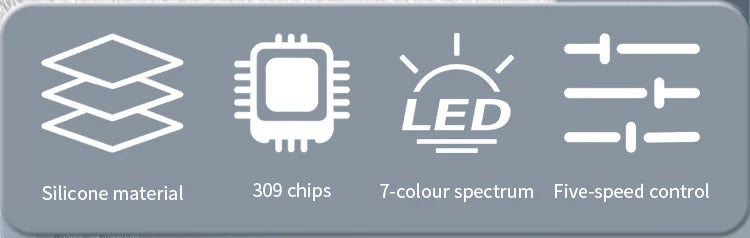
- Choose the right device and wavelength. Prioritize devices that offer red (630–660 nm) and near-infrared (800–850 nm) modes for wrinkle reduction; use shorter blue sessions only for acne/inflammation. For a practical home choice, consider a mask-style device for even coverage. (Product example listed later.)
- Cleanse thoroughly. Remove makeup, SPF, and oil with a gentle cleanser; pat skin dry. No heavy oils or occlusive creams before the session.
- Position & time the session. Wear the mask according to fit instructions; typical red/NIR sessions run 8–20 minutes depending on device intensity. Start with 2–3 sessions per week, then progress to 4–5 weekly once tolerated.
- Target specific zones. Use 8–12 minute passes on the forehead, cheeks, and neck separately if device intensity is lower; keep consistent distance if device requires it.
- Apply supportive serums and sun protection. Immediately after, use a collagen-supporting serum (peptides, vitamin C, hyaluronic acid) and in the morning apply broad-spectrum SPF 30+ daily.
- Track progress. Photograph every 2–4 weeks and journal changes in firmness and line depth.
Treatment frequency and dosages
- Begin: 2–3 sessions per week, 8–12 minutes per session.
- Maintenance: 3–5 sessions per week, 10–20 minutes depending on device energy.
- Program cycles: 12-week cycles show measurable collagen improvements in studies and user reports.
Quick comparison: at-home vs in-office
| Feature | At-home LED mask | Professional LED / in-office |
|---|---|---|
| Intensity | Moderate — safer for daily use | Higher — fewer sessions, higher cost |
| Cost | One-time device purchase | Per-session fees |
| Convenience | High — at-home scheduling | Lower — appointments required |
| Results timeline | 4–12 weeks consistent use | 2–8 weeks with higher intensity |
| Ideal for | Daily maintenance, early-stage lines | Faster remodeling, deeper wrinkles |
Real results, testimonials, and evidence
Users report smoother skin, reduced fine-line severity, and better texture after consistent use. Example: in-home users who used red + NIR 4 times weekly for 12 weeks reported visible firming and softer creases around the mouth. Clinical trials of photobiomodulation show increased collagen density and reduced wrinkle depth in controlled settings.
Mini case study
One user (age 48) documented progress with weekly photos — after 8 weeks of 12-minute red/NIR sessions, nasolabial lines appeared softened and cheek firmness improved. She combined LED sessions with nightly peptide serum and daily SPF, highlighting the compound benefit of multi-step care.
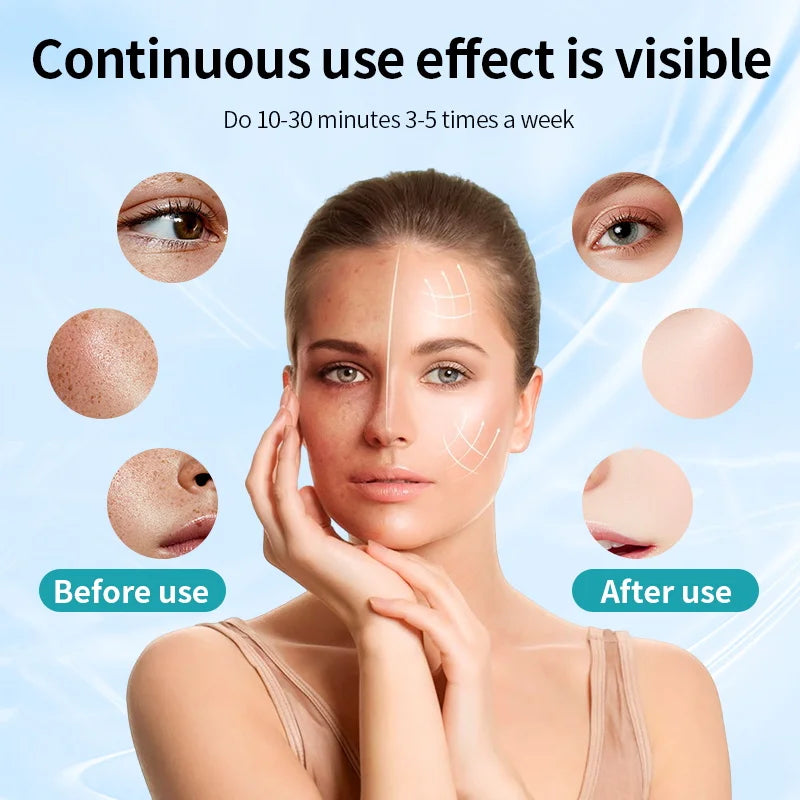
how to reduce facial wrinkles - KentDO 💡 See it in action — consistent use shows improvement.
Pros & Cons: Why people pick at-home LED masks
-
Pros
- Convenient — use at home, no appointments.
- Non-invasive, pain-free, and low maintenance.
- Supports collagen production without downtime.
- Works well with serums and lifestyle changes.
-
Cons
- Requires consistency; results take weeks.
- Lower intensity than professional treatments.
- Some devices can be ill-fitting or heavy.
Common mistakes and how to avoid them
- Skipping baseline photos: Without photos, small gains are hard to appreciate. Always take consistent lighting images.
- Using unsuitable skincare beforehand: Heavy oils or thick creams can block light; cleanse first.
- Expecting instant results: Collagen remodeling is slow; allow 8–12 weeks for measurable change.
- Ignoring sunscreen: Light therapy doesn’t replace sun protection; daily SPF is mandatory.
- Overdoing sessions: More is not always better — follow recommended timings to avoid irritation.
How to use the KentDO mask in your routine
For an approachable, full-face option, the KentDO 7-Color LED Face Mask can fit into your evening routine. It offers red and near-infrared modes for wrinkle targeting and blue for occasional inflammation control. Use red/NIR modes primarily for collagen support.
Example weekly plan using a home mask:
- Monday: Red + NIR — 12 minutes (full face focus)
- Wednesday: Red only — 10 minutes (target crow's feet)
- Friday: Red + NIR — 12 minutes (neck + jawline)
- Sunday: Light maintenance or rest
A consistent schedule helps you see gradual improvements, and the KentDO 7-Color LED Face Mask integrates seamlessly into most skincare routines.
Safety and simple precautions
- Avoid use if pregnant without clinician approval.
- Do not stare directly into LEDs; use masks as instructed.
- Check for photosensitivity if you take light-sensitive medications.
- Stop if you notice persistent redness or irritation and consult a clinician.
Supportive skincare & lifestyle for faster results
LED accelerates cell repair, but chemicals and daily habits determine how collagen is preserved. Combine these habits for noticeable change:
- Daily SPF: Broad-spectrum, SPF 30+ every morning without fail.
- Nightly peptides & retinoid rotation: Use peptides after LED sessions; introduce retinoids gradually (start alternate nights) and avoid combining retinoids immediately before sessions unless cleared by your device instructions.
- Hydration: Hyaluronic acid and topical humectants keep skin plump and soften lines.
- Sleep & stress management: Quality sleep supports natural repair cycles.
- Nutrition: Protein and vitamin C support collagen synthesis.
Which style suits you best? Read on!
If you prefer a hands-free balanced coverage, mask-style devices are ideal. Handheld probes are useful for spot treatment (brow lines, mouth corners). Choose based on coverage, comfort, and schedule.
Device selection checklist
- Has red (630–660 nm) and near-infrared (800–850 nm) modes.
- Even LED distribution for balanced coverage.
- Comfortable fit and secure straps for hands-free use.
- Clear usage times and intensity guidance in the manual.
- Positive user reviews and visible before/after photos from real customers.
For curated device collections and related solutions, explore the Skin and Beauty Care Devices collection or the Body Care and Health Devices collection for complementary tools.
Comparison: Mask vs Handheld (short)
| Mask | Handheld | |
|---|---|---|
| Coverage | Full face | Targeted spots |
| Convenience | Hands-free | Requires manual movement |
| Best for | All-over smoothing | Deep lines or stubborn spots |
Maintenance, monitoring, and expectations
Keep a simple log: date, mode (red/NIR), minutes, and any skin notes. Reassess at 4-week intervals and compare photos. Expect gradual improvements in texture within 4–6 weeks and collagen strength changes around 8–12 weeks.
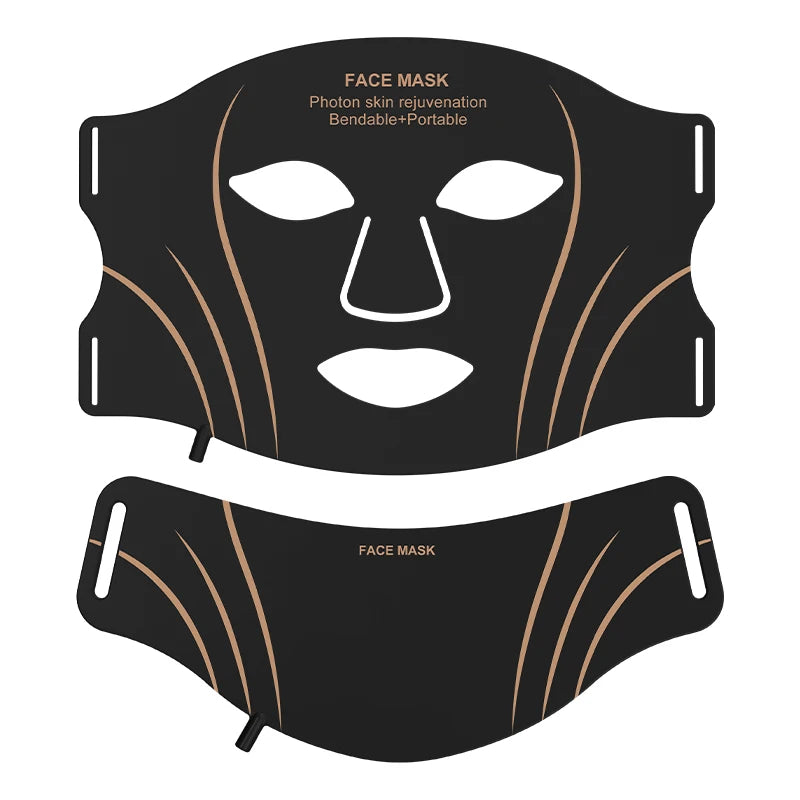
how to reduce facial wrinkles - KentDO 💡 See it in action — limited stock may apply.
Social proof: Real user quotes
"After 10 weeks of consistent LED sessions and the serum plan, my forehead lines look softer and my skin feels plumper." — Maria, 52
"No pain, easy to fit into evenings. Friends say I look less tired and my smile lines faded." — Jen, 44
Special scenarios: combining LED with other treatments
If you plan to combine LED with microneedling, chemical peels, or laser resurfacing, consult a licensed clinician. LED is often used as a pre- and post-procedure supportive therapy, but timing and intensity must be coordinated to prevent overstimulation.
Mini-guides: targeted moves & massage to boost results
Adding a short facial massage after LED helps serum penetration and lymphatic drainage. Use gentle upward strokes from jaw to cheekbones, 60–90 seconds per side.
Quick massage sequence
- Start with three deep breaths and hold a pea-sized hyaluronic acid serum.
- Use ring and middle fingers to sweep from chin to ear along jawline, five times.
- Lift from the center of the forehead outward, five passes.
- Finish with gentle circular motions around the eye socket (avoid direct pressure on eyelid).
Clinical evidence & further reading
Controlled studies on photobiomodulation report increases in collagen and reduced wrinkle depth with repeated red/NIR exposure. For further device options and adjunct tools, check Skin and Beauty Care Devices and Hair, Skin & Nai Blog for routine deep dives.
Trust signals: warranties, trials, and return policies
When choosing a device, prefer brands offering clear warranty terms, transparent return policies, and customer support. User reviews with photos and timelines are helpful — look for consistent stories of 8–12 week improvements.
Final push: make a confident choice
If you're ready to add a straightforward, science-friendly tool to your skin routine, a full-face LED mask is a practical way to build nightly repair time into your life. Combine it with peptides, daily SPF, and good sleep for the strongest, long-term improvements.
Mini FAQ (schema-ready)
- How quickly will I see results?
Most people notice improved texture and subtle softening of fine lines within 4–6 weeks; measurable collagen changes are commonly observed after 8–12 weeks of consistent use.
- Can I use LED every day?
Yes — many at-home devices are safe for daily or near-daily use at recommended time intervals. Start with 2–3 sessions per week, then increase if your device instructions allow and your skin tolerates it.
- Do I need special serums after treatment?
Applying a lightweight peptide serum or hyaluronic acid after LED can support repair and hydration; avoid heavy oils that could block light during the session if applied prior.
- Is LED therapy safe with retinoids?
Yes, but schedule retinoid use on alternating nights at first and avoid combining directly before a session if you experience sensitivity. Follow product instructions or ask a clinician for personalized timing.
- Which wavelengths matter most?
Red (630–660 nm) and near-infrared (800–850 nm) are most relevant for collagen remodeling and wrinkle reduction; blue light is reserved for acne/inflammation control.
Closing notes & next steps
Reducing facial wrinkles is a multi-step, realistic process: choose a comfortable LED device, commit to consistent sessions, pair with supportive serums and daily sun protection, and track progress with photos. Small nightly steps compound into meaningful changes.
To explore related solutions and devices that complement an LED routine, visit the Skin and Beauty Care Devices collection or the Body Care and Health Devices collection for tools and accessories that support skin health.
- Best Way to Improve Skin Tone Using LED Light for a Brighter Glow
- Remove Fine Lines at Home With Simple Daily LED Mask Techniques
- How to Tighten Saggy Skin With LED Light: A Beginner’s Routine
- How to Remove Skin Wrinkles on Face Using an LED Mask at Home
- LED Mask Facial Review Comparing Real Results and Long-Term Benefits
- How to Reduce Face Wrinkles for Every Skin Type and Concern
- Red Light Therapy Benefits for Skin Explained With Real Results
- LED Light Therapy for Wrinkles: Best Devices Compared for Beginners
Pillar Article: Not Found
Explore More: