

Does red light therapy really improve skin?
red light therapy benefits for skin: Red light therapy benefits for skin include measurable increases in collagen production, reduced inflammation, and faster repair of sun and age-related damage. With consistent home use (2–5 sessions weekly), many users see smoother texture, reduced fine lines, and calmer redness in 6–12 weeks.
⏱ 18 min readRed Light Therapy Benefits for Skin Explained With Real Results
Wondering why your serums stall out or spa visits feel like short-lived miracles? Red light therapy offers a low-effort, science-backed path to firmer, calmer skin—without daily irritation or harsh downtime. Read on to learn what it does, how fast you'll see changes, and why a targeted device like the KentDO LED mask can make consistent home treatment actually deliver results.
What is red light therapy and how does it help?
Quick answer: Red light therapy uses low-level wavelengths (typically 630–660nm and 810–850nm) to stimulate cellular repair, collagen synthesis, and circulation. It’s non-ablative, painless, and works beneath the skin’s surface to support real structural improvement rather than mask symptoms.
Which results matter most to you—smoother texture, fewer fine lines, or less redness? Read on: this article breaks down the mechanisms, expected timelines, and exactly how a targeted device can produce visible change that compounds with consistent sessions.
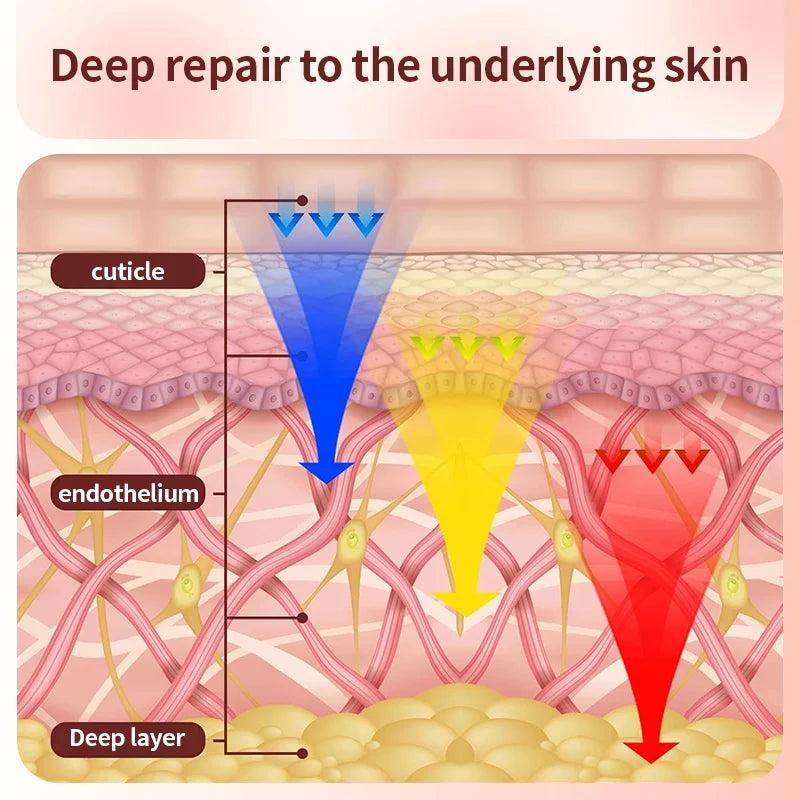
red light therapy benefits for skin — 💡 See it in action with targeted sessions.
How red light works: quick steps to cellular change
The simplest way to understand red light therapy is as 'cellular sunlight' without UV: light penetrates to cells and encourages mitochondria to produce more ATP, the energy currency cells use for repair and renewal.
- Red and near-infrared light penetrate into the dermis.
- Light photons are absorbed by chromophores (primarily cytochrome c oxidase) in mitochondria.
- ATP production increases, giving cells more energy for repair and collagen synthesis.
- Improved microcirculation delivers oxygen and nutrients; inflammation signals decrease.
- Over weeks, collagen and elastin reorganization improves texture and firmness.
How red light therapy benefits for skin — brief evidence-backed summary
red light therapy benefits for skin appear through enhanced collagen, reduced inflammatory markers, and accelerated wound repair. Consistent use supports long-term structural improvements rather than short-lived surface smoothing.
Why a dedicated LED mask delivers better, consistent results
Devices designed for facial use deliver controlled wavelengths, consistent dose, and full-coverage treatment—key variables that separate sporadic light exposure from clinically meaningful outcomes. A properly engineered face mask keeps distance, time, and intensity optimized for skin cells to respond predictably.
Direct answer: red light therapy benefits for skin are most reliable when wavelength, irradiance, and treatment consistency are matched to published protocols—conditions KentDO-style masks are built to meet. Repeatable dose = repeatable results.
red light therapy benefits for skin are most reliable when wavelength, irradiance, and treatment consistency are matched to published protocols—conditions KentDO-style masks are built to meet. Repeatable dose = repeatable results.
| What matters | Why it affects results |
|---|---|
| Wavelength (nm) | Specific cellular absorption peaks around 630–660nm and 810–850nm for collagen and circulation benefits. |
| Irradiance (mW/cm²) | Too low = no effect; too high = heat risk. Consistent, safe irradiance gives measurable change. |
| Treatment time & frequency | Regular sessions (multiple times weekly) compound changes; a single session won’t produce lasting remodeling. |
Top red light therapy benefits for skin — what users notice first
- Smoother texture: Reduced roughness, smaller-looking pores in weeks.
- Visible fine line reduction: Improved collagen support softens expression and age lines.
- Less redness & inflammation: Calms reactive and sensitized skin types.
- Faster recovery: Speedier healing after minor procedures, extractions, or sun exposure.
- More even tone: Helps reduce post-inflammatory hyperpigmentation over time.
- Non-invasive, no downtime: Gentle enough for frequent use and combined with topical care.
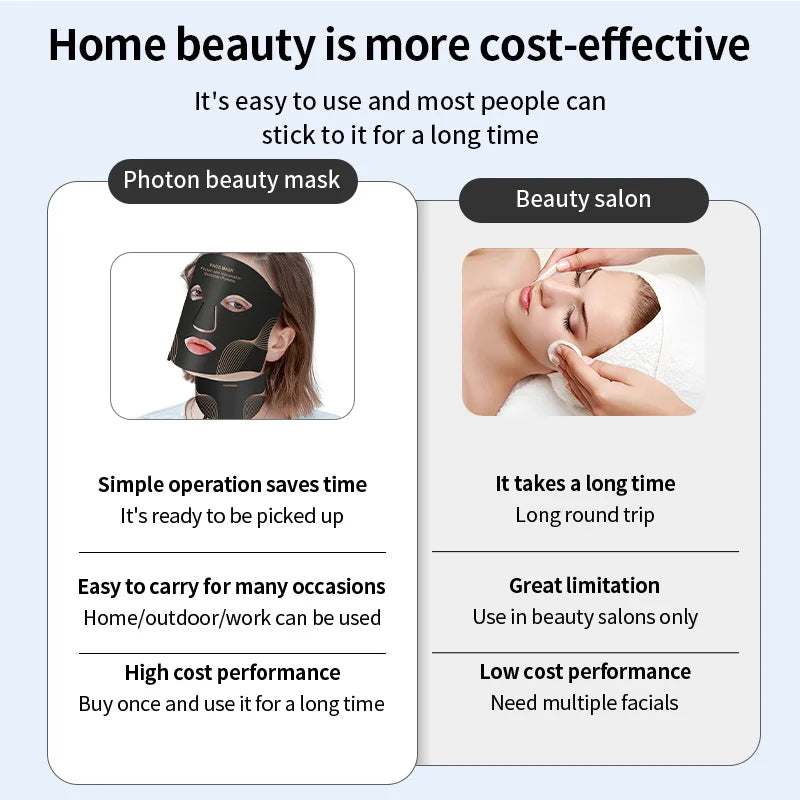
red light therapy benefits for skin — explore device-led routine and results.
How red light compares to serums, chemical peels, and spa treatments
Comparison shoppers often ask: should I keep my retinol, add light therapy, or skip professional treatments? The short answer: many topical and professional treatments work synergistically with red light rather than replacing them.
| Option | Speed | Longevity of results | Downtime/Risk |
|---|---|---|---|
| Red light therapy | Moderate (6–12 weeks) | High with maintenance | Minimal |
| Topical retinoids | Moderate (4–12 weeks) | High while used | Potential irritation |
| Chemical peels | Fast (days to weeks) | Variable | Moderate to high |
| Professional lasers | Fast/targeted | Long | Higher risk, downtime |
Practical takeaway
Think of red light as a supportive backbone: it strengthens and calms tissue, making serums and in-office treatments safer and often more effective. For many users ages 30–60, adding consistent red light sessions reduces the need for frequent aggressive procedures.
How to use red light at home for best results
Basic protocol (evidence-aligned)
- Cleanse: remove makeup and SPF. Light penetrates best on clean skin.
- Position: wear the mask or hold the device at the manufacturer’s recommended distance.
- Session length: most home masks recommend 10–20 minutes per session.
- Frequency: 3–5 sessions per week for the first 6–12 weeks, then 1–2 times weekly for maintenance.
- Combine: apply serums or moisturizers after the session to lock in benefits (no need to layer photosensitizing ingredients immediately before).
Common user mistakes
- Expecting overnight miracles—visible structural changes need weeks.
- Using inconsistent timing—skipping sessions delays results.
- Too-close or too-long sessions—can increase heat without extra benefit.
Protocols: session length, frequency, and how to track progress
To make progress measurable, track skin photos, firmness, and subjective notes on redness or texture every two weeks. A simple log helps you see that the therapy is doing something real.
Suggested tracking template
- Baseline photo (good lighting) + skin concerns list.
- Weekly short notes (energy level, irritation, visible changes).
- Biweekly photos for side-by-side comparison.
| Phase | Frequency | Session length |
|---|---|---|
| Initial (weeks 1–8) | 3–5x weekly | 10–20 minutes |
| Consolidation (weeks 9–16) | 2–3x weekly | 10–20 minutes |
| Maintenance | 1–2x weekly | 10–15 minutes |
Social proof, studies, and user-reported results
Real users commonly report smoother skin texture and less redness within 6–12 weeks when adhering to recommended protocols. Clinical studies show increases in collagen density and decreased inflammatory markers with similar wavelengths and dosing schemes.
User review: “After 8 weeks of regular sessions I finally saw fine lines soften and my skin tone looked more even. No downtime and I can do it while reading.” — L.A., 42
To try results yourself, consider a full-face mask for even coverage and hands-free convenience—this enables consistent sessions without interrupting your routine. See product details and try the KentDO LED mask here: KentDO 7-Color LED Face Mask.
Pros & Cons — quick scan
| Pros | Cons |
|---|---|
| Non-invasive, minimal risk, suitable for many skin types | Requires consistent sessions; results take weeks |
| Supports collagen and reduces inflammation | Upfront device cost vs single spa visit |
| Can be combined with topical products | Some devices vary widely in quality—choose carefully |
Buying checklist: what to look for in a home red light device
- Wavelength coverage: Look for devices that include 630–660nm (red) and 810–850nm (near-infrared) for deeper dermal support.
- Even coverage: Full-face masks reduce the risk of missed areas and inconsistent dosing.
- Safe irradiance: Manufacturer specs should state irradiance or recommended distance and treatment time.
- Comfort & fit: Mask ergonomics matter for regular use; hands-free masks make it easier to stay consistent.
- Reputable brand support: Clear instructions, warranties, and transparent specs are signs of a responsible maker.
- Clinical or user data: Look for before/after images, user reviews, and any published studies or lab testing.
For readers looking for a balanced, full-featured option—see the KentDO mask product page: KentDO 7-Color LED Face Mask. Pair it with complementary devices or products from related categories like Skin and Beauty Care Devices.
Product highlights & related items to consider
Below is a short comparison to help match the right device to the outcome you want:
| Goal | Recommended device type | Why |
|---|---|---|
| All-over skin rejuvenation | Full-face LED mask | Even coverage and hands-free use encourage consistency. |
| Targeted spot repair | Handheld panels | More power to a small area for short sessions. |
| Scalp/facial hair concerns | Wearables with near-infrared | Deeper penetration supports follicles and skin matrix. |
Related collection to explore for cross-sell and accessories: Body Care and Health Devices and Skin and Beauty Care Devices.
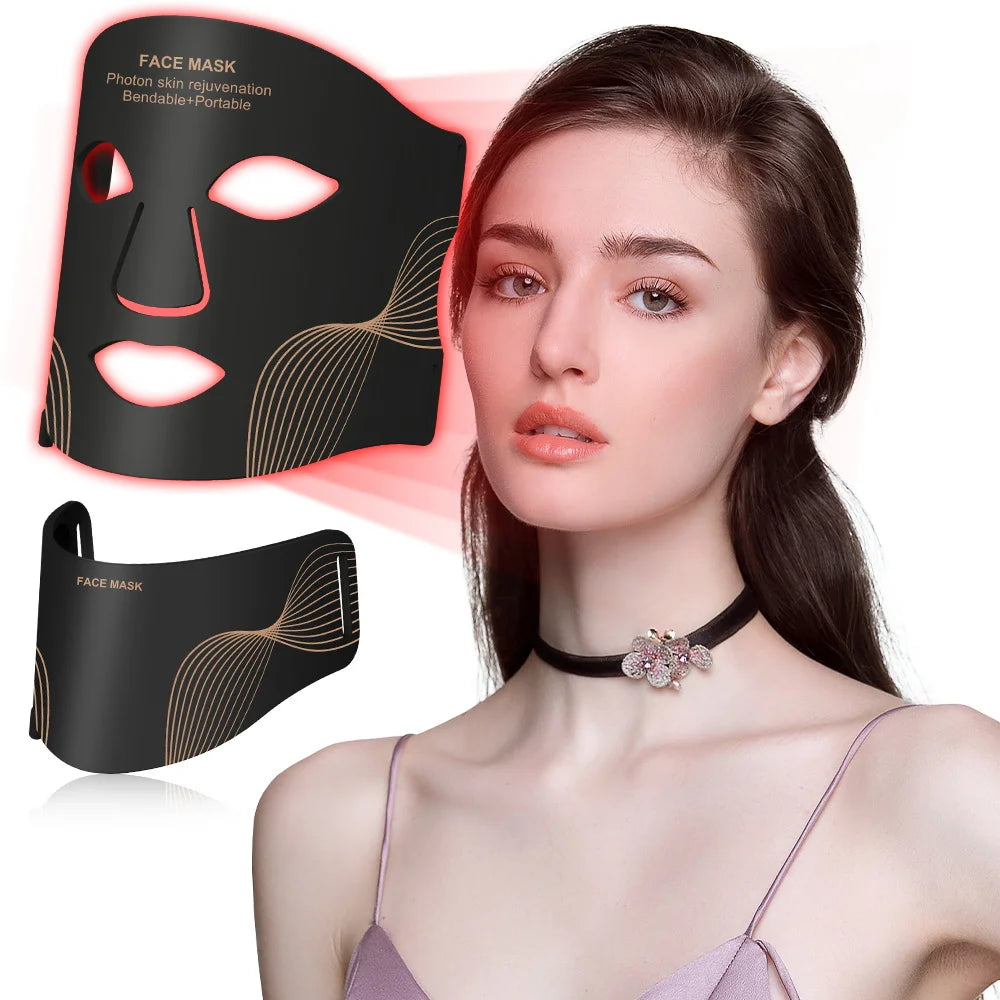
red light therapy benefits for skin — ready to integrate into your nightly routine.
Practical tips to get the most from sessions
- Make it a ritual: pair a mask session with winding-down activities (reading, stretching) to reduce skipped treatments.
- Protect the eyes: follow device guidance for eye protection if needed, or use built-in shielding.
- Layer smartly: apply hydrating serums after sessions to amplify visible softness, but avoid photosensitive actives immediately before light exposure.
- Stay consistent: mark sessions on a calendar to build a habit and capture real before/after comparisons.
Proof, warranties, and what to trust in product claims
Trustworthy devices provide clear specs, user guides, and outcome expectations. Look for:
- Clear wavelength claims and session guidelines
- User testimonials with timeline notes
- Transparent warranty and support policies
To evaluate a purchase, compare device specs to clinical parameters (wavelength and dose). If a vendor cannot clearly state key numbers, that’s a red flag.
Mini case study: 12-week user journey
Baseline: 44-year-old woman with mild photoaging, redness, uneven tone.
Protocol: 15 minutes/day, 4x weekly, combined with nightly moisturizer.
Outcome (12 weeks): Improved firmness, softer lines around the eyes, diminished redness. User-reported: “My skin looked like I’d had a course of regular facials—over time, not instantly.”
Device used: Full-face LED mask with red & NIR wavelengths (example model: KentDO 7-Color LED Face Mask).
Mini FAQ
How long until I see results from red light therapy?
Most users begin to notice textural changes and calmer redness in 6–12 weeks with consistent treatment (3–5 sessions per week). Fine line reduction and collagen remodeling are typically visible in 8–16 weeks.
Is red light therapy safe for sensitive skin?
Yes—when used at recommended doses. Red light is non-ablative and generally well tolerated. If you have photosensitive conditions or take photosensitizing meds, consult a clinician first.
Can I use red light with retinoids and acids?
Yes. Combining therapies often improves outcomes. Avoid using strong chemical peels immediately before sessions; applying gentle hydrating serums after light sessions is a common practice.
Final thoughts and next step
Red light therapy benefits for skin are real when you commit to consistent, protocol-aligned sessions. It’s not a one-time fix, but a low-risk, long-term investment in improving the skin’s structure, tone, and resilience.
Try a full-face mask for even coverage and hands-free sessions—this is the simplest way to make progress without disrupting your life.
Want to learn more about daily habits that complement red light—sleep, nutrition, and topical actives? Combine light therapy with supportive care and track outcomes to see compounding improvement.
Product to consider: KentDO 7-Color LED Face Mask — full-face coverage, multiple wavelengths, and designed for repeatable at-home use. Pair with other tools from Body Care and Health Devices or Lifestyle for a holistic routine.
- LED Light Mask for Face Technology Breakdown for Smoother, Brighter Skin
- LED Light Therapy Benefits That Make At-Home Masks More Effective
- LED Mask Facial Review Comparing Real Results and Long-Term Benefits
- How to Reduce Face Wrinkles for Every Skin Type and Concern
- How to Reduce Facial Wrinkles Step-by-Step With LED Therapy
- LED Light Therapy for Wrinkles: Best Devices Compared for Beginners
Pillar Article: Not Found
Explore More:













