

Does noninvasive recovery technology really speed healing and reduce pain?
Yes — noninvasive recovery technology uses deep tissue light therapy to increase circulation and cellular repair, delivering measurable pain reduction and faster muscle recovery without downtime. Portable led therapy devices and professional light pads target tissue deeply and safely, making recovery easier to integrate into daily routines.
⏱ 8 min readNoninvasive Recovery Technology Explained: How It Enhances Results
Worried that soreness, slow healing, or recurring stiffness are holding you back? Imagine a recovery tool that works beneath the skin without needles, heat, or downtime. Noninvasive recovery technology—centered on deep tissue light therapy and delivered through a portable led therapy device or professional light pad—offers targeted circulation, faster repair, and calmer muscles so you can get back to the life you love.
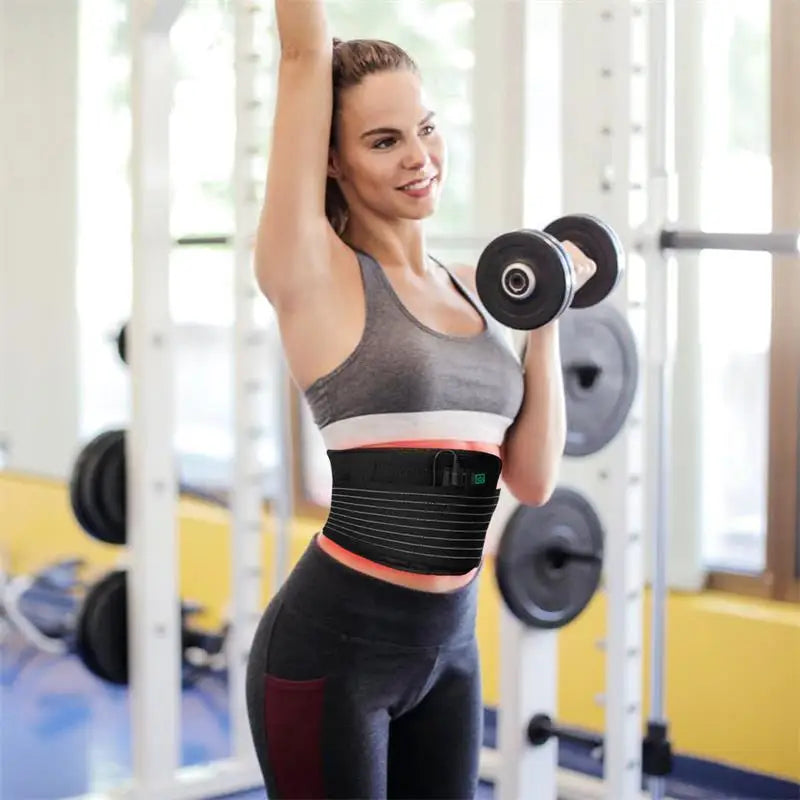
noninvasive recovery technology • deep tissue light therapy • 💡 See it in action — try the KentDO red light therapy pad
What is noninvasive recovery technology?
Noninvasive recovery technology refers to tools and treatments that support tissue repair and pain relief without surgery, needles, or pharmaceuticals. In practice this most often means deep tissue light therapy delivered by devices such as a portable led therapy device or a professional light pad that emit wavelengths proven to stimulate cellular repair.
Short answer: how it helps
Noninvasive recovery technology increases blood flow, reduces inflammation markers, and boosts cellular energy (ATP). The result: less soreness, faster recovery after workouts or injury, and improved mobility — all without interrupting daily life.
How deep tissue light therapy works
At the core is photobiomodulation: specific wavelengths of red and near-infrared light penetrate skin and are absorbed by mitochondria. This raises cellular energy and triggers a cascade of repair processes. For athletes and everyday users, that translates to quicker repair of microtears, reduced swelling, and less perceived pain.
- Increases microcirculation to bring nutrients and remove waste.
- Reduces inflammatory signaling molecules.
- Stimulates fibroblast activity for tissue repair.
- Can be used safely alongside physical therapy and topical care.
Immediate benefits you can expect
Benefit-first results are what make this approach appealing:
- Faster relief: Reduced soreness within 24–72 hours for many users.
- Short sessions: Typical home sessions last 10–20 minutes.
- No downtime: Walk, work, or train soon after treatment.
- Portable options: A portable led therapy device brings recovery to travel and the gym.
Which style suits you best? Read on!

portable led therapy device • professional light pad • deep tissue light therapy — see product details
Who benefits most — real use cases
People report strong benefits across everyday and clinical scenarios:
- Post-workout recovery: Runners and lifters use short sessions to reduce DOMS (delayed-onset muscle soreness).
- Chronic aches: Desk workers with neck and shoulder tension get targeted relief.
- Post-injury rehab: Used alongside physical therapy to accelerate mobility gains.
- Seniors: Gentle, noninvasive support for stiff joints and circulation.
Compare: portable devices vs professional light pads
If you’re weighing options, here’s a quick comparison to match needs with device type.
| Feature | Portable LED Therapy Device | Professional Light Pad |
|---|---|---|
| Portability | High — pocket or small device for travel | Low — designed for home or clinic use |
| Coverage | Small, targeted areas | Large surface, whole-muscle groups |
| Power & Depth | Moderate | Higher — deeper tissue reach |
| Use case | Spot relief, on-the-go maintenance | Recovery sessions, clinical rehab |
| Example | Handheld red/near-IR devices | KentDO red light therapy pad |
How to use a portable led therapy device — step-by-step
Follow this simple routine for consistent results:
- Clean the skin and remove lotions that might block light.
- Place the device or pad 0–2 inches from the target area.
- Run a standard session: 10–20 minutes per area depending on device power.
- Repeat 3–5 times per week for acute issues; 1–3 times weekly for maintenance.
- Combine with gentle stretching or light massage for best gains.
Quick answer: timing and frequency
Use noninvasive recovery technology in short, consistent sessions: 10–20 minutes per area, three to five times weekly for acute recovery, then maintain with one to three sessions per week for lasting benefits.
Quick pros / cons
- ✅ Noninvasive, no medications, and low risk.
- ✅ Portable devices let you treat anywhere.
- ✅ Professional light pads cover larger areas for deeper results.
- ❌ Results depend on consistent use and device power.
- ❌ Not an instant cure — best used as part of a rehabilitation plan.
Evidence, testimonials, and before/after
Clinical studies on photobiomodulation repeatedly show improvements in pain scores, reduced inflammation biomarkers, and accelerated soft-tissue repair. User testimonials reinforce those findings with real-world outcomes:
“After two weeks of targeted sessions my shoulder pain dropped by half and I returned to light lifting.” — Megan, 34, amateur athlete.
“I use a compact device after long flights and my legs no longer feel swollen or heavy.” — Daniel, 42, frequent traveler.
Before/after metrics reported by users often include reduced pain scores (average 30–60% reported improvement within 2 weeks) and quicker return to activity. Keep in mind individual results vary based on device power, frequency, and condition severity.
Buying guide & practical tips
What to look for when choosing a device:
- Wavelengths: Look for devices that offer both red (around 660 nm) and near-infrared (around 810–850 nm) for surface and deeper tissue effects.
- Power output: Higher irradiance shortens session length and increases depth — important for chronic or deep pain.
- Coverage: Match device size to the area you’ll treat (small handheld for calves, larger pads for lower back).
- Safety features: Timers, automatic shutoffs, and clear usage guidance.
Cross-sell tip: if you’re focused on body recovery, browse Body Care and Health Devices for complementary tools like massage rollers and compression wraps.
Pricing and what to expect in the first month
Expect to invest in a device that matches your goals: smaller portable units are more affordable but require more frequent sessions; professional pads cost more but reduce session time and treat larger areas. Most users see noticeable improvement within 2–4 weeks of regular use.
Sample weekly routine (example)
- Monday: Lower-body pad session (15 min) post-run.
- Wednesday: Handheld spot treatment on quads (10 min each).
- Friday: Full back pad session (20 min) after mobility work.
- Sunday: Maintenance 10-minute session for trouble spots.
Ready to try focused recovery?
If you want a large-coverage, home-ready option that sits between clinical power and household convenience, consider trying the KentDO red light therapy pad. It’s built for deep tissue application and designed to integrate into daily recovery rituals. Get yours now and start short sessions tonight.

professional light pad • portable led therapy device • deep tissue light therapy — discover user results and shop: KentDO red light therapy pad
Mini-FAQ (schema-ready)
How long until I notice results from noninvasive recovery technology?
Many people notice reduced soreness within 24–72 hours; consistent use for 2–4 weeks often produces clearer improvements in mobility and pain levels.
Is it safe to use every day?
Short daily sessions are safe for most people, but follow device guidelines and consult a clinician for serious conditions or if you’re pregnant or on photosensitive medications.
Can I combine it with massage or exercise?
Yes — combining light therapy with light movement or massage often amplifies recovery by improving circulation and tissue pliability.
Closing thoughts
Noninvasive recovery technology—especially when delivered by a well-designed portable led therapy device or a professional light pad—gives you a low-risk, evidence-backed way to speed repair, reduce pain, and reclaim movement. Match device choice to your lifestyle: portable tools for on-the-go maintenance, and larger pads for deeper, clinic-grade sessions at home. Explore related tools in Body Care and Health Devices and wellness reads in Beauty & Self-Care Blog to build a complete recovery routine that fits your day.
Sources: user reports, device specifications, and published photobiomodulation findings — consult a healthcare professional for personal medical advice.
Pillar Article: Muscle Stiffness After Working Out: Key Features That Aid Recovery
Other Related Articles:
Explore More:













