
⏱ 7 min read
Do Silk Bonnets Work? Benefits, Hair Science, and Who Should Use One
A silk bonnet may seem like a simple nighttime accessory, but it plays a meaningful role in reducing frizz, tangles, and moisture loss while you sleep. Most overnight hair damage doesn’t happen from products—it happens from friction between hair and pillowcases over several hours. This guide explains how silk bonnets work from a hair-science perspective, who benefits most from them, and whether they are truly worth using. You’ll also learn how they compare with satin and cotton options, how to choose the right one for your hair type, and how to use it correctly for the best results.
Do Silk Bonnets Actually Work? The Short Answer
Yes. Silk bonnets work by reducing friction between your hair and your pillow while helping preserve your hair's natural moisture. They cannot make hair grow faster or repair existing damage, but they can significantly reduce overnight frizz, tangles, breakage, and style disruption when used consistently.
Dermatologists and trichologists generally agree that minimizing mechanical friction helps protect the hair cuticle. Because silk has an exceptionally smooth surface compared with cotton, hair glides across the fabric instead of catching on rough fibers throughout the night.
The Evidence-Based Answer
From a structural standpoint, silk reduces the mechanical stress placed on hair strands during sleep. This makes it especially useful for people with fragile, textured, or chemically treated hair.
What Silk Bonnets Can and Cannot Do
- Reduce friction-related breakage
- Help maintain hairstyles overnight
- Reduce frizz and tangles
- Help preserve moisture already inside the hair
- Cannot regrow hair
- Cannot permanently repair damaged strands
- Cannot replace healthy hair-care habits
How Do Silk Bonnets Work?
The effectiveness of a silk bonnet comes from basic hair science rather than beauty myths. Hair damage during sleep largely occurs because strands repeatedly rub against rough fabrics for several hours every night.
How Silk Reduces Friction While You Sleep
Silk creates a smooth surface that allows hair to glide instead of snagging. This reduces cuticle disturbance and lowers the chance of split ends or breakage caused by nightly movement.
How Silk Helps Reduce Moisture Loss
Cotton absorbs moisture from both your hair and scalp. Silk absorbs far less, helping your hair retain hydration from conditioners and leave-in treatments.
How Silk Protects the Hair Cuticle
The hair cuticle acts as a protective outer layer. When it stays flat, hair looks smoother and shinier. Reduced abrasion helps keep these scales intact.
Learn more about the hair cuticle
Why Overnight Friction Causes Breakage
Repeated micro-friction weakens vulnerable strands over time. This is especially noticeable in fine, curly, color-treated, or chemically processed hair types.
What Does a Silk Bonnet Do for Your Hair?
Reduces Frizz
Less friction means fewer raised cuticles, resulting in smoother and more controlled hair in the morning.
Minimizes Breakage
Hair experiences less pulling and snagging during sleep, which helps reduce mechanical damage over time.
Helps Preserve Hairstyles
Curls, blowouts, braids, and twists maintain their shape longer when protected overnight.
Supports Moisture Retention
Silk helps keep conditioning products and natural oils in the hair instead of absorbing them into bedding.
Learn more about leave-in conditioners
Improves Morning Manageability
With fewer tangles and smoother strands, hair is easier to style with less heat or brushing.
Do Silk Bonnets Work for Every Hair Type?
Curly and Coily Hair
These hair types benefit the most due to their natural dryness and higher friction sensitivity.
Wavy Hair
Helps waves maintain definition and reduces overnight flattening.
Straight Hair
Reduces tangling, static, and helps preserve smooth styles longer.
Fine Hair
Lightweight silk bonnets reduce breakage without adding pressure to delicate strands.
Thick Hair
Larger bonnets help contain volume comfortably without compressing the hair.
Color-Treated Hair
Helps maintain smoother appearance and reduces dryness-related dullness.
Chemically Processed Hair
Bleached, relaxed, or permed hair benefits from reduced nightly stress and friction.
Protective Styles
Braids, locs, and twists stay neater and last longer when protected at night.
Silk vs Satin vs Cotton: Which Is Better?
Real Silk vs Satin
Silk is a natural protein fiber, while satin refers to a weave that can be made from polyester or other synthetic materials.
Do Satin Bonnets Work?
Yes. Satin bonnets reduce friction effectively and are a budget-friendly alternative to silk.
Are Satin Bonnets Good for Hair?
They are significantly better than cotton pillowcases for reducing friction and moisture loss.
Silk Bonnet vs Silk Pillowcase
A silk pillowcase helps when the bonnet slips off, while a bonnet provides full hair coverage and more consistent protection.
Comparison Table
| Feature | Silk | Satin | Cotton |
|---|---|---|---|
| Friction | Very Low | Low | High |
| Moisture Absorption | Low | Low | High |
| Best For | Most Hair Types | Budget Option | Not Ideal for Overnight Use |
Compare silk pillowcases vs bonnets
Sleeping With a Silk Bonnet: Best Practices
How to Wear It Properly
- Gather hair loosely before bed.
- Place bonnet over all hair sections.
- Adjust until secure but not tight.
Common Mistakes
- Wearing a bonnet that is too tight
- Using the wrong size for your hair volume
- Sleeping with soaking wet hair
- Not securing long or thick hair properly
Should Hair Be Wet or Dry?
Slightly damp hair may be acceptable, but soaking wet hair can cause discomfort and scalp irritation.
Can You Wear One Every Night?
Yes. Consistent nightly use provides the best long-term protection against friction damage.
How to Choose the Best Silk Bonnet
Mulberry Silk vs Other Silk
Mulberry silk is considered the highest quality due to its uniform fibers and durability.
Adjustable vs Elastic Bands
Adjustable bands provide a more secure fit without putting pressure on the hairline.
Double-Layer vs Single-Layer
Double-layer bonnets typically offer better durability and stronger overnight protection.
Best Silk Bonnet for Fine Hair
Choose a lightweight design with an adjustable band to prevent slipping and minimize scalp tension.
Hair breakage prevention guide

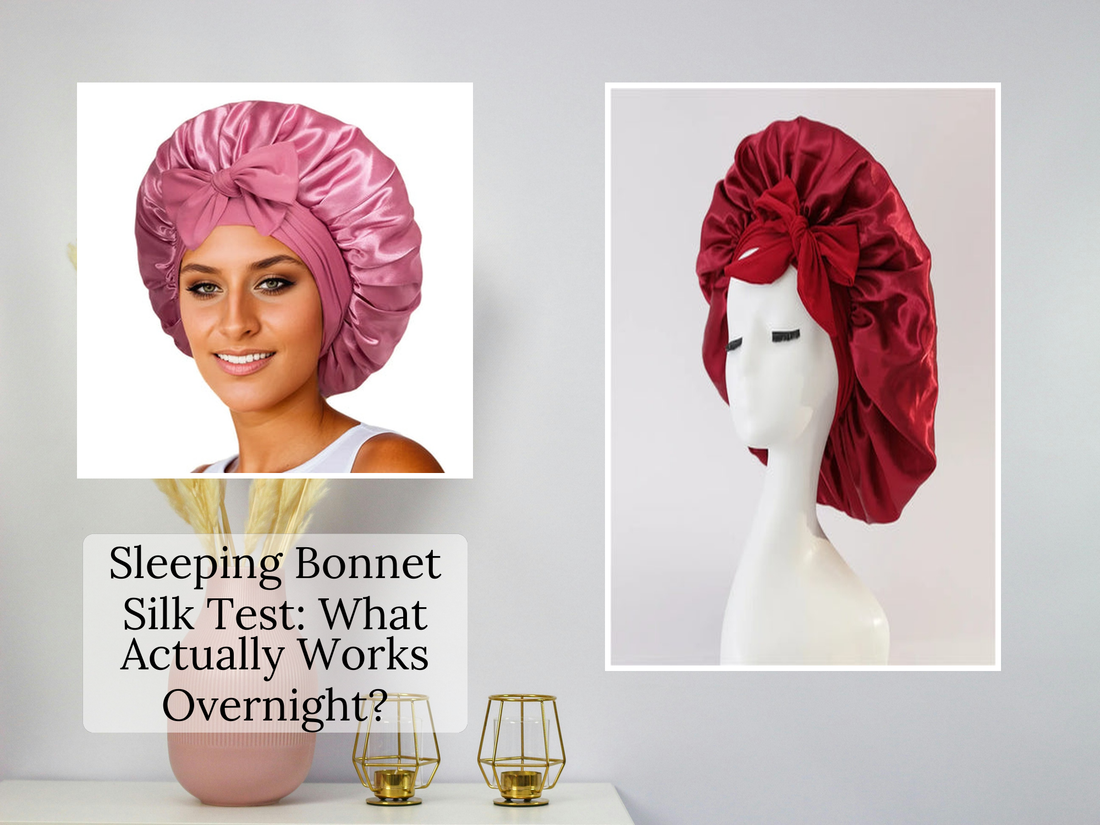
See it in action: sleeping bonnet silk that protects while you rest.
Silk Bonnet Pros and Cons
Pros
- Reduces friction and breakage
- Helps maintain hairstyles overnight
- Improves moisture retention
- Reduces frizz and tangles
Cons
- Higher cost than satin options
- May slip if poorly fitted
- Requires gentle care
- Does not repair existing damage
Who Benefits Most
People with curly, coily, fine, color-treated, or chemically processed hair typically see the most noticeable improvements.
Who May Not Need One
Those with very short hairstyles or already using a silk pillowcase may notice smaller differences.
Caring for Your Silk Bonnet
Washing Instructions
Hand wash with mild detergent or use a delicate machine cycle if allowed by the manufacturer.
Drying
Air dry away from direct heat to protect fiber integrity.
Storage
Keep in a clean, dry place to avoid damage or deformation.
When to Replace It
Replace when the fabric becomes rough, stretched, or loses its smooth surface.
Frequently Asked Questions
Do silk bonnets actually work?
Yes. They reduce friction and help maintain moisture and hairstyles overnight.
Does a silk bonnet really work?
Yes, especially when used consistently as part of a hair-care routine.
What does sleeping with a silk bonnet do?
It protects hair from friction, tangles, frizz, and breakage.
Do hair bonnets work?
Yes. They help reduce mechanical damage caused by cotton bedding.
Do sleeping bonnets work?
Yes. They provide overnight protection against friction-related damage.
Are silk bonnets good for hair?
Yes, they help maintain smoother, healthier-looking hair.
Is silk bonnet good for hair?
Yes, especially for reducing frizz and breakage.
Do satin bonnets work?
Yes, satin also reduces friction effectively.
Are satin bonnets good for hair?
Yes, particularly compared with cotton pillowcases.
Is a silk pillowcase enough?
It helps, but a bonnet provides more complete hair coverage.
Can silk bonnets make hair greasy?
No direct evidence suggests they cause greasiness, but buildup from products can occur if not washed regularly.
Can silk bonnets prevent hair loss?
No. They reduce breakage but do not treat medical hair loss conditions.
Pillar Article: 7 Satin Bonnet Benefits You Didn’t Know You Needed
Other Related Articles:
- What Is a Sleeping Bonnet for Fine Hair — and Do You Need One?
- The Best Satin Bonnets for Sleeping (Tried & Rated)
- Silk vs Satin Bonnet: Which Is Better for Frizz Control?
- Best Adjustable Satin Bonnets for Every Hair Type (2025 Review)
Explore More:













