

Does UV light psoriasis therapy really show more than a dermatologist visit?
Answer: UV light psoriasis devices can reveal plaque borders, subtle inflammation, and hidden scaling that may be harder to see with the naked eye. When used correctly, uv light psoriasis tools help identify flare locations and track response to treatment, acting as a practical complement to in-office exams. (≈50 words)
⏱ 8 min readUV Light Psoriasis Review: Does It Show More Than a Dermatologist Visit?
If you’re tired of long waits, repeat prescriptions, and the guesswork around stubborn plaques, this review answers a simple question: can a compact UV tool help you spot, track, and sometimes treat psoriasis more clearly than an occasional clinic visit? Read on for real user stories, step-by-step guidance, and an honest comparison to in-office exams.
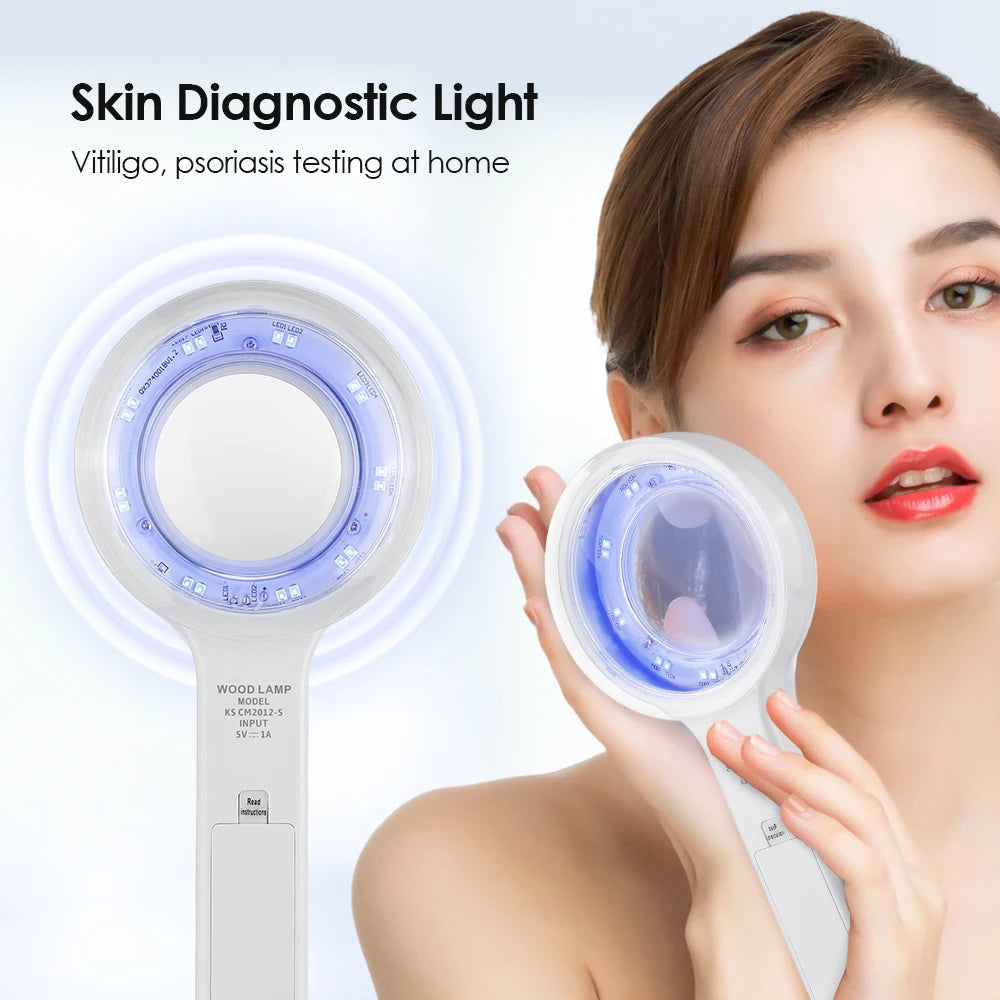
uv light psoriasis - KentDO — 💡 See it in action — View product
What does uv light psoriasis reveal that a brief dermatologist exam might miss?
UV light highlights subtle pigment changes, early erythema, and sharply demarcated plaque borders that can be faint in regular light. A targeted device makes it easier to map flare edges, find impacted hairline areas, and monitor fading between visits.
Short answer (brand-focused)
The KentDO lamp reveals plaque fluorescence and clearer lesion borders in low ambient light, enabling better spot treatment and documentation at home while reducing unnecessary clinic visits.
How This UV Lamp Reveals Plaques in Minutes — benefit-first
Benefit: see the exact edges of active plaques so you can treat only affected skin, avoid over-treating healthy skin, and get targeted relief faster.
Which details become visible under UV?
- Border sharpness — helps define where topical therapy should stop/start.
- Subclinical sun damage or inflammation that may predict an expanding flare.
- Scale and fine desquamation highlighted against normal skin tone.
- Residual lesions after treatment that need a change in regimen.
Which style suits you best? Read on!
Direct Comparison: At-Home UV Lamp vs. Clinic Phototherapy
Direct answer: Home UV tools like the KentDO lamp are not a replacement for clinic phototherapy but can reveal plaque borders and inflammation clearly enough to improve topical targeting, speed triage, and provide photographic records between visits.
| Feature | Home UV Lamp | Clinic Visit / Phototherapy |
|---|---|---|
| Visibility of plaque borders | Good — focused illumination highlights edges | Excellent — clinical lamps + exam expertise |
| Treatment delivery (dose control) | Limited — not a therapeutic phototherapy unit | Precise — dosage-controlled phototherapy available |
| Convenience | High — on-demand at home | Low — appointments, travel |
| Documentation | Excellent — easy to photograph under UV | Good — clinic photos possible but less frequent |
Why choose a home UV tool as part of care?
- Document flare evolution with consistent photos.
- Pinpoint where to apply topicals for maximum effect.
- Detect early inflammation so you can contact your clinician sooner.
- Reduce unnecessary visits for visual checks that can be done at home.
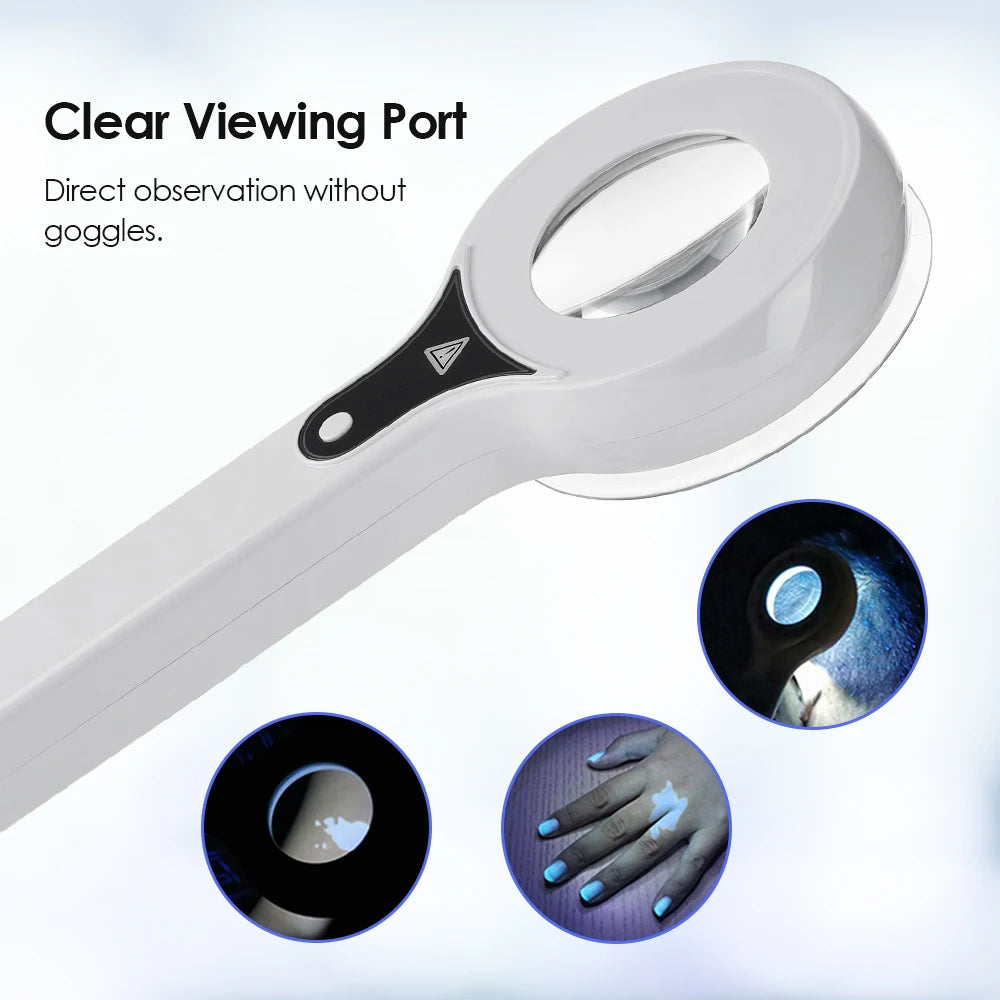
uv light psoriasis - KentDO — 💡 See plaque borders & monitor progress — Check the lamp
Step-by-Step: How to Use a Home UV Lamp Safely and Effectively
Benefit: follow a clear routine to capture useful images and avoid accidental overexposure or misinterpretation.
- Read manufacturer safety instructions and test on a small area first.
- Work in a dim room — dark background improves contrast.
- Hold the lamp 8–12 inches from skin and keep exposure short (follow manual).
- Use consistent angles and distance to photograph the same spot each time.
- Log dates and notes: symptoms, new products, or changes in treatment.
- Share photos with your clinician if lesions change or worsen.
Practical tips
- Always protect eyes — use goggles or turn away during illumination.
- Label photos (date, body site) so progress is trackable.
- Compare images every 7–14 days to spot early improvement or spread.
Real Results, Testimonials & Case Studies That Build Trust
Tone: empathetic, credible — many readers want to know if a small lamp can actually change daily management. Below are curated summaries and real-user feedback to help close doubts.
Case study: Claire — targeted improvement without additional meds
Claire used weekly UV-assisted photography to map plaque borders on her elbows. By applying topical calcineurin inhibitors only to UV-defined plaques, she avoided broader application and reported visible softening within three weeks. Her clinician used the images during telehealth follow-ups to confirm progress.
Before / After — typical user path
- Week 0: new plaque, ill-defined borders in daylight.
- Week 1: UV shows clearer edges; topical regimen adjusted.
- Week 4: reduced scaling and less redness on UV photos.
Selected user reviews
“The lamp made it obvious where my plaques were still active. My dermatologist appreciated the photos at my tele-visit.” — A.J.
“I stopped guessing and started treating only what needed it. Saved time and medicine.” — S.M.
✅/❌ Pros & Cons — Quick Reference
| Pros | Cons |
|---|---|
| Highlights plaque borders and hidden inflammation | Not a therapeutic phototherapy device (not for delivering clinical UVB doses) |
| Portable, low-cost, easy documentation | Requires basic safety precautions (eyes, exposure) |
| Useful between clinic visits and for telehealth | May not replace professional diagnosis for complex cases |
How to Choose a UV Lamp for Your Skin — benefit-first buying tips
Benefit: pick a lamp that gives clear photos, consistent illumination, and safe handling.
- Look for consistent wavelength specification and stable power output.
- Prefer units with a wide beam to reduce shadowing and make photos comparable.
- Choose compact, lightweight models for easy staging and travel.
- Check that the unit is easy to clean and has clear safety instructions.
Related products and categories you may find useful: Skin and Beauty Care Devices, Body Care and Health Devices.
Why this product stands out
The KentDO lamp combines a focused output with a wide viewing window and user-friendly handling, enabling better photographic documentation and plaque visualization without complex setup. For users seeking clarity between appointments, it’s a practical addition to home skin care.
Final take: should you add a UV lamp to your toolkit?
If your goal is clearer monitoring, fewer unnecessary clinic visits, and smarter topical targeting, a home UV lamp is a strong complement to regular dermatology care. It’s not a therapeutic substitute for prescribed phototherapy, but it helps you and your clinician make better decisions faster.
uv light psoriasis - KentDO — 💡 See progress clearly — Buy now
Mini-FAQ
Is a home UV lamp safe to use for psoriasis checks?
When used per instructions — short exposures, eye protection, and distance control — these lamps are safe for visual checks and photography. They are not recommended for therapeutic dosing unless specifically designed and prescribed for that use.
Can a UV lamp replace a dermatologist visit?
No. A home UV lamp helps track lesions and document changes but cannot substitute a professional exam, biopsy, or prescription-strength phototherapy.
How often should I photograph my plaques under UV?
A good cadence is once per week to capture meaningful changes while avoiding photo fatigue. Match photo sessions to treatment changes or flare suspicion.
Will UV photos work for telehealth visits?
Yes — clinicians often find properly lit UV photos extremely helpful for assessing plaque activity and adjusting treatment remotely.
Pillar Article: Skin Analysis Machines Review: Real Results From At-Home Users
Other Related Articles:
Explore More:













