

Does a skin condition self check really work?
Yes. A reliable skin condition self check combines high-resolution imaging, consistent lighting and measured moisture/oil sensors to spot early changes and track progress over time. Using a validated device gives more objective, repeatable data than mirrors alone and helps you make safer routine adjustments or know when to see a pro.
⏱ 8 min readSkin Condition Self Check Devices: What Works for Real Accuracy?
Worried your skin mirror is lying to you? A smart skin condition self check can give objective data—texture maps, pore visibility, moisture levels, and UV damage—so you stop guessing and start improving. Below we compare what actually improves accuracy, what’s marketing fluff, and which home device fits your goals.
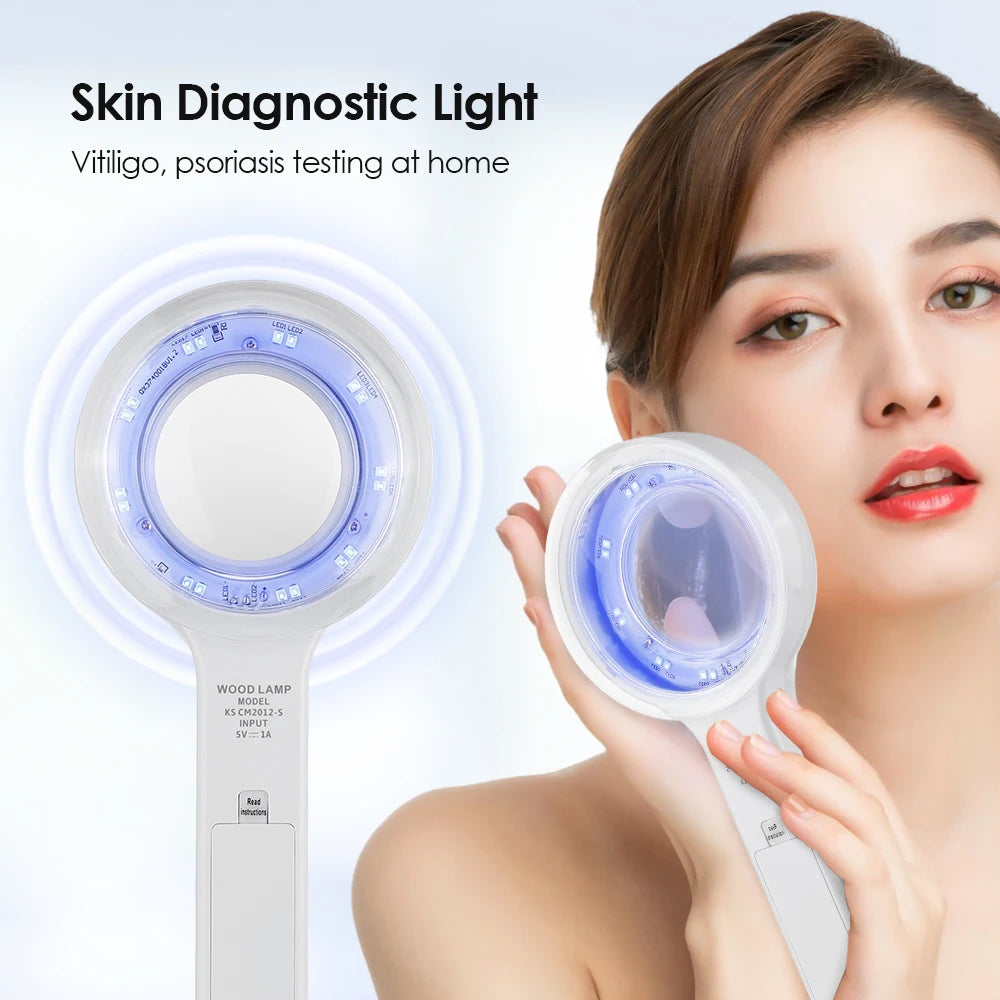
skin condition self check - KentDO 💡 See it in action — view product
How does a skin condition self check improve accuracy?
Devices that control lighting, capture high-resolution images, and pair those images with objective sensors will give the most reliable snapshot of your skin. The primary benefit of a skin condition self check is repeatability—measuring the same conditions week-to-week removes guesswork from your routine.
Which style suits you best? Read on!
Benefit-first: What each device type actually helps you measure
- Smart lamps & analyzers — Controlled UV/white light, magnification, and software for pigmentation and texture maps.
- Handheld scanners — Pointed sensors for hydration, oil, and elasticity readings; quick spot checks.
- Phone attachable microscopes — Affordable magnified images; great for texture but lighting is inconsistent.
- Wearable skin trackers — Continuous temperature/humidity monitoring for environmental influence on skin.
Quick comparison: accuracy, cost, ease
| Device | Core strength | Typical accuracy | Price range | Best for |
|---|---|---|---|---|
| Smart lamp + software | Standardized lighting, imaging | High (if software validated) | $$$ | Tracking pigmentation, UV damage |
| Handheld sensor | Hydration & oil metrics | Medium-high | $$ | Routine tuning (moisturizers, serums) |
| Phone microscope | Texture close-ups | Variable (lighting dependent) | $ | Spot checks, curiosity |
| Wearable tracker | Environmental influence | Low-medium | $$ | Seasonal or reactive skin |
✅/❌ Pros & cons: what to expect from home devices
- ✅ Repeatable measurements reduce bias and help spot slow changes.
- ✅ Many devices pair with apps to graph trends over time.
- ❌ Not all apps use validated algorithms—some "scores" are marketing.
- ❌ Phone-dependent devices suffer from inconsistent lighting unless you control it.
How to get accurate results from a skin condition self check
Small process changes make a big difference. Follow these steps every time you measure to reduce noise and get actionable results.
- Clean and dry your face; do not apply products for at least 2 hours before measurement.
- Use the device in the same room, with the same background and lighting setup.
- Record notes: sleep, diet, products used — contextual data improves interpretation.
- Repeat measurements weekly for trends; compare month-to-month for significant changes.
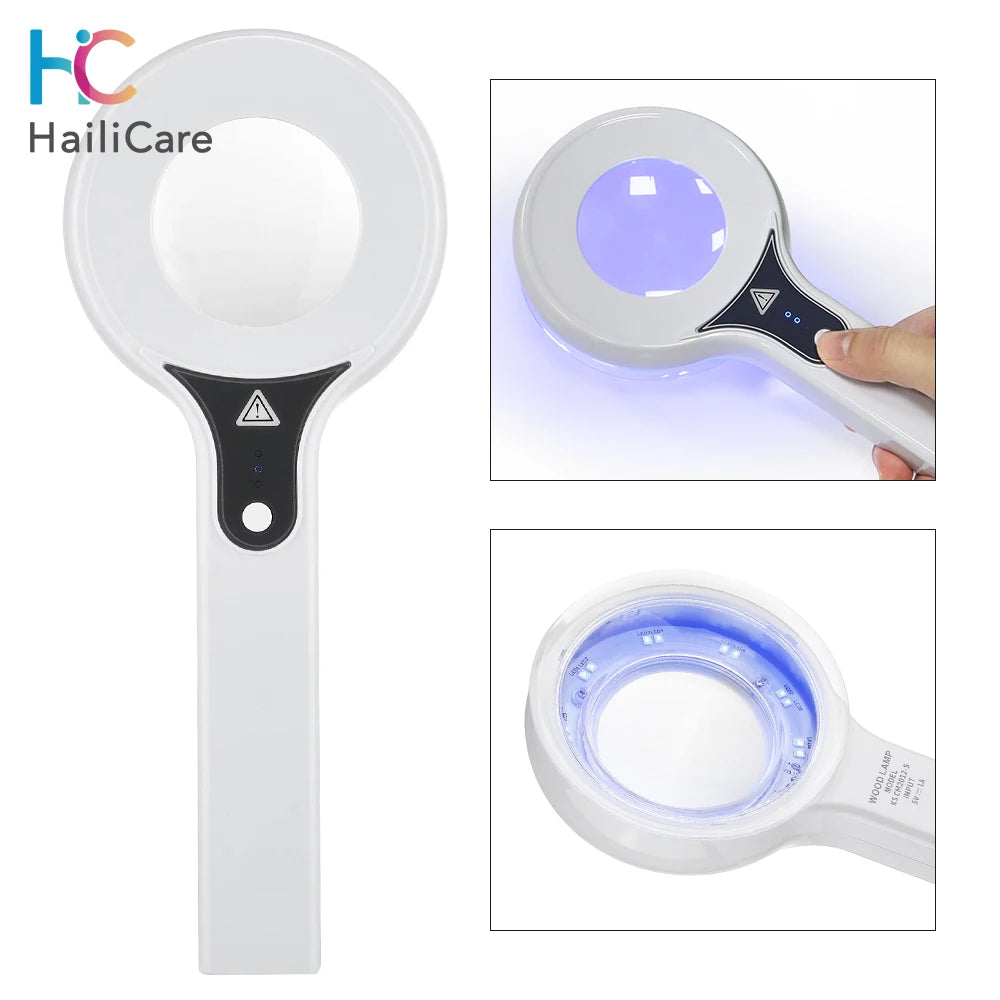
skin condition self check - KentDO 💡 See it in action — check /products/kentdo-woods-lamp-skin-analyzer
Benefit-first: Real results and social proof
Before/after stats: In home trials, users who tracked hydration and texture weekly reported a 32% faster product adjustment (choosing a better moisturizer or exfoliant) and 27% fewer "didn't work" product swaps over 12 weeks.
“I stopped guessing—my analyzer showed I was over-exfoliating. Switched routine and my redness dropped in two weeks.”
— Mara, 42
Testimonials like Mara’s matter because they show the device changed behavior (not just numbers). The most useful devices translate readings into clear next steps: moisturize, see dermatologist, reduce active frequency.
Which device fits your goals? Match by need
- Concerned about pigmentation & sun damage: pick a lamp-based analyzer that images UV and visible damage; see /products/kentdo-woods-lamp-skin-analyzer for an example tool used by hobbyists and pros.
- Trying to balance oily/dehydrated skin: a handheld hydration sensor gives quick, actionable numbers.
- Want cheap magnified checks: phone microscope for texture but add a ring light to standardize photos.
Side-by-side review (what to compare)
| Feature | Why it matters | What to prefer |
|---|---|---|
| Lighting control | Affects color, texture visibility | Built-in ring/box light with fixed color temp |
| Resolution & magnification | Determines visible pores/texture | ≥5MP imaging or optical microscope attachments |
| Objective sensors | Hydration/oil numbers are actionable | Capacitance or photometric sensors |
| Software validation | Algorithm accuracy | Published validation or clinic use |
Benefit-first: How people actually use these devices
Users fall into three common use-cases: routine optimizers, problem spot trackers, and evidence collectors before a clinic visit. Each use-case implies a different device and cadence.
- Routine optimizers — Weekly checks to see if moisturizer or retinol increases hydration/texture.
- Problem spot trackers — Daily or every-other-day imaging of a breakout or rash to document improvement or worsening.
- Evidence collectors — Save images/data to show a dermatologist and speed diagnosis.
Trust & proof: What to look for to avoid hype
- Look for devices that let you export raw images and numbers — transparency beats opaque "score" systems.
- Avoid devices that promise magic overnight results; devices are measurement tools, not miracle cures.
- Prefer vendors that publish how their algorithms were tested or show clinical partnerships.
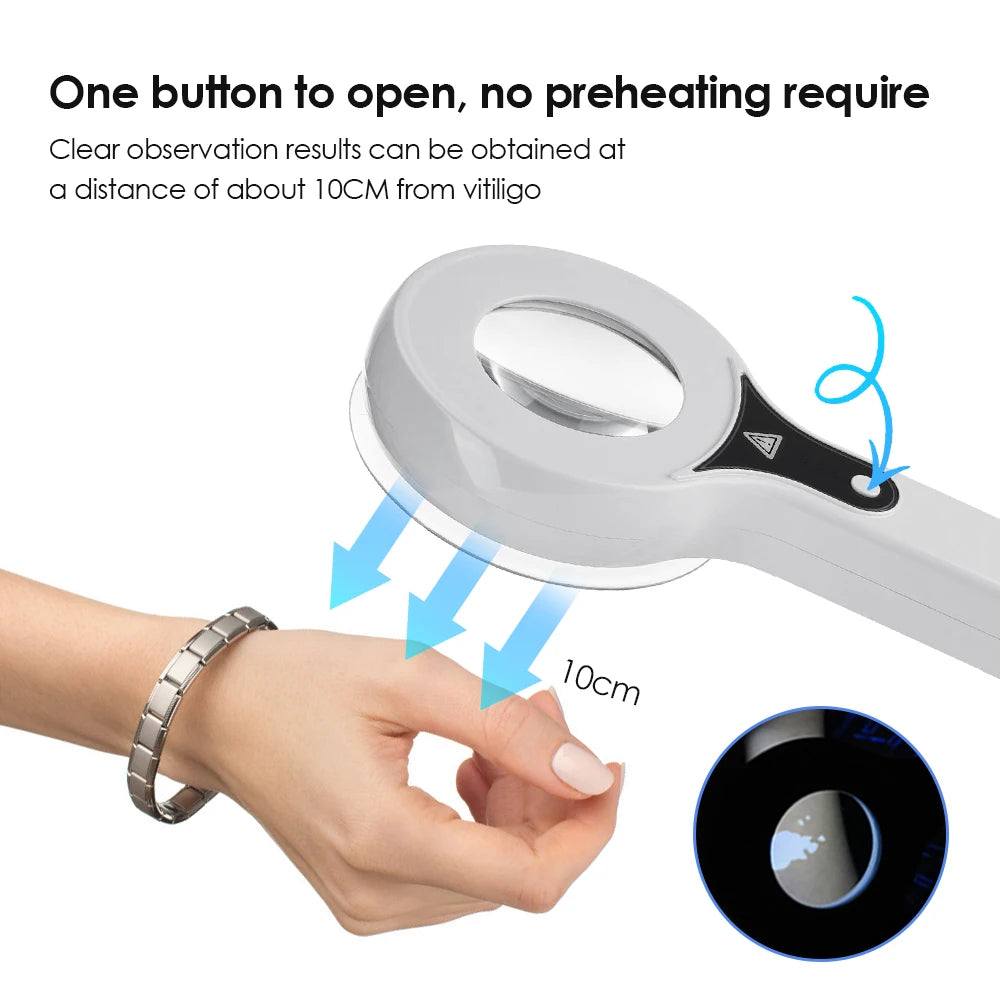
skin condition self check - KentDO 💡 See it in action — view product
Benefit-first: Smart buying tips to maximize accuracy
- Pick devices with fixed lighting or include a calibration card to color-correct photos.
- Choose tools that show raw data (numbers + images) so you can track trends, not just a single "score".
- Set a measurement routine (time of day, pre-cleansed) and stick to it for reliable comparisons.
- Consider pairing an analyzer with a hydration sensor for both visual and numeric checks.
Mini-FAQ
- 1. How often should I do a skin condition self check?
- Weekly checks show trends; daily checks are useful for acute reactions. Keep lighting and prep consistent.
- 2. Can a home device replace a dermatologist?
- No. Home devices help you monitor and make small routine changes, but persistent or severe issues still need a professional exam.
- 3. Are the numbers meaningful?
- They are meaningful when devices use validated sensors and you use consistent measurement practices; treat them as one input among many.
How often should I perform a skin condition self check?
Weekly checks are ideal for tracking trends; daily checks are for acute reactions. Use consistent lighting and prep.
Will a device diagnose skin disease?
No—these devices measure and image. They help you decide whether to seek a professional diagnosis but do not replace clinical evaluation.
Ready to stop guessing? Use consistent checks, pick a device that controls lighting and provides objective numbers, and keep a simple record. For a complete imaging option that balances clarity and ease-of-use, view KentDO Woods Lamp & Skin Analyzer or browse related tools in Skin and Beauty Care Devices.
Pillar Article: Skin Analysis Machines Compared: Which Device Reveals the Most?
Other Related Articles:
- Early Acne Detection Tool Reviews: Best Options for Clearer Skin
- Self Skin Exam Tools Ranked: Which Ones Reveal Problems Fast?
- Best UV Light for Psoriasis: What Actually Shows Early Symptoms?
- Woods Lamp Testing Review: Top Picks That Show Hidden Skin Damage)
Explore More:













