

Does UV light (Wood's lamp) really show early signs of psoriasis?
Answer: Wood's lamp or UV light can sometimes reveal psoriasis by causing affected plaques to show a faint pink–red fluorescence (due to porphyrin-like compounds). It’s not definitive alone but is a quick, non-invasive aid to distinguish psoriasis from fungal or pigmentary conditions and guide further evaluation.
⏱ 7 min readBest UV Light for Psoriasis: What Actually Shows Early Symptoms?
Worried about mysterious red, scaly patches that won’t quit? If you’ve wondered whether a UV or Wood’s lamp can help spot psoriasis before it flares, this practical guide walks you through how these lights work, what they can and can’t show, and which device types make sense for at-home checks or clinical settings. We compare accuracy, ease, and use cases so you can make a calm, confident choice.
What does a Wood’s lamp / UV light test actually show?
Wood’s lamp emits long-wave UVA (~365 nm) that makes some skin compounds fluoresce—helpful to spot fungal infections, pigment changes, or bacterial colonization at a glance. For psoriasis, certain plaques can show a pink–red fluorescence linked to protoporphyrin IX in scale, but this is variable and influenced by sun exposure and plaque severity.
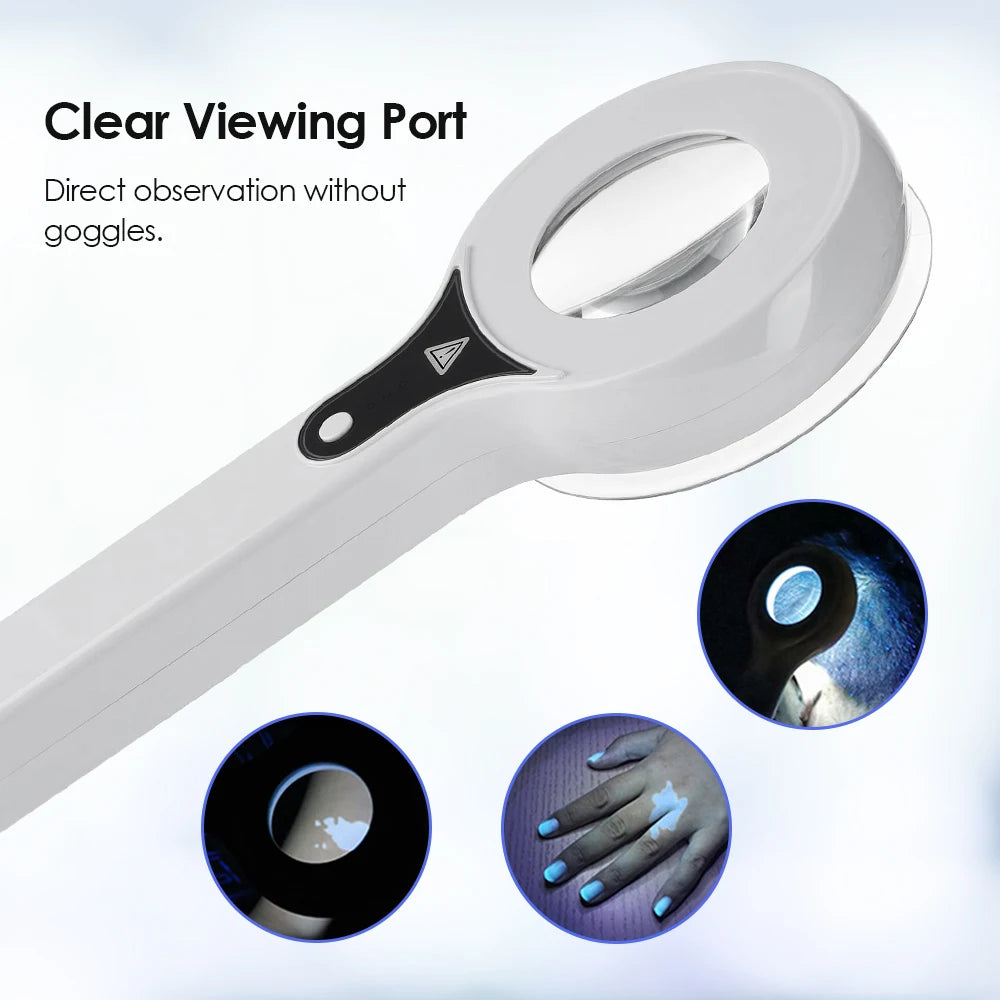
uv light psoriasis - KentDO — 💡 See it in action. KentDO™ Woods Lamp Skin Analyzer for Accurate Skin Testing
Which style suits you best? Read on!
Can UV light reliably diagnose psoriasis?
Wood’s lamp can be a useful screening tool—uv light psoriasis checks sometimes reveal red autofluorescence in thicker, active plaques—but it’s not definitive. Use it to rule in/out look-alike conditions and to document changes; follow up with a clinician for diagnosis.
How UV checks help identify psoriasis vs. other rashes
- Pink-red fluorescence suggests psoriatic scale (protoporphyrin IX) in some cases.
- Yellow-green glow is more typical for tinea versicolor; coral-red for erythrasma—useful contrasts when you’re unsure.
- Vitiligo and pigmentary changes show distinct patterns under UV, so a quick lamp exam narrows possibilities.
Quick device comparison: which UV tools exist and why it matters?
| Type | Best for | Pros | Cons |
|---|---|---|---|
| Traditional Wood’s lamp (clinic grade) | Clinicians, accurate fluorescence viewing | Strong, consistent 365 nm output; good for documentation & follow-up. | Bulky, needs dark room; not consumer handheld friendly. |
| Handheld UV/blacklight devices | At-home screening, quick checks | Portable, affordable, easy to use. | Lower intensity; may miss weak fluorescence; operator dependent. |
| UV-enabled dermatoscopes / imaging tools | Tele-derm photos, enhanced imaging | Combines magnification + UV for clearer plaque imaging. | More expensive; learning curve. |
Which UV device makes sense for at-home checks?
If you’re doing occasional checks to spot changes or to rule out fungal causes, a mid-range handheld Wood’s lamp or blacklight is cost-effective. If you plan to document progress, choose models that provide even 365 nm output and pair with clear photos. For persistent concerns, prefer clinic-grade evaluation.
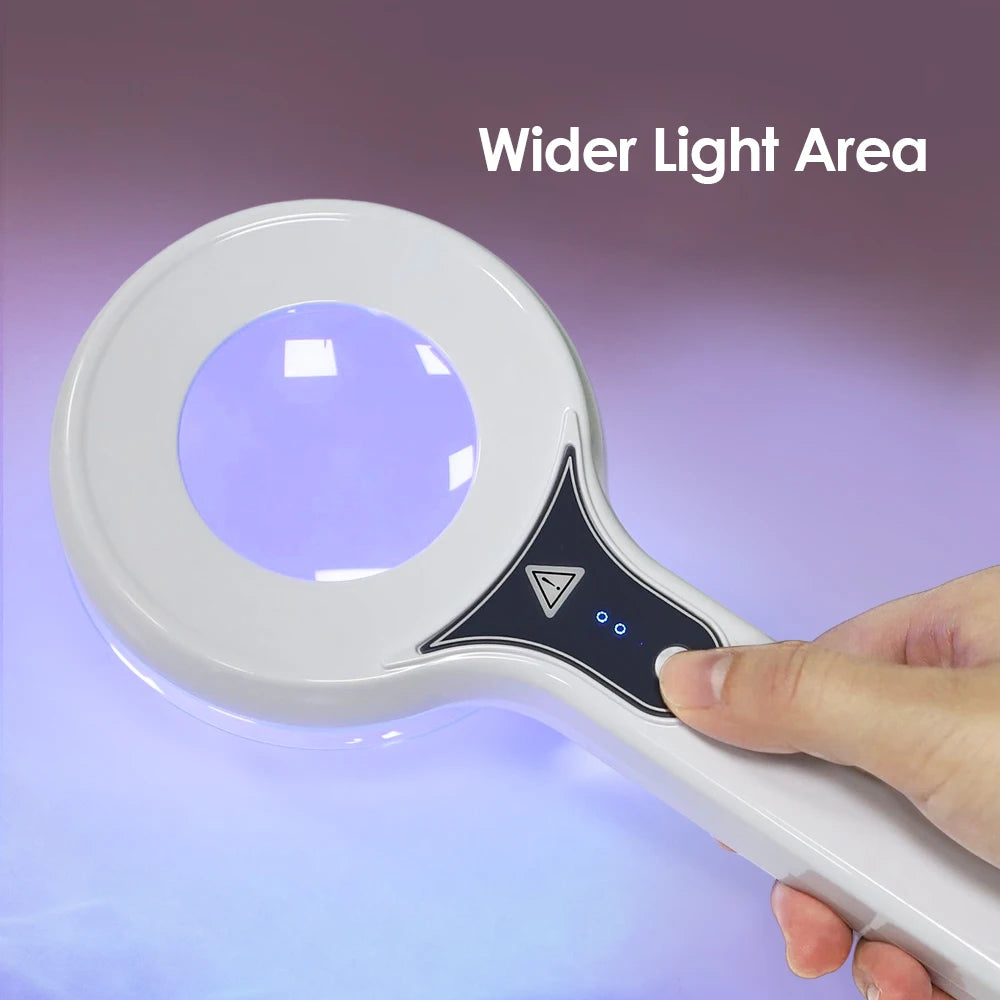
uv light psoriasis - KentDO — 💡 See it in action. KentDO™ Woods Lamp Skin Analyzer for Accurate Skin Testing
How to use a Wood’s lamp safely and effectively at home
- Darken the room fully—fluorescence is easiest when ambient light is minimal.
- Allow the lamp to warm up per manufacturer instructions (often 1–2 minutes).
- Hold lamp ~4–6 inches from skin and scan slowly; photograph any suspicious glow for comparison.
- Compare patterns: pink-red hints at psoriatic scale; yellow/green suggests fungal elements.
- If you see suspicious fluorescence or rapid changes, capture images and consult a clinician for dermoscopy/biopsy if needed.
Safety notes
Avoid direct prolonged eye exposure to UVA. Use protective eyewear if provided and follow product safety guidelines. Lamps intended for diagnostics are not tanning devices and should not be used for prolonged skin exposure.
Pros & Cons: Using UV checks for psoriasis screening
- Pros: Fast, non-invasive, low cost, helps rule out lookalikes and document visible change.
- Cons: Not definitive—many psoriatic plaques don’t fluoresce; results depend on plaque thickness, prior sun exposure, and device quality.
- Actionable: Use UV checks as a screening step and to collect photos for clinical discussions—not as the sole diagnostic tool.
Related devices and where to look
Want options that fit the use-cases above? Consider:
- Handheld diagnostic Wood’s lamps for quick home screening — check Skin & Beauty Care Devices: Skin & Beauty Care Devices.
- Clinic-grade lamps or portable dermatoscopes for clinicians — Body Care & Health Devices: Body Care & Health Devices.
Repeat product link: KentDO™ Woods Lamp Skin Analyzer for Accurate Skin Testing
Side-by-side: Which device fits your needs?
| Best for | Device | Why | Where to start |
|---|---|---|---|
| Fast at-home checks | Handheld Wood’s lamp | Portable, affordable, decent sensitivity for obvious plaques | KentDO Woods Lamp Skin Analyzer |
| Documenting clinic progress | Clinic Wood’s lamp / imaging | Consistent output, better photo documentation | Body Care & Health Devices collection |
| High-detail lesion analysis | UV-enabled dermatoscope | Combines magnification + UV fluorescence for clearer assessment | Skin & Beauty Care Devices collection |
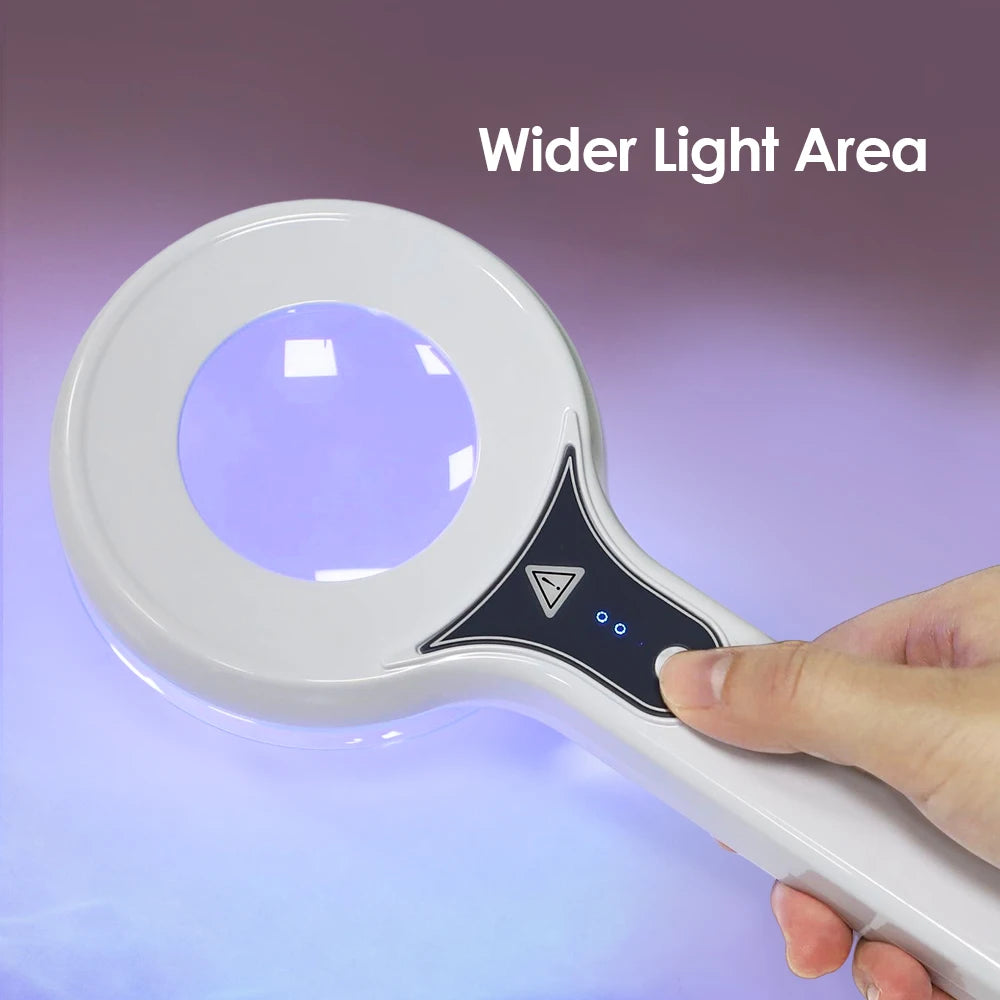
uv light psoriasis - KentDO — 💡 See it in action. KentDO™ Woods Lamp Skin Analyzer for Accurate Skin Testing
What the research says — short summary
Clinical studies report that some psoriatic plaques show red autofluorescence tied to protoporphyrin IX; this signal correlates with plaque severity and can be muted by sun exposure. However, fluorescence is inconsistent across patients, so Wood’s lamp is best used as an adjunct, not a standalone diagnostic.
Real user notes & social proof
“I used a handheld lamp to document a stubborn elbow patch and my dermatologist said the photos helped speed diagnosis.” — A. (verified purchase)
Clinic data: practitioners report Wood’s lamp remains useful for triage and ruling out fungal or pigmentary imitators during initial exams.
Lead summary — quick take
Wood’s lamp (UV) can reveal certain psoriasis signs—most often a pink-red fluorescence in thicker plaques—but it’s not definitive. Use UV checks to narrow possibilities, document changes, and guide conversations with your clinician. For reliable at-home screening, choose a steady 365 nm handheld lamp and capture photos for follow-up.
Mini-FAQ
- Does every psoriasis patch glow under UV? No—only some plaques, especially thicker or active ones, show pink-red autofluorescence.
- Can a Wood’s lamp replace a dermatologist? No—it's an adjunctive screening tool; diagnosis still relies on clinical exam and sometimes biopsy.
- Is at-home use safe? Yes if you follow device safety, avoid eye exposure, and don’t use lamps for prolonged tanning. Seek professional care for uncertain findings.
Related collections: Skin & Beauty Care Devices • Body Care & Health Devices
Disclaimer: This article provides educational information about UV diagnostic tools and is not medical advice. If you suspect psoriasis or other skin disease, consult a qualified healthcare professional.
Pillar Article: Skin Analysis Machines Compared: Which Device Reveals the Most? (59 chars)
Other Related Articles:
- Early Acne Detection Tool Reviews: Best Options for Clearer Skin
- Skin Condition Self Check Devices: What Works for Real Accuracy?
- Self Skin Exam Tools Ranked: Which Ones Reveal Problems Fast?
- Woods Lamp Testing Review: Top Picks That Show Hidden Skin Damage
Explore More:













