

❓ What Is DIY Cavity Filling and Does It Actually Work?
DIY cavity filling refers to temporary attempts to cover or protect a damaged tooth at home. While over-the-counter dental repair kits may provide short-term protection or reduce sensitivity, they do not remove tooth decay or permanently restore a cavity. Only professional dental treatment can safely remove decay and repair a tooth.
DIY Cavity Filling: Is It Safe or Possible? What You Need to Know
Many people search for DIY cavity filling methods, homemade tooth filling ideas, or ways to fix a cavity at home. However, a true dental filling requires professional treatment. This guide explains what DIY cavity filling means, what temporary options may help in an emergency, and when you should seek professional dental care.
Quick answer: You cannot permanently fill a cavity at home. Temporary filling products may protect a damaged tooth briefly, but only a dentist can remove decay and restore the tooth properly.
Searches for diy cavity filling , cavity filling at home , and dental filling diy continue to grow as people seek alternatives to immediate dental treatment. Unfortunately, many online tutorials and social media posts blur the line between temporary tooth protection and actual cavity treatment.
This guide explains what temporary dental repair methods can and cannot do, why professional cavity treatment works differently, and how to protect a damaged tooth safely while waiting for dental care.
⏱ 8 min read
What Does DIY Cavity Filling Actually Mean?
What people search for when they look for DIY cavity filler
The term diy cavity filling usually refers to attempts to repair tooth decay without visiting a dentist. Searches such as diy cavity filler , tooth filling diy , homemade tooth filling , and dental filling at home often come from people looking for quick pain relief, temporary protection, or lower-cost alternatives to dental treatment.
The difference between repairing a filling and treating tooth decay
A lost dental filling and an untreated cavity are not the same problem. Temporary dental materials may sometimes protect a tooth after a filling falls out, but active tooth decay must be professionally removed before a permanent restoration can be placed. Covering a cavity without removing decay does not stop the disease process.
Why this topic is trending online
Rising dental costs, appointment delays, and viral online tutorials have increased interest in homemade dental filling methods. However, many of these approaches misunderstand how cavities develop and how dentists repair damaged teeth.
Have you ever experienced sudden tooth pain while eating or drinking and wondered whether you could temporarily fix the problem yourself? Dental discomfort can be stressful, especially when professional treatment is not immediately available.
Understanding the difference between temporary protection and permanent treatment can help you make safer decisions and avoid worsening dental problems.
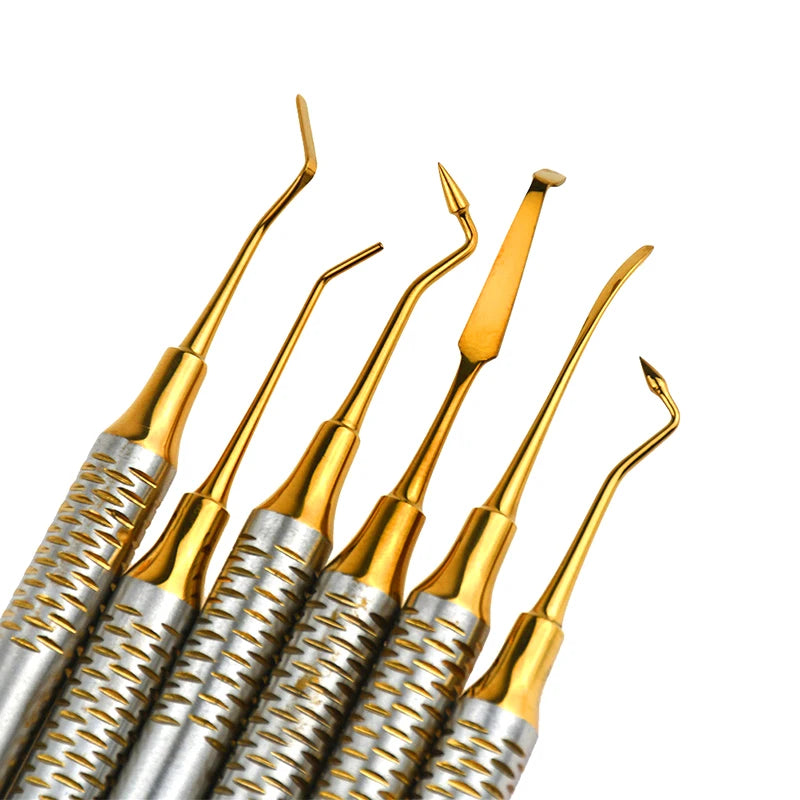
Temporary dental repair tools sometimes used for emergency tooth protection.
Can You Fill a Cavity at Home Permanently?
The short answer is no. A cavity cannot be permanently repaired using a homemade tooth filling or any dental filling at home method because tooth decay must first be removed before restoration can occur.
Why cavities cannot be safely repaired with homemade tooth filling methods
A cavity develops when bacteria damage the enamel and deeper tooth structures. Simply placing material into the visible hole does not remove the bacteria or infected tissue. Professional treatment requires cleaning, preparing, and restoring the tooth using specialized techniques and materials.
Attempting a tooth filling diy procedure may temporarily cover symptoms while allowing the underlying decay to continue spreading.
Why temporary fixes are different from professional dental fillings
Temporary cavity filling products are designed to provide short-term protection only. They may reduce sensitivity, help protect exposed areas, or replace a lost filling temporarily, but they are not intended to serve as permanent restorations.
How Cavities Are Treated With Professional Dental Fillings
Understanding how dentists repair cavities helps explain why at home cavity filling methods rarely succeed.
How dentists identify and remove tooth decay
Before treatment, dentists evaluate the tooth using visual examination, diagnostic instruments, and dental X-rays when necessary. Determining the extent of the decay is essential because cavities often spread beneath the visible surface. The decayed portion of the tooth must be removed to stop bacterial progression.
How filling materials restore damaged teeth
After removing decay, dentists restore the tooth using materials specifically designed for long-term oral use. Common filling materials include composite resin, amalgam, and glass ionomer. These materials are shaped carefully to restore both function and bite alignment.
Why professional treatment prevents deeper tooth damage
Treating cavities early helps prevent bacteria from reaching the inner pulp of the tooth. Early intervention often avoids more complex treatments such as root canal therapy, crowns, or tooth extraction.
Why DIY Cavity Filling Is Unsafe
Many online recommendations for make your own tooth filling or best homemade tooth filling solutions can create significant dental risks.
Risk of leaving bacteria and decay trapped inside the tooth
If a cavity is covered without removing the infected tissue, bacteria continue damaging the tooth beneath the surface. This hidden progression may lead to more extensive treatment later.
Risk of tooth infection, nerve damage, and abscess
Untreated cavities can eventually reach the tooth pulp, causing severe pain, nerve damage, or dental abscesses. These complications may require emergency dental treatment or root canal therapy.
Why household or homemade filling materials are not designed for teeth
Some online DIY methods recommend materials that were never intended for use inside the mouth. These substances may fail quickly, irritate soft tissues, or create additional dental problems.
Can Temporary Cavity Filling Kits Help at Home?
Temporary dental repair products may provide limited short-term protection in certain situations.
What temporary dental filling kits are designed for
Temporary filling kits are generally intended to protect a lost filling, cover an exposed area, or reduce sensitivity until professional treatment becomes available. They do not permanently repair cavities.
How to use temporary filling material only as an emergency measure
- Use only products designed specifically for temporary dental use.
- Follow all manufacturer instructions carefully.
- Avoid chewing hard foods on the affected side.
- Schedule a dental appointment as soon as possible.
How long temporary cavity repairs usually last
Temporary dental materials typically last anywhere from several days to a few weeks, depending on the tooth location, chewing forces, and oral hygiene habits.
What to Do If You Need a Temporary Tooth Repair
Steps after losing a dental filling
- Rinse your mouth gently with warm water.
- Keep the affected area as clean as possible.
- Avoid chewing on the damaged tooth.
- Contact a dentist to arrange treatment.
How to protect a damaged tooth before seeing a dentist
Avoid extremely hot, cold, or sugary foods that may trigger pain. Maintaining good oral hygiene and reducing pressure on the affected tooth can help minimize discomfort while awaiting treatment.
What to avoid when trying at-home cavity relief
- Do not insert household materials into the cavity.
- Do not attempt to remove decayed tissue yourself.
- Do not ignore persistent pain or swelling.
- Do not assume temporary relief means the cavity is repaired.

Dental instruments used by professionals during cavity repair procedures.
When Should You See a Dentist Immediately?
Although temporary measures may provide short-term relief, certain symptoms require prompt professional evaluation.
Severe tooth pain, swelling, or signs of infection
Persistent pain, facial swelling, gum swelling, or pus drainage may indicate an active infection requiring urgent treatment.
Persistent sensitivity to hot, cold, or pressure
Ongoing sensitivity may suggest that decay has reached deeper layers of the tooth or affected the nerve.
Broken teeth or deep cavities
Large cavities, fractured teeth, or visible damage extending into the tooth structure should be evaluated as quickly as possible.
DIY Filling vs Professional Dental Treatment
Safety comparison
Professional dental treatment is performed using sterile techniques, diagnostic evaluation, and materials specifically designed for long-term tooth restoration. DIY methods cannot replicate these clinical processes.
Short-term cost versus long-term dental damage
Although dental filling diy approaches may appear less expensive initially, delaying treatment can increase the risk of requiring more extensive and costly procedures later.
Why professional fillings last longer
Professional fillings are designed to withstand chewing forces and protect teeth for many years. Temporary cavity filler at home products are intended only for emergency use.
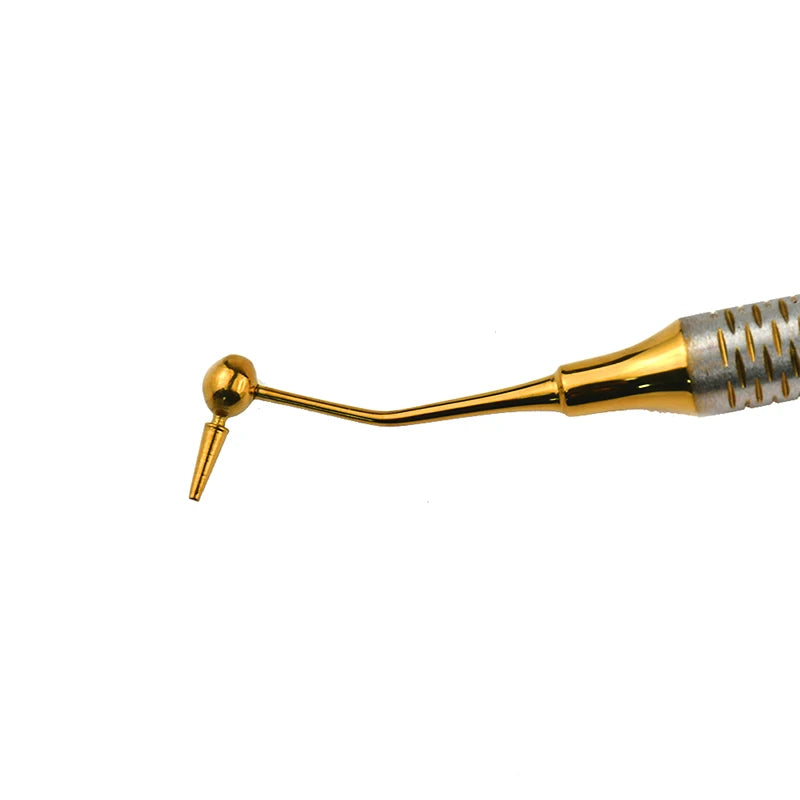
Professional dental fillings are designed to permanently restore damaged teeth.
Common Questions About DIY Tooth Filling
Can you fill a cavity at home?
No. Permanent cavity repair requires professional dental treatment because the decayed tissue must be removed before the tooth can be restored.
Is DIY cavity filling safe?
DIY cavity filling is generally not considered a safe substitute for professional dental treatment because untreated decay can continue progressing beneath the surface.
How long does a temporary filling last?
Temporary filling materials are designed for short-term use and may last from several days to a few weeks depending on individual circumstances.
What should you do if a filling falls out?
Keep the area clean, avoid irritating foods, and arrange a dental appointment as soon as possible. Temporary dental materials may provide short-term protection but should not replace professional care.
Pillar Article: How to Use a Dental Cavity Repair Kit Safely at Home (Step-by-Step)
Other Related Articles:
- Dental Composite Resin Kit Tutorial: From Setup to Final Finish
- Your Quick Guide to Dental Resin Composite Procedure for Success
- Composite Instrument Use Explained: Stop Misusing These Dental Tools
- The Exact Way to Handle a Best Tooth Filler Without Dentist Visits
Explore More:
- Composite Placement Instrument Showdown: What Every Dentist Should Know
- Dental Composite Composition Breakdown: Ingredients That Matter Most
Medically reviewed content. Updated: June 2026.













