What Is a Deep Tissue Massage at Home (and Does It Really Work?)
A deep tissue massage at home is a self-massage technique that uses slow, sustained pressure to target deeper layers of muscle and fascia—the connective tissue surrounding muscles. Unlike a gentle relaxation massage, deep tissue work focuses on relieving chronic muscle tension, improving mobility, and reducing stubborn trigger points that can limit movement or cause ongoing discomfort.
When performed with proper technique, DIY deep tissue massage can support healthy circulation, reduce muscle tightness, improve flexibility, and aid recovery after exercise or repetitive daily activities. The goal is not to apply the greatest amount of force possible, but to use controlled, progressive pressure that allows muscles to relax instead of tightening defensively.
How Deep Tissue Massage Affects Muscles and Fascia
Muscles can develop areas of tightness after prolonged sitting, repetitive movements, intense workouts, or poor posture. Deep tissue massage applies sustained pressure that may help reduce muscle stiffness, encourage blood flow, and improve the way muscle fibers and fascia glide over one another. While it cannot instantly eliminate every knot, consistent self-care often improves comfort and range of motion over time.
Deep tissue massage is also different from Swedish massage. Swedish massage primarily promotes relaxation through lighter, flowing strokes, whereas deep tissue techniques focus on specific areas of tension using slower, more targeted pressure.
Who Benefits Most From Self Deep Tissue Massage
Many people can benefit from learning how to do deep tissue massage at home, particularly if they experience recurring muscle tightness rather than acute injuries. It is often helpful for:
- People with desk-related neck and shoulder tension
- Recreational athletes recovering from training sessions
- Individuals with mild postural muscle stiffness
- Anyone looking to maintain mobility between professional massage appointments
If you experience severe pain, numbness, swelling, recent injuries, or medical conditions affecting circulation or connective tissue, consult a healthcare professional before attempting deep tissue massage at home.
Deep Tissue Massage at Home: How to Do It Safely for Real Muscle Relief
Learning how to do deep tissue massage at home can help you relieve persistent muscle tension, improve flexibility, and recover more comfortably after work or exercise. This guide explains safe techniques, realistic expectations, and practical tips so you can achieve effective results without relying on excessive pressure or complicated equipment.
⏱ 8 min read

A deep tissue massage at home can be safer and more effective when you use gradual pressure and proper technique.
Why a Deep Tissue Massage at Home Works for Muscle Relief
A deep tissue massage at home can help reduce muscular tension by applying slow, targeted pressure to tight tissues that restrict normal movement. As muscles begin to relax, circulation improves, helping deliver oxygen and nutrients that support recovery after repetitive activities, long hours at a desk, or strenuous workouts.
Common problem areas—including the trapezius, shoulders, upper back, hips, and calves—often respond well to careful self-massage because these muscles accumulate tension from posture, exercise, and everyday movement patterns. While self-massage is not a replacement for medical treatment when injuries are present, it can be an effective part of a regular recovery routine.
How a Deep Tissue Massage Helps Your Body Recover Faster
- Improves mobility by reducing muscle stiffness and restricted movement
- Helps decrease persistent muscle tension and trigger point discomfort
- Supports healthy circulation for muscle recovery after physical activity
- May reduce tension-related headaches caused by tight neck and shoulder muscles
- Encourages overall relaxation, making it easier for muscles to recover between activities
Understanding Muscle Groups and Trigger Points for Self-Massage
Successful self deep tissue massage starts with knowing which muscles commonly become tight and how to identify trigger points safely. A trigger point is a small, hypersensitive area within a muscle that may feel like a firm knot and can sometimes cause discomfort in nearby areas when pressure is applied. Understanding these locations helps you target tension more accurately while avoiding unnecessary pressure on joints, bones, and nerves.
Major Muscle Areas Safe for Self-Massage
The following muscle groups are generally well suited for self-massage because they frequently develop tightness from daily activities, exercise, or prolonged sitting:
- Neck & shoulders: The upper trapezius and levator scapulae often become tight from stress, computer work, and poor posture.
- Upper back: Muscles between the shoulder blades can become stiff after long periods of sitting or repetitive reaching.
- Lower back: The muscles alongside the spine may tighten after lifting, standing for extended periods, or overuse. Avoid applying direct pressure to the spinal bones.
- Glutes & hips: Sitting for long hours or intense lower-body training commonly creates tightness in these larger muscle groups.
- Calves: Running, walking, or prolonged standing can leave the calf muscles feeling tight and fatigued.
How to Find Trigger Points Safely
Move your fingers slowly across the muscle until you locate an area that feels firmer or more sensitive than the surrounding tissue. Apply moderate pressure that feels like "comfortable discomfort" rather than sharp pain. If pressure causes tingling, numbness, severe pain, or symptoms that travel down an arm or leg, stop immediately and avoid that area.
For most people, holding steady pressure on a trigger point for 30 to 60 seconds is sufficient before moving to the next area. There is no benefit to forcing deeper pressure if the muscle begins to tighten in response.
Before You Start: Warm-Up and Preparation for Safe Results
Preparing your muscles before a deep tissue massage at home improves comfort and helps tissues respond more effectively to deeper pressure. Warming the muscles increases circulation and flexibility, making it easier to locate tight areas without excessive force.
Warm-Up Routine
- Take a warm shower or apply a warm towel for 5 to 10 minutes.
- Perform gentle mobility exercises or light stretching to increase blood flow.
- Apply a small amount of massage oil or lotion only if needed to reduce skin friction.
- Begin with light pressure and gradually increase intensity as the muscles relax.
When to Avoid Deep Tissue Massage
Deep tissue massage at home is not appropriate in every situation. Postpone your session or seek medical advice if you have:
- A recent injury, fracture, sprain, or muscle tear.
- Significant swelling, bruising, or inflammation.
- An open wound, skin infection, or rash over the treatment area.
- Persistent numbness, unexplained weakness, or severe pain.
- A medical condition that affects circulation unless your healthcare provider has advised that self-massage is appropriate.
Spending a few minutes preparing your muscles and recognizing when not to perform deep tissue massage helps make each session safer and more effective.
Avoid These Common DIY Massage Mistakes (and How to Fix Them)
Using proper technique is more important than applying maximum force. Many people assume deeper pressure always delivers better results, but excessive intensity can cause muscles to tighten defensively instead of relaxing. A controlled approach helps you perform a deep tissue massage at home more safely and effectively.
- Pressing too hard too quickly: Begin with light-to-moderate pressure and increase gradually as the muscle relaxes.
- Treating one spot for too long: Limit sustained pressure to about 30–60 seconds before reassessing the area.
- Ignoring warning signs: Stop if you experience sharp pain, numbness, tingling, or increasing discomfort rather than mild tenderness.
- Using poor body mechanics: Keep your wrists, shoulders, and back relaxed to avoid creating new muscle strain while performing self-massage.
- Skipping your warm-up: Warm muscles respond better to deep pressure and are less likely to become irritated.
Deep tissue massage is most effective when pressure is gradual, controlled, and comfortable rather than excessively forceful.
How to Safely Give Yourself a Deep Tissue Massage at Home
If you're learning how to do deep tissue massage at home, following a consistent sequence helps reduce muscle tension while minimizing the risk of irritation. Focus on controlled movements, steady breathing, and gradual pressure rather than rushing through the session.
Step-by-Step Deep Tissue Massage Routine
- Locate the target muscle: Identify the area of tightness and position yourself so the muscle can remain relaxed.
- Begin with gentle strokes: Use your fingers, thumbs, knuckles, or a massage tool to lightly warm the tissue before applying deeper pressure.
- Apply gradual pressure: Increase pressure slowly until you reach a level of firm but tolerable discomfort, avoiding sharp pain.
- Hold and breathe: Maintain steady pressure for 30–60 seconds while breathing slowly and allowing the muscle to soften.
- Move along the muscle: Release gradually and continue to the next tight area instead of repeatedly pressing the exact same point.
- Reassess mobility: Gently move or stretch the treated muscle to determine whether tension has decreased before repeating.
Pressure Progression for Beginners
A simple pressure scale can help prevent over-treatment:
- Light (2–3/10): Warm the tissue and identify sensitive areas.
- Moderate (4–6/10): Perform most of your self deep tissue massage at this intensity.
- Firm (6–7/10): Use only on larger muscles if the tissue remains relaxed and discomfort stays manageable.
Stop the session if pain increases instead of easing, if muscles begin to tighten defensively, or if you notice tingling, numbness, dizziness, or radiating pain. A typical self deep tissue massage session for one muscle group should last about 5 to 10 minutes.
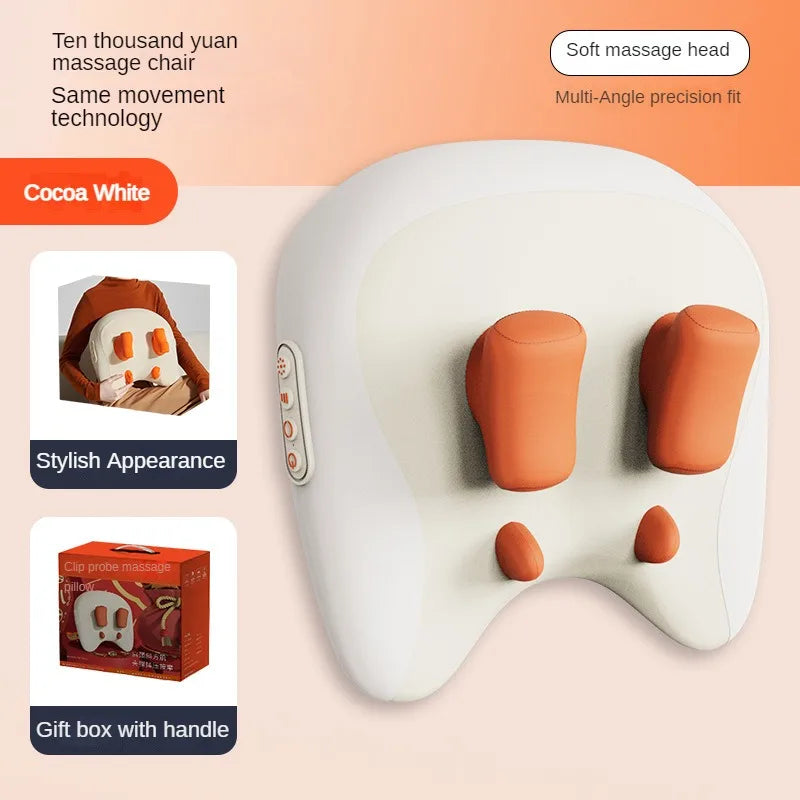
If you prefer less strain on your hands, devices like the KentDO Trapezius Electric Massage Pillow can provide consistent deep pressure for the neck and shoulders while helping maintain even pressure throughout the session.
Hands vs Massage Tools: Which Works Best?
The best choice depends on the muscle group you're treating, the amount of pressure you need, and how long you plan to massage. Your hands offer precise control for smaller trigger points, while massage tools reduce hand fatigue and make it easier to maintain consistent pressure during a deep tissue massage at home.
- Foam rollers: Best for large muscle groups such as the upper back, glutes, quadriceps, and hamstrings. They help improve mobility while covering broad areas efficiently.
- Massage balls: Ideal for targeting smaller trigger points in the shoulders, hips, feet, and upper back where precision matters.
- Massage guns: Useful for larger muscles before or after exercise. Start on the lowest speed and avoid using them directly over joints, bones, or the front of the neck.
- Electric massage pillows: Provide steady kneading for the neck and shoulders with less effort, making them a practical option for regular home use.
Manual techniques remain the best choice for delicate areas that require careful pressure adjustment, while massage tools can improve consistency and reduce fatigue during longer sessions.
Post-Massage Recovery and Stretching Routine
Recovery is an important part of any deep tissue massage at home. Giving your muscles time to adapt after treatment helps minimize soreness, maintain flexibility, and improve the overall effectiveness of your self-massage routine.
Hydration
Although massage does not "flush toxins," staying hydrated supports normal muscle function and overall recovery. Drinking water after your session also helps replace fluids lost through daily activity or exercise.
- Drink water throughout the next several hours.
- Avoid strenuous exercise immediately after treating sore muscles.
- Apply gentle heat if mild muscle stiffness develops later in the day.
Mobility Exercises
Follow your massage session with gentle mobility work instead of aggressive stretching. Controlled movement helps muscles maintain their improved range of motion without placing unnecessary stress on recently treated tissue.
- Perform light neck, shoulder, hip, or calf mobility exercises for 5 to 10 minutes.
- Use slow, pain-free stretches without bouncing.
- Walk for a few minutes to encourage comfortable movement and circulation.
Mild tenderness for up to 24 hours can be normal, especially after working on long-standing trigger points. You should notice that muscles gradually feel looser, movement becomes easier, and discomfort decreases over the following day. If soreness worsens, persists for several days, or is accompanied by swelling, bruising, or sharp pain, discontinue self-massage and seek medical evaluation.
FAQ
How often can I do a deep tissue massage at home?
For most healthy adults, performing a deep tissue massage at home 2–3 times per week is appropriate for the same muscle group. Allow at least 24–48 hours between sessions on areas that feel sore so the tissues have time to recover. You can work on different muscle groups on alternate days if needed.
Can deep tissue massage cause soreness?
Yes. Mild muscle tenderness for up to 24 hours is common, especially if you're new to self deep tissue massage or treating long-standing trigger points. However, severe pain, increasing soreness, bruising, or swelling usually indicates excessive pressure or an underlying issue and should not be ignored.
Is deep tissue massage safe for neck pain?
It can be safe for muscle-related neck tension when performed gently. Focus on the surrounding muscles, such as the upper trapezius, and avoid applying direct pressure over the cervical spine or the front of the neck. If neck pain follows an injury or is accompanied by numbness, weakness, or dizziness, seek medical evaluation before attempting self-massage.
Do I need oil or lotion?
Not always. Oil or lotion can reduce skin friction during gliding techniques, but it is optional for trigger point work where sustained pressure is more important than long strokes. Use only a small amount if it improves comfort.
Can I combine stretching with deep tissue work?
Yes. Gentle stretching or mobility exercises after a deep tissue massage can help maintain flexibility and encourage normal movement. Avoid aggressive stretching immediately after an intense session if the muscles feel tender.
How much pressure should I use?
Use pressure that feels firm but manageable—often around 4 to 6 on a 10-point discomfort scale. You should feel the muscle gradually relax, not experience sharp pain or involuntary muscle tightening.
How long should a self deep tissue massage last?
Spend about 5–10 minutes on each muscle group, with individual trigger points treated for approximately 30–60 seconds before moving on. Longer sessions are not necessarily more effective and may increase soreness.
When should I avoid deep tissue massage at home?
Avoid self deep tissue massage if you have a recent injury, fracture, significant swelling, an open wound, skin infection, unexplained severe pain, or symptoms such as numbness or radiating pain. If you have a medical condition affecting circulation or connective tissue, consult your healthcare provider before beginning an at-home deep tissue massage routine.
Pillar Article: Muscle Relaxer Home Remedy Guide: Simple Steps to Loosen Tension Fast (66 characters)
Other Related Articles:
- Best Shoulder Massager Machine Tips: How to Target Knots the Right Way
- The Best Neck Massage Machine: Step-by-Step Guide for Maximum Relief (65 characters)
- Neck Massager Benefits: How to Use One Daily for Less Tension & Better Sleep
Explore More: