

What Are the Key Neck Massager Benefits?
Neck massager benefits extend beyond temporary comfort. A quality device can help relieve muscle tension, encourage healthy blood circulation, reduce stress, improve sleep quality, and support better posture when used consistently. While it is not a replacement for medical treatment, daily massage can become an effective part of an at-home recovery routine for people experiencing mild neck stiffness from desk work, travel, exercise, or everyday stress.
Relieves Muscle Tension and Trigger Points
One of the most recognized neck massager benefits is its ability to ease tight muscles and reduce discomfort caused by prolonged sitting, poor posture, repetitive movements, or emotional stress. Shiatsu-style kneading nodes apply rhythmic pressure that mimics many techniques used during manual massage, helping relax muscle fibers and release common trigger points in the neck, shoulders, and upper trapezius.
Many users notice improved comfort after a 10–20 minute session, particularly when stiffness is related to everyday muscle fatigue rather than injury. Consistent use may also help reduce recurring tension before it becomes more severe.
Improves Blood Circulation
Massage encourages blood flow to the treated muscles, allowing oxygen and nutrients to reach fatigued tissues more efficiently while supporting the body's natural recovery process. Improved circulation may temporarily reduce stiffness, increase flexibility, and promote a greater feeling of warmth throughout the neck and shoulders.
Many neck massagers combine kneading with optional heat therapy, which may further enhance relaxation by helping muscles loosen before or after long periods of sitting.
Reduces Stress and Promotes Relaxation
Stress often causes people to unconsciously tighten their shoulders and neck throughout the day. Regular massage stimulates the body's natural relaxation response, helping reduce muscle guarding while encouraging a calmer state of mind.
For many people, using a neck massager during an evening wind-down routine provides both physical relief and mental relaxation, making it easier to transition from work to rest.
Supports Better Sleep
Neck massager benefits for sleep are closely connected to reduced muscle tension and improved relaxation. When tight muscles stop sending continuous discomfort signals, the nervous system can settle more easily, helping some people fall asleep faster and experience more restful sleep.
Using a neck massager 30 to 60 minutes before bedtime may be especially beneficial for individuals whose neck tightness is aggravated by long workdays, frequent screen use, or daily stress.
May Improve Posture and Mobility
Persistent muscle tightness often contributes to forward head posture, rounded shoulders, and restricted neck movement. Although a neck massager cannot directly correct posture, relaxing overworked muscles may make it easier to perform stretching and strengthening exercises that support healthier alignment.
People who spend extended hours at a computer or looking down at mobile devices often experience the greatest benefits of neck massager device use when massage is combined with regular movement breaks, ergonomic adjustments, and gentle mobility exercises.
⏱ 7 min read
Benefits of Neck Massager Device: How Daily Use Reduces Tension & Improves Sleep
Neck massager benefits go far beyond temporary relaxation. Used consistently, a neck massager can help relieve muscle tension, improve circulation, encourage relaxation, and support better sleep after demanding workdays. Whether your stiffness comes from hours at a computer, frequent travel, exercise, or everyday stress, understanding the benefits of a neck massager device helps you build a simple daily routine that supports long-term comfort instead of short-lived relief.
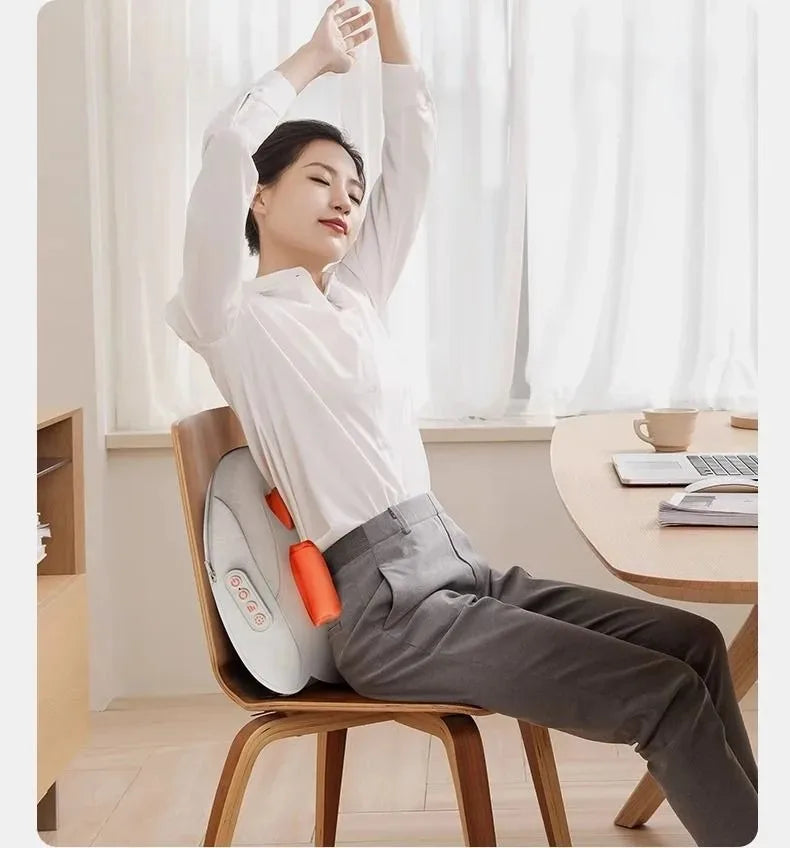
Neck massager benefits in action — See how consistent daily use can improve comfort and relaxation.
How Does a Neck Massager Work?
Different neck massager devices use different massage technologies, each designed to target muscle tension in a unique way. Understanding how each mechanism works makes it easier to choose the right device for your symptoms and expectations.
Shiatsu Kneading
Shiatsu massage uses rotating massage nodes that imitate the pressure and circular movements commonly used during hands-on massage. This deep-kneading action helps loosen tight muscles, reduce stiffness, and improve flexibility, making it one of the most effective options for neck massager for tension relief.
Heat Therapy
Gentle heat helps relax muscle tissue while promoting circulation throughout the neck and shoulders. Heat is especially useful before or during massage because warm muscles typically respond more comfortably to pressure, making sessions feel deeper without requiring excessive intensity.
Vibration and Percussion
Vibration delivers rapid, light stimulation that helps reduce feelings of muscle fatigue after prolonged sitting or repetitive activity. Percussion-style massage provides faster pulses that may help loosen larger muscle groups while creating a refreshing sensation during recovery.
EMS Technology
Some advanced neck massagers include electrical muscle stimulation (EMS), which sends gentle electrical impulses through the muscles. These low-level pulses are designed to stimulate muscle contractions and may complement traditional massage for users seeking additional muscle activation and relaxation.
Choosing the Right Massage Mechanism
The best massage technology depends on your primary concern. Shiatsu kneading generally works well for stubborn knots, heat therapy enhances relaxation, vibration helps reduce everyday muscle fatigue, and EMS may provide additional muscle stimulation. Many premium devices combine multiple technologies to deliver more comprehensive daily relief.
Why Daily Use Can Improve Neck Massager Results
Many people only reach for a neck massager when discomfort becomes difficult to ignore. However, using the device consistently—rather than occasionally—can help maintain muscle flexibility, reduce recurring stiffness, and support ongoing recovery. For most healthy adults, short daily sessions are more effective than infrequent, longer treatments because they help prevent tension from accumulating throughout the week.
Immediate vs Long-Term Benefits
While some neck massager benefits can be felt after a single session, others develop gradually with regular use as muscles and connective tissues remain more relaxed over time.
- Immediate: Temporary muscle relaxation, reduced tightness, and a greater feeling of comfort.
- Over several weeks: Improved neck mobility, fewer tension-related headaches, and easier daily movement.
- Long term: Better support for posture, reduced muscle stiffness, and a more consistent recovery routine when combined with stretching and healthy ergonomics.
How Muscles and the Nervous System Respond
Regular massage encourages muscles to stay more supple instead of tightening repeatedly after long periods of sitting or repetitive activity. Gentle pressure also stimulates the body's relaxation response, which may help lower stress levels and reduce the muscle guarding that often accompanies mental fatigue.
- ✨ Helps maintain muscle flexibility between workdays
- ✨ Encourages healthy circulation to tired muscles
- ✨ Supports natural shoulder and neck mobility
- ✨ Promotes relaxation after prolonged stress or screen time
Building a Consistent Recovery Routine
The greatest benefits usually come from making massage part of a broader self-care routine. Pairing your neck massager with light stretching, regular movement breaks, proper workstation ergonomics, and adequate hydration can help extend the effects of each massage session while reducing the likelihood of recurring muscle tension.
How Often Should You Use a Neck Massager?
How often should you use a neck massager? For most healthy adults, one or two sessions each day provide the best balance between effective muscle recovery and safe daily use. Short, consistent sessions generally produce better results than occasional extended treatments because they reduce the risk of muscle irritation while helping prevent stiffness from returning.
Recommended Session Length
Most manufacturers recommend using a neck massager for approximately 10 to 20 minutes per session . This duration is typically enough to relax tight muscles, stimulate circulation, and reduce discomfort without placing unnecessary stress on sensitive tissues.
If you are new to massage devices, begin with the lowest intensity setting and shorter sessions before gradually increasing duration as your muscles adapt.
Morning vs Evening Use
The ideal time depends on your daily routine and wellness goals.
- Morning: Helps reduce overnight stiffness, improve mobility, and prepare the neck and shoulders for a day of work or commuting.
- Evening: Supports relaxation after prolonged sitting, exercise, or screen use and may contribute to better sleep by easing accumulated muscle tension.
Many people find that combining a short morning session with another before bedtime provides the greatest overall comfort throughout the day.
When to Reduce Frequency
Although daily use is appropriate for most people, some situations require additional caution. Reduce the frequency or stop using the device if massage causes persistent soreness, increased pain, numbness, or skin irritation.
Individuals recovering from recent neck injuries, living with certain medical conditions, or experiencing unexplained neck pain should consult a qualified healthcare professional before beginning regular massage therapy. Listening to your body's response is the best guide for determining how long you should use a neck massager and how frequently it fits into your recovery routine.
How to Use a Neck Massager Safely Every Day
Using a neck massager correctly helps maximize comfort while reducing the risk of overuse. Rather than applying intense pressure immediately, follow a gradual routine that allows muscles to relax naturally. Consistency, gentle technique, and healthy recovery habits typically produce better long-term results than aggressive massage sessions.
Step-by-Step Routine
- Begin with a gentle warm-up — Start on the lowest intensity for 1–2 minutes to help muscles gradually loosen.
- Focus on the base of the neck — Position the massage nodes over the muscles on either side of the spine rather than directly on the vertebrae.
- Work across the shoulders and trapezius — Allow the device to target areas where tension commonly builds after computer work, driving, or repetitive activity.
- Finish with slower, lighter pressure — End the session by reducing intensity to encourage full muscle relaxation before returning to daily activities or bedtime.
Combining Massage with Stretching
Gentle neck and shoulder stretches performed after massage can help maintain the increased flexibility gained during the session. Slow range-of-motion exercises, shoulder rolls, and chest-opening stretches are often effective complements to massage because relaxed muscles typically respond better to mobility work.
Hydration and Recovery
Drinking water after massage supports normal recovery and encourages healthy muscle function. If muscles feel mildly tender after a session, reduce the intensity or shorten the next treatment rather than increasing pressure. Most people benefit more from regular moderate sessions than occasional deep massage.
For best results, pair your routine with devices designed for posture, mobility, and fatigue. You’ll find helpful tools in Body Care & Health Devices .
Daily technique for maximum neck massager benefits — Follow a consistent routine for lasting comfort.
Can a Neck Massager Help You Sleep Better?
Many people find that using a neck massager as part of their evening routine helps them unwind before bed. Relaxing tight muscles around the neck and shoulders may reduce physical discomfort that can interfere with falling asleep, while also supporting the body's natural transition into a calmer, more restful state.
Reducing Pre-Bed Muscle Tension
After a full day of sitting, working, or using digital devices, the muscles surrounding the neck and upper back often remain contracted. A short massage session before bedtime can help ease accumulated tension, making it easier to settle into a comfortable sleeping position.
Relaxing the Nervous System
Massage stimulates the parasympathetic nervous system, which is associated with rest and recovery. As the body shifts away from a heightened stress response, many users notice a greater sense of calm before sleep.
- Supports relaxation before bedtime
- May help reduce nighttime muscle discomfort
- Encourages a slower, calmer evening routine
- Can complement healthy sleep habits when used consistently
Best Time Before Bed
For many users, a 10 to 20 minute massage approximately 30 to 60 minutes before bedtime provides the greatest comfort. Pairing massage with other relaxing habits—such as reducing screen time, gentle stretching, or quiet reading—may further support restful sleep.
Many users report falling asleep more comfortably after using a neck massager, especially when paired with calming routines from Lifestyle .
Neck Massager Benefits vs. Stretching, Exercise, Heat, and Professional Massage
No single recovery method is ideal for every situation. A neck massager can provide convenient at-home relief for everyday muscle tension, but combining it with stretching, exercise, or professional care often delivers the best long-term results. The right choice depends on whether your goal is temporary comfort, improved mobility, ongoing recovery, or treatment for persistent pain.
When Massage Is Enough
A neck massager is often an effective option for mild muscle tightness caused by prolonged desk work, poor posture, travel, or everyday stress. Regular use can help reduce stiffness, encourage relaxation, and support healthy circulation without requiring an appointment.
For many people, short daily sessions combined with healthy movement habits are sufficient to manage occasional muscle discomfort.
When Exercise Works Better
Massage relaxes muscles, but it does not strengthen them. If recurring neck discomfort is linked to weak postural muscles, limited mobility, or poor workstation ergonomics, targeted stretching and strengthening exercises remain essential for lasting improvement.
Combining massage with mobility exercises often produces better long-term outcomes than relying on either approach alone.
When to Seek Professional Care
If neck pain is severe, follows an injury, radiates into the arms, or is accompanied by numbness, weakness, or persistent symptoms, consult a qualified healthcare professional. A neck massager is designed to support everyday muscle recovery and should not replace medical evaluation for serious or unexplained conditions.
| Method | Best For | Advantages | Limitations |
|---|---|---|---|
| Neck Massager | Daily muscle tension and recovery | Convenient, consistent pressure, easy home use | Does not treat underlying medical conditions |
| Stretching | Improving flexibility and mobility | Supports posture and joint movement | Requires consistency and proper technique |
| Heat Therapy | Temporary muscle relaxation | Comforting warmth before or after activity | Relief is generally short-lived when used alone |
| Professional Massage | Persistent muscle tightness and deep tissue work | Personalized treatment from a trained therapist | Higher cost and limited availability |
| Exercise | Long-term posture and muscle strength | Addresses underlying movement patterns | Benefits develop gradually with regular practice |
Is a Neck Massager Safe to Use Daily?
For most healthy adults, using a neck massager daily is generally safe when the device is used according to the manufacturer's instructions. Keeping sessions brief, using appropriate pressure, and paying attention to your body's response can help maximize neck massager benefits while minimizing the risk of irritation or overuse.
Who Should Avoid or Consult a Doctor First
Although neck massagers are suitable for many users, certain individuals should seek medical guidance before beginning regular use.
- People recovering from recent neck or spinal injuries
- Individuals with severe or unexplained neck pain
- Those with implanted medical devices, such as pacemakers, especially when using EMS-enabled products
- People with osteoporosis, fractures, bleeding disorders, or other conditions affecting the neck and spine
- Anyone experiencing numbness, tingling, or pain that radiates into the arms
Safe Usage Guidelines
Following a few simple precautions helps ensure comfortable and effective daily use.
- Limit sessions to approximately 10–20 minutes.
- Begin with the lowest comfortable intensity before increasing pressure.
- Avoid placing massage nodes directly over the spine or inflamed areas.
- Stop immediately if massage causes sharp pain, dizziness, or unusual discomfort.
- Allow muscles time to recover if soreness persists after treatment.
Common Mistakes to Avoid
- Applying excessive pressure in an attempt to remove stubborn knots quickly.
- Using the device continuously for extended periods beyond the recommended session length.
- Falling asleep while the massager is operating.
- Ignoring persistent pain instead of seeking professional medical advice.
- Using massage as a substitute for appropriate medical evaluation when symptoms worsen.
Why the Kentdo Trapezius Electric Massage Pillow Is a Practical Option
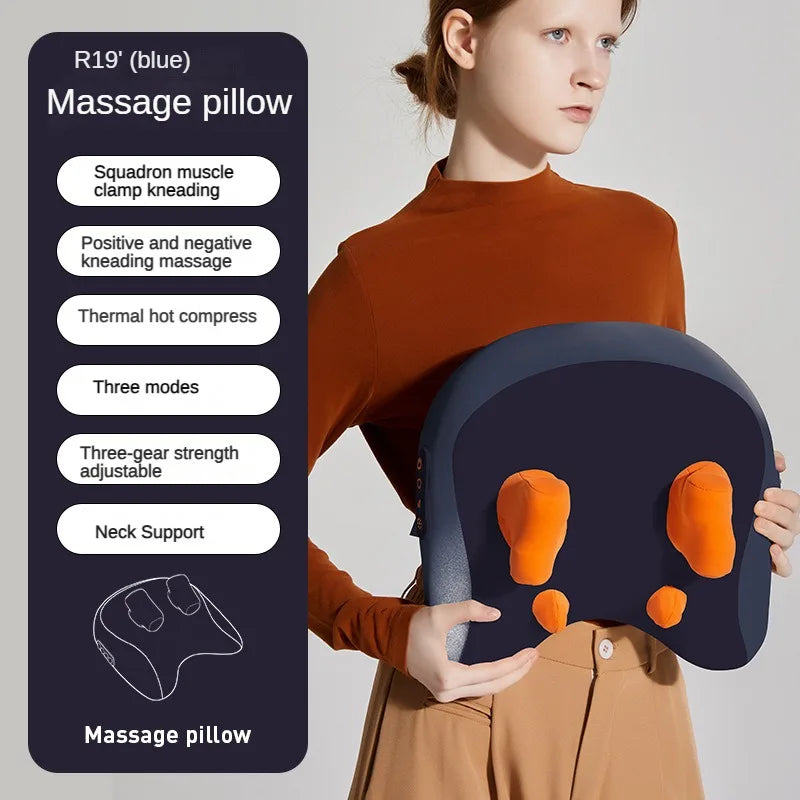
For users seeking convenient at-home muscle relief, the Kentdo Trapezius Electric Massage Pillow combines features that support comfortable daily use while targeting the muscles most commonly affected by posture-related tension.
Key Features
- ✔ Ergonomically designed to fit the neck, shoulders, and trapezius muscles
- ✔ Deep-kneading massage nodes help target tight muscle groups
- ✔ Integrated heat therapy promotes additional relaxation during massage
- ✔ Compact, lightweight design suitable for home or travel use
- ✔ Simple controls for convenient daily recovery sessions
Best Use Cases
This massage pillow is particularly well suited for people whose daily routines contribute to recurring muscle tightness.
- Desk workers experiencing neck and shoulder stiffness
- Frequent travelers dealing with muscle fatigue after long journeys
- People managing mild, recurring trapezius and upper-back tension
- Individuals looking to relax before bedtime as part of an evening wellness routine
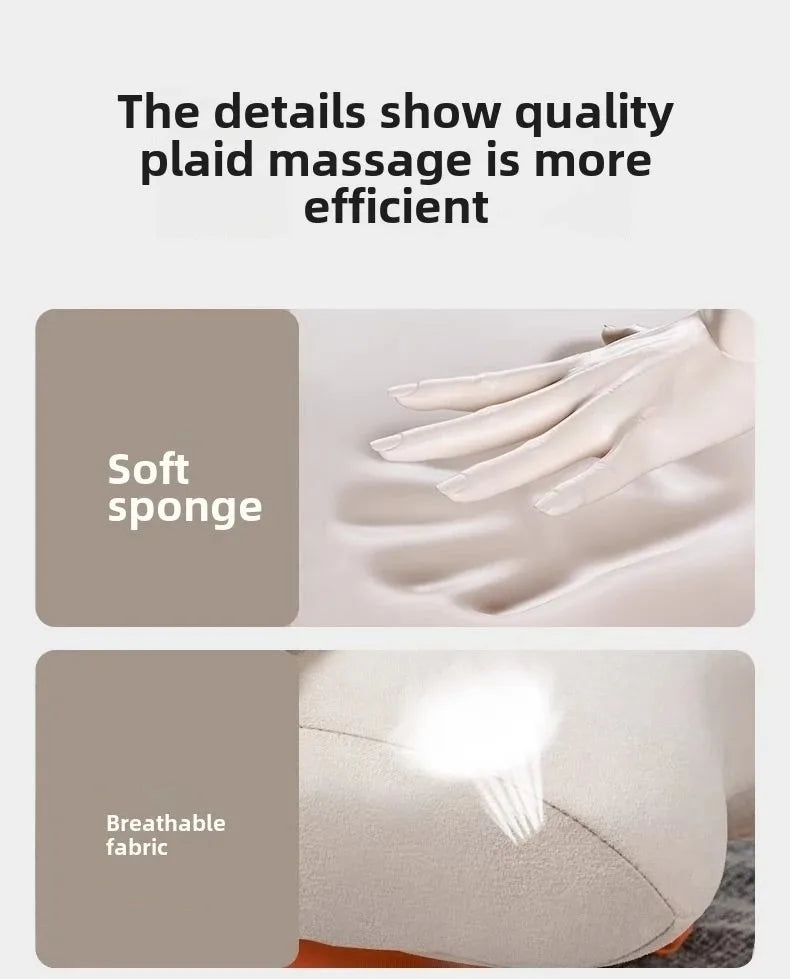
Experience deeper neck massager benefits with targeted kneading and soothing heat designed for everyday comfort.
Frequently Asked Questions
How does a neck massager work?
Most neck massagers use rotating Shiatsu-style massage nodes, vibration, heat therapy, or EMS technology to help relax tight muscles, improve circulation, and reduce muscle tension. Different massage mechanisms provide different sensations, so choosing the right device depends on your comfort preferences and recovery goals.
How often should I use a neck massager?
Most healthy adults benefit from using a neck massager once or twice a day. Consistent sessions lasting 10 to 20 minutes are generally more effective than occasional extended use because they help maintain muscle flexibility without overworking the tissues.
How long should each neck massage session last?
Most manufacturers recommend limiting each session to approximately 10–20 minutes. Beginners should start with shorter sessions at a lower intensity and gradually adjust based on comfort and how their muscles respond.
Can I use a neck massager every day?
Yes. Daily use is considered safe for most people when the device is used according to the manufacturer's instructions. If massage causes increased pain, prolonged soreness, dizziness, or numbness, discontinue use and consult a healthcare professional.
Is a neck massager safe to use daily?
For most users, daily massage is safe when sessions remain moderate and proper technique is used. People with recent injuries, severe neck pain, implanted medical devices, or certain medical conditions should seek medical advice before beginning regular massage therapy.
Can a neck massager improve sleep?
Many users find that relaxing tight neck and shoulder muscles before bedtime helps them unwind more easily. While results vary, using a neck massager as part of a calming evening routine may support better sleep quality by reducing physical tension and promoting relaxation.
Can a neck massager help tension headaches?
It may. Tension headaches are often associated with tight muscles in the neck and shoulders. By reducing muscle tightness and improving relaxation, a neck massager can help relieve headache symptoms for some people, although persistent or severe headaches should be evaluated by a healthcare professional.
Should you stretch before or after using a neck massager?
Light stretching after massage is often recommended because muscles are generally warmer and more relaxed, making gentle mobility exercises more comfortable. Avoid aggressive stretching if you experience pain or discomfort.
Pillar Article: Muscle Relaxer Home Remedy Guide: Simple Steps to Loosen Tension Fast
Other Related Articles:
Explore More:













