

What Is the Best Neck Massage Machine for Fast Tension Relief?
The best neck massage machine combines deep-kneading shiatsu massage, adjustable heat, multiple intensity levels, and an ergonomic wrap-around design that comfortably targets the trapezius, shoulders, and cervical muscles. For many people with everyday muscle tension, the right settings can help reduce stiffness, improve short-term mobility, and provide relaxing muscle relief within a 15–20 minute session.
Who Benefits Most from Heated Neck Massagers
A heated neck massager may be a good option for people who experience:
- Neck and shoulder tension from desk work or prolonged screen time
- Stress-related muscle tightness
- Mild to moderate chronic muscular stiffness
- Post-workout muscle soreness around the neck and upper back
- People looking for convenient at-home relaxation between professional massage sessions
When Heat Therapy Is the Right Choice
Heat works best when muscles feel tight, stiff, or sore rather than acutely injured. Gentle warmth increases local blood flow, helping muscles relax before massage begins. Many of the best neck massager machines for day spas and home use combine heat with shiatsu kneading because the two therapies complement one another.
When to Seek Medical Evaluation Instead
A massage device should not replace medical care. Seek evaluation if neck pain follows trauma, is accompanied by arm weakness, numbness, fever, unexplained weight loss, severe headaches, or persists despite several weeks of conservative care. These symptoms may indicate conditions requiring professional diagnosis.
Heated Massager Settings for Chronic Neck Pain Relief (Step-by-Step Guide)
⏱ 7 min readIf you're searching for the best neck massage machine to relieve chronic stiffness and tension fast, the real difference comes down to how you use it. This guide explains the most effective heat levels, intensity modes, and session timing to maximize muscle relaxation while using a heated neck massager safely.
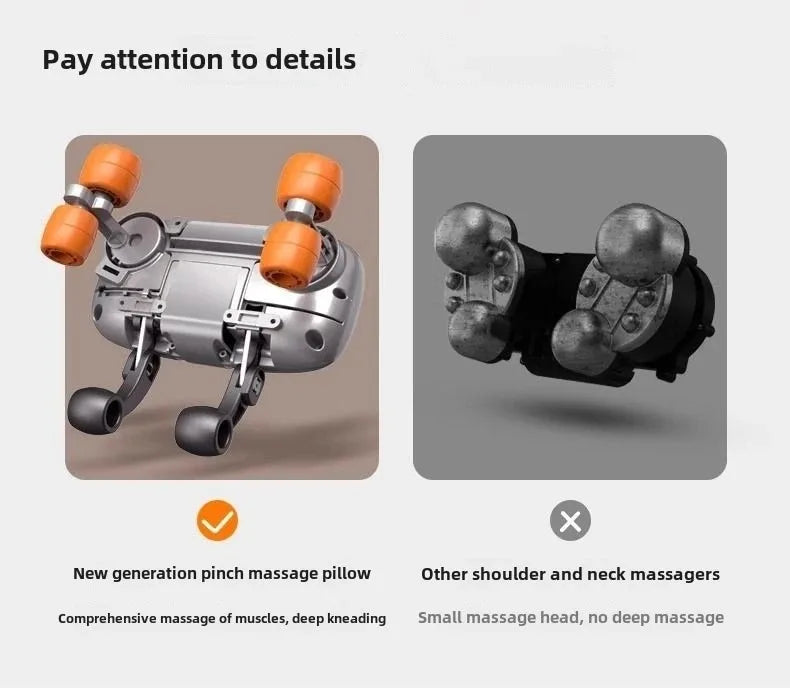
Experience deep tissue comfort with a heated shiatsu neck massager.
What Are the Best Heated Massager Settings for Chronic Neck Pain Muscle Relaxation?
The best heated massager settings for chronic neck pain muscle relaxation combine moderate heat, comfortable pressure, and appropriate session length . Rather than choosing maximum intensity immediately, gradually increasing warmth and pressure usually produces better muscle relaxation with less post-treatment soreness.
Ideal Heat Levels for Chronic Pain
For most adults, low to medium heat (approximately 40–45°C) provides effective comfort while reducing the risk of skin irritation.
- Low heat: Everyday stiffness, morning tightness, maintenance sessions
- Medium heat: Chronic muscle tightness and stubborn knots
- High heat: Generally unnecessary for routine use and should be used cautiously if available
Recommended Intensity Modes
- Shiatsu kneading: Best for deep muscle knots and trapezius tightness
- Rolling: Gentle muscle relaxation and improved flexibility
- Vibration: Better for people who find deep kneading uncomfortable
- Combination modes: Useful when alternating between warming and deeper massage
Optimal Session Duration and Frequency
- 15–20 minutes per session
- 1–2 sessions daily if comfortable
- Leave several hours between treatments
- Include 1–2 lighter recovery days each week if using high-intensity massage frequently
Settings by Pain Severity
| Pain Level | Heat | Massage Mode | Recommended Time |
|---|---|---|---|
| Mild stiffness | Low | Rolling | 10–15 min |
| Moderate tension | Medium | Shiatsu | 15–20 min |
| Muscle knots | Medium | Deep kneading | 15–20 min |
| Highly sensitive muscles | Low | Vibration | 10–15 min |
Why Chronic Neck Pain Happens (And How Heat + Massage Helps)
Neck discomfort often develops from a combination of muscle stiffness, prolonged sitting, repetitive posture, stress, and reduced movement . Heat helps relax muscles before massage, while kneading pressure may temporarily decrease muscle tension and improve comfort.
Muscle Stiffness vs. Nerve Irritation
Muscular pain is usually dull, tight, or aching, while nerve irritation may produce tingling, burning, or radiating symptoms into the shoulder or arm. Massage is generally more appropriate for muscular tightness than significant nerve compression.
Why Heat Improves Circulation and Relaxation
Gentle warmth increases local circulation, helping muscles become more pliable before deep kneading. Many users find this combination feels more comfortable than massage alone.
When Massage Works Better Than Stretching
If muscles are too tight to stretch comfortably, using a heated massager first often allows subsequent stretching to feel easier and less painful.
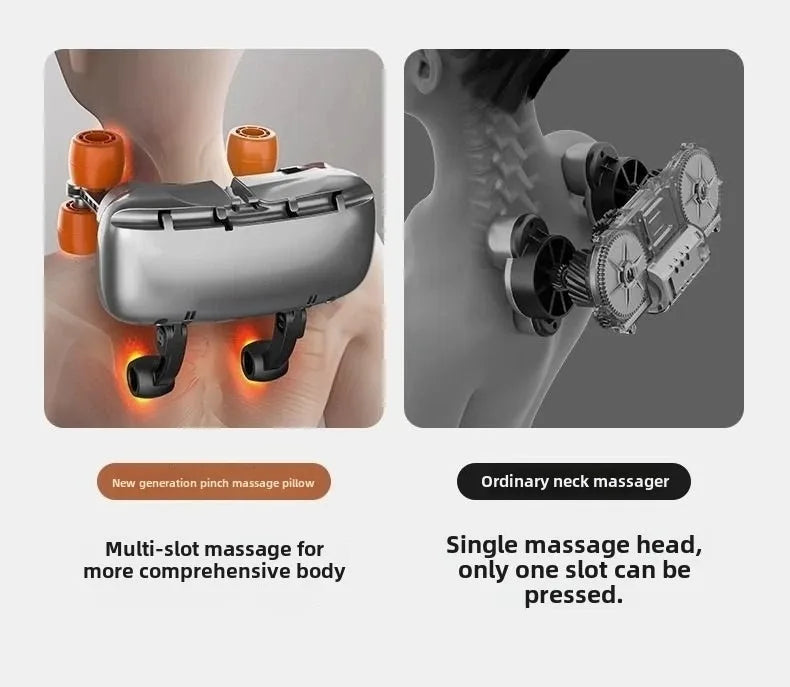
Deep kneading combined with gentle heat can help loosen stubborn muscle tension.
Step-by-Step: How to Use a Heated Neck Massager for Chronic Neck Pain
Step 1 — Position the Massager Correctly
Rest the massage nodes against the muscles beside the cervical spine instead of directly over the vertebrae. Adjust the straps so the pressure feels firm but comfortable.
Step 2 — Start with Low Heat
Allow the muscles to warm for 3–5 minutes before increasing massage intensity.
Step 3 — Choose the Right Intensity Mode
Begin with moderate pressure and only increase intensity if it remains comfortable throughout the session.
Step 4 — Limit Session Time
Most people achieve excellent results within 15–20 minutes. Longer sessions generally do not improve results and may increase soreness.
Step 5 — Follow with Gentle Movement
Finish with light neck mobility exercises and shoulder rolls to help maintain flexibility after massage.
Best Heated Massager Settings by Pain Type
Desk-Related Neck Stiffness
- Heat: Low to medium
- Mode: Rolling or gentle kneading
- Time: 10–15 minutes
Chronic Muscle Knots
- Heat: Medium
- Mode: Shiatsu deep kneading
- Time: 15–20 minutes
Stress-Related Tightness
- Heat: Medium
- Mode: Combination massage
- Time: About 15 minutes
Radiating Pain and When to Stop
If pain shoots into the arm, numbness develops, or symptoms worsen during massage, discontinue use and seek medical advice before continuing treatment.
Common Mistakes That Reduce Neck Pain Relief
Using Maximum Heat Too Soon
Starting with maximum heat can irritate sensitive tissues. Allow muscles to warm gradually before increasing intensity.
Overusing Daily Sessions
More massage is not always better. Multiple long sessions may leave muscles tender rather than relaxed.
Poor Device Positioning
Pressure should target muscles instead of pressing directly on the spine or throat. Small positioning adjustments often make a significant difference in comfort.
Daily & Weekly Neck Pain Relief Routine (Physio-Inspired Protocol)
Morning Routine
Use low heat with gentle vibration or rolling for 10 minutes to reduce overnight stiffness.
Post-Work Recovery
Apply medium heat with kneading mode for 15–20 minutes after prolonged computer work or driving.
Weekly Deep-Relief Schedule
Schedule deeper shiatsu sessions three to four times each week while incorporating gentle mobility exercises on recovery days.
Comparison: Manual vs. Shiatsu vs. Heated Neck Massagers
| Type | Best For | Advantages | Limitations |
|---|---|---|---|
| Manual | Occasional soreness | Portable, inexpensive | Requires user effort |
| Shiatsu | Muscle knots | Deep kneading pressure | No heat on some models |
| Heated Shiatsu | Chronic muscular tension | Combines warmth and deep massage | Requires access to power or battery |
Heat vs. No Heat
Heat helps prepare muscles for massage, while non-heated devices rely solely on mechanical pressure.
Who Each Type Is Best For
Occasional users may prefer simple manual tools, while people with frequent muscular tension often benefit from heated shiatsu models.
When Combination Therapy Works Best
Many users obtain the best results by combining massage with regular stretching, posture improvements, and strength exercises recommended by healthcare professionals.
Neck Massager Buying Guide
Must-Have Features
- Adjustable heat settings
- Multiple massage modes
- Automatic shutoff timer
- Comfortable wrap-around design
- Easy-to-clean materials
Heat and Intensity Controls
Independent heat and massage controls provide greater flexibility than single-button operation, allowing users to personalize treatments for different symptoms.
What to Avoid
- Devices with only one fixed intensity
- Poor ergonomic support
- Uncomfortable massage nodes
- Models lacking automatic safety shutoff
Home vs. Spa Models
Home devices prioritize convenience and portability, while professional spa equipment generally offers larger motors and extended treatment options. Most users can achieve excellent daily relief using a quality heated home massager.
Explore more options in our Body Care and Health Devices collection.
Safety Tips and When Not to Use Heated Massager Settings
Medical Conditions to Watch
- Recent fractures or acute injuries
- Open wounds or skin infections
- Severe osteoporosis affecting the neck
- Known cervical spine instability unless cleared by a clinician
Signs You're Overusing It
- Persistent soreness lasting more than a day
- Skin redness that does not fade
- Headaches triggered during treatment
- Increasing discomfort after repeated sessions
Safe Heat and Time Limits
- Keep sessions within 20 minutes
- Start with low heat
- Allow muscles time to recover between sessions
Is a Heated Neck Massager Safe for Chronic Neck Pain?
For most healthy adults with muscular neck tension, heated neck massagers are generally safe when used according to the manufacturer's instructions. If you have significant neurological symptoms, inflammatory conditions, or chronic spinal disorders, consult a healthcare professional before use.
FAQ
How long should you use a heated neck massager?
Most sessions should last between 15 and 20 minutes. Longer treatments rarely provide additional benefit and may increase muscle soreness.
Can I use a heated neck massager every day?
Yes. Many people safely use a heated neck massager once or twice daily, provided they follow recommended session lengths and discontinue use if symptoms worsen.
What heat setting is best for muscle relaxation?
Low to medium heat typically provides the best balance between comfort and muscle relaxation for chronic muscular tension.
Should I use heat before or after stretching?
Using gentle heat before stretching often helps muscles relax, making stretches feel more comfortable. After stretching or exercise, heat may also help ease lingering muscle tightness if there is no acute injury or swelling.
Pillar Article: Muscle Relaxer Home Remedy Guide: Simple Steps to Loosen Tension Fast
Other Related Articles:
- Best Shoulder Massager Machine Tips: How to Target Knots the Right Way
- Neck Massager Benefits: How to Use One Daily for Less Tension & Better Sleep
- A Deep Tissue Massage at Home: How to Do It Safely for Real Relief
Explore More:













