

What Is Deep Tissue Massage and How Does It Work?
Deep tissue massage is a therapeutic massage technique that uses slow, sustained pressure to target deeper layers of muscle and connective tissue (fascia). Rather than focusing primarily on relaxation, a deep tissue massage aims to address persistent muscle tightness, restricted movement, and areas of tension that may develop from repetitive activity, prolonged sitting, or strenuous exercise.
How Deep Tissue Massage Works Beneath Superficial Muscle Layers
During a deep tissue massage, therapists commonly combine slow gliding strokes, friction, cross-fiber work, trigger point techniques, and focused pressure. These deep tissue massage techniques are selected based on your anatomy, symptoms, and movement patterns—not because one technique is universally better than another.
The goal is to help improve tissue mobility, reduce muscle tightness, encourage healthy circulation, and restore comfortable movement over time. While many people notice temporary relief after treatment, lasting improvement often depends on factors such as exercise habits, posture, recovery routines, and the underlying cause of the discomfort.
What to Expect During a Deep Tissue Massage Session
A typical session lasts between 45 and 90 minutes. Your therapist will usually begin with lighter pressure to warm the tissues before gradually working into deeper muscle layers.
- Pressure should feel firm but tolerable—not sharply painful.
- Communication with your therapist is important throughout the session.
- Some tenderness during treatment is normal, but severe pain is not.
- Temporary soreness for one to three days may occur afterward.
Deep tissue massage is often misunderstood as simply being a more painful massage. In reality, effective treatment relies on appropriate pressure, proper technique, and individualized assessment rather than maximum force.
A Deep Tissue Massage Review: The 7 Best Techniques That Actually Work
If you've ever wondered whether a deep tissue massage is worth the discomfort, you're not alone. This guide explains how deep tissue massage works, explores the most widely used techniques, compares it with Swedish massage, and reviews when it may help relieve upper body soreness or support muscle recovery. You'll also learn who should avoid deep tissue massage and how at-home recovery tools can complement professional treatment.
⏱ 9 min read
Discover how a deep tissue massage may help ease muscle tightness and support recovery when used appropriately.
Looking for recovery tools between massage sessions? Explore the best body care and health devices designed to complement stretching, mobility work, and massage.
Deep Tissue Massage Benefits: What Does the Evidence Suggest?
Potential Benefits for Muscle Tightness and Upper Body Soreness
Research suggests that deep tissue massage may help reduce muscle tightness, temporarily decrease pain, improve range of motion, and promote relaxation for some individuals. Results vary depending on the cause of the symptoms, the treatment plan, and the person's overall health.
- May improve mobility in stiff muscles and connective tissue
- Can help relieve upper body soreness associated with prolonged sitting or repetitive movement
- May temporarily reduce neck, shoulder, and back discomfort
- Often complements exercise, stretching, and physical therapy
Deep Tissue Massage for Muscle Recovery
Many athletes and recreational exercisers use deep tissue massage as part of a broader recovery strategy. While massage is unlikely to dramatically speed muscle healing on its own, it may reduce the perception of soreness, encourage relaxation, and make it easier to return to normal movement after strenuous activity.
What You May Notice After One Session
Some people experience improved flexibility or less stiffness after a single treatment, while others require multiple sessions before noticing meaningful changes. Factors such as chronic muscle tension, previous injuries, daily activity levels, and posture all influence outcomes.
The Best Deep Tissue Massage Techniques Explained
Instead of ranking techniques from best to worst, it's more helpful to understand what each method is designed to accomplish. Skilled therapists often combine several approaches during the same treatment.
| Technique | Primary Purpose | Common Treatment Areas | Typical Pressure |
|---|---|---|---|
| Effleurage (Slow Gliding) | Warm tissues and improve circulation | Back, legs, shoulders | Light to moderate |
| Petrissage (Kneading) | Mobilize muscle tissue | Upper back, calves, thighs | Moderate |
| Cross-Fiber Friction | Address restricted tissue mobility | Tendons and muscle attachments | Firm |
| Stripping | Follow muscle fibers to reduce tension | Back, hamstrings, quadriceps | Deep, slow pressure |
| Trigger Point Therapy | Target localized tender areas | Neck, shoulders, upper back | Firm and focused |
| Myofascial Techniques | Improve fascial mobility | Chest, neck, hips | Gentle, sustained |
| Assisted Stretching | Increase flexibility | Whole body | Customized |
Effleurage and Slow Gliding Strokes
These strokes prepare muscles for deeper work while helping therapists identify areas of restriction.
Petrissage and Kneading
Kneading techniques gently lift and compress muscle tissue, which may improve mobility and reduce feelings of tightness.
Friction and Cross-Fiber Techniques
Short, targeted movements are commonly used around tendons or areas where tissues have become less mobile.
Stripping and Focused Pressure
Slow pressure applied along the length of a muscle can help address persistent tension in larger muscle groups.
Trigger Point and Myofascial Techniques
These approaches focus on specific sensitive areas or connective tissue restrictions that may contribute to movement limitations.
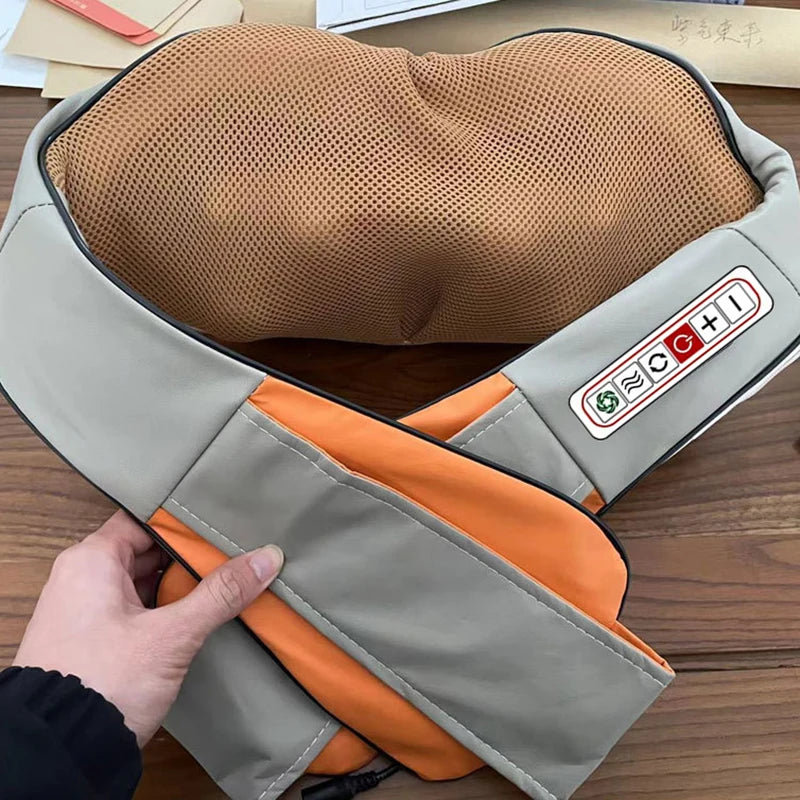
For home maintenance between appointments, some people choose massage devices such as the KentDO Kneading Shawl Massager . While these tools cannot replace a trained therapist's assessment, they may help support regular self-care for muscle tightness.

Massage devices can complement stretching and recovery routines between professional treatments.
Ready to recover faster? Get yours now — limited stock!
Deep Tissue Massage vs Swedish Massage: Which Is Better for You?
Pressure and Technique Differences
Swedish massage typically uses lighter pressure and rhythmic strokes to promote relaxation. Deep tissue massage uses slower, more focused pressure aimed at deeper muscle layers.
| Deep Tissue Massage | Swedish Massage |
|---|---|
| Firm, focused pressure | Light to moderate pressure |
| Targets persistent muscle tension | Promotes relaxation and stress reduction |
| May cause temporary soreness | Usually gentle afterward |
| Often used for mobility and recovery goals | Often chosen for general wellness |
Best Uses for Each Massage Type
Deep tissue massage may be appropriate for ongoing muscle tightness or post-exercise recovery, while Swedish massage is often preferred for relaxation, stress management, and first-time massage clients.
Which Option May Be Better for Muscle Recovery?
There is no single best type of massage for muscle recovery. The right choice depends on your goals, pain tolerance, training demands, and medical history.
Who Should Get a Deep Tissue Massage—and Who Should Avoid It?
When Should You Get a Deep Tissue Massage?
- Persistent muscle tightness
- Recovery after intense physical activity
- Reduced mobility caused by muscle stiffness
- Recurring neck, shoulder, or upper back tension
Who May Benefit From Deep Tissue Massage?
Office workers, active individuals, recreational athletes, and people with repetitive-use muscle tension often find deep tissue massage helpful when combined with exercise, stretching, and healthy movement habits.
Who Should Avoid Deep Tissue Massage or Ask a Doctor First?
Deep tissue massage may not be appropriate for everyone. Speak with a healthcare professional before treatment if you have:
- Blood clotting disorders or take blood thinners
- Recent fractures or surgery
- Active infection or fever
- Open wounds or skin infections
- Acute inflammation or severe unexplained pain
- Known blood clots or vascular conditions
What Happens During and After a Deep Tissue Massage?
Before the Session: Assessment and Preparation
Your therapist will usually ask about your symptoms, activity level, injuries, and health history before selecting appropriate techniques.
During the Session: Pressure, Communication, and Technique
Good communication helps ensure treatment remains therapeutic rather than excessively painful. Sharp or radiating pain should always be reported immediately.
After the Session: Soreness and Recovery Timeline
Temporary soreness, tenderness, or mild fatigue can occur for 24 to 72 hours. Gentle movement, hydration, and stretching often help people feel more comfortable afterward. If severe pain, numbness, significant swelling, or worsening symptoms develop, seek medical advice.
For ongoing maintenance between appointments, the KentDO Kneading Shawl Massager can provide targeted pressure for commonly affected areas such as the neck, shoulders, and upper back as part of a balanced recovery routine.

At-home massage tools can complement stretching, mobility exercises, and professional care.
Deep Tissue Massage Side Effects, Risks, and Safety
Common Short-Term Side Effects
- Mild soreness
- Tenderness
- Temporary fatigue
- Occasional minor bruising
When Massage May Cause Problems
Excessive pressure, inappropriate technique, or massage over injured tissues may increase discomfort rather than improve it. Treatment should always be adapted to the individual.
When to Seek Medical Advice Instead of Massage
Persistent pain without an obvious cause, severe swelling, numbness, fever, sudden weakness, or symptoms following significant injury should be medically evaluated before seeking massage therapy.
Is Deep Tissue Massage Worth It for Muscle Recovery and Tightness?
When Deep Tissue Massage May Be Worth Considering
If your primary goal is managing persistent muscle tightness, improving mobility, or supporting post-exercise recovery, deep tissue massage may be a useful addition to a comprehensive recovery program.
When Another Recovery Approach May Be Better
Some conditions respond better to physical therapy, mobility exercises, strength training, heat therapy, or medical treatment rather than massage alone.
Professional Massage vs At-Home Recovery Tools
Professional therapists can assess movement patterns and tailor techniques to individual needs. At-home devices, stretching, and heat therapy can help maintain progress between appointments but should not replace medical evaluation for persistent or unexplained pain.
Support your recovery routine at home. Shop the KentDO Kneading Shawl Massager now to complement stretching, mobility work, and professional massage.
FAQs About Deep Tissue Massage
How often should I get a deep tissue massage?
Many people benefit from a session every two to four weeks for general maintenance. Athletes or individuals with persistent muscle tightness may benefit from more frequent treatment based on professional guidance.
Is deep tissue massage painful?
Deep tissue massage can feel intense, but treatment should remain within a tolerable level of discomfort. Sharp or severe pain is not expected and should be communicated immediately.
Can I do deep tissue massage at home?
Yes. Massage tools such as the KentDO Kneading Shawl Massager may help manage everyday muscle tightness, although they do not replace professional assessment when symptoms persist.
How long does soreness last after deep tissue massage?
Most post-massage soreness resolves within one to three days. Gentle movement, hydration, and adequate rest may help reduce discomfort.
Is deep tissue massage good for muscle recovery?
It may help reduce the perception of soreness and improve mobility as part of a broader recovery strategy that includes exercise, sleep, hydration, and proper nutrition.
Can deep tissue massage help upper body soreness?
It may help relieve muscle tightness affecting the neck, shoulders, and upper back, particularly when those symptoms are related to muscle overuse or prolonged posture.
When should I avoid deep tissue massage?
Avoid deep tissue massage if you have an acute injury, active infection, uncontrolled bleeding risk, suspected blood clot, or another condition where your healthcare provider advises against massage.
Explore more beauty and self-care tips for total body wellness.
Pillar Article: Benefits of Hot Stone Massage: What You Didn’t Know About Its Hidden Healing Power
Other Related Articles:
- Back Massager Benefits Compared: The Truth Behind Pain Relief Devices
- Heat Massager for Neck and Shoulders: 5 Models Ranked Best for 2025
- Benefits of Hot Rock Massage vs Heated Massagers — Which One Is Better for You?
- Back and Neck Care Reviews: The 5 Massagers That Changed Everything
Explore More:













