

Discover evidence-based back massager benefits and the benefits of heated massager therapy for relieving muscle tension, improving comfort, and supporting everyday back care.
Whether you spend long hours at a desk, recover from workouts, or simply wake up with a stiff back, choosing the right massage device can make a meaningful difference. This guide examines the science behind modern pain relief devices , explains how different massage technologies work, and compares their strengths, limitations, and ideal use cases.
Rather than relying on marketing claims alone, you'll learn what current evidence suggests about massage therapy, circulation, muscle relaxation, and heat therapy so you can decide whether a back massager fits your needs. If you're looking for practical ways to relieve back tension safely and effectively, this comparison will help you make an informed choice.
How Back Massagers Work for Real Relief
Back massagers are designed to address one of the most common causes of everyday discomfort: tight, overworked muscles. While they cannot treat structural spinal conditions or replace medical care, quality massage devices may help reduce muscle tension, improve local circulation, and encourage relaxation, making them a practical addition to a long-term back care routine.
- Kneading motion uses rotating massage nodes that mimic the pressure of a therapist's hands, helping loosen muscle knots and reduce stiffness in the upper and lower back.
- Vibration therapy delivers gentle rhythmic stimulation that may relax superficial muscles, ease post-exercise fatigue, and improve comfort during extended sitting.
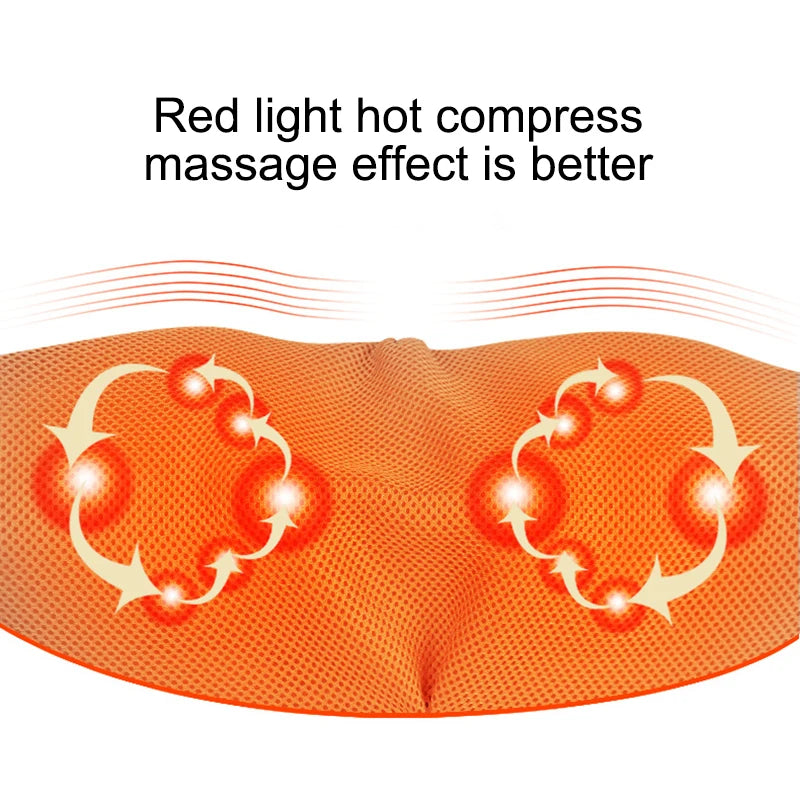
- Heat therapy warms soft tissues, encouraging blood flow and making tight muscles more receptive to massage while helping reduce the sensation of stiffness.
These features work best when combined with healthy movement, stretching, and good posture habits. Most people experience temporary relief after each session, while consistent use may help reduce recurring muscle tightness caused by desk work, exercise, or everyday physical demands.
The KentDO Kneading Shawl Massager combines deep-kneading massage with optional heat, making it suitable for users seeking targeted relief for the neck, shoulders, upper back, and lower back. Adjustable intensity and ergonomic positioning also allow users to tailor each session to their comfort level.
Benefits of Heated Massager—Does Heat Really Help?
The benefits of heated massager technology extend beyond simple comfort. Gentle therapeutic heat relaxes muscles before and during massage, allowing tight tissues to become more pliable and making massage pressure feel both more comfortable and more effective. While heat is not a cure for chronic back conditions, it can provide temporary relief from muscle stiffness and everyday aches.
- Helps ease muscle tension and stiffness by increasing tissue flexibility, particularly after prolonged sitting or physical activity.
- Supports healthy circulation , delivering oxygen and nutrients to soft tissues that are recovering from normal daily strain.
- Promotes relaxation by calming tense muscles, which may reduce stress-related tightness and improve overall comfort.
- May improve mobility before stretching or light exercise , making movement feel easier for people with mild muscle stiffness.
Heat therapy is often most effective when paired with massage rather than used alone. The combination helps massage nodes move more comfortably across tight muscles, which can make each session feel more relaxing. For many people, using a heated back massager for 10 to 20 minutes in the evening also supports a calming bedtime routine.
Although heated massage is suitable for many healthy adults, avoid applying heat to areas with acute injuries, significant swelling, open wounds, or reduced sensation unless advised by a healthcare professional. If you have a chronic medical condition or persistent back pain, consult a qualified healthcare provider before beginning regular heat therapy.
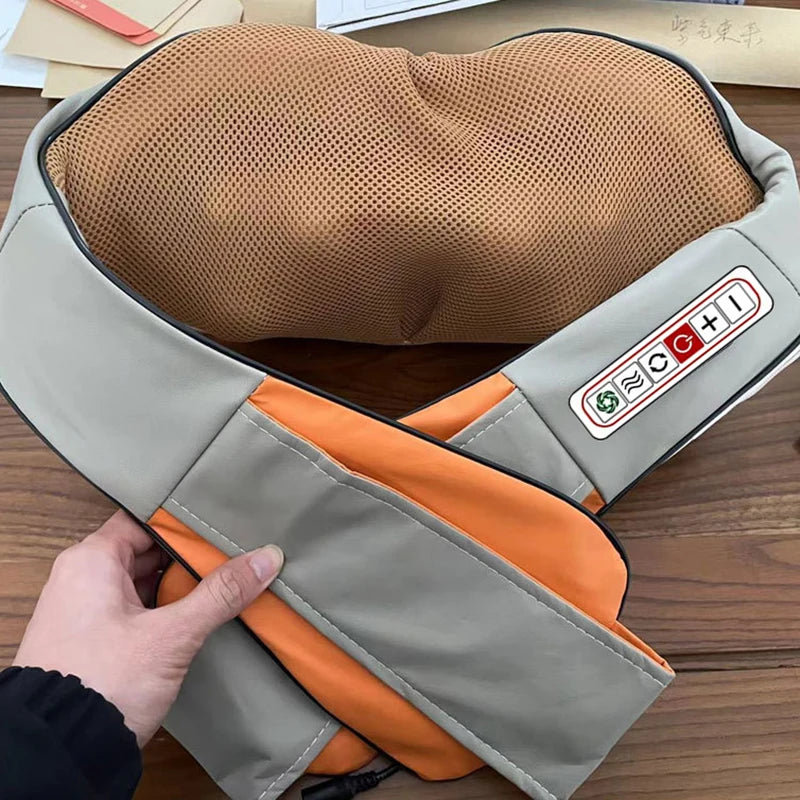
Experience the benefits of heated massager technology to ease muscle stiffness and complement a consistent back care routine .
Comparison Table: Top Back Massager Benefits at a Glance
The best back massager depends on your symptoms, lifestyle, and preferred massage intensity. The comparison below highlights the primary back massager benefits , helping you match each device type to common use cases rather than assuming one solution works for everyone.
| Massager Type | Primary Benefits | Best For | Potential Limitations |
|---|---|---|---|
| Kneading Shawl Massager | Deep-kneading massage with optional heat for targeted muscle tension relief | Office workers, frequent travelers, people with recurring neck, shoulder, and back stiffness | Heavier than compact massage pads and requires proper positioning |
| Vibration Pad | Gentle relaxation across a larger surface area with mild muscle stimulation | Daily relaxation, light muscle fatigue, and people who prefer lower-intensity massage | Less effective for deep muscle knots and chronic tightness |
| Heated Back Cushion | Comforting warmth that helps reduce stiffness and supports circulation | Cold environments, mild muscle soreness, and extended sitting | Provides limited mechanical massage compared with kneading devices |
If you're looking for both targeted pressure and heat therapy in one device, the KentDO Kneading Shawl Massager combines deep-kneading massage with optional heating, making it a versatile choice for relieving everyday muscle tension and supporting a consistent recovery routine.
Building a Back Care Routine That Actually Works
A back massager delivers the greatest benefits when it's part of a balanced wellness plan rather than the only strategy for relieving discomfort. Combining regular movement, good posture, and safe massage habits can help reduce recurring muscle tension and support long-term back health.
Stretching and Mobility
Gentle mobility exercises prepare muscles for daily activity and help maintain flexibility. Spending just a few minutes each day stretching the neck, shoulders, chest, hips, and lower back can reduce stiffness associated with prolonged sitting.
- Begin your morning with 5–10 minutes of gentle stretching or mobility exercises.
- Take short movement breaks every 30–60 minutes if you work at a desk.
- Stay hydrated throughout the day to support normal muscle function and recovery.
Exercise and Posture Habits
Strengthening your core and maintaining proper posture help reduce unnecessary stress on the spine. Regular walking, light resistance training, and low-impact activities such as yoga or swimming can complement massage therapy and improve overall back function.
Using a Back Massager Safely
For most healthy adults, using a back massager for 10–20 minutes after work, following exercise, or before bedtime is sufficient. Avoid applying excessive pressure or using the device continuously on the same area for extended periods, especially if soreness increases instead of improving.
If muscle discomfort persists for several weeks, becomes severe, or is accompanied by numbness, weakness, fever, or loss of bladder or bowel control, seek evaluation from a qualified healthcare professional rather than relying solely on massage therapy.
A sustainable back care routine is built on consistency. Small daily habits—including regular movement, healthy posture, quality sleep, and appropriate massage therapy—are often more effective for how to relieve back tension than occasional intensive treatment.
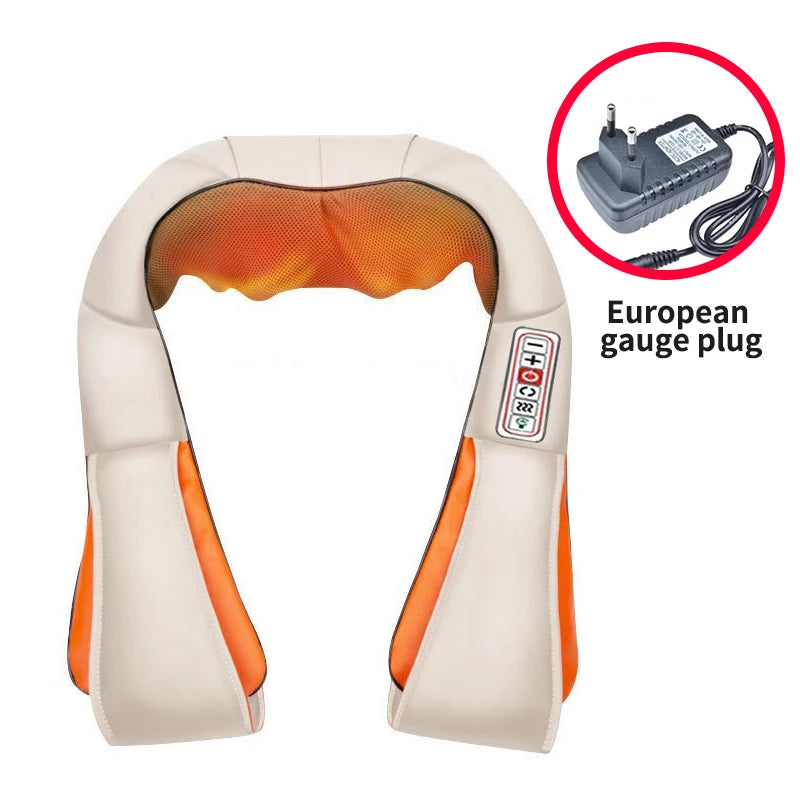
The KentDO Kneading Shawl Massager combines deep-kneading massage with optional heat to support massage therapy for stiffness and everyday muscle comfort.
When choosing a back massager, prioritize features that match your needs, including adjustable intensity, ergonomic positioning, automatic shut-off, and optional heat therapy. The most effective device is one that you can use comfortably and consistently as part of a broader back care routine that includes regular movement, stretching, and healthy posture habits.
Frequently Asked Questions
Do back massagers really work?
Yes, back massagers can provide temporary relief from muscle tension, stiffness, and everyday aches by relaxing tight muscles and promoting local circulation. They are most effective for muscular discomfort rather than structural spine conditions and work best when combined with regular exercise, stretching, and good posture.
Are back massagers good for chronic back pain?
They may help reduce muscle-related discomfort associated with chronic back pain, but they are not a substitute for medical evaluation or treatment. If pain is severe, persistent, or accompanied by numbness, weakness, or other neurological symptoms, consult a qualified healthcare professional.
What are the benefits of using heat with a back massager?
Heat helps relax tight muscles, improves tissue flexibility, and can make massage feel more comfortable. Many people find that combining heat with kneading massage provides greater short-term relief from stiffness than massage alone, especially after long periods of sitting or light physical activity.
Can I use a back massager every day?
Most healthy adults can safely use a back massager daily for 10–20 minutes, provided they follow the manufacturer's instructions and avoid excessive pressure or prolonged sessions on the same area. If soreness worsens after use, reduce the frequency or consult a healthcare provider.
Who should not use a back massager?
People with recent fractures, open wounds, severe osteoporosis, active infections, deep vein thrombosis, significant swelling, or certain medical conditions should seek medical advice before using a massage device. Heat functions should also be avoided on areas with reduced sensation or acute inflammation unless recommended by a healthcare professional.
How long should each back massage session last?
Most sessions should last between 10 and 20 minutes. This duration is generally enough to relax muscles without increasing the risk of irritation from prolonged pressure or heat exposure.
Pillar Article: Benefits of Hot Stone Massage: What You Didn’t Know About Its Hidden Healing Power
Other Related Articles:
- Heat Massager for Neck and Shoulders: 5 Models Ranked Best for 2025
- Benefits of Hot Rock Massage vs Heated Massagers — Which One Is Better for You?
- Back and Neck Care Reviews: The 5 Massagers That Changed Everything
- A Deep Tissue Massage Review: The 7 Best Techniques That Actually Work
Explore More:













