Foot Fatigue from Standing All Day: Causes, Relief, and Prevention Guide
Foot fatigue from standing all day affects millions of people whose jobs or daily routines require prolonged time on their feet. Whether you're experiencing sore ankles, aching arches, heavy legs, or persistent foot pain after work, these symptoms are often the result of muscle fatigue, increased pressure on the joints, and changes in circulation. Understanding why they occur is the first step toward lasting relief.
This comprehensive guide explains the most common causes of foot fatigue from standing all day, how to recognize typical symptoms, and the evidence-based strategies that can help reduce discomfort while supporting healthier feet over the long term.
Does foot fatigue from standing all day really have a solution?
Yes. In most cases, foot fatigue from standing all day improves with a combination of supportive footwear, regular movement, stretching, recovery techniques, and targeted relief tools. While these approaches cannot eliminate every cause of foot pain, they can significantly reduce muscle strain, improve circulation, and lessen daily discomfort.
Standing all day places continuous stress on the muscles, ligaments, joints, and blood vessels in your feet and ankles. Without opportunities to rest or change position, the body becomes less efficient at returning blood from the lower legs, muscles become overworked, and pressure builds beneath the feet. Fortunately, simple changes in footwear, workplace habits, and recovery routines often provide noticeable standing all day foot pain relief within days or weeks when practiced consistently.
If your symptoms include severe swelling, inability to bear weight, numbness that persists, or pain that continues despite rest, a medical evaluation is recommended to rule out an underlying injury or medical condition.
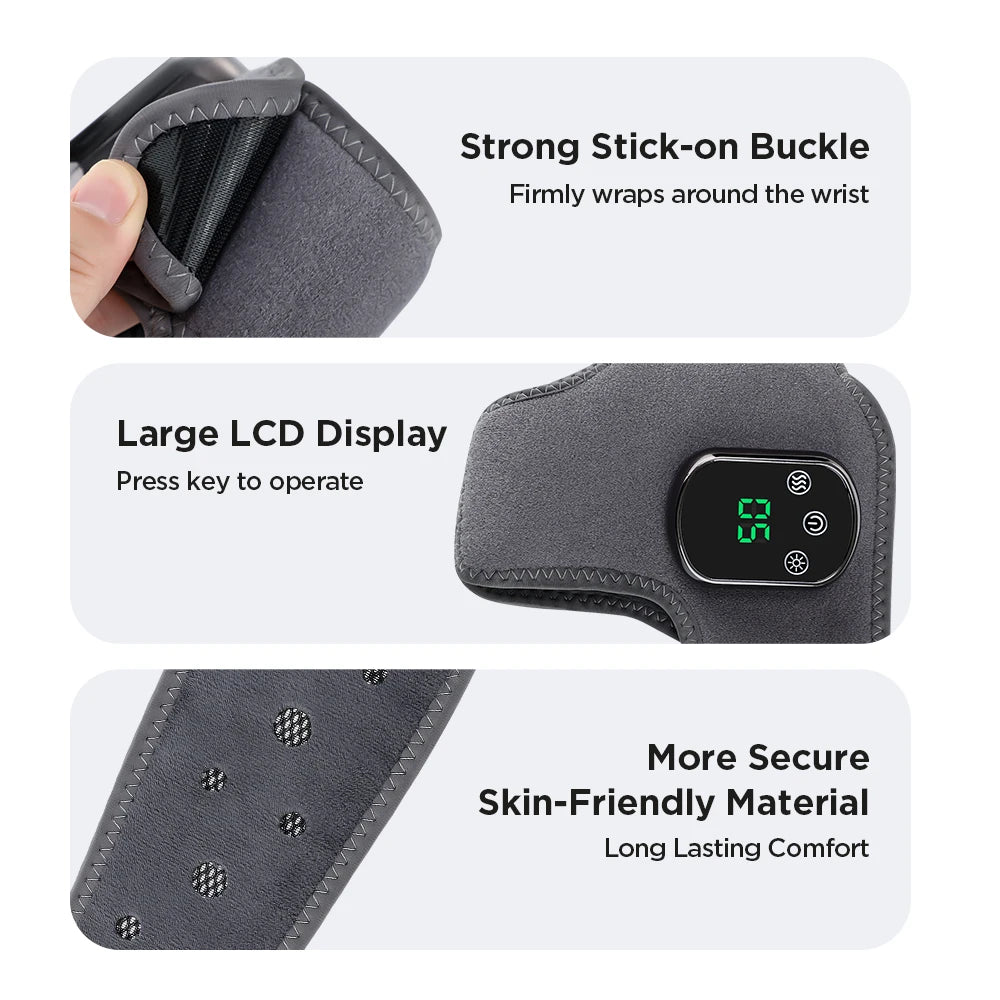
Everyday support can reduce foot fatigue from standing all day — See it in action
What Causes Foot Fatigue from Standing All Day?
Foot fatigue from standing all day usually develops because multiple physical stresses occur simultaneously. Your muscles continuously stabilize your posture, your joints absorb repetitive loading, and your circulatory system works harder to return blood from your feet to your heart. Factors such as footwear, hard flooring, and individual foot structure can further increase ankle fatigue from standing and leg fatigue from standing.
Poor Circulation and Blood Pooling
Standing for extended periods allows gravity to pull blood toward the lower legs. As a result, circulation becomes less efficient, contributing to swollen feet, heavy legs, ankle discomfort, and tired feet after work. Remaining in one position for long periods often makes these symptoms worse than standing with occasional movement.
Muscle Overuse and Micro-Strain
The muscles in your feet, calves, and ankles constantly contract to keep your body balanced. Over hours of standing, these stabilizing muscles experience microscopic fatigue, reducing their ability to absorb shock and support the joints effectively. This often leads to soreness, stiffness, and reduced endurance by the end of the day.
Inflammation and Pressure Build-Up
Repeated pressure beneath the heels, forefoot, and arches can irritate the soft tissues that cushion each step. When adequate recovery is lacking, inflammation may develop, increasing discomfort and contributing to overuse conditions such as plantar fasciitis .
Footwear and Surface Impact
Unsupportive shoes, worn-out midsoles, and prolonged standing on concrete or other hard flooring increase the forces transmitted through the feet and ankles. Without sufficient cushioning or stability, these repetitive loads accelerate fatigue and may increase the likelihood of ankle soreness after long standing.
Foot Biomechanics and Arch Support
Individual foot mechanics also influence how quickly fatigue develops. People with flat feet, high arches, or poor arch support often distribute body weight less efficiently, placing extra stress on specific muscles and joints. Properly fitted shoes and supportive insoles can help improve alignment, reduce pressure points, and decrease fatigue during prolonged standing.
Common Symptoms of Foot, Ankle, and Leg Fatigue
Recognizing early symptoms allows you to address foot fatigue before it progresses into persistent discomfort or overuse injuries. Most people notice symptoms gradually increasing throughout the workday, especially after several consecutive days of prolonged standing.
Sore Ankles After Standing All Day
Sore ankles after standing all day commonly present as aching, stiffness, or a feeling of weakness around the ankle joint. Symptoms often improve after rest but may return quickly if the underlying causes, such as inadequate footwear or prolonged standing, are not addressed.
Leg Fatigue and Heavy Feeling
Leg fatigue from standing frequently feels like heaviness, tired calves, or reduced strength toward the end of a shift. These sensations are usually linked to muscle overuse and reduced circulation rather than a single injury.
Swelling, Tingling, or Burning Sensation
Mild swelling, tingling, warmth, or burning sensations may develop after long periods on your feet because of fluid accumulation, soft tissue irritation, or temporary nerve compression. If these symptoms become severe, persist overnight, or are accompanied by significant numbness, they should be evaluated by a healthcare professional.
Morning vs. End-of-Day Symptoms
Normal foot fatigue is typically mild after waking and gradually worsens throughout the day as muscles and joints become increasingly stressed. Pain that is most intense first thing in the morning, remains severe despite rest, or continues for several days may indicate an underlying condition rather than simple fatigue.
Why Do Ankles Feel So Exhausted After Standing?
Ankle fatigue from standing develops because the ankle joints must continuously stabilize your body while absorbing the impact of subtle movements throughout the day. Unlike walking, prolonged standing provides little opportunity for these muscles and supporting tissues to relax, allowing fatigue to build gradually. As muscles tire, joint support decreases, making ankle pain from long standing more noticeable by the end of the day.
Muscle Stabilization
The small muscles surrounding the ankles constantly make tiny adjustments to maintain balance. Over several hours, these stabilizing muscles become fatigued, reducing their ability to support the joint efficiently. This often causes soreness, stiffness, and a feeling that the ankles are weak or unstable.
Joint Loading
Your ankles bear your full body weight with every shift in posture. Standing on hard surfaces or wearing shoes that lack adequate cushioning increases the load transmitted through the joints, ligaments, and tendons. Repeated daily stress may contribute to persistent ankle discomfort if sufficient recovery time is not available.
Reduced Circulation
Remaining in one position for long periods slows the return of blood from the lower legs. Reduced circulation can contribute to swelling, heaviness, and aching around the ankles and feet. Gentle walking, calf muscle contractions, and periodic movement help restore healthy blood flow and reduce fatigue.
Who Experiences the Most Foot and Ankle Fatigue?
Anyone can experience foot fatigue from standing all day, but certain occupations, foot structures, and daily routines place greater demands on the feet and ankles.
Healthcare Workers
Nurses, physicians, therapists, and other healthcare professionals often spend long shifts walking and standing on hard hospital floors, making them especially susceptible to tired feet, sore ankles, and leg fatigue.
Retail and Hospitality Staff
Retail associates, restaurant staff, hotel employees, and cashiers frequently remain on their feet for extended periods with limited opportunities to sit, increasing cumulative stress on the lower limbs.
Teachers and Warehouse Workers
Teachers, warehouse employees, manufacturing staff, and logistics workers commonly alternate between standing and walking for hours at a time. Repetitive loading can lead to foot soreness, muscle fatigue, and ankle discomfort, particularly when footwear provides insufficient support.
People With Flat Feet or High Arches
Individuals with flat feet, high arches, previous foot injuries, or excess body weight may experience fatigue sooner because pressure is distributed unevenly across the feet. Proper footwear, supportive insoles, and strengthening exercises can help improve comfort during prolonged standing.
How to Relieve Foot Fatigue After Work (Step-by-Step)
Knowing how to relieve foot fatigue begins with reducing muscle tension, restoring circulation, and allowing overworked tissues to recover. Combining immediate relief with consistent strengthening provides the best long-term results for tired feet after work.
Quick Relief in 5–10 Minutes
- Elevate your feet above heart level for several minutes to encourage circulation and reduce swelling.
- Roll the soles of your feet over a massage ball or frozen water bottle to ease tension in the arches.
- Perform gentle calf and plantar fascia stretches to improve flexibility.
- Walk for a few minutes rather than remaining completely still, as light movement helps restore blood flow.
Stretching Routine
- Stretch the calf muscles against a wall for 20–30 seconds on each side.
- Pull the toes gently upward to stretch the arch of the foot.
- Perform ankle circles in both directions to improve mobility.
- Stretch the Achilles tendon after prolonged standing to reduce stiffness.
Strengthening Exercises
- Practice heel raises to strengthen the calves and improve ankle stability.
- Perform towel scrunches or marble pickups to strengthen the intrinsic foot muscles.
- Balance on one foot for short intervals to improve ankle control and coordination.
- Repeat these exercises two to three times per week for lasting improvements in support and endurance.
End-of-Day Recovery Routine
- Soak your feet in comfortably warm water for 10–15 minutes.
- Apply heat or massage therapy to relax tight muscles and reduce stiffness.
- Wear gentle compression if swelling develops after prolonged standing.
- Elevate your feet for an additional 10–20 minutes before bed if heaviness persists.
Weekly Recovery Habits
- Schedule regular recovery periods after demanding workdays.
- Continue strengthening exercises to improve foot and ankle resilience.
- Rotate supportive footwear to reduce repetitive pressure on the same areas.
- Replace worn shoes and insoles before cushioning and support noticeably decline.
Best Products for Foot Fatigue Relief
The best products for foot fatigue relief reduce repetitive stress, improve comfort during long shifts, and support recovery after prolonged standing. No single product works for everyone, so choose solutions based on your work environment, foot structure, and the severity of your symptoms.
Supportive Footwear
Supportive shoes are the foundation of standing all day foot care. Look for footwear with adequate arch support, shock-absorbing midsoles, a stable heel, and enough toe room to prevent pressure points. Replace shoes once the cushioning or tread becomes noticeably worn, as deteriorated footwear provides less protection against fatigue.
Insoles for Standing All Day
Quality insoles for standing all day help distribute body weight more evenly, support the arches, and reduce pressure on the heels and forefoot. They are especially helpful for people with flat feet, high arches, or occupations that involve standing on concrete or tile flooring.
Compression Socks for Foot Fatigue
Compression socks for foot fatigue apply gentle graduated pressure that supports healthy circulation and helps reduce swelling, heaviness, and tired legs during long periods of standing. They are often beneficial for healthcare workers, retail staff, teachers, and anyone who spends most of the day on their feet. Compression garments should fit properly and should not feel painfully tight.
Foot Massagers and Heat Therapy
Foot massagers that combine massage with gentle heat can help relax tired muscles, temporarily improve circulation, and reduce stiffness after a demanding workday. While these devices do not treat underlying medical conditions, they can be a valuable part of a regular recovery routine when used according to the manufacturer's instructions.
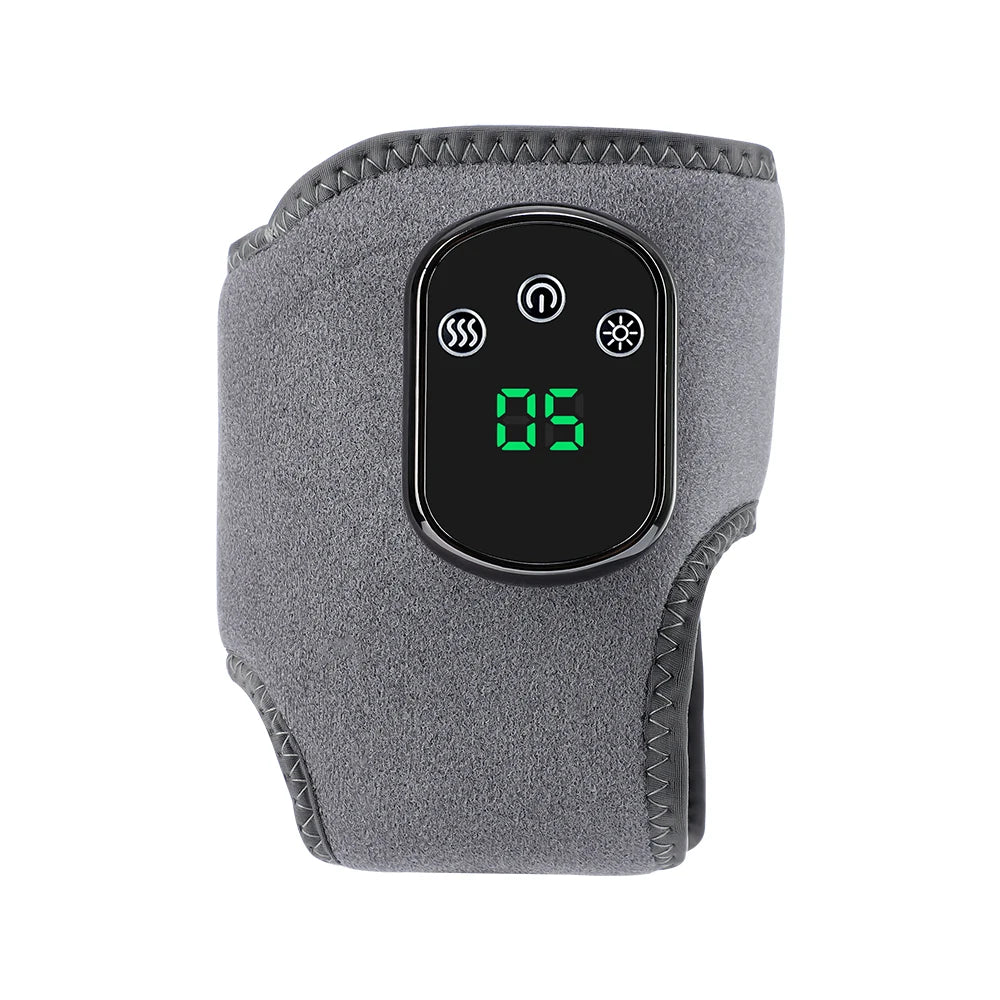
Targeted warmth supports ankle soreness relief — See it in action
Anti-Fatigue Mats
Anti-fatigue mats provide a cushioned standing surface that reduces repetitive loading on the feet, ankles, knees, and lower back. They are particularly useful for workstations where standing in one location for extended periods is unavoidable, such as kitchens, workshops, retail counters, and industrial settings.
How Heat & Massage Reduce Foot and Ankle Fatigue
Heat therapy helps relax tight muscles, increase local blood flow, and reduce the feeling of stiffness that often develops after standing all day. Many people find that applying gentle warmth for 10 to 20 minutes after work makes their feet feel more comfortable before stretching or exercising.
Massage complements heat by loosening tense soft tissues, encouraging circulation, and decreasing muscle tightness in the arches, calves, and ankles. Self-massage, massage balls, or electric foot massagers can all be effective options when used consistently.
Compression therapy can also support recovery by limiting fluid buildup in the lower legs and reducing sensations of heaviness. People with certain circulatory or vascular conditions should consult a healthcare professional before using compression garments or prolonged heat therapy.
Prevent Foot Fatigue Before It Starts
Footwear Strategy
- Wear shoes that provide proper arch support, cushioning, and a stable fit.
- Replace worn footwear before support and shock absorption decline.
- Consider supportive insoles if your shoes lack adequate cushioning.
Workplace Ergonomics
- Alternate between standing and sitting whenever possible.
- Adjust workstation height to encourage a comfortable posture.
- Keep commonly used items within easy reach to avoid unnecessary strain.
Movement and Micro-Breaks
- Shift your weight regularly instead of remaining in one position.
- Take short walking or stretching breaks every 30 to 60 minutes when practical.
- Perform simple ankle and calf movements during brief pauses in your workday.
Surface and Flooring
- Use anti-fatigue mats on hard surfaces whenever possible.
- Avoid standing on concrete or tile continuously without supportive footwear.
- Change positions frequently to reduce repetitive pressure on the same areas of your feet.
Hydration and Recovery
- Stay well hydrated throughout the day to support normal muscle function.
- Allow time for stretching and recovery after long shifts.
- Prioritize adequate sleep to help muscles and connective tissues recover between workdays.
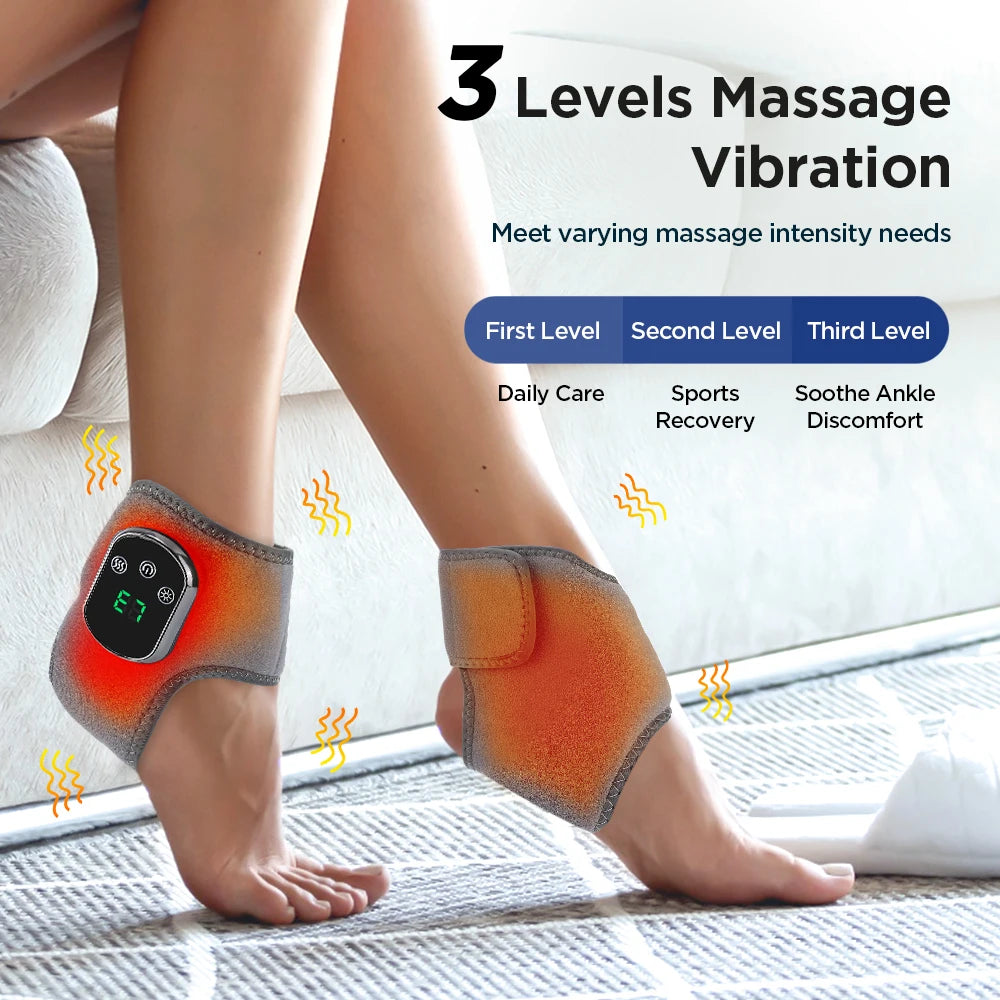
Daily comfort routines support leg fatigue from standing — See it in action
When Should You See a Healthcare Professional?
Most cases of foot fatigue from standing all day improve with supportive footwear, regular movement, stretching, and recovery habits. However, persistent or worsening symptoms may indicate an underlying condition that requires medical evaluation.
- Pain that continues for several days despite adequate rest.
- Severe swelling, redness, or warmth in one foot or ankle.
- Numbness, persistent tingling, or loss of sensation.
- Difficulty bearing weight or walking normally.
- Symptoms following a fall, twist, or other injury.
- Recurring pain that interferes with work or daily activities.
A healthcare professional can determine whether your symptoms are caused by simple overuse or conditions such as tendon injuries, stress fractures, nerve compression, arthritis, or plantar fasciitis . Early evaluation often helps prevent long-term complications and supports a faster recovery.
Frequently Asked Questions
How to relieve foot fatigue quickly?
The fastest way to relieve foot fatigue from standing all day is to elevate your feet, perform gentle calf and foot stretches, walk briefly to restore circulation, and apply heat or massage after work. If swelling is present, elevation and appropriately fitted compression socks may also help.
Can foot fatigue lead to long-term problems?
Occasional fatigue usually resolves with rest, but repeatedly ignoring symptoms may increase stress on the feet and ankles. Over time, persistent overuse may contribute to conditions such as plantar fasciitis , tendon irritation, chronic ankle pain, or joint discomfort.
Do compression socks help with standing all day?
Yes. Compression socks support healthy circulation, reduce fluid buildup, and can lessen swelling and heaviness during long periods of standing. They are especially beneficial for occupations that require extended time on hard floors.
What are the best shoes for standing all day?
The best shoes provide adequate arch support, cushioning, shock absorption, and a stable fit while allowing enough room for your toes. Replacing worn footwear before cushioning breaks down is equally important for preventing fatigue.
How long does it take to feel relief from foot fatigue?
Many people notice improvement after a single recovery session that includes stretching, elevation, or massage. More lasting improvements typically develop after several weeks of consistently wearing supportive footwear, taking movement breaks, and following a recovery routine.
Can heat and massage prevent ankle pain?
Heat and massage can reduce muscle tightness, improve comfort, and support circulation, making them useful recovery tools. While they cannot prevent every cause of ankle pain, regular use alongside supportive footwear and strengthening exercises may help reduce recurring fatigue.
Why do my feet hurt more after standing on concrete all day?
Concrete provides very little shock absorption, increasing the forces transmitted through your feet, ankles, knees, and lower back. Wearing supportive shoes, using cushioned insoles, and standing on anti-fatigue mats can significantly reduce this repetitive stress.
Can standing all day permanently damage your feet?
Standing alone does not usually cause permanent damage, but prolonged repetitive stress without proper recovery may contribute to chronic overuse injuries. Addressing discomfort early and improving workplace ergonomics helps reduce this risk.
Are anti-fatigue mats worth using at work?
Yes. Anti-fatigue mats encourage small muscle movements while standing, helping reduce pressure on the feet and lower limbs. They are especially useful for people who remain in one location for extended periods.
What stretches help tired feet after work?
Effective stretches include calf stretches against a wall, plantar fascia stretches, Achilles tendon stretches, ankle circles, and toe extension exercises. Holding each stretch for 20 to 30 seconds without bouncing is generally recommended.
Should I use ice or heat for foot fatigue?
Heat is generally preferred for muscle fatigue and stiffness because it promotes relaxation and circulation. Ice may be more appropriate if you have acute inflammation, significant swelling, or a recent injury.
Can compression socks reduce ankle fatigue from standing?
Yes. Properly fitted compression socks can reduce ankle fatigue from standing by supporting circulation, limiting fluid buildup, and decreasing the sensation of heaviness during long work shifts.
Pillar Article: Cold Sensitive Ankle Joints? Find the Perfect Massager for You
Other Related Articles:
Explore More: