

What Is a Deep Tissue Massage at Home (and Does It Really Work?)
A deep tissue massage at home is a self-massage technique that uses slow, sustained pressure to target deeper layers of muscle and fascia—the connective tissue surrounding muscles. Unlike a gentle relaxation massage, deep tissue work focuses on relieving chronic muscle tension, improving mobility, and reducing stubborn trigger points that can limit movement or cause ongoing discomfort.
When performed with proper technique, DIY deep tissue massage can support healthy circulation, reduce muscle tightness, improve flexibility, and aid recovery after exercise or repetitive daily activities. The goal is not to apply the greatest amount of force possible, but to use controlled, progressive pressure that allows muscles to relax instead of tightening defensively.
How Deep Tissue Massage Affects Muscles and Fascia
Muscles can develop areas of tightness after prolonged sitting, repetitive movements, intense workouts, or poor posture. Deep tissue massage applies sustained pressure that may help reduce muscle stiffness, encourage blood flow, and improve the way muscle fibers and fascia glide over one another. While it cannot instantly eliminate every knot, consistent self-care often improves comfort and range of motion over time.
Deep tissue massage is also different from Swedish massage. Swedish massage primarily promotes relaxation through lighter, flowing strokes, whereas deep tissue techniques focus on specific areas of tension using slower, more targeted pressure.
Who Benefits Most From Self Deep Tissue Massage
Many people can benefit from learning how to do deep tissue massage at home, particularly if they experience recurring muscle tightness rather than acute injuries. It is often helpful for:
- People with desk-related neck and shoulder tension
- Recreational athletes recovering from training sessions
- Individuals with mild postural muscle stiffness
- Anyone looking to maintain mobility between professional massage appointments
If you experience severe pain, numbness, swelling, recent injuries, or medical conditions affecting circulation or connective tissue, consult a healthcare professional before attempting deep tissue massage at home.
Deep Tissue Massage at Home: How to Do It Safely for Real Muscle Relief
Learning how to do deep tissue massage at home can help you relieve persistent muscle tension, improve flexibility, and recover more comfortably after work or exercise. This guide explains safe techniques, realistic expectations, and practical tips so you can achieve effective results without relying on excessive pressure or complicated equipment.
⏱ 8 min read
A deep tissue massage at home can be safer and more effective when you use gradual pressure and proper technique.
Why a Deep Tissue Massage at Home Works for Muscle Relief
A deep tissue massage at home can help reduce muscular tension by applying slow, targeted pressure to tight tissues that restrict normal movement. As muscles begin to relax, circulation improves, helping deliver oxygen and nutrients that support recovery after repetitive activities, long hours at a desk, or strenuous workouts.
Common problem areas—including the trapezius, shoulders, upper back, hips, and calves—often respond well to careful self-massage because these muscles accumulate tension from posture, exercise, and everyday movement patterns. While self-massage is not a replacement for medical treatment when injuries are present, it can be an effective part of a regular recovery routine.
How a Deep Tissue Massage Helps Your Body Recover Faster
- Improves mobility by reducing muscle stiffness and restricted movement
- Helps decrease persistent muscle tension and trigger point discomfort
- Supports healthy circulation for muscle recovery after physical activity
- May reduce tension-related headaches caused by tight neck and shoulder muscles
- Encourages overall relaxation, making it easier for muscles to recover between activities
Understanding Muscle Groups for Self-Massage
Some muscles are more likely than others to become tight because of repetitive movement, prolonged sitting, exercise, or poor posture. Identifying these commonly affected areas helps you apply pressure more accurately and avoid spending unnecessary time on muscles that are not contributing to discomfort.
As you massage, look for firm or tender areas that feel noticeably tighter than the surrounding tissue. Gentle, controlled pressure combined with slow movements is generally more comfortable and effective than pressing as hard as possible.
- Neck & shoulders: Frequently tighten after computer work, driving, or stress.
- Upper back: Commonly affected by prolonged sitting and rounded posture.
- Lower back: May feel stiff after lifting, standing for long periods, or repetitive bending.
- Glutes & hips: Often become tight from extended sitting, running, or strength training.
- Calves: Can become sore after walking, running, or activities involving frequent stair climbing.
Before You Start: Prepare Your Muscles for Better Results
Preparing the muscles before applying deeper pressure can improve comfort and make self-massage more effective. Warm, relaxed muscles typically respond better than muscles that are cold or stiff.
- Take a warm shower or apply a warm towel to the area for 5–10 minutes.
- Perform gentle mobility exercises or light stretching to loosen the muscles.
- Apply a small amount of massage oil or lotion if using your hands to reduce friction.
- Begin with light pressure and increase gradually only if the tissue feels comfortable.
If you experience sharp pain, swelling, bruising, or a recent injury, stop the massage and seek guidance from a qualified healthcare professional before continuing.
Avoid These Common DIY Massage Mistakes
Proper technique matters more than using maximum pressure. Avoiding a few common mistakes can make self deep tissue massage more comfortable and reduce the risk of irritating already sensitive muscles.
- Using excessive force: Begin with light-to-moderate pressure and increase gradually only if the muscle relaxes comfortably.
- Working one area for too long: Spend about 30–60 seconds on a tight spot before moving to the surrounding muscle.
- Massaging through sharp pain: Mild tenderness can be normal, but stop immediately if you feel sharp, shooting, or worsening pain.
- Holding your breath: Slow, steady breathing helps muscles relax during treatment.
- Applying pressure over joints or bones: Focus on soft muscle tissue rather than bony areas or directly over the spine.
Using controlled movements instead of aggressive pressure typically provides more consistent results while minimizing unnecessary soreness.
Deep tissue massage works best when pressure is slow and controlled. See it in action.
How to Safely Give Yourself a Deep Tissue Massage at Home
A consistent routine helps you target muscle tension efficiently while reducing the chance of overworking sensitive tissue. Move slowly, pay attention to how your body responds, and stop if discomfort becomes severe.
Step-by-Step Deep Tissue Massage Routine
- Warm the muscles: Use a warm towel, heating pad, or gentle rubbing for 2–5 minutes before applying deeper pressure.
- Locate tight areas: Feel for firm, tender muscles that restrict movement or feel noticeably tighter than surrounding tissue.
- Apply steady pressure: Use your fingers, thumbs, knuckles, forearm, or an appropriate massage tool while avoiding sudden force.
- Maintain gentle compression: Hold pressure for approximately 30–60 seconds, allowing the muscle to relax naturally.
- Release gradually: Ease off pressure slowly instead of lifting away abruptly.
- Reassess the area: If the muscle feels less tight, move on. Avoid repeatedly treating the same spot if it becomes increasingly sore.
Consistency, moderate pressure, and good technique are generally more effective than trying to achieve immediate relief with aggressive massage.
Tools That Make Deep Pressure Safer (and More Consistent)
The right massage tools can help you apply steady pressure with less effort, especially when treating hard-to-reach areas such as the upper back or shoulders. Choosing the appropriate tool depends on the size of the muscle group and the type of discomfort you want to address.
- Foam rollers: Best for larger muscle groups, including the back, thighs, calves, and hips.
- Massage balls: Useful for targeting smaller, localized areas of muscle tightness in the shoulders, glutes, and feet.
- Massage guns: Deliver rapid percussive therapy that may help reduce post-exercise muscle soreness when used according to the manufacturer's instructions.
- Massage oils or balms: Improve glide, reduce skin friction, and make manual massage more comfortable.
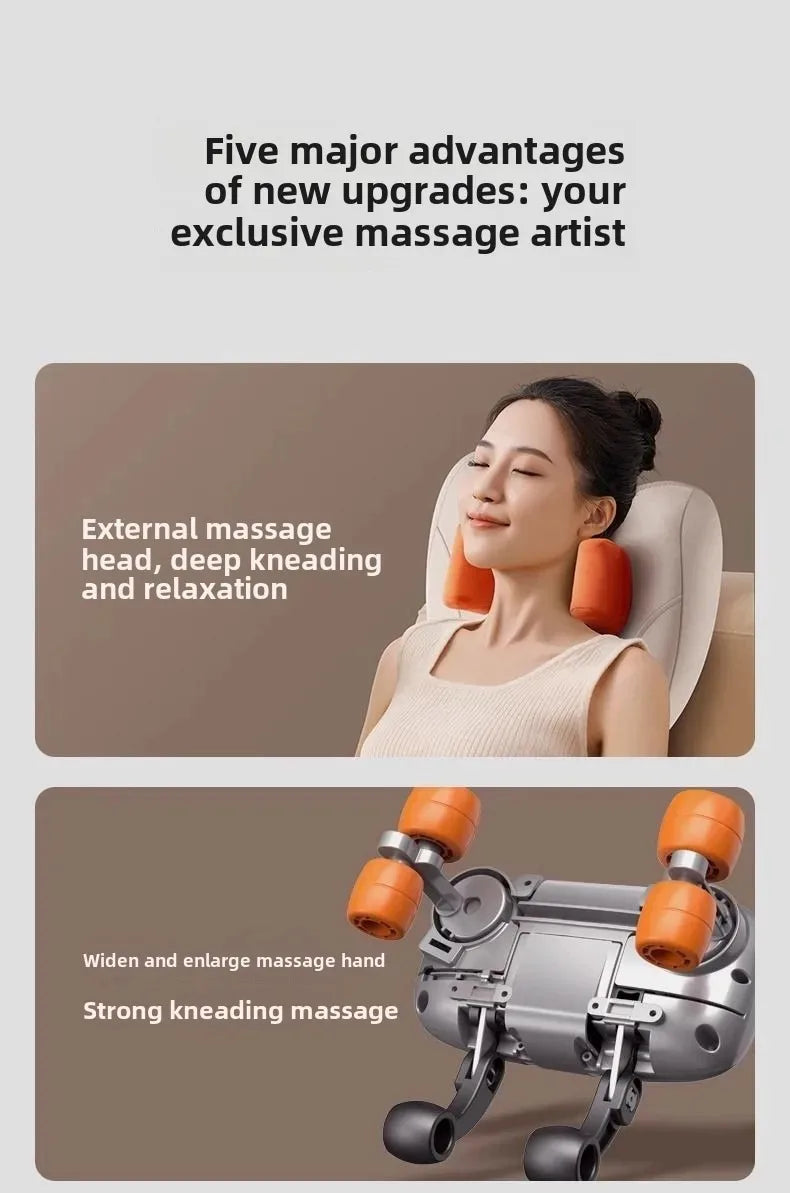
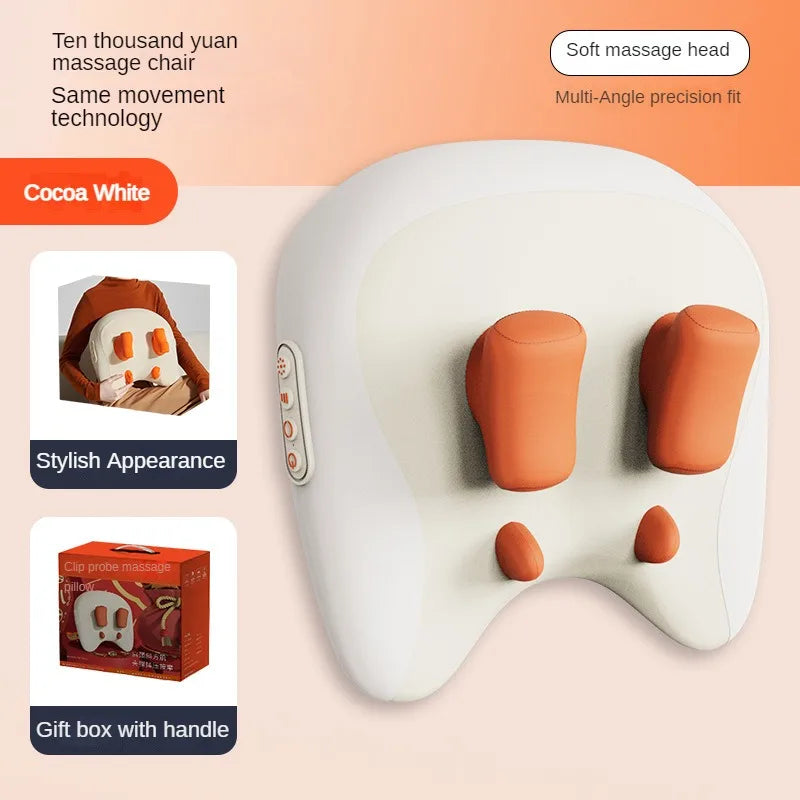
- Electric kneading pillows: Provide consistent kneading for the neck and shoulders, such as the KentDO Trapezius Electric Massage Pillow .
Combining manual techniques with supportive massage devices can improve consistency while reducing strain on your hands. Explore additional recovery solutions in Body Care & Health Devices to build a complete at-home muscle recovery routine.
FAQ
How often can I perform a deep tissue massage at home?
Most people can safely perform self deep tissue massage on the same muscle group two or three times per week, allowing at least 24 to 48 hours between sessions if the area feels sore. Recovery needs vary based on activity level and the intensity of the massage.
Is it normal to feel sore afterward?
Yes. Mild muscle tenderness for a day or two can occur after a deep tissue massage, particularly if you are new to the technique. Sharp pain, increasing discomfort, swelling, or bruising is not typical and indicates you should stop massaging the area and seek medical advice if symptoms persist.
Can I use deep tissue massage for neck discomfort?
Gentle self-massage may help relieve muscular neck tension, but avoid applying firm pressure directly over the spine or the front of the neck. If you prefer assisted massage, the KentDO Trapezius Electric Massage Pillow provides consistent kneading support for the shoulders and upper trapezius while helping reduce hand fatigue.
Should I use massage oil or lotion?
Using a massage oil or lotion is recommended when performing manual massage because it reduces skin friction, allows smoother hand movement, and improves overall comfort during treatment.
Who should avoid deep tissue massage?
Deep tissue massage may not be appropriate over recent injuries, open wounds, fractures, inflamed joints, blood clots, or areas with skin infections. If you have a medical condition, take blood-thinning medication, or are unsure whether massage is appropriate, consult a qualified healthcare professional before beginning self-treatment.
Pillar Article: Muscle Relaxer Home Remedy Guide: Simple Steps to Loosen Tension Fast (66 characters)
Other Related Articles:
- Best Shoulder Massager Machine Tips: How to Target Knots the Right Way
- The Best Neck Massage Machine: Step-by-Step Guide for Maximum Relief (65 characters)
- Neck Massager Benefits: How to Use One Daily for Less Tension & Better Sleep
Explore More:













