

Do Heating Pads Turn Off on Their Own? Auto Shut-Off Explained
⏱ 6 min read
If you've ever wondered,
"Do heating pads turn off on their own?"
the answer is usually
yes—but not always.
Most modern heating pads include an automatic shut-off feature that powers the device off after a preset period, helping reduce the risk of prolonged heat exposure. However, older or basic models may continue heating until they are switched off manually. Understanding how auto shut-off works can help you choose a safer heating pad and use heat therapy more confidently.
Explore the electric neck shoulder heating pad designed for worry-free comfort.
Do Heating Pads Turn Off Automatically?
Short answer
Yes, most modern heating pads turn off automatically. They use a built-in automatic timer that cuts power after a preset period—commonly between 30 minutes and 2 hours—to help reduce the risk of overheating, accidental prolonged use, and low-temperature burns.
It's important to distinguish between an automatic timer shut-off and overheating protection . A timer turns the pad off after a scheduled duration even when it is operating normally, while thermal protection shuts the device down only if it detects an unsafe temperature or an electrical fault.
Why the answer depends on the model
Not every heating pad includes the same safety features. Many newer electric heating pads combine programmable timers, electronic controllers, and thermal protection to improve everyday safety. In contrast, some older or budget-friendly models may remain on continuously until they are switched off manually.
Before using a heating pad, check the product specifications or user manual to confirm whether it includes an automatic shut-off feature, how long the timer runs, and whether additional overheating protection is built into the controller.
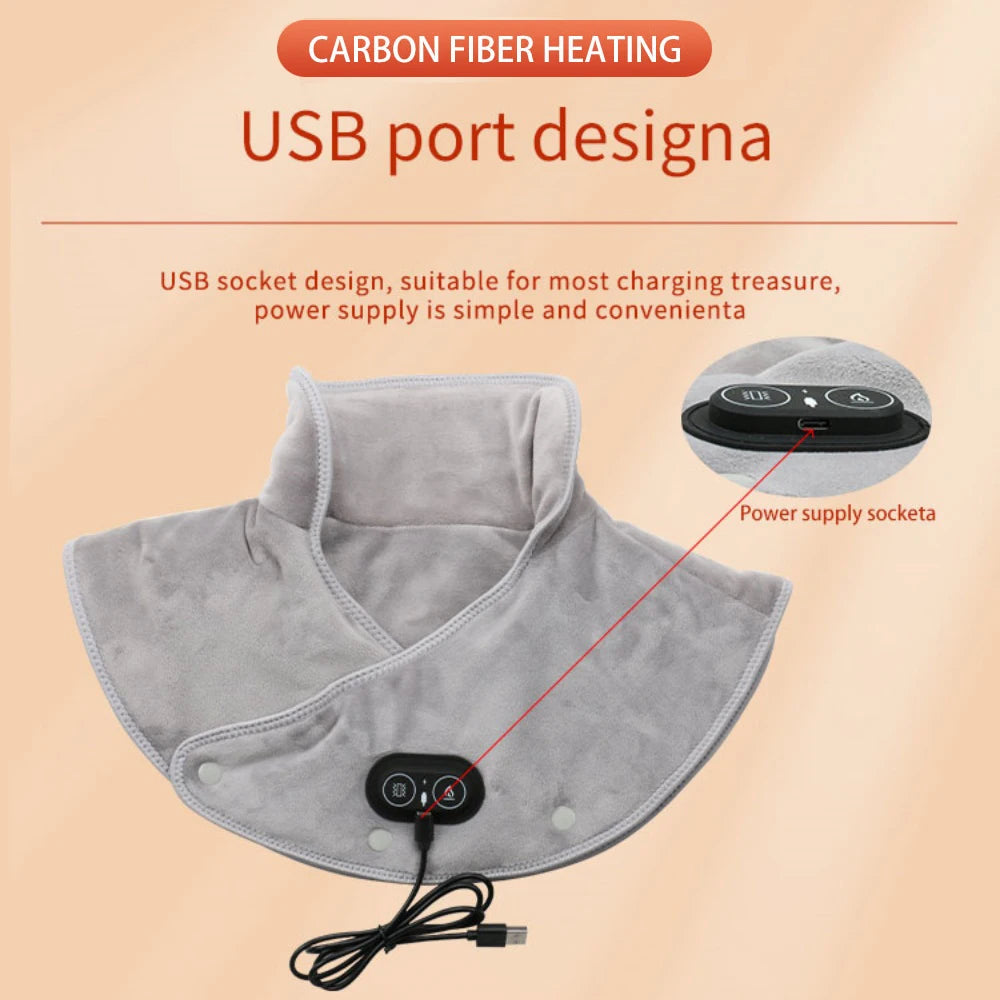
Auto shut off prevents overheating before it starts — See it in action
How Auto Shut-Off Works in a Heating Pad
The heating pad automatic shut-off feature combines electronic timing circuits, controller software, and thermal protection components to stop heat output when preset safety conditions are met. Depending on the design, the device may switch off because the programmed therapy session has ended or because the controller detects abnormal temperatures that could indicate overheating.
Timer-Based Shut-Off
Most modern heating pads use a timer built into the handheld controller. Once the pad is switched on, the controller begins counting down a preset treatment period—typically between 30 minutes and 2 hours. When the programmed session ends, power to the heating element is automatically disconnected, even if the pad is functioning normally.
This scheduled shut-off is intended to encourage safe heat therapy sessions rather than respond to a fault.
Temperature Sensors and Thermal Protection
Many higher-quality heating pads include internal temperature sensors and thermal protection devices that continuously monitor operating conditions. Unlike the timer, these components are designed to respond only when excessive heat or an abnormal electrical condition is detected.
If the controller senses unsafe temperatures, interrupted airflow, or another potential malfunction, it cuts power immediately to help prevent overheating and protect both the user and the device.
Controller Electronics
The controller serves as the heating pad's safety hub. It regulates temperature settings, tracks elapsed treatment time, and processes information from built-in sensors. By coordinating these functions, the controller maintains a more consistent heat output while automatically activating protective shut-off features whenever required.
Why Many Pads Turn Off After About 2 Hours
A two-hour automatic shut-off has become common because it provides ample time for muscle relaxation while helping limit unnecessary heat exposure. Different manufacturers may choose shorter or longer timer settings, but the goal remains the same: balancing effective therapy with everyday safety.
Learn how heating pads work for muscle pain relief
Do All Heating Pads Have Automatic Shut-Off?
No. Although automatic shut-off is now a standard feature on many modern electric heating pads, it is not universal. Whether a heating pad turns off automatically depends on its age, design, and manufacturer.
Older Heating Pads vs Modern Designs
Older heating pads often relied on basic electrical heating elements and manual controls, meaning they continued operating until unplugged or switched off. Newer models typically incorporate digital controllers, programmable timers, and thermal protection systems that improve both convenience and safety.
Which Heating Pads May Not Have Auto Shut-Off
You are more likely to encounter heating pads without automatic shut-off if they are:
- Older models manufactured before timer functions became common
- Basic budget products with simple manual controls
- Certain specialty heating pads designed for professional or therapeutic settings that follow different operating requirements
Because features vary between brands, it's best not to assume every heating pad includes an automatic timer.
How to Check Before Buying or Using
- Read the product specifications or owner's manual.
- Look for an auto shut-off timer or programmable timer on the controller.
- Confirm whether the manufacturer lists overheating or thermal protection features.
- Observe whether the unit powers off automatically after its programmed session.
Why Heating Pads Turn Off Automatically
Automatic shut-off is primarily a safety feature. While therapeutic heat can ease muscle tension and improve comfort, prolonged heat exposure offers diminishing benefits and increases the likelihood of accidental misuse. Built-in timers and protective electronics help reduce these risks without requiring constant user attention.
Preventing Burns and Skin Irritation
Heat applied to the same area for an extended period may contribute to low-temperature burns or skin irritation, particularly in people with sensitive skin or reduced sensation. Automatic shut-off limits continuous exposure by ending the treatment session at an appropriate time.
Reducing Fire Risk
If a heating pad remains energized for many hours, especially when covered by bedding or other insulating materials, internal temperatures can rise beyond normal operating conditions. Automatic timers and thermal protection help reduce this possibility by interrupting power before unsafe conditions develop.
Meeting Modern Safety Standards
Many reputable manufacturers include automatic shut-off and thermal protection as part of their overall product safety design. These features work together to improve reliability, reduce overheating risks, and provide users with greater confidence during routine heat therapy.
Read more heating pad safety tips
What Happens If a Heating Pad Does NOT Turn Off Automatically?
If a heating pad does not include an automatic shut-off feature, it will continue generating heat until it is manually switched off or unplugged. While this does not automatically make the device unsafe, continuous operation increases the chance of prolonged heat exposure if the pad is forgotten, covered, or used for longer than recommended.
Safety Risks of Continuous Heat
Without an automatic timer, users must monitor treatment duration themselves. Leaving a heating pad on for extended periods may increase the likelihood of:
- Low-temperature burns caused by prolonged contact with moderate heat
- Skin irritation or redness from excessive heat exposure
- Heat buildup if the pad is covered by blankets, pillows, or heavy clothing
- Greater risk if electrical components become damaged or malfunction over time
Who Faces Higher Risk
Extra caution is recommended for people who may not notice excessive heat quickly, including:
- Older adults with reduced skin sensitivity
- People with diabetes or peripheral neuropathy
- Individuals with impaired circulation
- Anyone taking medications or with medical conditions that reduce heat sensation
For these users, choosing a heating pad with both an automatic timer and thermal protection can provide an additional layer of safety.
Signs It May Be Time to Replace Your Heating Pad
- The pad does not include an automatic shut-off feature and is several years old.
- The controller becomes unusually warm during normal operation.
- The heating surface develops hot spots or uneven temperatures.
- The power cord, plug, controller, or fabric covering shows visible wear, cracks, or fraying.
How Long Heating Pads Usually Stay On Before Auto Shut-Off
The automatic shut-off timer on most electric heating pads ranges from 30 minutes to 2 hours , depending on the manufacturer, controller design, and intended use.
Typical Timer Durations
- 30 minutes: Short sessions for quick relief and convenience.
- 60 minutes: A common setting for everyday muscle relaxation.
- 90–120 minutes: Longer treatment cycles available on some premium models before automatic shut-off activates.
Why Manufacturers Use Timers
Preset timers encourage users to complete an appropriate heat therapy session without leaving the heating pad operating indefinitely. This approach balances comfort, energy efficiency, and safety while reducing the possibility of accidental prolonged use.
Safe Heating Pad Usage Guidelines
Can You Sleep on a Heating Pad?
Even if your heating pad includes automatic shut-off, it is generally not recommended to sleep on it. You may remain in the same position for an extended period, increasing localized heat exposure before the timer expires. Using the pad while awake allows you to monitor both comfort and skin condition throughout the session.
Best Practices for Daily Use
- Follow the manufacturer's recommended treatment time and temperature settings.
- Avoid placing the heating pad directly against bare skin for extended periods.
- Do not fold, crush, or place heavy objects on top of the heating pad while it is operating.
- Turn the device off and unplug it when not in use.
- Inspect the cord, controller, and heating surface regularly for signs of damage or wear.
If you use heat therapy frequently, selecting a heating pad with automatic shut-off and thermal protection provides added peace of mind during everyday use.
How long should you use a heating pad?
Who Should Use Extra Caution
People with reduced heat sensitivity, circulation disorders, diabetes, or other medical conditions affecting sensation should consult a healthcare professional before using prolonged heat therapy. Caregivers should also supervise children or anyone who may be unable to remove the heating pad if it becomes uncomfortable.
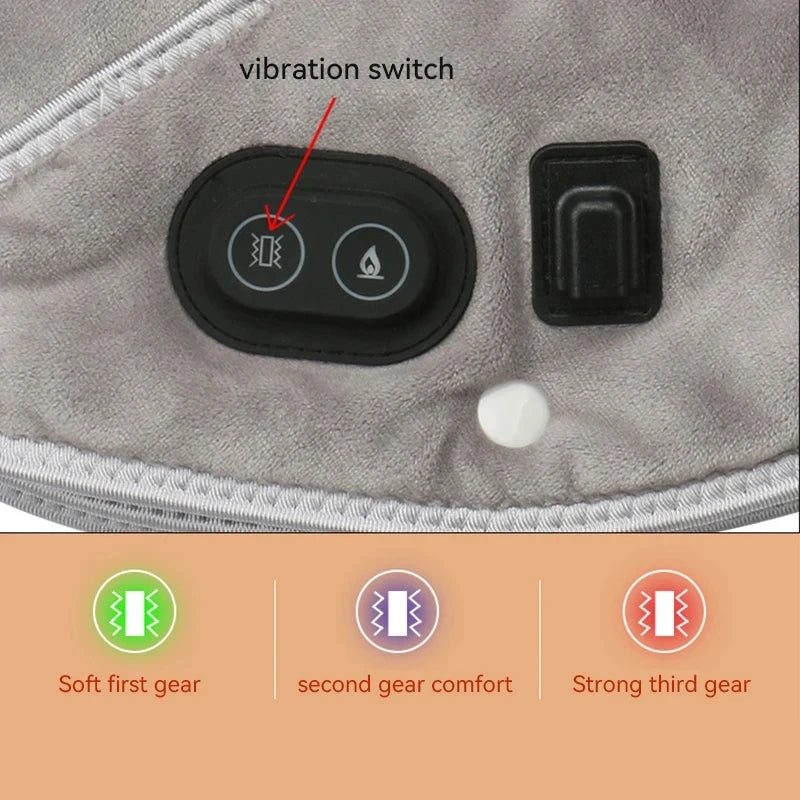
Safe heating pad usage supports daily comfort — See it in action
Auto Shut Off vs Traditional Heating Pads
Feature Comparison
Automatic shut-off is one of the biggest differences between modern electric heating pads and many older designs. While both provide therapeutic warmth, today's models are built with additional electronic safeguards that improve convenience and reduce the chance of accidental prolonged use.
| Feature | Modern Heating Pads | Traditional Heating Pads |
|---|---|---|
| Automatic shut-off | Common on most models | May not be available |
| Temperature control | Digital or electronic controller | Basic manual controls |
| Thermal protection | Often included | Varies by model |
| Convenience | Preset timers reduce manual monitoring | Requires the user to switch the unit off |
| Everyday safety | Designed to minimize prolonged heat exposure | Depends more heavily on user supervision |
Which Option Is Safer?
For most people, a modern heating pad with automatic shut-off and thermal protection offers greater peace of mind during routine heat therapy. Although an older heating pad can still function properly if maintained well, newer safety features help reduce the likelihood of accidental overheating or extended use.
Get yours now — limited stock!
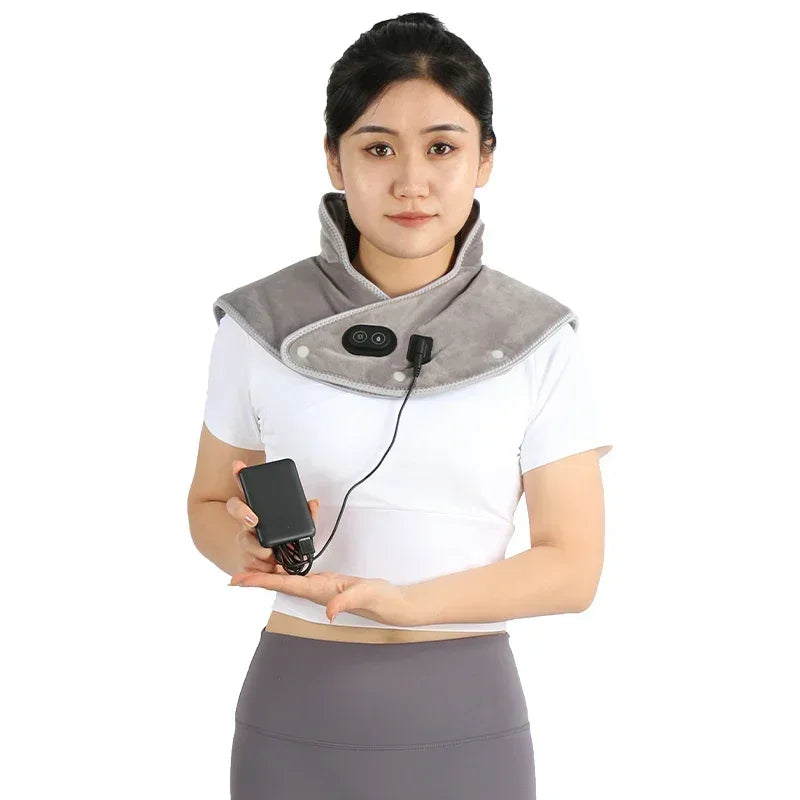
Designed for safer relaxation with auto shut off — See it in action
When You Should Replace an Old Heating Pad
Heating pads gradually wear out through regular use. Replacing an aging unit can improve reliability, heating performance, and overall safety—especially if it predates common safety features such as automatic shut-off and thermal protection.
Warning Signs
- The heating pad does not include an automatic shut-off feature and has been used for many years.
- Heat output becomes inconsistent or noticeable hot spots develop.
- The controller, plug, or cord becomes unusually warm during operation.
- The fabric covering, wiring, or power cord shows cracking, fraying, or other visible damage.
Safer Features to Look For
If you're replacing an older heating pad, consider choosing a model that includes:
- Automatic shut-off with selectable timer settings
- Integrated thermal or overheating protection
- Reliable electronic temperature controls
- Consistent, evenly distributed heat
- A durable controller and well-insulated power cord
Signs your heating pad is unsafe to use
FAQ: Heating Pad Automatic Shut-Off
Do heating pads have automatic shut off?
Many modern heating pads include automatic shut-off timers that turn the device off after a preset treatment period, often between 30 minutes and 2 hours. However, some older or basic models may not include this feature.
Do all heating pads have automatic shut off?
No. While automatic shut-off is common on newer electric heating pads, some manual or older models continue operating until they are switched off by the user.
Do heating pads turn off automatically after 2 hours?
Many do, but not all. Depending on the manufacturer, automatic shut-off timers may be set for 30, 60, 90, or 120 minutes. Always check your specific model's instructions.
Can you sleep with a heating pad that shuts off automatically?
Automatic shut-off improves safety but does not eliminate the risks associated with sleeping on a heating pad. It is generally recommended to use heat therapy while awake so you can monitor your skin and comfort level.
Can you disable auto shut-off?
Most consumer heating pads do not allow the automatic shut-off feature to be permanently disabled. The timer is built into the controller as part of the product's overall safety design.
Why does my heating pad keep turning off?
Your heating pad may be reaching its programmed timer, activating thermal protection because it has become too warm, or experiencing a controller or electrical fault. If it shuts off unexpectedly during normal use, consult the manufacturer's instructions and inspect the unit for signs of damage.
Explore more comfort-focused solutions in the Beauty & Self-Care Blog or discover wellness tools within Lifestyle .
Pillar Article: Ergonomic Neck Shoulder Heater: Features That Matter Most
Other Related Articles:
Explore More:













