

Does Heat Relax Muscles? Why Heat Therapy Works for Stiffness and Soreness
⏱ 6 min read
Whether your muscles feel tight after hours at a desk, an intense workout, or everyday stress, heat therapy can provide effective short-term relief. The biggest advantage isn't necessarily hotter temperatures—it's applying comfortable, consistent warmth that encourages muscles to relax, improves circulation, and makes movement feel easier. While heat does not heal every cause of muscle pain, it can reduce stiffness and improve comfort when used appropriately.
Does Heat Relax Muscles? The Short Scientific Answer
Yes. Heat relaxes muscles by increasing blood flow, improving tissue elasticity, and reducing nerve sensitivity that contributes to muscle tightness. As blood vessels widen, more oxygen and nutrients reach the affected area, helping stiff muscles loosen and supporting the body's natural recovery process.
However, it's important to set realistic expectations. Heat therapy primarily provides temporary symptom relief rather than treating the underlying cause of an injury. It works best for muscles that are tight, overworked, or stiff—not for newly injured tissues with swelling or significant inflammation.
Heat therapy for muscle relief is commonly recommended for:
- Muscle stiffness after prolonged sitting
- Chronic muscle tension
- Neck and shoulder tightness
- Sore muscles following everyday activity or exercise
- Minor muscle discomfort caused by repetitive use
Unlike cold therapy, which helps limit swelling after an acute injury, heat therapy works by encouraging muscles to relax, reducing stiffness, and improving mobility before or after gentle movement.
Discover how consistent warmth muscle relief supports deeper relaxation and longer-lasting comfort.
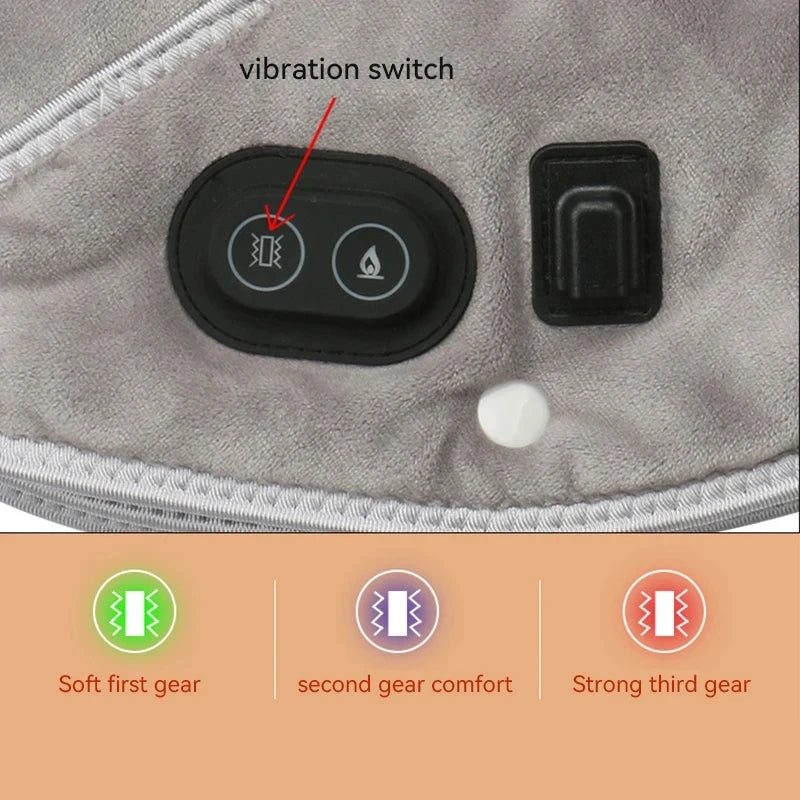
Consistent warmth muscle relief for daily tension — See it in action
How Heat Relaxes Muscles: The Science Explained
Understanding how heat relaxes muscles can help you decide when heat therapy is likely to provide meaningful relief. Rather than masking discomfort alone, warmth triggers several natural physiological responses that make stiff, tight muscles easier to move and less sensitive to pain.
Increased Blood Flow and Oxygen Delivery
One of the primary effects of heat therapy for muscle relief is vasodilation , the widening of blood vessels. As circulation improves, oxygen and nutrients are delivered more efficiently to muscles while metabolic byproducts associated with fatigue and soreness are carried away. Better circulation can also help reduce the feeling of tightness that develops after prolonged sitting or repetitive activity.
Improved Tissue Elasticity
Warm muscles, tendons, and connective tissues become more flexible than cold tissues. This improved elasticity allows joints and muscles to move through a greater range of motion with less resistance, making heat especially beneficial before gentle stretching, mobility work, or low-impact exercise. Although heat increases flexibility temporarily, regular movement and strengthening are still important for long-term mobility.
Reduced Muscle Spasm and Nerve Sensitivity
Heat can decrease the sensitivity of pain receptors and calm overactive nerve signals that contribute to muscle guarding and spasms. This helps muscles relax naturally, making everyday movements more comfortable. People experiencing stiffness, muscle spasms, and postural tension often notice improved comfort because the muscles no longer remain in a prolonged contracted state.
When to Use Heat for Muscle Pain (And When Not To)
Choosing between heat and cold depends largely on whether your symptoms are caused by long-standing stiffness or a recent injury. Using the right therapy at the right time can improve comfort while avoiding unnecessary irritation.
Best Situations for Heat Therapy
Heat therapy is generally most effective when muscles feel tight, stiff, or fatigued rather than swollen.
- Chronic muscle stiffness and tension
- Neck and shoulder tightness from posture or stress
- Sore muscles after exercise once initial inflammation has settled
- Muscles that tighten after prolonged sitting or inactivity
- Mild discomfort caused by repetitive movements or overuse
When Heat May Make Pain Worse
Heat is not recommended for fresh injuries because increased blood flow may worsen swelling during the early inflammatory phase. Consider avoiding heat if you have:
- Noticeable swelling or active inflammation
- A recent sprain, strain, or traumatic injury
- Skin that feels hot, red, or tender
- Acute muscle pain accompanied by significant swelling
If pain is severe, worsening, or associated with numbness, weakness, or loss of function, seek medical evaluation instead of relying solely on heat therapy.
Heat vs Ice: Quick Comparison
| Heat Therapy | Cold Therapy |
|---|---|
| Relaxes tight, stiff muscles | Helps reduce swelling and inflammation |
| Improves flexibility and range of motion | Temporarily numbs painful areas |
| Best for chronic tension and muscle stiffness | Best for recent injuries and acute pain |
| Often used before stretching or gentle exercise | Often used during the first 24–48 hours after injury |
Benefits of Heat Therapy for Muscles
Reduces Muscle Stiffness
One of the most noticeable benefits of heat therapy for muscles is reduced stiffness. Improved circulation and warmer soft tissues allow tight muscles to relax, making everyday movements feel smoother and more comfortable.
Improves Mobility
As muscles and connective tissues become more flexible, activities such as walking, reaching, stretching, and changing positions often become easier. Many people use heat before light exercise or mobility routines to improve comfort during movement.
Decreases Pain Signals
Heat can temporarily reduce pain by decreasing nerve sensitivity and interrupting pain signaling. While it does not eliminate the underlying cause of discomfort, it may help make muscle tension and soreness easier to manage during daily activities.
Encourages Recovery
Improved blood flow supports the body's normal recovery process by supplying oxygen and nutrients to working muscles. Heat therapy is best viewed as a supportive recovery tool that helps relieve stiffness and promotes comfort, rather than as a treatment that directly heals muscle injuries.
Moist Heat Muscle Relaxation vs Dry Heat
Both moist and dry heat can ease muscle tension, but each works best in different situations. Choosing the right type of heat therapy depends on the location of your discomfort, how long you plan to use it, and your personal comfort preferences.
When Moist Heat Is Better
Moist heat muscle relaxation is often preferred for deeper, persistent muscle tightness because moisture transfers heat more efficiently than dry air. Common examples include warm compresses, steamed towels, moist heating pads, and warm baths.
Moist heat may be a good choice when you have:
- Persistent muscle stiffness that feels deep within the tissue
- Neck, shoulder, or back tension after prolonged sitting
- Muscle tightness before gentle stretching or mobility exercises
- General soreness following everyday activities
When Dry Heat Is Enough
Dry heat is convenient, portable, and easy to use at home or while relaxing. Electric heating pads and wearable heating wraps provide consistent warmth without requiring additional preparation. For many people with mild stiffness, dry heat offers effective symptom relief while being less messy than moist heat.
Regardless of the method you choose, use a comfortable temperature rather than excessive heat. Avoid applying heat directly to damaged skin, and discontinue use if discomfort increases.
| Moist Heat | Dry Heat |
|---|---|
| Transfers heat efficiently into superficial tissues | Provides steady surface warmth |
| Often preferred for persistent muscle tightness | Convenient for everyday use at home or work |
| Includes warm compresses, moist heating pads, and warm baths | Includes electric heating pads and heat wraps |
| May feel gentler during longer sessions | Simple, portable, and easy to apply |
Heat Therapy Neck and Shoulders
The neck and shoulders commonly develop muscle tension from prolonged computer use, poor posture, repetitive movements, and emotional stress. These muscles often remain partially contracted throughout the day, making them especially responsive to gentle heat therapy.
Neck Stiffness
Applying moderate heat for 15 to 30 minutes can help loosen tight neck muscles, improve circulation, and make gentle range-of-motion exercises more comfortable. Heat is most effective for stiffness rather than sudden injuries accompanied by swelling.
Shoulder Tightness
Shoulder muscles frequently become tight after desk work, driving, or repetitive lifting. Combining heat therapy with light stretching and posture correction may improve comfort and help restore normal movement over time.
- Relieves posture-related muscle stiffness
- Promotes healthy blood flow to tense muscles
- Supports relaxation before bedtime
- Improves comfort during gentle stretching and daily movement
For targeted support, many people choose a heated neck and shoulder pad designed to contour comfortably while maintaining even, consistent warmth across the affected muscles.
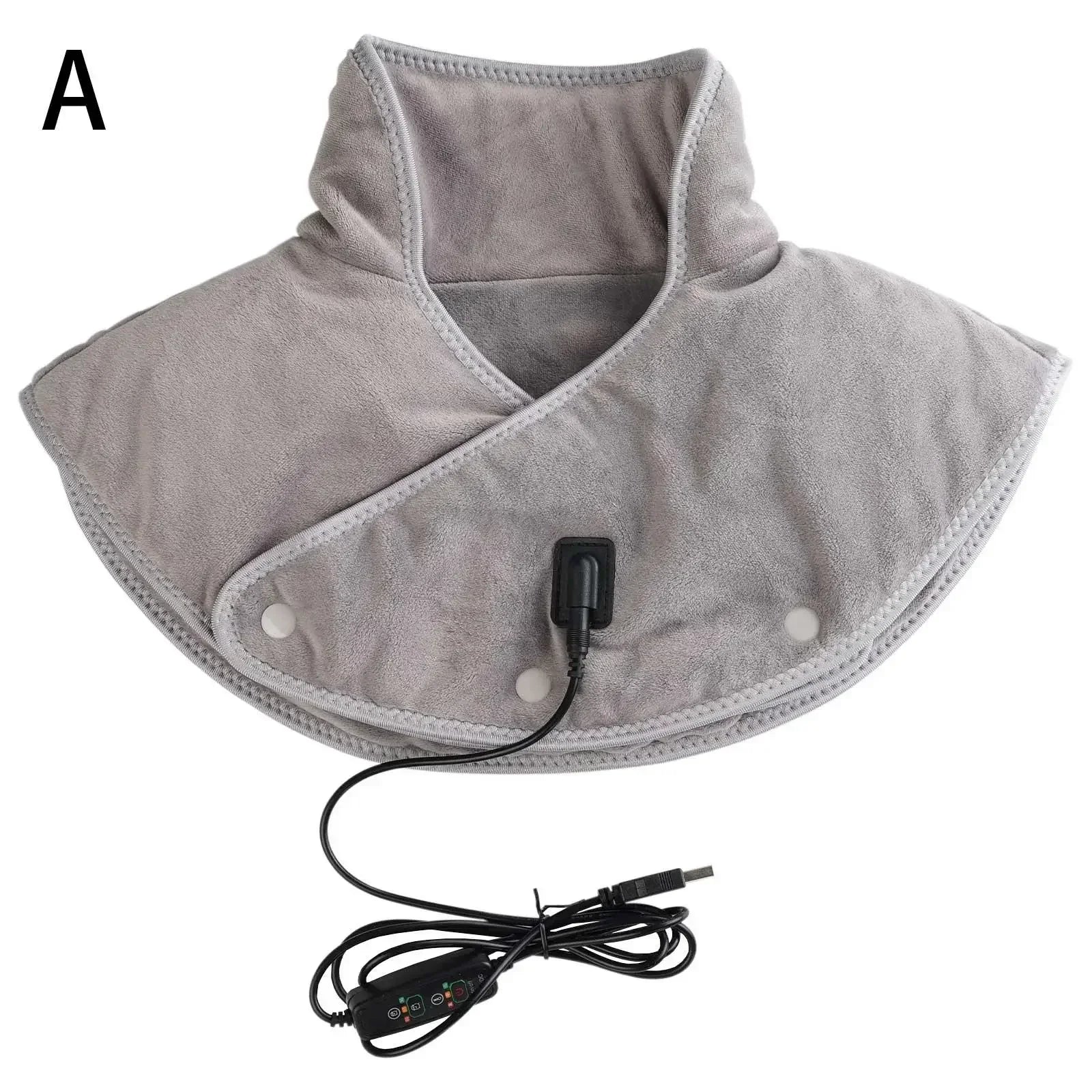
Heat therapy neck shoulders support — See it in action
Best Heat Therapy Methods
Heating Pads
Electric heating pads provide continuous, adjustable warmth and are well suited for treating larger muscle groups such as the neck, shoulders, back, and thighs. Models with automatic shut-off features offer added safety during home use.
Warm Compresses
A warm compress is a simple option for localized muscle discomfort. It works well on smaller areas and can provide effective relief when used for approximately 15 to 20 minutes at a comfortable temperature.
Warm Baths and Showers
Warm water surrounds multiple muscle groups at once, making baths and showers useful for widespread stiffness or general muscle fatigue. The combination of warmth and relaxation may also help reduce stress-related muscle tension.
How to Use Heat Therapy for Best Muscle Relief
Using heat therapy correctly can improve comfort while reducing the risk of skin irritation or excessive heat exposure. The goal is gentle, consistent warmth that supports muscle relaxation rather than intense temperatures that may cause discomfort.
- Apply heat to clean, dry skin or over a thin layer of clothing if recommended by the device instructions.
- Choose a moderate, comfortable temperature that feels soothing without causing burning or excessive warmth.
- Relax the targeted muscle area while heat is applied to encourage natural muscle release.
- Combine heat therapy with gentle movement, stretching, or mobility exercises when appropriate to help maintain flexibility.
- Repeat sessions consistently instead of increasing heat intensity for stronger effects.
How Long to Apply Heat
Most heat therapy sessions are effective when used for about 15–30 minutes at a time. Longer exposure does not necessarily provide better muscle relief and may increase the risk of skin irritation or discomfort. Always follow the safety instructions provided with your heating device.
How Often to Use Heat
Heat can be used regularly for recurring muscle stiffness or tension when it provides comfort. Many people find consistent daily use helpful for posture-related tightness, neck tension, and general muscle relaxation. Stop use if pain worsens, skin becomes irritated, or symptoms change unexpectedly.
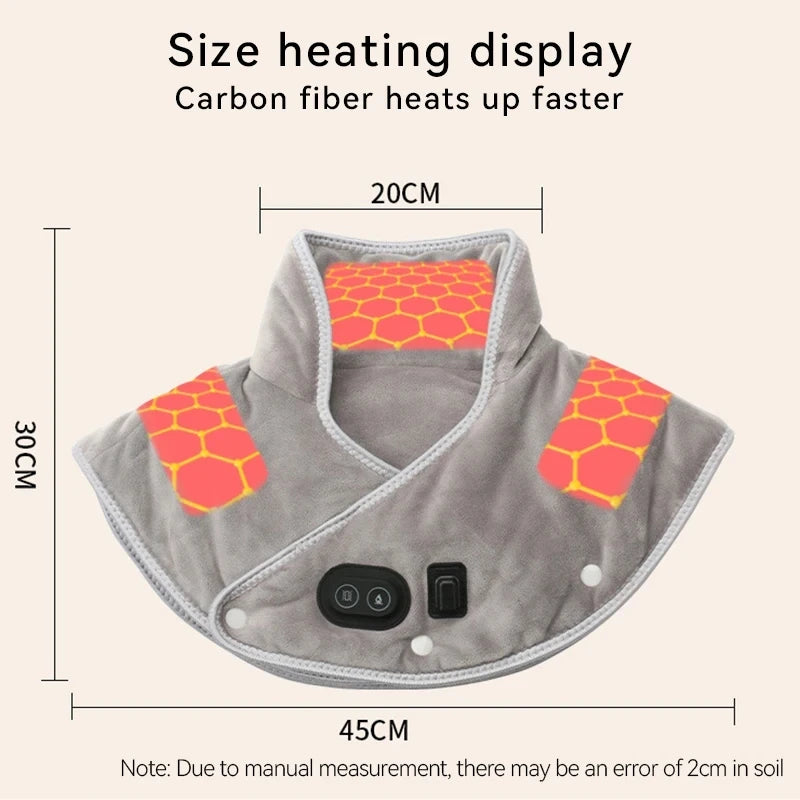
Steady heat for recovery and relaxation — See it in action
Common Mistakes When Using Heat Therapy
Heat therapy for muscle relief works best when used safely. Common mistakes can reduce comfort and may make certain types of pain worse.
- Applying heat to swollen areas or fresh injuries where inflammation may be present
- Using heat for too long without breaks or checking skin condition
- Choosing temperatures that are too high instead of using comfortable warmth
- Sleeping with a heating device unless it is specifically designed and approved for overnight use
- Applying heat directly to sensitive skin without protection
- Ignoring worsening pain, unusual symptoms, or discomfort that does not improve
Moderate, consistent warmth is generally more effective for muscle relaxation than excessive heat. Heat should support comfort and mobility, not replace medical evaluation when pain is severe, persistent, or unexplained.
To explore complementary wellness tools, browse the Body Care and Health Devices collection or discover relaxation inspiration in the Beauty & Self-Care Blog .
Frequently Asked Questions
Does heat relax muscles quickly?
Yes, heat can begin relaxing tight muscles within minutes by increasing circulation, improving tissue flexibility, and reducing stiffness. However, heat mainly supports temporary comfort and mobility rather than directly repairing an underlying injury.
Is moist heat better for muscle relaxation?
Moist heat muscle relaxation may feel more effective for some people because moisture can help warmth transfer through tissues more comfortably. Dry heat can also be useful when convenience and easy application are priorities.
When should you use heat instead of ice?
Heat is usually better for muscle stiffness, tension, and soreness related to overuse or inactivity. Ice is generally preferred for recent injuries, swelling, or areas that feel hot and inflamed.
Does warmth help sore muscles after exercise?
Yes, warmth can help reduce post-exercise muscle tightness and improve comfort by encouraging circulation and relaxation. It is especially useful when muscles feel stiff after activity rather than immediately after an acute injury.
Can heat therapy help neck and shoulder stiffness?
Yes, heat therapy is commonly used for neck and shoulder stiffness caused by posture, prolonged screen use, and everyday muscle tension. Gentle warmth can help these areas relax and move more comfortably.
How long should you apply heat to a sore muscle?
For most people, applying heat for around 15–30 minutes is a common approach. Use a comfortable temperature and allow the skin to return to normal between sessions.
Can heat make muscle pain worse?
Heat may worsen discomfort if it is used on swelling, fresh injuries, or areas with active inflammation. If pain increases during or after heat therapy, stop use and consider whether another approach or professional advice is needed.
Experience consistent warmth muscle relief today
Pillar Article: Ergonomic Neck Shoulder Heater: Features That Matter Most
Other Related Articles:
Explore More:













