

Buying Guide: How to Choose the Best Back Stretcher Bench
Key features to compare
If you're looking for the best back stretcher for home, comparing a few practical features will help you choose a model that fits your needs and available space.
- Adjustability: Multiple incline or height settings allow you to gradually increase stretch intensity as flexibility improves.
- Weight capacity: Check the manufacturer's recommended weight limit for safe and stable use.
- Padding and materials: Durable frames with comfortable cushioning help make regular stretching sessions more enjoyable.
- Storage: Foldable or lightweight designs are easier to store in smaller homes.
- Budget: Higher-priced models often offer greater adjustability and durability, while entry-level options can still provide effective daily stretching.
The ideal back stretcher table is one you'll use consistently. Comfort, ease of setup, and build quality often have a greater impact on long-term satisfaction than advanced features alone.
How This Simple Routine Maximizes Results in Minutes
- Place the back stretcher bench on a stable, flat surface.
- Lie down slowly, keeping your spine centered on the support.
- Relax for 5–10 minutes while breathing normally and avoiding unnecessary muscle tension.
- If comfortable, gradually increase your stretching time over several weeks instead of making large changes at once.
- Finish with gentle walking or a heat therapy massager to encourage muscle relaxation.
Learning how to use a back stretcher bench correctly is just as important as choosing the right device. Consistent, controlled sessions generally provide better results than infrequent, longer stretching sessions.
Avoid these common mistakes:
- Stretching through sharp or severe pain.
- Using the highest stretch setting immediately.
- Holding your breath during the session.
- Using the device on an unstable or uneven surface.
Many people notice gradual improvements in flexibility and reduced stiffness after incorporating regular stretching into their weekly routine, although individual results vary.
Back Stretcher Bench vs Portable Devices: Which One Truly Wins?
A back stretcher bench is the stronger choice for people focused on improving posture, mobility, and long-term spinal health. Portable devices remain an excellent option for quick muscle relaxation, travel, and everyday convenience.
If your priority is building a consistent home stretching routine, a back stretcher bench offers greater long-term value. If convenience is your main concern, a portable massage device may better suit your lifestyle. Many users benefit from combining both approaches—using structured stretching for alignment and portable massage for day-to-day comfort.
Explore the back stretcher solution
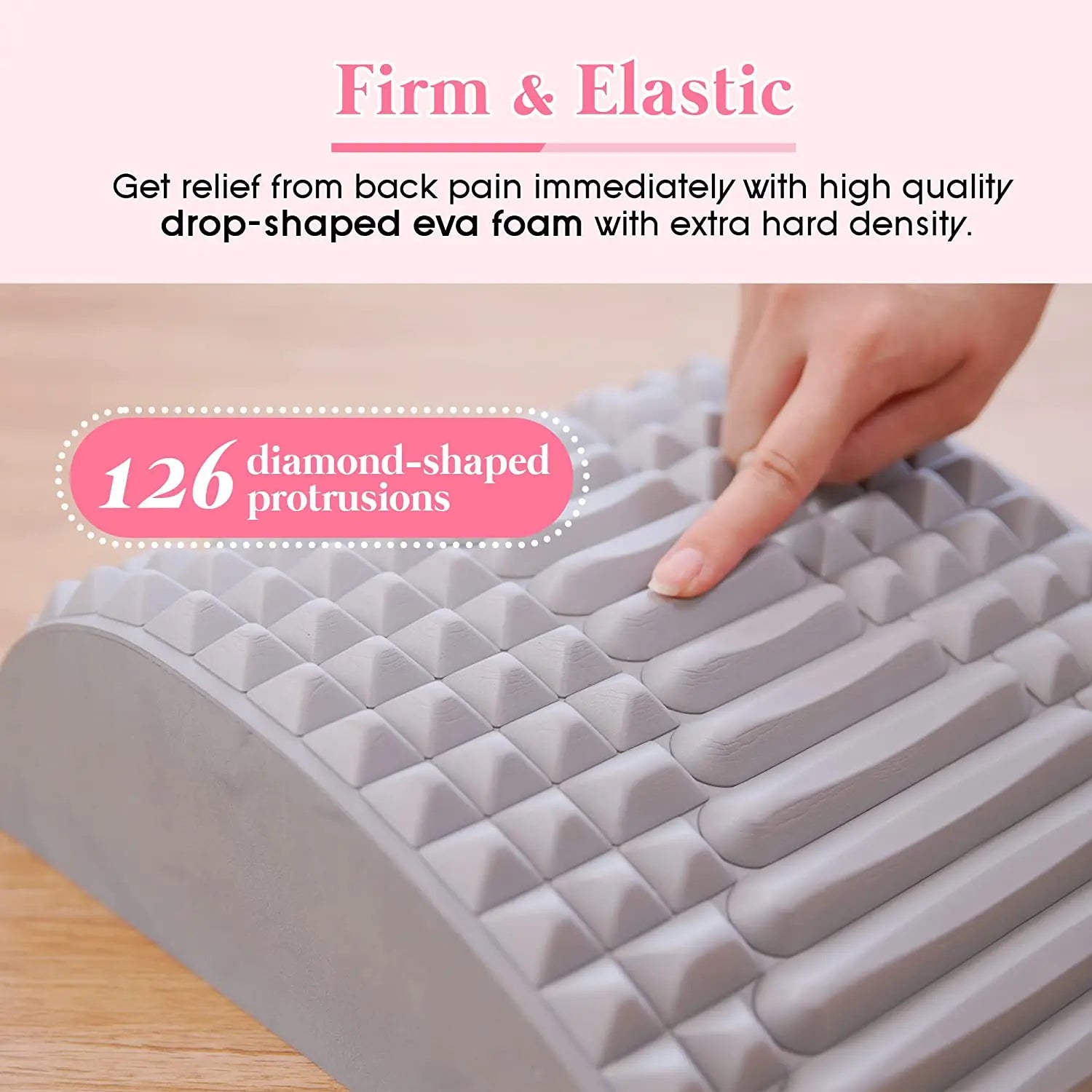
home back cracking stretcher for spine alignment See it in action
Frequently Asked Questions
Is a back stretcher bench better than an inversion table?
For many people, yes. A back stretcher bench provides a more gradual, controlled stretch and is generally easier to incorporate into a daily routine. Inversion tables create traction by tilting the body upside down, which may not be suitable or comfortable for everyone.
Can portable massagers fix posture?
No. Portable massagers help reduce muscle tension and improve comfort, but they do not directly correct posture. They are most effective when used alongside posture exercises or a back stretcher table.
How often should I use a back stretcher?
Most users benefit from sessions lasting 5–10 minutes, three to seven times per week. If you're new to spinal stretching, start with shorter sessions and increase gradually as your body adapts.
Is a back stretcher bench safe?
For most healthy adults, a back stretcher bench is safe when used according to the manufacturer's instructions. People with recent spinal injuries, fractures, severe osteoporosis, or other significant medical conditions should consult a healthcare professional before use.
Can a back stretcher bench crack your back safely?
Some people notice gentle popping or cracking sounds during stretching. These sounds are often associated with normal joint movement and are not required for the stretch to be effective. Never force movements or continue if you experience sharp pain or worsening symptoms.
Pillar Article: Adjustable Back Stretcher: 7 Best Options Compared for Home Relief
Other Related Articles:
- Pillow Back Massager vs Traditional Massagers: Key Differences
- Back Stretches with a Foam Roller: Best Moves Compared
- Massage Back Pillow vs Manual Massage: What Relieves Pain Better?
- Roller Stretches for Lower Back: Which Method Works Best?
Explore More:













