

Adjustable Back Stretcher: Benefits, Uses, and How to Choose the Right One
An adjustable back stretcher is designed to gently extend the lumbar spine, helping reduce stiffness, improve mobility, and encourage better posture after long periods of sitting or repetitive daily activities. Unlike foam rollers that primarily target soft tissue, an adjustable back stretcher provides controlled spinal extension with multiple height settings, making it easier to progress at a comfortable pace.
Whether you're looking for daily back comfort, improved flexibility, or a practical home solution to complement stretching exercises, understanding how these devices work can help you choose the right option for your needs.
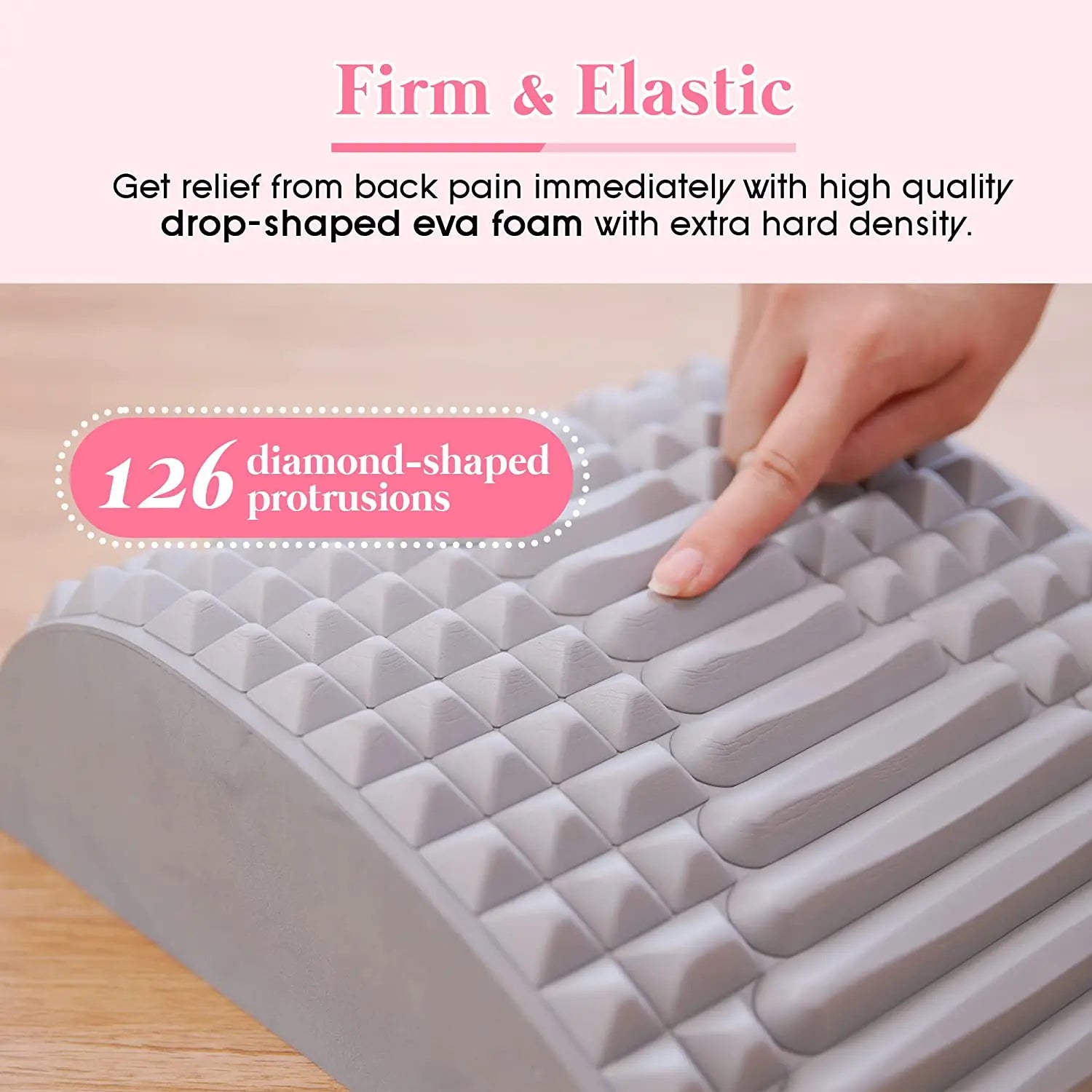
Adjustable back stretcher supporting gentle spinal extension for daily comfort.
What is an adjustable back stretcher and how does it work?
An adjustable back stretcher is a curved support device designed to encourage gentle spinal extension while you lie comfortably on your back. Most models feature multiple height settings, allowing users to gradually increase the intensity as flexibility and comfort improve.
How spinal decompression and extension work
When used correctly, the device promotes a mild backward extension of the lumbar spine. This position can temporarily reduce muscle tension, improve mobility, and help counteract the flexed posture many people develop after prolonged sitting. While it is not a treatment for underlying spinal conditions, it can be a useful addition to a broader mobility routine.
Why adjustable levels matter
Progressive adjustment is one of the biggest advantages over fixed stretching tools. Beginners can start with the lowest setting and gradually increase the height as their flexibility improves, reducing the likelihood of discomfort from overstretching.
- Supports gradual progression.
- Allows users to find a comfortable stretching angle.
- Suitable for a wide range of flexibility levels.
- Encourages consistent daily use.
Who benefits most
An adjustable back stretcher may be particularly helpful for office workers, drivers, students, and anyone who spends extended periods sitting. It can also complement mobility work before or after light exercise when used appropriately.
Benefits of using an adjustable back stretcher
Regular use may improve comfort when combined with healthy movement habits, posture awareness, and strengthening exercises. Although results vary, many users notice improvements in flexibility and stiffness after consistent use.
Relieving stiffness after sitting
Long hours at a desk can leave the lower back feeling tight. Gentle spinal extension helps offset prolonged forward bending and may restore a more comfortable range of motion.
Supporting posture improvement
Using a back stretcher alongside posture-focused exercises may encourage better spinal alignment awareness throughout the day.
Warm-up and recovery applications
Many active individuals use an adjustable back stretcher as part of a mobility routine before light training or during recovery sessions to improve flexibility without aggressive stretching.
- Helps ease everyday back stiffness.
- Encourages improved spinal mobility.
- Supports comfortable posture habits.
- Suitable for brief daily sessions.
How to choose the right adjustable back stretcher
Knowing how to choose the right back stretcher can help you find a model that fits both your comfort level and long-term needs.
- Adjustability: Multiple height levels allow gradual progression.
- Material and durability: Look for sturdy construction that maintains its shape over time.
- Comfort and portability: A lightweight design with supportive cushioning is easier to use consistently.
- Weight capacity: Always verify the manufacturer's recommended user weight before purchasing.
An affordable back stretcher for daily use should balance comfort, durability, ease of adjustment, and overall stability rather than focusing on one feature alone.
Best adjustable back stretcher for different needs
The ideal model depends on your experience level and intended use.
- Beginners: Choose a model with several low starting positions.
- Daily home use: Prioritize comfort and quick setup.
- Warm-ups before lifting: Select a durable model that complements a mobility routine.
- Use on a bed: Ensure the manufacturer states it is suitable for softer surfaces before using it there.
How to use an adjustable back stretcher safely
Safe technique is more important than stretching intensity.
- Start with the lowest adjustment level.
- Use the device for approximately 5–10 minutes.
- Breathe normally and relax instead of forcing the stretch.
- Increase the height only after several comfortable sessions.
- Stop immediately if you experience sharp or radiating pain.
Consistency with gentle progression typically produces better results than aggressive stretching.
Who should avoid using a back stretcher?
Although many healthy adults can use adjustable back stretchers safely, they are not appropriate for everyone.
You should seek medical advice before use if you have:
- Recent spinal or back injuries.
- Unexplained severe back pain.
- Persistent numbness or radiating leg pain.
- Advanced spinal conditions, including certain forms of scoliosis, unless cleared by a healthcare professional.
Benefits of an adjustable back stretcher for daily comfort
An adjustable back stretcher can become a valuable part of a daily mobility routine by providing gentle, controlled spinal extension. Unlike tools designed primarily for muscle massage, these devices support the natural curve of the lower back while allowing users to gradually increase stretching intensity as flexibility improves.
For targeted relief, explore this option: Body Care and Health Devices
- Supports the natural lumbar curve during stretching.
- Provides adjustable levels for gradual progression.
- Requires only 5–10 minutes per session.
- Compact design for convenient home or office use.
- Suitable for beginners when used according to the manufacturer's instructions.
Adjustable back stretcher vs other back stretching tools
Back stretcher pillow vs foam roller
Foam rollers and adjustable back stretchers serve different purposes. Choosing the right tool depends on whether your primary goal is muscle release, spinal extension, or a combination of both.
| Feature | Foam Roller | Adjustable Back Stretcher |
|---|---|---|
| Primary purpose | Myofascial release and muscle massage | Gentle spinal extension and posture support |
| Ease of use | Moderate learning curve | Beginner-friendly |
| Spinal support | Limited | Structured lumbar support |
| Best for | Tight muscles after exercise | Daily stiffness from prolonged sitting |
| Progression | Technique dependent | Multiple adjustable height settings |
Many people benefit from using both tools at different times. A foam roller can help release tight muscles, while an adjustable back stretcher provides controlled spinal extension during recovery or mobility sessions.
Back stretcher vs inversion table
Inversion tables create a stronger traction force by suspending part of the body's weight, whereas adjustable back stretchers provide a gentler, floor-based stretching experience that is easier to incorporate into a daily routine.
- Inversion tables: Deeper decompression, larger footprint, and additional safety considerations.
- Adjustable back stretchers: Portable, affordable, easier to set up, and suitable for short daily sessions.
For most home users seeking consistent mobility work rather than intensive decompression, an adjustable back stretcher is often the more practical choice.
Sample daily adjustable back stretcher routine
A consistent routine helps build flexibility gradually while minimizing the risk of overstretching.
- Walk or perform light movement for 2–3 minutes to warm up.
- Use the adjustable back stretcher at the lowest comfortable setting for 5–10 minutes.
- Follow with gentle knee-to-chest and spinal mobility stretches.
- Finish with light core activation and relaxed breathing.
Practicing this routine several times each week can support long-term mobility when combined with regular movement and good posture habits.
What results can you realistically expect?
During the first week
Some users notice reduced stiffness after sitting, improved comfort when changing positions, and greater awareness of posture. Results vary depending on individual mobility, activity level, and consistency.
With long-term consistency
Using an adjustable back stretcher regularly alongside strengthening exercises and healthy movement habits may help improve flexibility, support posture, and make everyday activities more comfortable over time.
Limitations
These devices are intended to support mobility and comfort. They should not be viewed as a cure for chronic spinal disorders, severe injuries, or persistent back pain that requires medical evaluation.
Buying checklist before you purchase
Before selecting an adjustable back stretcher, compare the following features:
- Multiple adjustable height settings.
- Durable construction with stable support.
- Comfortable surface and ergonomic curve.
- Appropriate weight capacity.
- Portable design for convenient storage.
- Clear instructions and maintenance guidance.
Choosing a well-built model designed for gradual progression can improve comfort, safety, and long-term value.
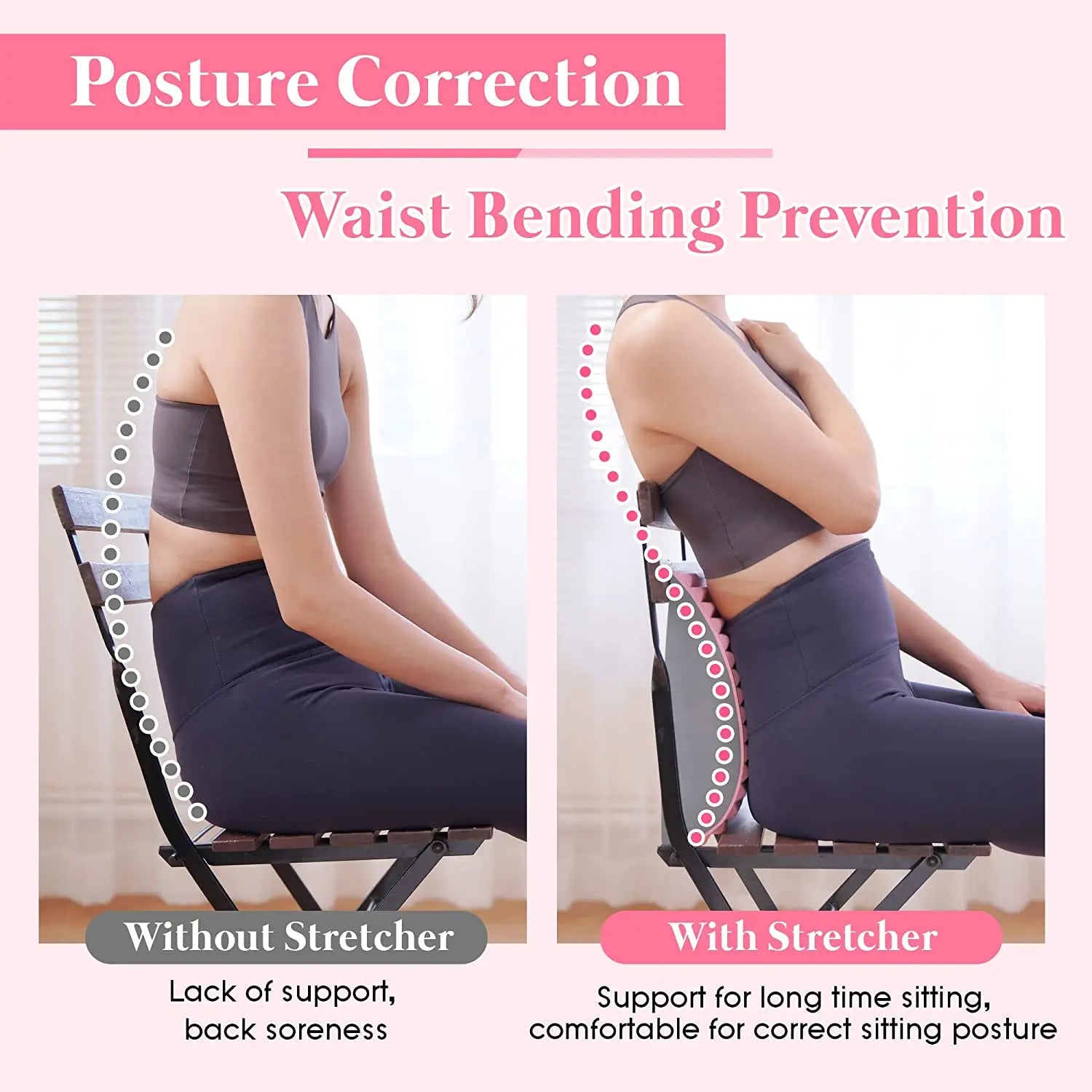
Using an adjustable back stretcher as part of a consistent mobility routine at home.
Final recommendation: which back stretching method works best?
There is no single solution that works for everyone. The best choice depends on your goals, current flexibility, and the type of discomfort you experience.
- Choose a foam roller if your primary goal is releasing tight muscles after exercise.
- Choose an adjustable back stretcher if you want gentle spinal extension and a simple daily mobility routine.
- For many people, using both tools at different times provides a balanced approach to improving flexibility and reducing everyday stiffness.
Remember that stretching devices work best when combined with regular movement, good posture, core strengthening, and healthy daily habits. Persistent or worsening back pain should always be evaluated by a qualified healthcare professional.
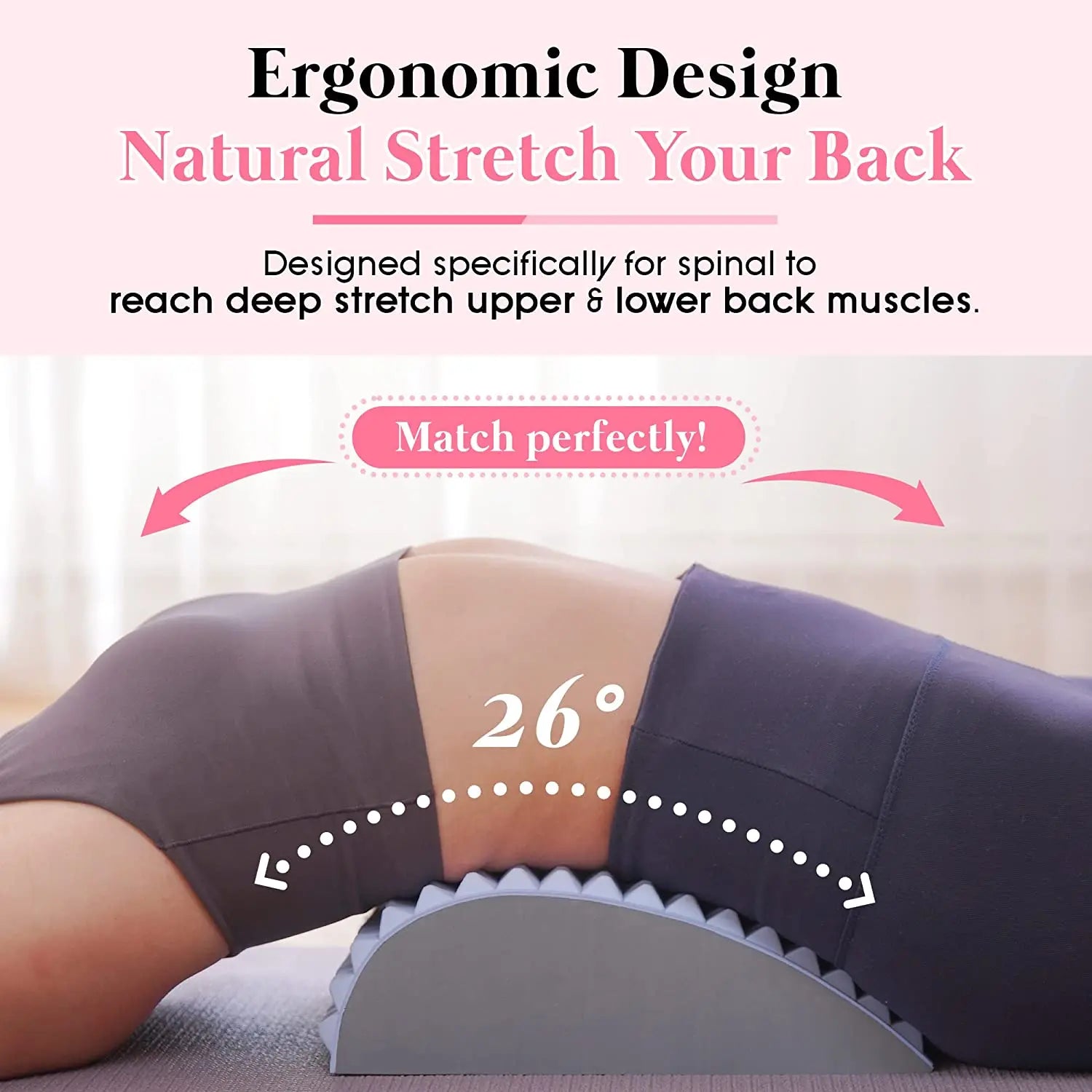
An adjustable back stretcher can support a comfortable daily mobility routine when used consistently.
Frequently asked questions
What is the best adjustable back stretcher for beginners?
Beginners should look for an adjustable back stretcher with multiple height settings, a stable design, and comfortable support. Starting at the lowest level allows gradual progression as flexibility improves.
How do I choose the right adjustable back stretcher?
Compare adjustability, material quality, comfort, portability, weight capacity, and ease of setup. A well-built model that allows gradual progression is usually the best long-term investment.
Can an adjustable back stretcher help after sitting all day?
Many people use an adjustable back stretcher to relieve stiffness that develops after prolonged sitting. Gentle spinal extension may improve mobility and comfort when combined with regular movement breaks and posture awareness.
Is a back stretcher better than an inversion table?
For everyday home use, an adjustable back stretcher is generally easier to use, more portable, and requires fewer safety precautions. Inversion tables provide stronger decompression but are better suited for users who have adequate space and have confirmed they are appropriate for their individual needs.
Can I safely use a back stretcher on my bed?
Some models can be used on a firm mattress if recommended by the manufacturer, but many perform best on a stable floor where the device remains fully supported throughout the session.
Is an adjustable back stretcher safe for scoliosis?
People with scoliosis or other diagnosed spinal conditions should consult their healthcare provider before using a back stretcher. Individual recommendations depend on the type and severity of the condition.
How long should each back stretching session last?
Most users begin with sessions lasting approximately 5–10 minutes. Increase duration only if it remains comfortable and follow the manufacturer's guidance.
Can I use a back stretcher before lifting weights?
Yes, many people include gentle spinal mobility work before resistance training. Avoid aggressive stretching immediately before heavy lifting, and always stop if you experience pain or discomfort.
Related Articles:
- Back Stretcher Bench vs Portable Devices: Which Wins?
- Pillow Back Massager vs Traditional Massagers: Key Differences
- Back Stretches with a Foam Roller: Best Moves Compared
- Massage Back Pillow vs Manual Massage: What Relieves Pain Better?
- Roller Stretches for Lower Back: Which Method Works Best?
Pillar Articles:













