

Does Roller Stretching for Lower Back Actually Work?
For many people, roller stretches for lower back discomfort can reduce muscle tightness, improve mobility, and make everyday movements feel easier. Foam rolling works best when stiffness comes from tight muscles surrounding the lumbar spine rather than from the spine itself.
Roller Stretches for Lower Back: Safe Foam Roller Exercises to Relieve Pain and Improve Mobility
Lower back stiffness can develop after long hours sitting, commuting, exercising, or caring for children. Safe roller stretches for lower back discomfort can help improve mobility, reduce muscular tension, and support better movement patterns when used consistently. The key is choosing evidence-informed techniques that target the muscles influencing the lower back rather than rolling directly over the spine.
⏱ 7 min read
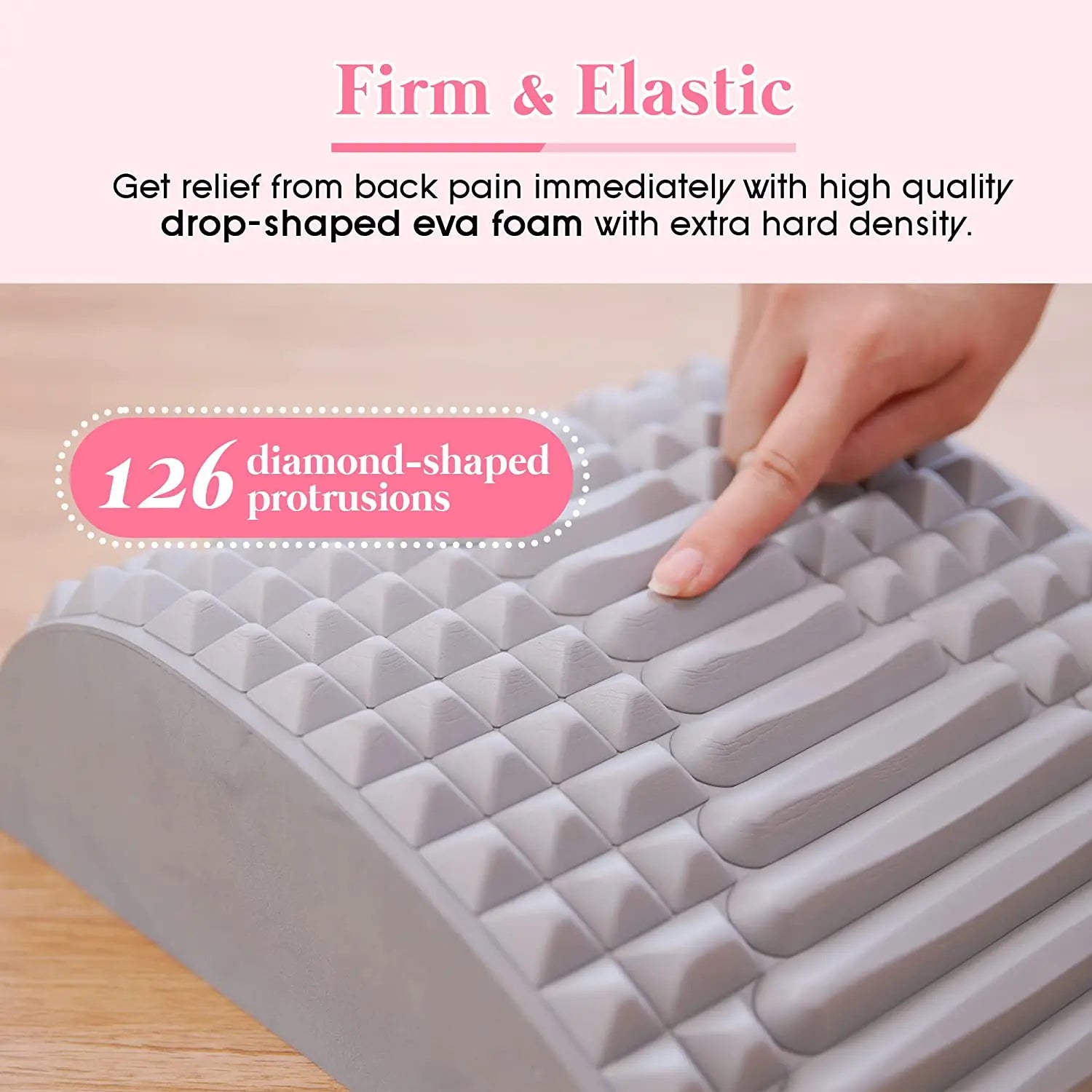
Foam roller stretches lower back in action — See it in action
What Research Suggests
Research suggests that foam rolling may improve short-term flexibility, increase range of motion, and reduce delayed-onset muscle soreness. Although foam rolling is not a standalone treatment for chronic low back pain, combining mobility work with strengthening exercises often produces better long-term outcomes.
Who Benefits Most
- Office workers with prolonged sitting
- People with tight glutes or hamstrings
- Recreational athletes
- Individuals recovering from mild muscular back stiffness
- Parents experiencing back strain from pushing stroller long distances
When It May Not Help
If pain radiates down the leg, follows a traumatic injury, causes numbness or weakness, or persists despite self-care, seek evaluation from a qualified healthcare professional before attempting foam rolling.
What Are Roller Stretches for Lower Back?
Lower back foam roller stretches involve using a foam roller to release muscles that influence the lumbar spine, including the glutes, hamstrings, hip flexors, thoracic spine, and latissimus dorsi. Instead of applying pressure directly to the lower back bones, these exercises reduce tension in surrounding tissues that contribute to stiffness.
Foam Roller Stretches vs Direct Spinal Rolling
Therapists generally recommend avoiding direct rolling over the lumbar spine. Foam rolling surrounding muscles is considered safer and often more effective for improving mobility and reducing muscular tension.
Why Avoid Rolling Directly on the Lumbar Spine?
The lumbar spine has a natural curve and less structural protection than the thoracic spine. Rolling directly over this region can increase pressure on joints and tissues without effectively targeting tight muscles.
Muscles That Commonly Cause Lower Back Tightness
- Gluteus maximus and gluteus medius
- Piriformis
- Hip flexors
- Hamstrings
- Thoracic erectors
- Latissimus dorsi
Benefits of Foam Roller Stretches for Lower Back
Consistent foam rolling may improve movement quality and reduce the sensation of muscular tightness surrounding the lower back.
- Improves hip and spinal mobility
- Temporarily increases range of motion
- Reduces muscle stiffness
- Supports recovery after exercise
- Helps prepare muscles before workouts
- Encourages better posture through improved mobility
- Makes daily movements feel easier and more comfortable
For optimal results, combine foam rolling with strengthening exercises and regular stretching rather than relying on rolling alone. You may also benefit from complementary mobility work such as daily lower back stretching routines .
How Foam Rolling Works to Reduce Lower Back Stiffness
Understanding Fascia and Myofascial Release
Fascia is connective tissue that surrounds muscles and other structures throughout the body. Periods of inactivity, repetitive movements, and intense exercise may contribute to increased tissue stiffness. Foam rolling applies controlled pressure that can temporarily improve tissue mobility and reduce feelings of tightness.
Why Target Nearby Muscles Instead of the Lower Back
Tight hips, glutes, hamstrings, and upper back muscles often affect how the lumbar spine moves. Improving mobility in these areas frequently reduces strain placed on the lower back during everyday activities.
Set Realistic Expectations
Foam rolling typically provides temporary symptom relief. Long-term improvement usually requires combining mobility exercises with strength training, posture awareness, and healthy movement habits.
Learning how fascia and movement quality interact can help you build a more effective recovery routine using multiple mobility techniques.
Before You Start: Foam Rolling Lower Back Safely
Who Should Avoid Foam Rolling
- Recent spinal injuries
- Suspected fractures
- Severe osteoporosis unless medically cleared
- Active inflammation or infection
- Unexplained neurological symptoms
General Safety Tips
- Never roll directly over the lumbar spine.
- Move slowly and deliberately.
- Breathe normally throughout each movement.
- Use mild discomfort as your upper limit.
- Stop immediately if pain becomes sharp or radiates.
Choosing the Right Foam Roller
Beginners typically tolerate medium-density foam rollers better than extra-firm or heavily textured models. Softer rollers may also be more appropriate for older adults or those with significant sensitivity.
Step-by-Step Roller Stretches for Lower Back
Perform each movement slowly for 30–60 seconds while maintaining relaxed breathing.
1. Glute Release (Beginner)
Sit on the foam roller with one ankle crossed over the opposite knee. Lean toward the crossed leg and slowly roll across the glute muscles.
2. Piriformis Release
Maintain the same position while performing smaller, controlled movements over the deep hip muscles.
3. Hamstring Roll
Place the roller beneath the back of your thighs and slowly roll from above the knees toward the hips.
4. Hip Flexor Release
Lie face down with the roller positioned beneath the front of one hip. Slowly glide forward and backward while keeping pressure comfortable.
5. IT Band Modification
Instead of rolling directly on the IT band aggressively, use gentle pressure on the surrounding thigh muscles and move slowly.
6. Thoracic Spine Extension
Position the roller across the upper back, support your head with your hands, and gently extend backward without arching the lower back.
7. Latissimus Release
Lie on one side with the roller beneath the outer upper back and slowly roll beneath the shoulder blade area.
8. Child's Pose with Foam Roller
Place both hands on the roller while kneeling and slowly roll forward to lengthen the muscles along the back and shoulders.
9. Quadratus Lumborum Side Release (Modified)
Use gentle side pressure around the flank muscles while avoiding direct pressure over the spine itself.
10. Full Mobility Flow
Combine glute, hamstring, thoracic, and hip flexor releases into one five-minute mobility sequence.
Foam Roller vs Back Stretcher vs Inversion Table
| Method | Best For | Advantages | Limitations |
|---|---|---|---|
| Foam Roller | Muscular tightness and mobility | Affordable, portable, versatile | Requires active participation |
| Back Stretcher Pillow | Passive spinal extension | Easy to use, beginner-friendly | Less effective for muscle trigger points |
| Inversion Table | Temporary decompression | Provides traction-based relief | Expensive and unsuitable for some users |
When a Foam Roller Is Best
Foam rollers work well for muscular stiffness, post-exercise recovery, and improving mobility.
When a Back Stretcher Is Better
Back stretchers provide passive spinal extension and may benefit people who spend extended periods sitting.
When Inversion May Help
Inversion tables can temporarily reduce spinal compression but may not be appropriate for people with cardiovascular conditions, glaucoma, or certain medical conditions.
Most beginners benefit from starting with a foam roller before progressing to other equipment.
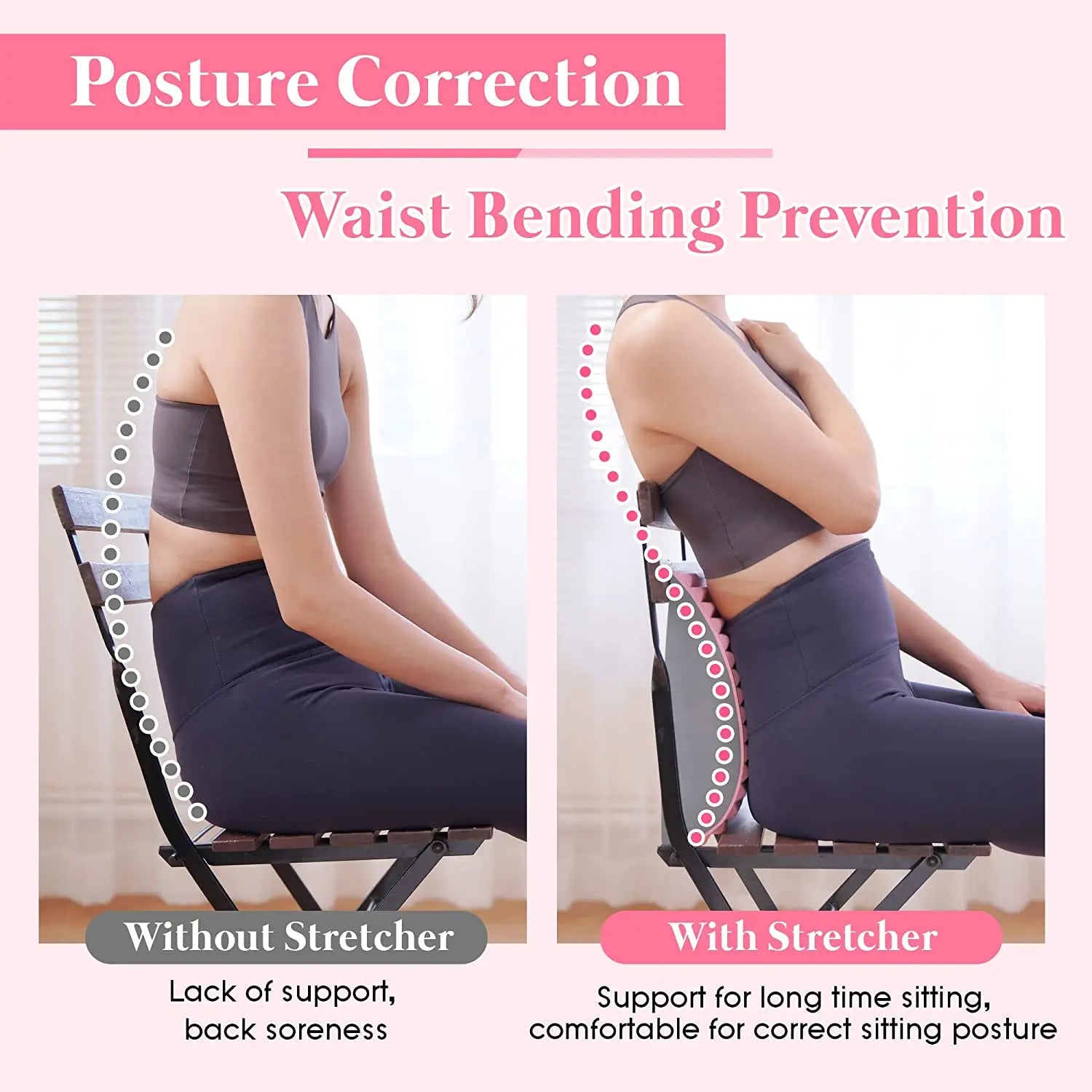
At home remedies for chronic back stiffness — See real results
How to Stretch Lower Back Safely Daily
Five-Minute Morning Routine
- Glute release (1 minute)
- Hamstring roll (1 minute)
- Thoracic extension (1 minute)
- Child's pose stretch (2 minutes)
Ten-Minute Recovery Session
Spend 30–60 seconds on each muscle group while maintaining slow, controlled breathing and avoiding excessive pressure.
Weekly Schedule
Most healthy adults can safely perform foam roller mobility sessions three to five times per week depending on activity level and recovery needs.
Progression Tips
Begin with shorter sessions and lighter pressure before increasing duration or intensity. Combining mobility exercises with core strengthening routines often produces better long-term outcomes.
Explore more recovery tools in Body Care and Health Devices to build a complete wellness setup.
Common Foam Rolling Mistakes to Avoid
- Rolling directly over the lumbar spine.
- Moving too quickly.
- Holding your breath.
- Using excessive pressure.
- Ignoring sharp pain.
- Skipping warm-up movements.
- Expecting foam rolling to replace strengthening exercises.
Improving posture and movement mechanics alongside foam rolling may further reduce recurring stiffness.
Foam Roller Variations for Different Needs
Office Workers
Prioritize thoracic mobility and hip flexor release after prolonged sitting. Desk mobility routines can complement foam rolling sessions.
Athletes
Use foam rolling before workouts to improve mobility and after training to reduce muscle soreness.
Seniors
Choose softer rollers and perform movements slowly using controlled pressure.
Parents with Back Strain from Pushing Stroller Long Distances
Focus on glutes, hip flexors, and thoracic mobility exercises to counter prolonged forward posture and repetitive pushing movements.
People with Chronic Back Stiffness
Combine foam rolling with walking, strengthening exercises, and regular mobility training for improved long-term outcomes.
Which Option Is Best for You?
- General stiffness: Foam roller
- Sedentary posture: Foam roller plus back stretcher
- Recovery after workouts: Foam roller
- Occasional decompression: Inversion table if medically appropriate
Beginner Recommendations
Most beginners should start with a medium-density foam roller and short sessions lasting three to five minutes.
When to Combine Methods
Combining foam rolling with passive stretching devices and strengthening exercises may provide broader benefits than relying on one intervention alone.
If symptoms persist for several weeks or worsen despite consistent self-care, consult a healthcare professional for individualized assessment and treatment recommendations.
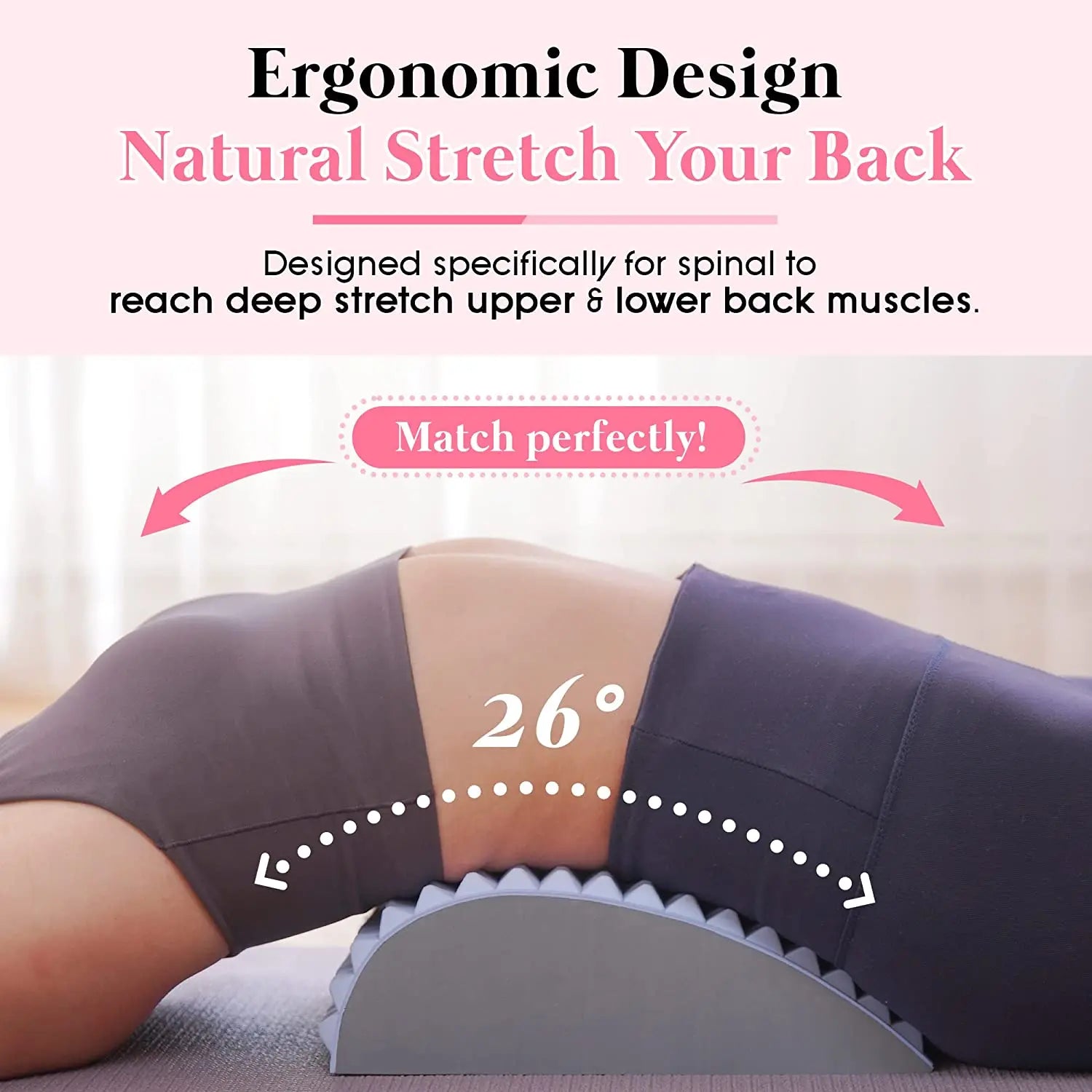
Back stretcher benefits for daily care — Try it today
Frequently Asked Questions
Can foam rolling replace physical therapy?
No. Foam rolling can support recovery and reduce muscular stiffness, but persistent pain or functional limitations may require professional evaluation and treatment.
Can I foam roll every day?
Yes, provided you use moderate pressure, avoid painful areas, and allow adequate recovery when muscles become sore.
Should I roll directly on my lower back?
No. Most experts recommend targeting the surrounding muscles rather than applying pressure directly to the lumbar spine.
How long should each stretch last?
Thirty to sixty seconds per muscle group is typically sufficient for most people.
What is the best foam roller density?
Medium-density foam rollers generally provide the best balance of comfort and effectiveness for beginners.
What if foam rolling increases pain?
Stop immediately and seek medical evaluation if symptoms are severe, persistent, associated with weakness, numbness, or radiating pain.
Pillar Article: Adjustable Back Stretcher: 7 Best Options Compared for Home Relief
Other Related Articles:
- Back Stretcher Bench vs Portable Devices: Which Wins?
- Pillow Back Massager vs Traditional Massagers: Key Differences
- Back Stretches with a Foam Roller: Best Moves Compared
- Massage Back Pillow vs Manual Massage: What Relieves Pain Better?
Explore More:













