

Benefits of Body Scrub for Skin: Science, Results & How to Use It Properly
Discover the science-backed benefits of body scrub for skin , from smoother texture and clearer pores to better moisturizer absorption and a healthier-looking complexion. Learn how full body exfoliation supports natural skin renewal, which exfoliation method is right for your skin type, and how to achieve visible results without damaging your skin barrier.
Tags: benefits of body scrub for skin, benefits of full body exfoliation, good body scrub for keratosis pilaris, best body exfoliating tools, skin health, smooth skin tips, exfoliating routine, natural body scrub, glowing skin, self care
⏱ 7 min read
What Are the Benefits of Body Scrub for Skin? (Quick Answer)
The primary benefits of body scrub for skin include removing dead skin cells, improving skin texture, unclogging pores, enhancing the absorption of moisturizers, and revealing brighter, smoother-looking skin. Regular exfoliation also supports your skin's natural renewal cycle, helping reduce rough patches, minimize body breakouts, and maintain a healthier skin barrier when performed at the appropriate frequency.
Key Benefits at a Glance
- Removes dead skin cells for softer, smoother skin
- Helps reduce clogged pores and body acne
- Promotes a brighter, more even-looking skin tone
- Improves absorption of lotions, creams, and serums
- Supports healthy skin cell turnover for lasting smoothness
Why Your Skin Loses Its Natural Glow Over Time
Your skin continuously renews itself by shedding old cells and replacing them with new ones. In healthy adults, this natural skin cell turnover generally takes about 28 to 40 days, although the process often slows with age, sun exposure, dry environments, and changes in skin barrier function.
When dead skin cells accumulate faster than they are naturally shed, the skin surface can become rough, dull, flaky, and uneven. Sweat, excess oil, pollution, sunscreen residue, and friction from clothing may further contribute to clogged pores and a lackluster appearance.
This is where the benefits of body exfoliation become important. By gently removing surface buildup, a body scrub helps expose fresher skin underneath, allowing moisturizers to work more effectively while restoring a smoother, healthier-looking appearance.

Discover the benefits of body scrub for skin and how KentDO makes exfoliation effortless.
How Body Scrubs Work: The Science of Exfoliation
Understanding how body scrubs work helps explain why consistent exfoliation can improve skin texture without changing your skin permanently. A body scrub primarily removes dead cells from the outermost layer of the epidermis (the stratum corneum), revealing newer skin beneath and supporting a smoother skin surface.
How Skin Cell Turnover Works
Your skin constantly produces new cells in its deeper layers. As these cells mature, they gradually migrate toward the surface, where older cells naturally detach. When this process slows, dead cells accumulate and contribute to roughness, dullness, clogged pores, and uneven texture.
Body scrubs assist this natural shedding process rather than replacing it. Gentle exfoliation helps remove excess buildup while allowing the skin's normal renewal cycle to continue efficiently.
Physical vs Chemical vs Enzyme Exfoliation
There are three common approaches to body exfoliation, each working differently:
- Physical exfoliation: Uses fine particles such as sugar, salt, coffee grounds, or exfoliating brushes to manually lift away dead skin cells.
- Chemical exfoliation: Uses ingredients such as alpha hydroxy acids (AHAs) and beta hydroxy acids (BHAs) to loosen the bonds between dead skin cells so they shed more easily.
- Enzyme exfoliation: Uses naturally derived fruit enzymes, such as papaya or pineapple enzymes, to gently break down surface buildup with less mechanical friction.
Many modern body exfoliating products combine physical exfoliants with mild chemical or enzyme ingredients to provide more even exfoliation while minimizing the need for aggressive scrubbing.
Why This Matters for Skin Health
When used appropriately, exfoliation supports healthier-looking skin by improving the condition of the skin surface rather than fundamentally changing skin structure. The benefits of exfoliating the body are most noticeable when exfoliation is paired with daily moisturizing and sun protection.
- Better moisturizer absorption: Removing surface buildup allows moisturizers to spread more evenly across the skin.
- Smoother texture: Regular exfoliation helps soften rough patches commonly found on elbows, knees, heels, and upper arms.
- Brighter appearance: Clearing away dull surface cells can make skin look fresher and more radiant.
- Clearer pores: Gentle exfoliation helps reduce the accumulation of oil and debris that may contribute to body breakouts.
- Healthier skin barrier: Avoiding excessive scrubbing helps maintain the protective outer barrier while still enjoying the benefits of body exfoliation.
Top Proven Benefits of Body Scrubs (Backed by Skin Science)
Removes Dead Skin Cells & Boosts Cell Turnover
One of the most important benefits of body scrub is removing excess dead skin cells that accumulate on the surface of the skin. Gentle exfoliation supports the skin's natural renewal process, helping newer skin cells become visible while reducing rough, flaky patches. Although body scrubs do not speed up your body's biological renewal cycle, they help remove surface buildup that can make skin appear dull.
Improves Skin Texture & Smoothness
Regular exfoliation helps smooth areas prone to roughness, including the elbows, knees, heels, upper arms, and thighs. By reducing surface buildup, body scrubbing benefits include softer-feeling skin and a more even texture that many people notice immediately after exfoliating.
Helps Prevent Ingrown Hairs
Exfoliating before shaving or waxing can help remove dead skin that traps emerging hairs beneath the surface. While body scrubs cannot completely prevent ingrown hairs, consistent gentle exfoliation may reduce their frequency by keeping hair follicles clearer and minimizing blocked openings.
Supports Better Moisturizer Absorption
After exfoliation, moisturizers, body oils, and creams spread more evenly across the skin because excess dead cells have been removed. Applying a moisturizer immediately after exfoliating helps lock in hydration and maximize the benefits of using body scrub as part of a complete skincare routine.
Helps Reduce Body Acne & Clogged Pores
For individuals prone to body acne on the back, shoulders, or chest, gentle exfoliation can help remove excess oil, sweat, and debris that contribute to clogged pores. Body scrubs should be used carefully on acne-prone skin to avoid excessive friction, especially over inflamed breakouts.
Promotes Brighter, More Even-Looking Skin
Removing dull surface cells allows healthier skin underneath to reflect light more evenly, giving the appearance of brighter skin. While body scrubs are not designed to treat pigmentation disorders, consistent exfoliation can gradually improve the appearance of uneven texture and surface dullness when combined with daily moisturization and sun protection.
Experience the benefits of full body exfoliation—your skin deserves it.
Full Body Scrub Benefits by Skin Concern
Dry & Flaky Skin
Dry skin often develops a layer of loose, flaky cells that prevents moisturizers from contacting the healthiest layer of skin. Gentle exfoliation once or twice weekly removes this buildup so hydrating ingredients can be applied more evenly. Choose body scrubs with moisturizing oils or humectants to minimize dryness after exfoliation.
Keratosis Pilaris
Keratosis pilaris (KP) develops when keratin plugs block hair follicles, creating rough bumps that commonly appear on the upper arms and thighs. A good body scrub for keratosis pilaris may help smooth the skin by removing surface buildup, although consistent moisturizing and, in some cases, chemical exfoliants containing AHAs or BHAs often provide additional improvement.
Ingrown Hairs
If you regularly shave or wax, exfoliating the skin before hair removal may help reduce trapped hairs by clearing dead skin around follicles. Avoid aggressive scrubbing immediately after shaving, as freshly shaved skin can be more sensitive and prone to irritation.
Body Acne
For acne-prone areas such as the back and shoulders, gentle exfoliation can help keep pores clearer by removing sweat, excess oil, and surface debris. However, active inflamed acne should not be scrubbed aggressively, since excessive friction may worsen irritation.
Sensitive Skin
Sensitive skin can still benefit from exfoliation when gentle products and appropriate frequency are chosen. Fine-particle scrubs, enzyme exfoliants, or soft exfoliating tools used once weekly are generally better tolerated than coarse, abrasive scrubs. Always discontinue use if persistent redness, burning, or irritation develops.
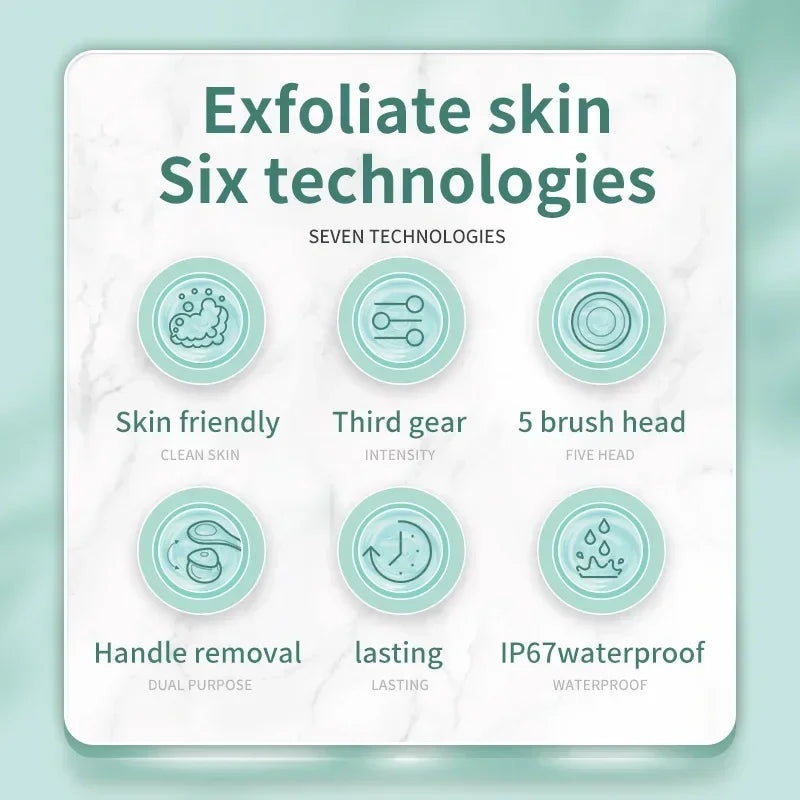
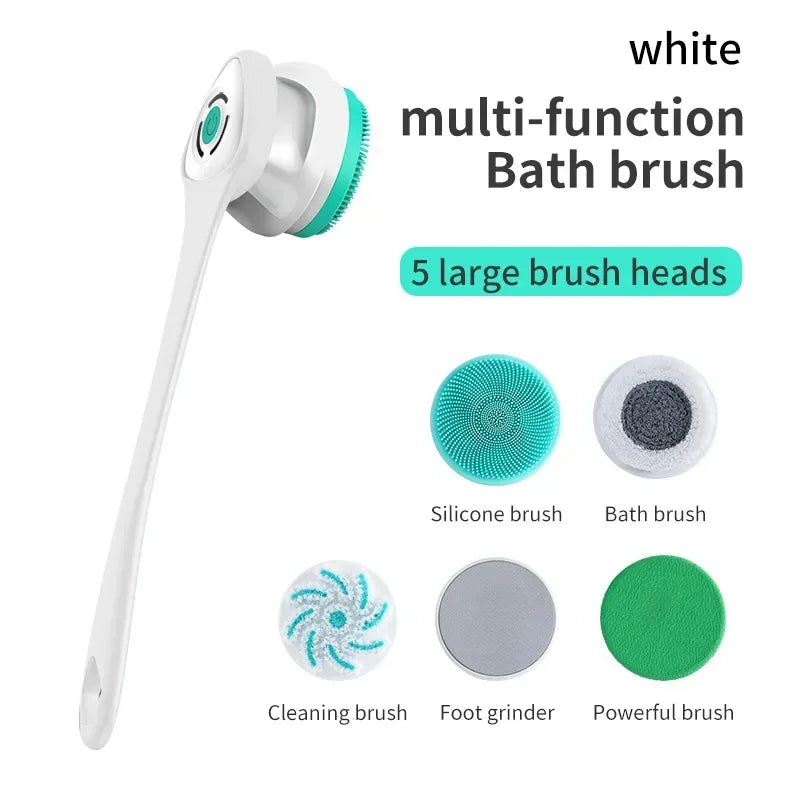
For consistent exfoliation with less manual effort, consider pairing your favorite scrub with the KentDO Electric Shower Brush .
Are Body Scrubs Good for You? Who Should (and Shouldn’t) Use Them
For most people, body scrubs are a safe and effective way to maintain smoother skin when used in moderation. The key is selecting an exfoliation method that matches your skin type and avoiding excessive scrubbing that may weaken the skin barrier.
- Best for: Normal, dry, rough, keratosis pilaris-prone, or mildly acne-prone skin.
- Use with caution: Sensitive, eczema-prone, or reactive skin that may require gentler exfoliation and less frequent use.
- Avoid: Broken skin, open wounds, active infections, severe sunburn, or areas experiencing significant irritation.
Who Should Avoid Body Scrubs
People with severe inflammatory skin conditions, recent cosmetic procedures, or compromised skin barriers should consult a healthcare professional before using abrasive body scrubs. In these situations, gentle cleansing and barrier repair typically take priority over exfoliation.
Signs You're Over-Exfoliating
- Persistent redness or burning
- Increased skin sensitivity
- Tight, dry, or peeling skin
- Stinging when applying moisturizers
- New irritation after each exfoliation session
If these symptoms occur, stop exfoliating temporarily, focus on restoring your skin barrier with fragrance-free moisturizers, and reduce how often you exfoliate once your skin has recovered.
How to Use a Body Scrub Correctly (Step-by-Step Guide)
Step-by-Step Routine
Using a body scrub correctly helps maximize the benefits of using body scrub while protecting your skin barrier. Gentle, consistent exfoliation is more effective than scrubbing aggressively.
- Start with damp skin. Shower with lukewarm water for several minutes to soften dead skin cells before exfoliating.
- Apply a small amount of body scrub. Work one body area at a time to ensure even coverage.
- Massage gently in circular motions. Use light pressure for 30–60 seconds per area rather than vigorous scrubbing.
- Focus on rough areas. Elbows, knees, heels, upper arms, and thighs often benefit from slightly longer exfoliation, while sensitive areas require a gentler touch.
- Use where it provides the greatest benefit. Exfoliate the back and shoulders to help keep pores clear, and exfoliate before shaving or waxing to help reduce ingrown hairs.
- Rinse thoroughly. Wash away all scrub particles using lukewarm water.
- Apply moisturizer immediately afterward. Hydrating the skin while it is still slightly damp helps replenish moisture and maintain a healthy skin barrier.
How Often Should You Exfoliate by Skin Type
How often you should exfoliate depends on your skin type, the type of scrub you use, and how well your skin tolerates exfoliation.
- Normal skin: 2–3 times per week.
- Dry skin: Once or twice weekly using a moisturizing body scrub.
- Oily or body acne-prone skin: Up to 2–3 times weekly if irritation does not occur.
- Sensitive skin: About once weekly using fine-particle or enzyme-based exfoliants.
- Keratosis pilaris: Gentle exfoliation 1–3 times weekly combined with daily moisturizing often provides the best cosmetic improvement.
Pre- and Post-Exfoliation Care
- Cleanse the skin before exfoliating to remove sweat, sunscreen, and surface debris.
- Avoid exfoliating immediately after sunburn, waxing, laser treatments, or when skin is visibly irritated.
- Apply a fragrance-free moisturizer or body cream after exfoliation to reduce moisture loss.
- Protect exposed skin with sunscreen during the day because freshly exfoliated skin may be more sensitive to UV exposure.
Common Mistakes to Avoid
- Scrubbing too hard in an attempt to speed up results.
- Exfoliating every day without allowing the skin barrier to recover.
- Using body scrubs on broken, inflamed, or sunburned skin.
- Combining multiple strong exfoliating products in the same routine.
- Skipping moisturizer after exfoliation.
Body Scrub vs Other Exfoliation Methods
Scrubs vs Chemical Exfoliants
Body scrubs physically remove dead skin cells, providing immediate improvements in skin texture and smoothness. Chemical exfoliants containing ingredients such as glycolic acid, lactic acid, or salicylic acid gradually loosen dead skin cells without friction and may be more suitable for concerns like keratosis pilaris, persistent roughness, or body acne.
For many people, physical and chemical exfoliation are complementary rather than competing methods. Choosing the right approach depends on your skin type, sensitivity, and skincare goals.
Scrubs vs Exfoliating Gloves & Tools
Exfoliating gloves, washcloths, and cleansing brushes rely mainly on friction, while body scrubs combine mechanical exfoliation with conditioning ingredients that can leave the skin feeling softer after rinsing.
Tools such as the KentDO Electric Shower Brush can help deliver more consistent exfoliation across larger body areas, especially the back and shoulders, while reducing the effort required for manual scrubbing.
When to Combine Methods
Many skincare routines combine gentle physical exfoliation with occasional chemical exfoliation on different days. For example, a body scrub can be used once or twice weekly for immediate smoothing, while an AHA or BHA body lotion helps maintain smoother skin between exfoliation sessions.
Avoid using multiple exfoliating methods during the same routine unless your skin tolerates them well, as over-exfoliation can lead to redness, irritation, and a weakened skin barrier.
Expert Tips to Maintain Radiant, Healthy Skin
- Moisturize after every exfoliation session. Replenishing hydration helps strengthen the skin barrier and reduces post-exfoliation dryness.
- Avoid over-scrubbing. Gentle exfoliation performed consistently produces better long-term results than frequent, aggressive scrubbing.
- Use lukewarm water. Very hot water can strip natural oils and leave freshly exfoliated skin feeling dry.
- Protect your skin from the sun. Apply broad-spectrum sunscreen to exposed areas because exfoliated skin can be more sensitive to UV damage.
- Be consistent. The body scrub benefits skin most when exfoliation is incorporated into a regular skincare routine rather than performed occasionally.
- Choose skin-safe tools. Devices like the KentDO Electric Shower Brush can provide more consistent exfoliation while reducing the need for excessive manual scrubbing.
Glowing skin is just one scrub away — experience it with KentDO.
FAQs: Benefits of Body Scrub for Skin
How often should I use a body scrub?
Most people benefit from exfoliating 1–3 times per week. Dry or sensitive skin generally requires less frequent exfoliation, while normal or oily skin may tolerate up to three sessions weekly if irritation does not occur.
Can I use body scrubs on my face?
No. Facial skin is thinner and more delicate than body skin. Use facial exfoliants specifically formulated for the face instead of body scrubs, which may be too abrasive.
Is body scrubbing safe for sensitive skin?
Yes, provided you choose a gentle formula or soft exfoliating tool, exfoliate no more than once weekly, and discontinue use if irritation develops.
Does exfoliation help with uneven skin tone?
Regular exfoliation removes dull surface skin cells, which can improve the appearance of uneven texture and promote a brighter-looking complexion. It is not a treatment for medical pigmentation disorders but can enhance overall skin radiance.
Do body scrubs actually work?
Yes. Scientific understanding of skin biology supports the use of exfoliation for removing dead skin cells, smoothing rough texture, improving moisturizer absorption, and maintaining healthier-looking skin when used appropriately.
Are body scrubs worth it?
For many people, yes. Body scrubs are an effective addition to a skincare routine if used correctly, especially for rough skin, dry patches, keratosis pilaris, and preparing the skin before shaving.
Can body scrubs help with keratosis pilaris?
Gentle exfoliation may reduce the rough texture associated with keratosis pilaris by removing surface keratin buildup. The best results usually come from combining exfoliation with daily moisturizing and, when appropriate, products containing AHAs, BHAs, or urea.
Should I moisturize after exfoliating?
Yes. Applying moisturizer immediately after exfoliation helps restore hydration, supports the skin barrier, and maximizes the long-term benefits of body scrubs.
Related Articles:
- Benefits of Coffee Body Scrub for Skin: Real Results Revealed
- Benefits of Body Scrub Massage for Circulation and Glow
Pillar Articles:













