

How to Exfoliate at Home Safely for Glowing Skin (Step-by-Step Guide)
Learn how to exfoliate at home safely with the right techniques, products, and routines. Whether you prefer the best shower body scrub , a gentle exfoliating shower scrub , or the best exfoliating body brush , proper exfoliation can improve skin texture, remove buildup, and help your skincare products work more effectively without damaging your skin barrier.
⏱ 8 min read
What Is Exfoliation and How Does It Work?
Exfoliation is the process of removing accumulated dead skin cells from the outer layer of your skin to reveal smoother, brighter-looking skin underneath. Learning how to exfoliate at home correctly helps support natural skin renewal, improve texture, and prevent dull-looking skin caused by buildup.
The Skin Cell Turnover Process
Your skin naturally replaces old cells through a process called cell turnover. This cycle typically takes around 28–40 days, but it may slow down due to aging, environmental stress, sun exposure, dehydration, or clogged pores.
When dead skin cells accumulate, they can make skin appear rough, uneven, or dull. Regular but controlled exfoliation helps remove this surface buildup and allows fresher skin cells to appear.
Physical vs Chemical Exfoliation Explained
There are two main types of exfoliation: physical and chemical. Choosing the right method depends on your skin type, sensitivity level, and skincare goals.
Physical exfoliation uses friction from scrubs, brushes, gloves, or tools to manually remove dead skin cells.
- Provides immediate smoother-feeling skin
- Works especially well for thicker body skin
- Requires gentle pressure to avoid irritation
Chemical exfoliation uses active ingredients such as AHAs, BHAs, PHAs, or enzymes to loosen the bonds between dead skin cells.
- Provides more even exfoliation
- Can target concerns like clogged pores and uneven tone
- Requires careful product selection and frequency control
Why Regular Exfoliation Improves Skin Health
The benefits of exfoliating skin go beyond temporary smoothness. A consistent exfoliation routine at home can support clearer-looking skin, improve the appearance of texture, and help moisturizers absorb more effectively.
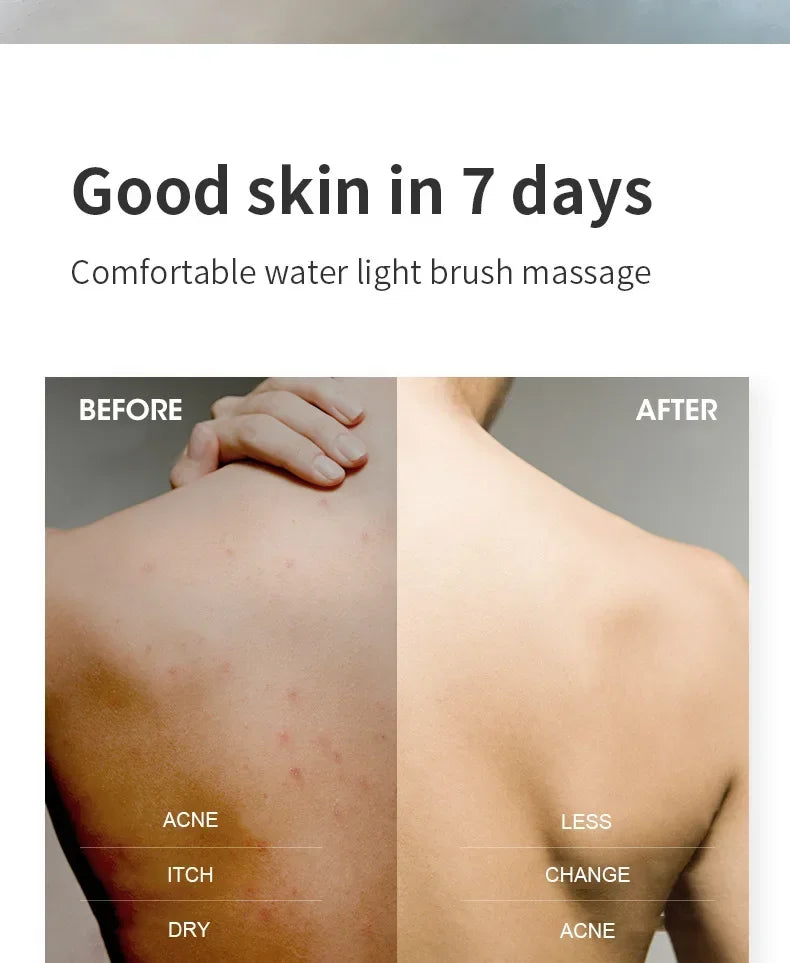
Experience smoother skin with the best shower body scrub and electric exfoliating brush — see it in action .
Benefits of Exfoliating Skin (Backed by Experts)
When performed correctly, exfoliation can improve the look and feel of your skin while supporting a healthier skincare routine.
- Smoother texture: Removes dead skin buildup that can make skin feel rough.
- Brighter appearance: Helps reveal fresher-looking skin underneath dull surface cells.
- Better product absorption: Allows moisturizers and serums to spread more evenly.
- Reduced clogged pores: Helps remove buildup that may contribute to congestion.
- Improved skin renewal: Supports the natural process of shedding old skin cells.
The key to achieving these benefits is consistency without over-exfoliating. Too much exfoliation can weaken the skin barrier and cause sensitivity.
How to Choose the Right Exfoliation Method for Your Skin Type
For Oily & Acne-Prone Skin
Oily skin often benefits from ingredients that help remove excess oil and clear pore buildup. BHAs such as salicylic acid can penetrate into pores, making them a popular choice for acne-prone skin.
Avoid aggressive scrubbing because harsh friction may increase irritation and redness.
For Dry & Dehydrated Skin
Dry skin usually needs gentle exfoliation combined with hydration. Mild AHAs such as lactic acid or enzyme exfoliants can help remove flaky buildup without excessive stripping.
Limit exfoliation frequency and always follow with a nourishing moisturizer.
For Sensitive Skin
Sensitive skin requires a slower approach. Choose gentle enzyme exfoliants or low-strength chemical exfoliants and avoid rough physical scrubs.
Always patch test new products before adding them to your routine.
For Combination Skin
Combination skin may need different approaches for different areas. A gentle chemical exfoliant can help oily zones, while softer physical exfoliation may work better on rough body areas.
For Mature Skin
Mature skin often benefits from gentle exfoliation that improves the appearance of uneven texture and dullness. Avoid aggressive scrubbing and prioritize barrier-supporting ingredients.
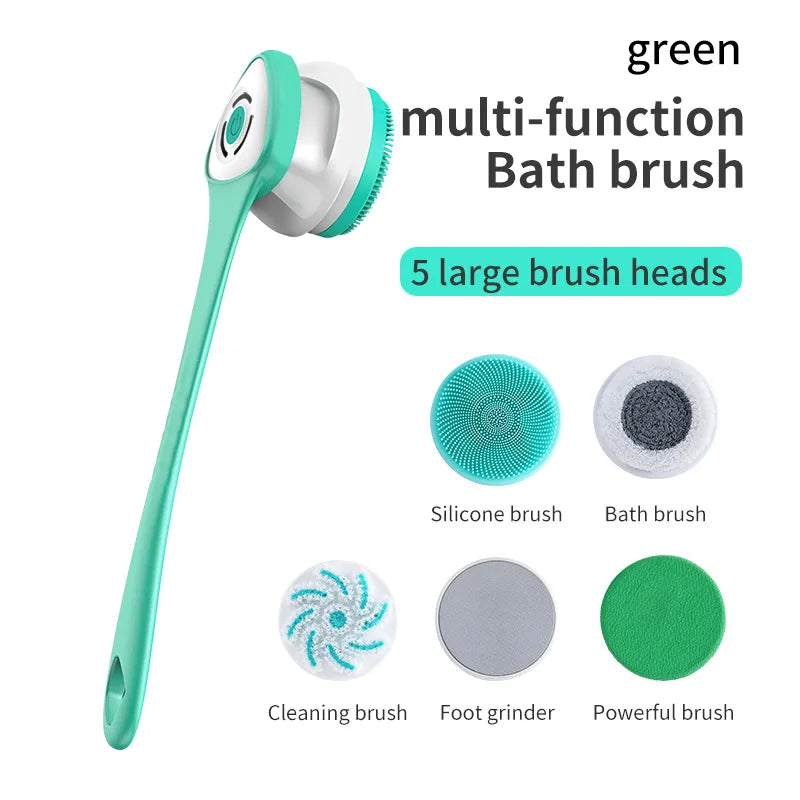
✨ Combine your best exfoliating body brush with a nourishing scrub for instant smoothness — try it today .
Best At Home Exfoliation Methods (Physical vs Chemical vs DIY)
Physical Exfoliation Techniques
Physical exfoliation is one of the most accessible at home exfoliation methods. It uses controlled friction to remove surface buildup.
- Fine-particle face scrubs
- Exfoliating gloves for body care
- Dry brushing before showering
- Electric exfoliating tools such as the KentDO Electric Shower Brush
Chemical Exfoliation at Home (AHAs, BHAs, PHAs, Enzymes)
- AHAs: Help improve surface texture and dullness.
- BHAs: Help target pore buildup and excess oil.
- PHAs: Offer gentler exfoliation for sensitive skin.
- Enzymes: Provide mild exfoliation using fruit-derived enzymes.
Natural & DIY Exfoliation Methods
Some people use natural exfoliation techniques at home. Gentle options may include oatmeal-based masks or carefully formulated natural scrubs.
When to Avoid DIY Scrubs
Not every DIY exfoliation method is suitable for skin. Avoid rough particles, excessive scrubbing, or ingredients that create micro-irritation. If your skin is sensitive, acne-prone, or already irritated, professionally formulated exfoliants are usually easier to control.
How to Prepare Your Skin Before Exfoliating
- Cleanse first: Remove makeup, sunscreen, and surface impurities before exfoliating.
- Patch test: Test new exfoliating products before applying them regularly.
- Check your skin barrier: Avoid exfoliating if your skin is peeling, burning, or irritated.
- Gather products: Prepare moisturizer and sunscreen before starting your exfoliation routine at home.
Step-by-Step Exfoliation Routine at Home (Face & Body)
How to Exfoliate Face at Home
- Cleanse your face with a gentle cleanser.
- Apply a suitable exfoliant based on your skin type.
- If using a physical exfoliant, massage gently for 30–60 seconds.
- Rinse with lukewarm water if required.
- Apply moisturizer to support hydration.
- Use sunscreen the following morning.
How to Exfoliate Body at Home
- Start with a warm shower to soften the skin.
- Apply body scrub or use an exfoliating tool.
- Focus on rough areas such as elbows, knees, and heels.
- Use an exfoliating tool like the KentDO Electric Shower Brush for even results.
- Rinse thoroughly.
- Apply body lotion or oil after drying.
Key Differences Between Face and Body Exfoliation
Facial skin is thinner and usually requires gentler products, while body skin can often tolerate stronger physical exfoliation. Avoid using harsh body scrubs on delicate facial areas.
How Often Should You Exfoliate at Home?
The ideal frequency depends on your skin type, exfoliation method, and product strength.
Recommended Frequency by Skin Type
- Oily skin: 2–3 times per week
- Dry skin: 1–2 times per week
- Sensitive skin: About once per week
- Body exfoliation: Around 2–3 times per week depending on skin tolerance
Reduce frequency if you notice redness, dryness, stinging, or increased sensitivity. Seasonal changes may also affect your routine, especially during colder or drier months.
Safe Exfoliation Tips at Home (Avoid Over-Exfoliation)
- Do not combine multiple strong exfoliating products in one routine.
- Avoid exfoliating irritated, damaged, or sunburned skin.
- Always moisturize after exfoliation.
- Use sunscreen daily to protect newly exposed skin.
- Introduce new exfoliants gradually.
Signs Your Skin Barrier Needs a Break
- Persistent redness
- Burning or stinging sensations
- Unexpected dryness or peeling
- Increased sensitivity to normal skincare products
Common Exfoliation Mistakes to Avoid
- Exfoliating too frequently
- Using harsh scrubs on facial skin
- Applying too much pressure with physical tools
- Skipping moisturizer after exfoliation
- Mixing incompatible active ingredients
Troubleshooting Redness, Dryness, and Breakouts
If irritation appears, stop exfoliating temporarily and focus on gentle cleansing, hydration, and barrier-supporting skincare. Restart slowly once your skin feels comfortable again.
What to Do After Exfoliating (Moisturizing & SPF)
Post-exfoliation care is an important part of a safe exfoliation routine at home . Your skin may temporarily become more sensitive, so hydration and protection are essential.
Best Ingredients for Skin Barrier Recovery
- Ceramides to support the skin barrier
- Aloe vera for soothing hydration
- Hyaluronic acid for moisture support
- Gentle moisturizers without harsh fragrances
Apply broad-spectrum SPF during the day to help protect your skin from environmental stress.
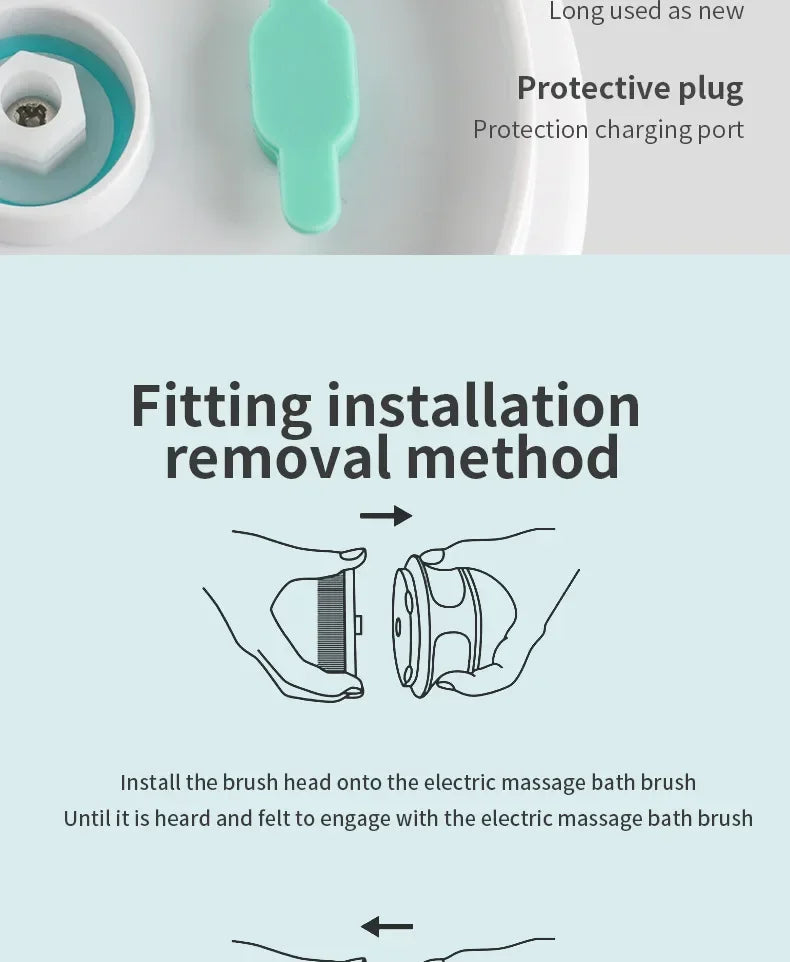
Transform your skincare with the best exfoliating body brush — Get yours now — limited stock!
FAQs About Exfoliation at Home
How often should I exfoliate my body?
Most people benefit from body exfoliation 2–3 times per week, but frequency should be adjusted based on skin sensitivity.
Can exfoliation help with ingrown hairs?
Yes. Gentle exfoliation can help remove dead skin buildup that traps hairs and contributes to ingrown hairs.
What's the best time to exfoliate?
Many people prefer evening exfoliation because skin can recover overnight.
Can I exfoliate sensitive skin?
Yes, but choose gentle exfoliants, patch test first, and avoid frequent exfoliation.
Do I need to exfoliate year-round?
You can exfoliate year-round, but adjust frequency based on climate, dryness, and your skin condition.
Is DIY exfoliation safe?
DIY exfoliation can be safe when gentle ingredients are used correctly, but avoid harsh particles and aggressive scrubbing.
Can you exfoliate at home every day?
Daily exfoliation is usually unnecessary and may damage the skin barrier. Most people benefit from a few times per week depending on their skin type.
Should you exfoliate before or after shaving?
Gentle exfoliation before shaving may help remove surface buildup, but avoid aggressive exfoliation immediately after shaving.
What ingredients are best for beginners?
Beginners often prefer mild ingredients such as lactic acid, PHAs, or gentle enzyme exfoliants.
Can you use AHAs and retinol on the same day?
Using both together may increase irritation for some people. Many beginners prefer alternating these active ingredients.
How do you know if you're over-exfoliating?
Redness, peeling, burning, tightness, and increased sensitivity are common signs that you should reduce exfoliation frequency.
Is chemical exfoliation better than physical exfoliation?
Neither method is universally better. The best option depends on your skin type, goals, and tolerance.













