

The best body exfoliator for KP helps smooth rough, bumpy skin by removing excess keratin, improving skin texture, and enhancing the absorption of moisturizers. Whether you choose dermatologist-recommended chemical exfoliants or gentle exfoliating tools, a consistent routine delivers the greatest benefits of daily exfoliation while minimizing irritation and supporting healthier-looking skin.
Best Body Exfoliant for KP Bumps: 7 Dermatologist-Approved Solutions That Actually Work
Struggling with rough, stubborn bumps that never seem to disappear? Keratosis pilaris (KP) affects millions of people and is one of the most common causes of bumpy skin on the arms, thighs, buttocks, and sometimes the cheeks. While KP can't be permanently cured, the right keratosis pilaris exfoliator can dramatically improve skin texture by reducing keratin buildup and keeping follicles clear. This evidence-based guide explains how dermatologist-recommended exfoliants work, compares the best options available in 2026, and helps you choose the best body exfoliator for KP based on your skin type.
What Is Keratosis Pilaris (KP) and Why Exfoliation Works
Keratosis pilaris develops when excess keratin—a protective skin protein—accumulates around hair follicles instead of shedding normally. The buildup creates tiny plugs that feel like sandpaper and produce the characteristic rough bumps seen with KP.
Unlike acne, KP isn't caused by bacteria or excess oil production, so acne treatments alone rarely help. Instead, successful treatment focuses on gradually removing dead skin cells, softening hardened keratin, and maintaining the skin barrier.
A quality exfoliant for keratosis pilaris helps by:
- Dissolving or loosening excess keratin blocking hair follicles
- Removing accumulated dead skin cells without excessive friction
- Improving overall skin texture and softness over time
- Increasing the effectiveness of moisturizers and barrier-repair creams
- Reducing the appearance and rough feel of persistent bumps
Dermatologists generally recommend chemical exfoliants containing lactic acid, glycolic acid, salicylic acid, or urea as first-line options because they provide controlled exfoliation with less irritation than aggressive scrubbing.
It's also important to set realistic expectations. KP is considered a chronic skin condition, meaning regular maintenance is usually necessary even after your skin becomes smoother. Consistency matters much more than using stronger products.
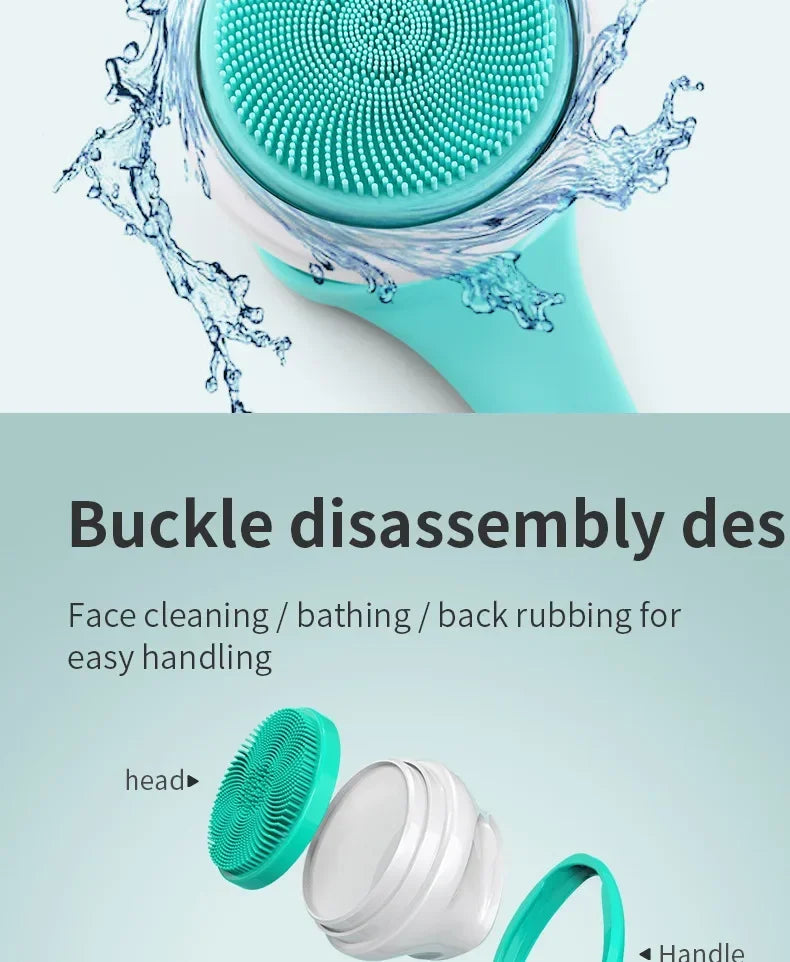
See it in action: smooth rough patches with our top-rated body exfoliator for KP
Ready to smooth your KP bumps? Get your KentDO Electric Shower Brush now — limited stock!
Quick Comparison: Best Body Exfoliants for KP at a Glance
| Type | Key Ingredient | Best For | Texture | Fragrance | Value |
|---|---|---|---|---|---|
| Chemical lotion | Lactic acid | Dry, sensitive skin | Cream | Usually fragrance-free | Excellent daily option |
| Body wash | Salicylic acid | Oily or stubborn KP | Gel | Varies | Easy shower routine |
| Urea cream | 10–20% urea | Very rough patches | Rich cream | Usually fragrance-free | Highly effective |
| Physical tool | Soft exfoliating bristles | Maintenance routine | Device | N/A | Reusable |
| Natural scrub | Sugar + oils | Occasional polishing | Scrub | Often scented | Use sparingly |
Best Body Exfoliant for KP Bumps (2026 Top Picks)
The best body exfoliant for KP bumps depends on your skin type, sensitivity, and the severity of your keratosis pilaris. Rather than relying on one universal solution, dermatologists recommend matching the active ingredients to your skin's needs.
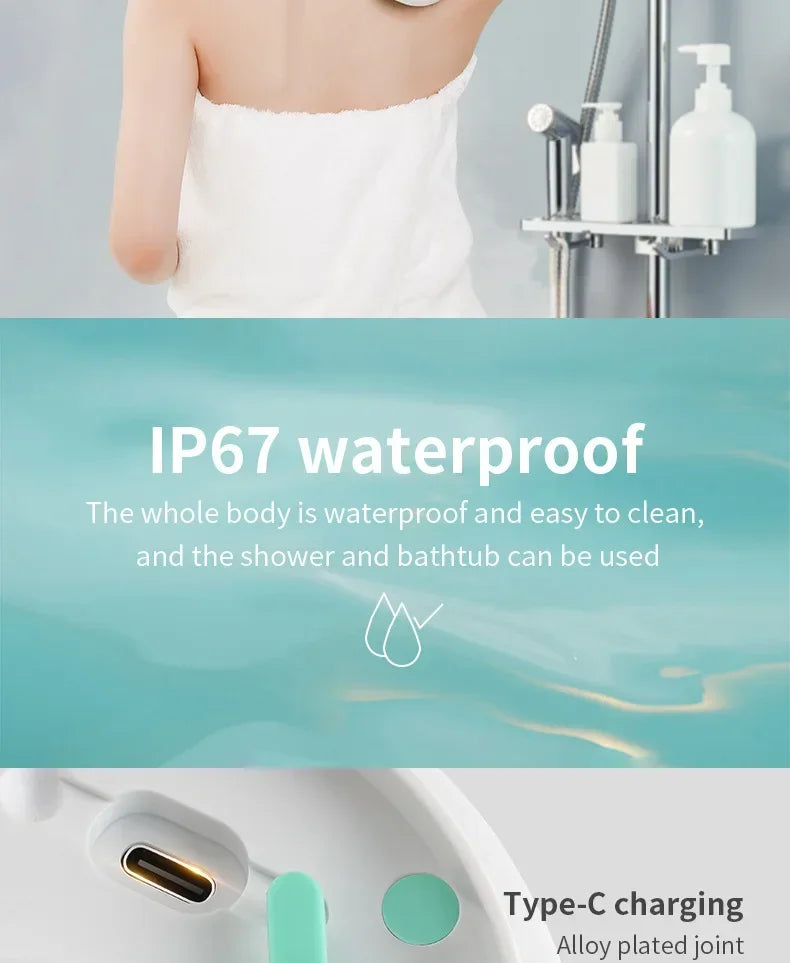
Discover your ideal exfoliator: gentle creams to powerful shower scrubs for KP
Best Overall Chemical Exfoliator for KP
Lotions containing lactic acid or glycolic acid remain the dermatologist favorite because they gently loosen dead skin while improving hydration. They are excellent long-term choices for most people with mild to moderate KP.
Pros:
Gentle, effective, improves skin texture.
Cons:
May cause temporary tingling when first introduced.
Best for:
Most skin types seeking gradual improvement.
Best Salicylic Acid Body Wash for KP
Salicylic acid penetrates inside hair follicles where keratin plugs develop. It's especially useful for thicker, rougher bumps and oily skin.
Pros:
Deep pore exfoliation, easy shower routine.
Cons:
Can be drying without moisturizer.
Best for:
Stubborn KP and combination skin.
Best Lactic Acid Lotion for KP
Lactic acid combines exfoliation with hydration, making it one of the best options for dry, rough skin that becomes irritated easily.
Pros:
Hydrating, gentle, suitable for regular use.
Cons:
May require several weeks for noticeable improvement.
Best for:
Dry and sensitive skin.
Best Urea Treatment for Rough KP
Urea at concentrations of 10% to 20% softens hardened keratin while attracting moisture into the skin. It's particularly effective on elbows, thighs, and persistent rough patches.
Pros:
Excellent softening ability, barrier friendly.
Cons:
Richer texture may feel heavy.
Best for:
Thick, rough, chronic KP.
Best Physical Exfoliator for KP
Tools like the KentDO Electric Shower Brush provide controlled physical exfoliation that helps remove loose surface buildup without the harsh friction associated with coarse scrubs. Dermatologists generally recommend pairing physical exfoliation with moisturizing rather than relying on it alone.
Best Natural Scrub for Sensitive Skin
Sugar-based scrubs blended with nourishing oils offer mild polishing and may improve skin softness when used occasionally. They should not replace proven chemical exfoliants but can complement a balanced routine.
Best Combo Exfoliator for Stubborn KP
For persistent KP, combining chemical exfoliation several times per week with gentle physical exfoliation once or twice weekly often delivers the fastest improvement. Avoid combining multiple strong acids on the same day to reduce irritation.
How to Choose the Best Exfoliator for Keratosis Pilaris
By Skin Type
- Sensitive skin: Choose lactic acid, PHAs, or low-strength urea.
- Dry skin: Prioritize moisturizing formulas containing urea or lactic acid.
- Oily skin: Salicylic acid body washes help clear follicles effectively.
- Very stubborn KP: Consider combining chemical exfoliation with gentle physical exfoliation.
By Active Ingredient
- Lactic acid balances exfoliation with hydration.
- Glycolic acid provides stronger surface exfoliation.
- Salicylic acid penetrates inside clogged follicles.
- Urea softens thick keratin while supporting moisture retention.
By Body Area
- Upper arms usually respond well to lactic acid lotions.
- Thighs often benefit from salicylic acid or urea creams.
- Buttocks may require stronger follicle-targeting ingredients.
- Sensitive areas should receive gentler formulations without heavy fragrance.
Ingredient Breakdown: AHA vs BHA vs Urea for KP
Lactic Acid
Typically used between 5% and 12%, lactic acid gently removes dead skin while increasing hydration. It offers one of the best balances between effectiveness and tolerability.
Glycolic Acid
Glycolic acid penetrates efficiently because of its smaller molecular size. It often works faster but may irritate sensitive skin if introduced too aggressively.
Salicylic Acid
Usually formulated at 2% in over-the-counter products, salicylic acid dissolves buildup inside follicles and works well for persistent bumps.
Urea
Urea concentrations between 10% and 20% soften thick keratin while improving moisture retention, making it ideal for rough, dry skin.
PHAs
Polyhydroxy acids provide very gentle exfoliation with minimal irritation and are often suitable for people with sensitive skin or a compromised skin barrier.
Chemical exfoliation is generally considered the first-choice treatment because it loosens keratin without excessive friction. Ingredients like lactic acid, glycolic acid, salicylic acid, and urea gradually improve skin texture while preserving the skin barrier.
Physical exfoliation can still play a helpful role when performed gently. Soft brushes and gentle exfoliating tools remove loose surface cells without the harsh abrasion caused by coarse scrubs.
Many dermatologists recommend combining both approaches carefully: use chemical exfoliants regularly and reserve physical exfoliation for occasional maintenance. Avoid aggressive scrubs if your skin is inflamed, cracked, or irritated.
How to Use a KP Exfoliator (Dermatologist-Recommended Routine)
Morning Routine
- Cleanse with a gentle body wash.
- Apply your chosen KP exfoliator if appropriate.
- Follow immediately with a moisturizer.
- Use sunscreen on exposed skin when using exfoliating acids.
Evening Routine
- Apply exfoliating lotion or cream on damp skin.
- Avoid layering multiple strong acids.
- Seal with a fragrance-free moisturizer.
Routine Pairing
Start with exfoliation two to three times weekly before increasing frequency if your skin tolerates it. Patch test new products, especially stronger acids, and discontinue use if significant irritation develops.
Tools like the KentDO Electric Shower Brush can help provide gentle, consistent exfoliation as part of a balanced routine.
Mistakes That Make KP Worse (And How to Avoid Them)
- Over-exfoliating: Excessive exfoliation weakens the skin barrier and increases redness.
- Using harsh scrubs: Rough particles can worsen inflammation without removing keratin effectively.
- Skipping moisturizer: Hydration is essential after exfoliation.
- Ignoring irritation: Persistent burning or peeling means your routine may be too aggressive.
- Combining too many active ingredients: Simplicity often delivers better long-term results.
How Long Does It Take to See Results?
Most people begin noticing smoother skin within two to four weeks, while more significant improvement often appears after six to eight weeks of consistent treatment.
Progress depends on the severity of your KP, the active ingredients used, and how consistently you moisturize. If you experience little improvement after two to three months despite following a routine, it may be worth switching products or consulting a dermatologist for stronger prescription options.
Take control of KP today — Get yours now and see visible bumps reduction!
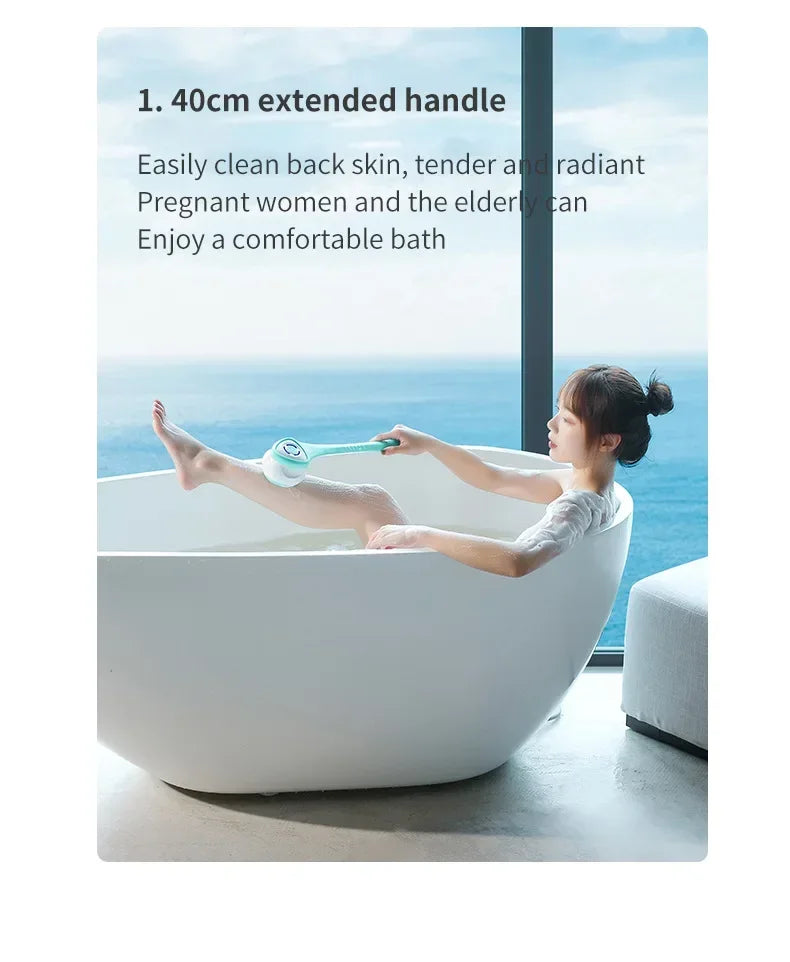
Transform your routine with the KentDO Electric Shower Brush — smooth skin made simple
Who Should Avoid Certain KP Exfoliators?
Although most KP treatments are safe when used correctly, some people should introduce exfoliants more cautiously.
- People with eczema or a compromised skin barrier should prioritize gentle, fragrance-free formulations.
- Individuals with active skin infections or open wounds should postpone exfoliation until healing occurs.
- Pregnant individuals should discuss stronger exfoliating ingredients with their healthcare provider before use.
- If severe redness, swelling, or persistent irritation develops, discontinue the product and seek medical advice.
Mini FAQ on KP Exfoliation
- What is the best body exfoliant for KP bumps?
- Most dermatologists recommend chemical exfoliants containing lactic acid, salicylic acid, glycolic acid, or urea because they address the keratin buildup responsible for KP.
- Is salicylic acid or lactic acid better for keratosis pilaris?
- Salicylic acid works well for stubborn clogged follicles, while lactic acid is often preferred for dry or sensitive skin because it exfoliates while hydrating.
- Can you use a physical scrub on KP every day?
- Daily scrubbing is generally not recommended. Gentle tools may be used more frequently, but aggressive scrubs can worsen irritation.
- What strength of urea works best for KP?
- Products containing 10% to 20% urea typically provide the best balance of softening and moisturizing for rough KP.
- How long does a KP exfoliator take to work?
- Most users notice smoother skin within two to six weeks, with continued improvement over several months of consistent care.
- What is the best natural body scrub for sensitive skin with keratosis pilaris?
- Fine sugar scrubs blended with moisturizing oils are generally gentler than coarse salt scrubs and should only be used occasionally.
- Can exfoliating make keratosis pilaris worse?
- Yes. Over-exfoliation or harsh scrubbing can damage the skin barrier and temporarily worsen redness and irritation.
- Should you moisturize after using a KP exfoliator?
- Absolutely. Moisturizing immediately after exfoliation helps repair the skin barrier and enhances long-term results.
Related Articles:
- Best Body Scrubs for Keratosis Pilaris That Smooth Bumpy Skin Fast
- Benefits of Exfoliating Body Wash: What Makes It Different from Regular Soap?
Pillar Articles:













