

Featured Snippet
Q: Is a vibrating massage ball roller better than a foam roller for muscle recovery?
A vibrating massage ball roller delivers targeted vibration therapy to tight muscles and trigger points, making it especially effective for relieving stubborn knots and post-workout soreness. Foam rollers, on the other hand, are better suited for treating larger muscle groups, improving mobility, and increasing circulation across broader areas. The better choice depends on whether you need precise deep-tissue relief or full-body muscle maintenance.
Vibrating Massage Ball Roller vs Foam Roller: Which Wins?
Muscle soreness is a normal part of training, but the right recovery tool can make a noticeable difference in how quickly you feel ready for your next workout. Whether you're an athlete, weekend runner, office worker, or someone dealing with everyday muscle tightness, choosing between a vibrating massage ball roller and a foam roller can be challenging.
Both tools are designed to support muscle recovery, reduce stiffness, and improve mobility, but they work differently. A vibrating massage ball focuses on precise trigger-point treatment with vibration therapy, while a foam roller uses body weight to provide broad myofascial release across larger muscle groups. Understanding these differences helps you select the recovery tool that best matches your needs.
Modern muscle recovery tools have evolved far beyond stretching alone. From vibration therapy to self-myofascial release, today's recovery devices help reduce delayed onset muscle soreness (DOMS), improve circulation, and restore flexibility more efficiently. In this guide, we'll compare two of the most popular post-workout recovery tools to help you determine which one offers the best value for your recovery routine.
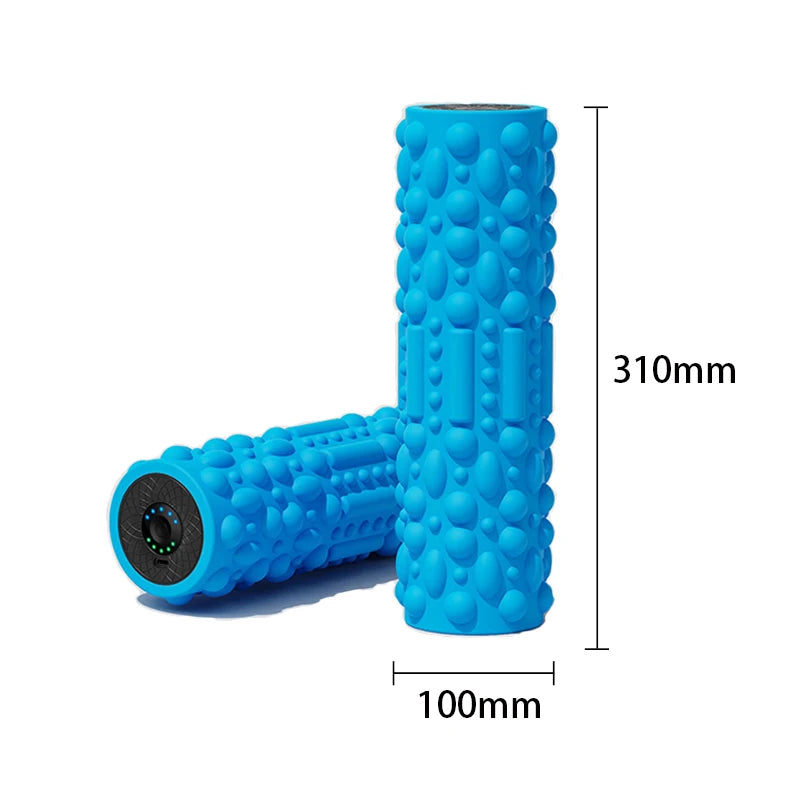
vibrating massage ball roller vs foam roller benefits — discover recovery ease See it in action
Vibrating Massage Ball Roller
A vibrating massage ball roller is a compact muscle recovery device that combines targeted pressure with adjustable vibration therapy. Unlike traditional massage balls that rely only on body weight, this tool delivers rhythmic vibration deep into muscle tissue to help relax tight muscles, reduce soreness, and improve blood circulation.
Because of its small size and precision, it works especially well on difficult-to-reach areas such as the shoulders, glutes, calves, hips, feet, and upper back. Many people use it after workouts, during recovery days, or after long hours of sitting to relieve localized muscle tension.
Key Benefits
- Deep trigger point relief: Targets muscle knots with concentrated pressure and vibration.
- Enhanced muscle recovery: Supports circulation that helps deliver oxygen and nutrients to recovering muscles.
- Portable design: Small enough to carry to the gym, office, or while traveling.
- Easy to control: Requires less body positioning than larger recovery tools.
- Suitable for multiple body areas: Effective for the feet, calves, hamstrings, glutes, shoulders, and upper back.
Best Use Cases
- Releasing stubborn trigger points after strength training.
- Reducing soreness following running, cycling, or high-intensity workouts.
- Targeting smaller muscles that foam rollers often miss.
- Travel-friendly recovery when carrying larger equipment isn't practical.
Limitations
- Covers a smaller treatment area than a foam roller.
- Less efficient for rolling entire muscle groups in one movement.
- Requires charging if using a rechargeable vibration model.
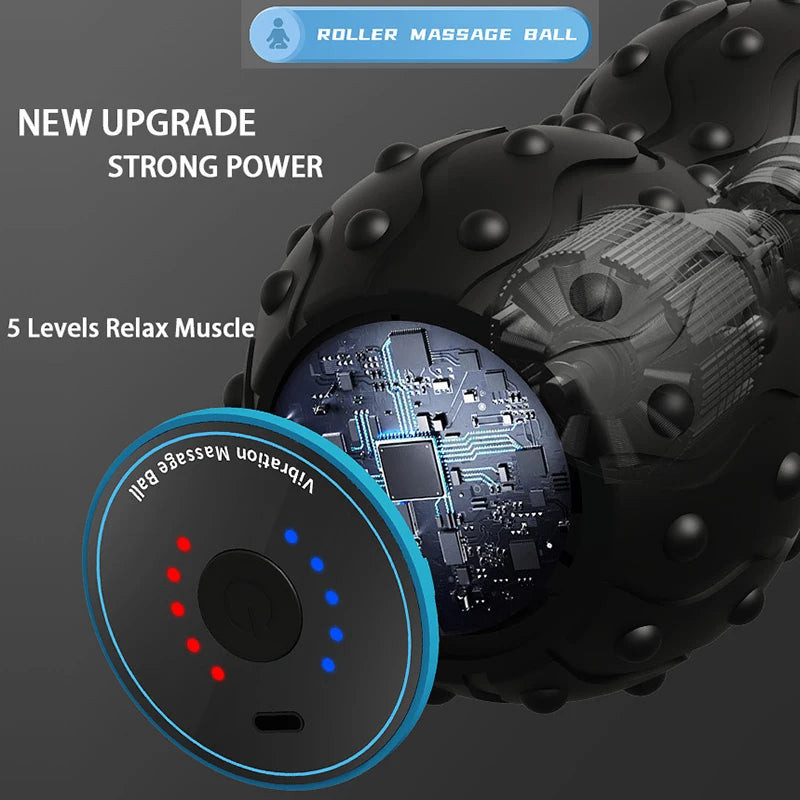
portable vibrating massage ball for muscle recovery — deep relief anywhere See it in action
Benefits of Vibrating Massage Ball Roller for Faster Recovery
Vibration therapy has become increasingly popular among athletes, physical therapists, and fitness enthusiasts because it combines mechanical stimulation with targeted pressure. Together, these effects can temporarily reduce muscle tightness, increase local circulation, and make muscles feel more relaxed after intense activity.
Key Benefits
- Supports faster post-workout recovery by helping relieve muscle stiffness.
- Targets deep muscle knots more precisely than broad recovery tools.
- Improves circulation to working muscles during recovery sessions.
- Reduces muscle tension after exercise or prolonged sitting.
- Portable muscle recovery device suitable for home, gym, office, or travel.
While individual results vary, consistent use alongside hydration, proper nutrition, stretching, and adequate sleep can make vibrating massage balls a valuable addition to a complete post-workout recovery routine.
Foam Roller
Foam rollers remain one of the most widely used muscle recovery equipment options because they are affordable, durable, and effective for treating large muscle groups. By using your own body weight, a foam roller applies broad pressure that helps improve flexibility, temporarily reduce muscle tightness, and prepare muscles before or after exercise.
Key Benefits
- Excellent for quads, hamstrings, calves, glutes, and the upper back.
- Supports mobility and flexibility training.
- Requires no batteries, charging, or maintenance.
- Cost-effective for full-body recovery sessions.
- Suitable for both warm-up and cool-down routines.
Best Use Cases
- Rolling large muscle groups after workouts.
- Improving range of motion before strength or endurance training.
- General muscle maintenance several times each week.
- Budget-friendly recovery for beginners.
Limitations
- Less precise when treating small trigger points.
- Can require significant body positioning and upper-body strength.
- Bulkier and less portable than compact recovery devices.
- May not provide enough focused pressure for deeply embedded muscle knots.
For many people, foam rollers and vibrating massage balls complement rather than replace one another. Foam rollers excel at broad muscle recovery, while vibrating massage balls provide focused treatment where deeper, more targeted relief is needed.
Vibrating Massage Ball vs Foam Roller Benefits Comparison
Both tools can improve muscle recovery, but each serves a different purpose. A vibrating massage ball roller excels at localized treatment and trigger point release, while a foam roller is designed to address larger muscle groups and improve overall mobility. Comparing their features side by side makes it easier to choose the right recovery equipment for your training style.
| Feature | Vibrating Massage Ball Roller | Foam Roller |
|---|---|---|
| Primary purpose | Targeted trigger point therapy | Full-body myofascial release |
| Target precision | Excellent for small, tight muscles | Best for broad muscle groups |
| Portability | Very high | Low to moderate |
| Recovery speed | Fast localized relief | Gradual whole-muscle recovery |
| Ease of use | Minimal body positioning required | Requires body weight and positioning |
| Deep tissue relief | Excellent | Good |
| Warm-up suitability | Good | Excellent |
| Best for travel | Excellent | Limited |
| Typical user | Athletes, office workers, frequent travelers, strength trainers | General fitness enthusiasts, beginners, mobility training |
If your priority is relieving stubborn knots, recovering after intense workouts, or carrying a compact muscle recovery device wherever you go, a vibrating massage ball roller is the stronger option. If your focus is improving flexibility, warming up before exercise, or maintaining large muscle groups, a foam roller remains an excellent addition to your recovery routine.
How to Use Vibrating Massage Ball Roller and Foam Roller Effectively
Using muscle recovery tools with proper technique helps maximize their benefits while reducing unnecessary discomfort. Start gently, focus on controlled movements, and avoid applying excessive pressure directly over joints or bones.
Vibrating Massage Ball Roller Usage Tips
- Turn on the lowest vibration setting before beginning.
- Place the ball against the tight or sore muscle.
- Apply light to moderate pressure without forcing the movement.
- Hold on each trigger point for 30–60 seconds or slowly move across the muscle.
- Increase vibration intensity only if it remains comfortable.
- Repeat on surrounding muscles as needed.
Foam Roller Usage Tips
- Support your body weight comfortably over the roller.
- Roll slowly across large muscle groups such as the calves, hamstrings, quads, glutes, and upper back.
- Pause briefly over tender areas for 20–30 seconds.
- Maintain slow, controlled breathing throughout each movement.
- Avoid rolling directly over joints or the lower back.
For most active individuals, 5 to 10 minutes of recovery work after exercise or on rest days is sufficient. Consistency generally produces better long-term results than infrequent, high-intensity sessions.
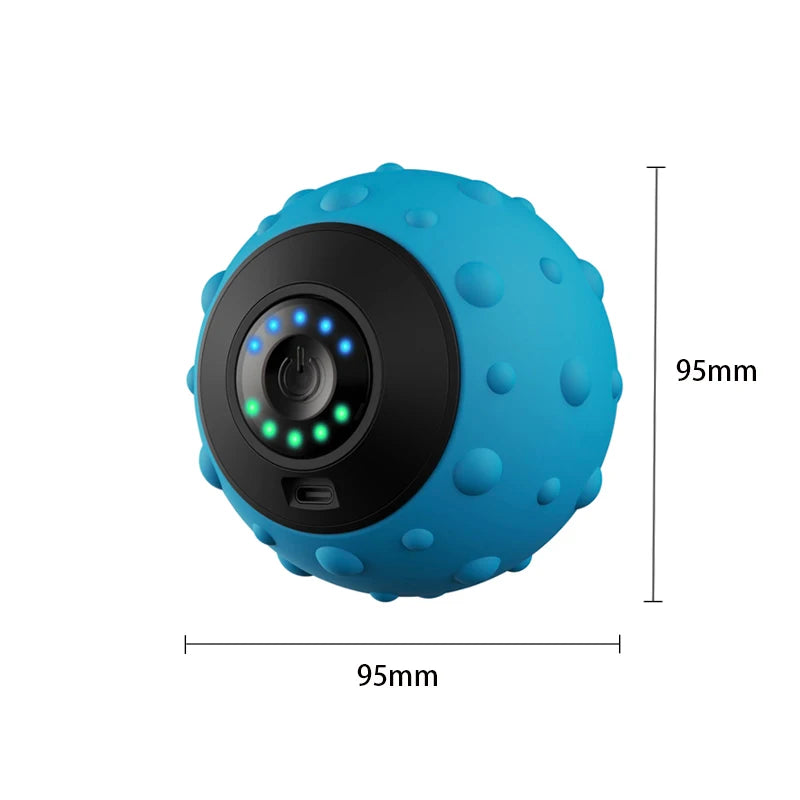
vibrating massage ball roller vs foam roller — choosing the right recovery tool for your routine See it in action
FAQ: Muscle Recovery Tools
What are the best muscle recovery tools?
The best muscle recovery tools depend on your goals. Vibrating massage balls are excellent for targeted trigger point therapy and relieving stubborn muscle knots. Foam rollers work well for full-body myofascial release and improving mobility. Other popular recovery devices include massage guns, compression boots, and recovery sticks, each serving different recovery needs.
How do muscle recovery devices help reduce soreness?
Muscle recovery devices help by increasing blood circulation, reducing muscle tension, improving range of motion, and promoting relaxation after exercise. While they cannot eliminate soreness entirely, consistent use alongside proper hydration, nutrition, sleep, and active recovery may help muscles feel less stiff and recover more comfortably.
Which muscle recovery tool is best for beginners?
Foam rollers are often recommended for beginners because they are affordable, easy to learn, and suitable for treating large muscle groups. However, a vibrating massage ball is also beginner-friendly when used at a low vibration setting, especially for people who experience localized muscle tightness.
Can I use a massage gun and foam roller together?
Yes. Many athletes combine multiple muscle recovery methods throughout the week. A foam roller can be used before or after workouts to improve mobility, while a massage gun or vibrating massage ball can provide more focused treatment for tight muscles and trigger points.
How often should I use muscle recovery equipment?
Most active individuals can safely use muscle recovery equipment several times per week. Foam rollers are commonly used three to five times weekly, while vibrating massage balls may be used daily for short sessions on sore muscles if they remain comfortable. If pain increases or persists, reduce intensity and consult a qualified healthcare professional.
What is the fastest way to recover sore muscles after a workout?
The fastest recovery usually comes from combining several evidence-based strategies: light movement, adequate hydration, balanced nutrition with sufficient protein, quality sleep, stretching, and appropriate muscle recovery tools. No single device replaces a complete recovery routine, but targeted massage can help relieve muscle tightness more quickly.
Are vibrating massage balls better than foam rollers?
Neither tool is universally better. Vibrating massage balls provide greater precision for deep muscle knots and hard-to-reach areas, while foam rollers are more effective for treating larger muscle groups and improving overall mobility. Many people achieve the best results by using both as complementary recovery tools.
How do I build a complete muscle recovery routine?
An effective recovery routine typically includes a proper cool-down, light stretching, hydration, nutritious meals, adequate sleep, and regular use of muscle recovery tools that match your activity level. For example, you might use a foam roller after a full-body workout and follow with a vibrating massage ball to target persistent trigger points.
Related Articles:
- Trigger Point Handheld Massage Ball: Best vs Manual Balls
- Portable Muscle Massager Review: Best for Daily Recovery?
- Handheld Body Massager vs Massage Gun: Full Comparison
- Deep Tissue Massage Ball vs Trigger Point Tools Review
- Vibrating Massage Ball Roller vs Foam Roller: Which Wins?
Pillar Articles:













