

How to use massage ball for full body relief?
To use a massage ball effectively, place it between your body and a firm surface, apply gentle, controlled pressure to a tight muscle, and roll slowly for 30–60 seconds over each tender area. This self-myofascial release technique helps improve circulation, reduce muscle tension, ease soreness, and support faster recovery after daily activities, exercise, or long hours of sitting.
How to Use Massage Ball: Step-by-Step Full Body Relief Guide
Whether you're recovering from a workout, managing everyday muscle tension, or simply looking for an easy way to relax at home, learning how to use a massage ball can make a noticeable difference. With the right technique, a massage ball helps release trigger points, improve mobility, and reduce stiffness in areas such as the neck, shoulders, back, hips, calves, and feet. This guide walks you through safe, effective massage ball techniques so you can get the most from every session.
⏱ 7 min read
Try a simple solution designed for real-life routines: vibrating massage ball rechargeable 5 gear
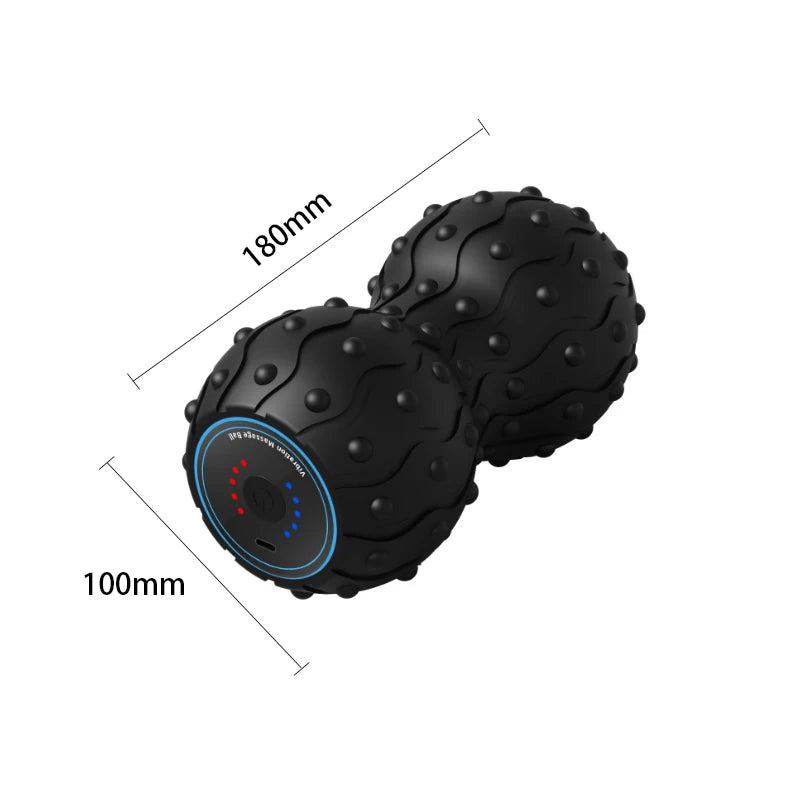
How to use a massage ball for soreness relief — see it in action
Start your recovery routine with this easy-to-use massage tool
How to Use Massage Ball Step-by-Step for Full Body Relief
Using a massage ball correctly is all about controlled pressure and slow, deliberate movement. Instead of rolling continuously over large areas, spend time on tight muscles and trigger points so the surrounding tissue has a chance to relax. Most people benefit from 30–60 seconds on each area, stopping immediately if they experience sharp or radiating pain.
- Find a firm surface – Use a wall for lighter pressure or the floor for a deeper massage.
- Position the ball – Place it directly under or against the tight muscle rather than on bones or joints.
- Apply pressure gradually – Lean your body weight onto the ball until you feel mild to moderate discomfort, never intense pain.
- Roll slowly – Move only 1–2 inches at a time to locate sensitive trigger points.
- Pause on tight spots – Hold gentle pressure for 20–30 seconds or until the muscle begins to relax.
- Breathe deeply – Slow, steady breathing encourages muscles to release and helps you avoid unnecessary tension.
Pro tip: Consistency produces better long-term results than using excessive pressure. Short sessions several times a week are often more effective than occasional, intense treatments.
Best Body Areas to Target for Quick Recovery
Neck & Shoulders: Release Built-Up Tension
Stand against a wall with the massage ball positioned between the wall and the muscles beside your upper spine or shoulder blade. Roll slowly in small circles or pause on tender spots for up to 30 seconds. Avoid placing pressure directly on the neck or spine.
Lower Back: Ease Everyday Tightness
Target the muscles on either side of the lower spine rather than the spine itself. Lie on the floor or use a wall for a gentler approach, moving slowly until you find areas of tightness.
Glutes & Hips: Improve Mobility
Sit on the floor with the ball under one glute. Cross the same-side ankle over the opposite knee to expose deeper hip muscles, then gently shift your weight to massage tight areas.
Feet: Relieve Tired Arches
While seated or standing with support, roll the ball from your heel to the ball of your foot. Slow, controlled passes can help reduce foot fatigue after long periods of standing or walking.
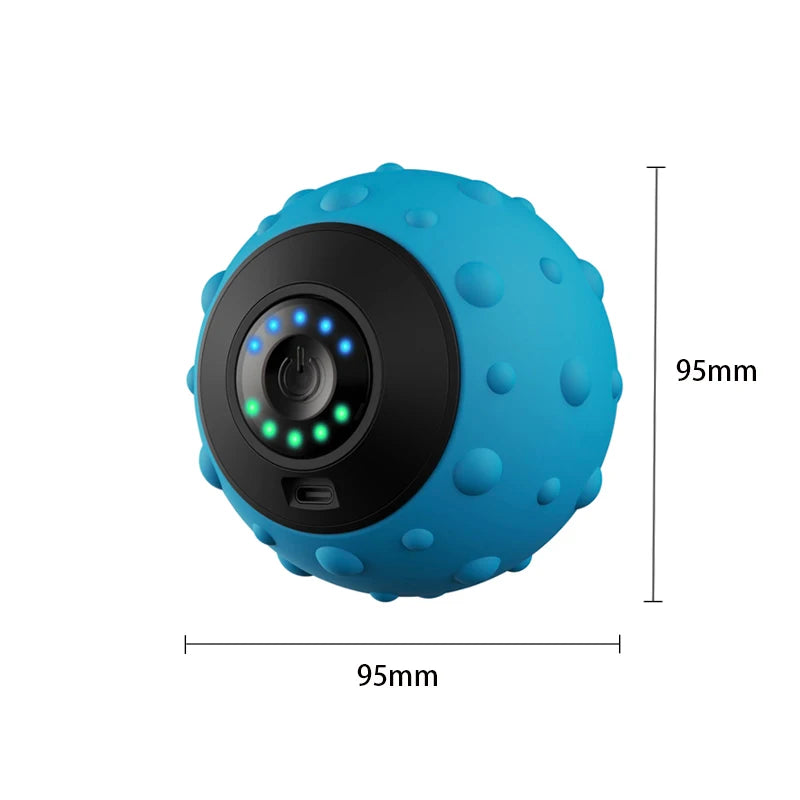
Massage ball techniques for relieving everyday muscle tension — see it in action
Massage Ball vs Other Recovery Methods
| Method | Best For | Advantages | Limitations |
|---|---|---|---|
| Massage Ball | Trigger points and small muscle groups | Portable, precise, affordable, reaches deep muscle knots | Requires proper technique and controlled pressure |
| Foam Roller | Large muscle groups such as quads and back | Excellent for broad muscle coverage | Less effective on specific trigger points |
| Massage Gun | Fast percussion therapy | Powerful and easy to use on larger muscles | More expensive, heavier, and requires charging |
| Stretching | Improving flexibility and mobility | Supports long-term joint health and movement | Does not directly release deep muscle knots |
Verdict: A massage ball offers one of the best combinations of precision, portability, and value. It complements stretching, foam rolling, and massage guns rather than replacing them, making it an excellent addition to a complete recovery routine.
Common Mistakes That Slow Your Recovery
- Pressing too hard too quickly: Excessive pressure can cause muscles to tighten instead of relax.
- Rolling too fast: Slow, controlled movements help trigger points release more effectively.
- Applying pressure to bones or joints: Focus on muscle tissue rather than the spine, knees, elbows, or other bony areas.
- Ignoring sharp or radiating pain: Mild discomfort is normal, but stop immediately if pain becomes sharp, numb, or tingling.
- Using inconsistent technique: Regular sessions deliver better results than occasional intensive treatments.
- ✅ Start with gentle pressure and increase gradually.
- ✅ Move slowly and pause over tight spots for 20–30 seconds.
- ✅ Allow muscles time to recover between longer sessions.
- ✅ Stay hydrated and combine self-massage with light stretching for optimal recovery.
Upgrade your recovery today with this powerful massage solution
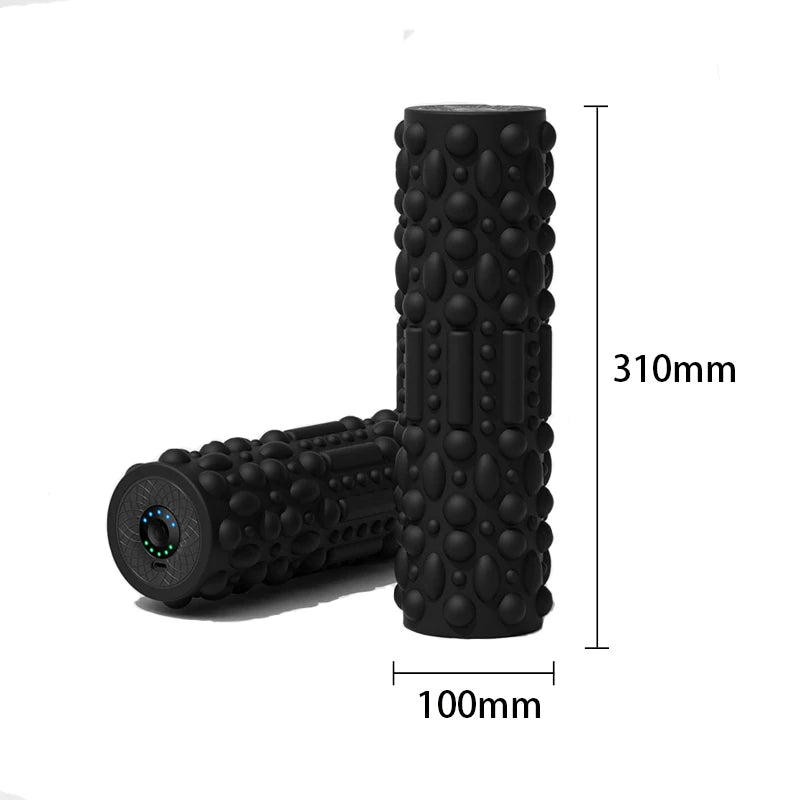
Targeted massage ball recovery for everyday muscle relief — see it in action
FAQ: How to Use Massage Ball
How often should I use a massage ball?
Most people can safely use a massage ball 3–7 days per week. For general recovery, spend 5–10 minutes on each muscle group and allow especially sore areas time to recover before repeating deep pressure.
How long should you stay on one trigger point?
Hold steady pressure on a trigger point for about 20–30 seconds, or until you feel the muscle begin to relax. Avoid remaining on one spot for more than a minute.
Should a massage ball hurt when you use it?
You may feel mild to moderate discomfort while releasing tight muscles, but the sensation should remain tolerable. Sharp, burning, or radiating pain is a sign to reduce pressure or stop.
Can a massage ball help chronic muscle knots?
Regular self-massage may help reduce chronic muscle tension and improve mobility over time. Persistent or severe pain should be evaluated by a qualified healthcare professional.
Is a massage ball or foam roller better?
Neither tool is universally better. Massage balls excel at treating small, specific trigger points, while foam rollers are better suited for larger muscle groups. Many people benefit from using both.
Can I use a massage ball before a workout?
Yes. A brief 30–60 second session on tight muscles before exercise can improve mobility and prepare the body for movement. Longer sessions are generally better reserved for recovery after activity.
Can massage balls help neck and back pain?
They can help relieve muscular tension in the neck, shoulders, upper back, and lower back when used correctly. Avoid applying direct pressure to the spine or painful joints.
Who should avoid using a massage ball?
People with recent fractures, open wounds, severe osteoporosis, blood clotting disorders, or acute injuries should consult a healthcare provider before using a massage ball. Avoid massaging swollen or inflamed areas unless advised by a medical professional.
Related Articles:
- Massage ball for muscle knots: How to Target Pain Fast
- Manual massage ball: How to Use It for Deep Relief
- Massage ball exercises: Easy Moves to Release Tight Muscles
- How to reduce post workout soreness: Easy Recovery Steps
Pillar Articles:













