

Do calf compression sleeves work?
Yes—do calf compression sleeves work? They can improve blood flow, reduce swelling, and ease muscle fatigue when worn correctly. By applying graduated pressure, they help circulation return to the heart, making them useful for tired legs, especially for people on their feet all day or managing calf soreness at home.
Do calf supports work? Science-backed guide to compression sleeves and effectiveness
If you're wondering how to loosen tight calves muscles after long, exhausting days, you're not alone. Calf discomfort from prolonged standing, exercise, or daily routines is common. This guide explains how compression sleeves work, when they are effective, and how to use them properly for better results—based on real physiology, not hype.
⏱ 5 min read
Explore practical solutions designed for real-life routines—no guesswork needed.
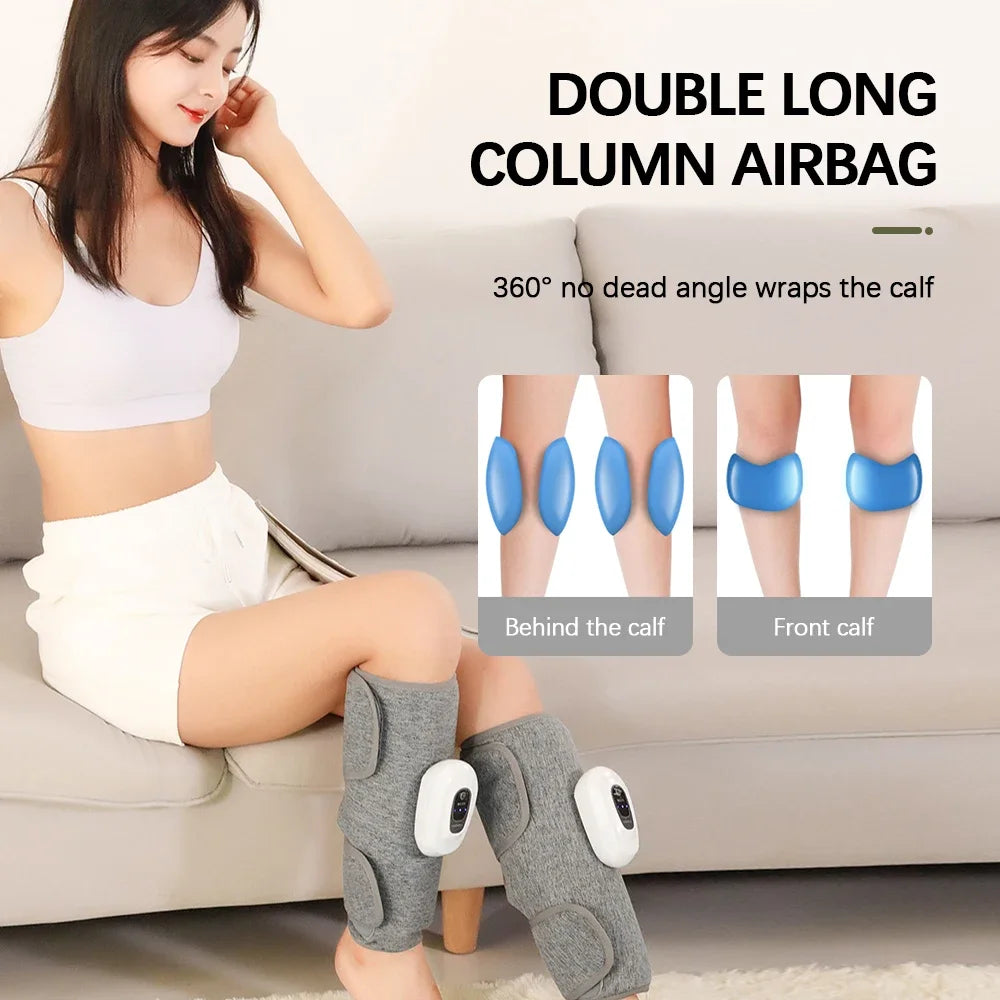
See it in action - do calf compression sleeves work / circulation support, muscle fatigue relief, recovery efficiency
How calf compression sleeves work (the science explained)
How compression improves venous return
Calf compression sleeves apply graduated pressure to the lower leg, which helps push blood back toward the heart. This process, known as venous return, reduces blood pooling in the calves and supports more efficient circulation—especially during prolonged sitting, standing, or exercise.
How it reduces muscle oscillation and fatigue
During movement, calf muscles naturally vibrate (oscillate), which can lead to micro-fatigue over time. Compression sleeves stabilize the muscle tissue, reducing unnecessary movement and conserving energy. This is particularly beneficial for runners and repetitive activities.
Effects on oxygen delivery and recovery
By improving circulation, compression may enhance oxygen delivery to working muscles and assist in the removal of metabolic waste like lactic acid. While performance gains are modest, many users experience faster perceived recovery and reduced soreness.
Proven calf compression sleeve benefits (when they actually help)
For athletes and runners
Compression sleeves can help reduce muscle fatigue and improve endurance perception during long runs or workouts. While they do not dramatically increase performance, they support consistency and recovery.
For injury recovery (shin splints, strains)
Calf supports are often used to manage conditions like shin splints or mild muscle strains. Compression helps limit swelling, provides gentle support, and may reduce discomfort during movement.
For circulation and long periods of standing
People who stand or sit for extended periods often use compression sleeves to reduce leg heaviness and swelling. Improved circulation can make legs feel more comfortable by the end of the day.
When calf supports do NOT work (and why)
Incorrect sizing and compression level
If sleeves are too loose, they provide little benefit. If too tight, they may restrict circulation. Proper fit and compression level (measured in mmHg) are essential.
Overuse without proper recovery
Compression sleeves are not a replacement for rest, stretching, or rehabilitation. Relying on them alone without addressing the root cause of pain limits their effectiveness.
Medical conditions requiring different treatment
Conditions like deep vein thrombosis or severe vascular issues require medical care. Compression may help in some cases but should only be used under professional guidance.
Calf compression sleeves vs braces vs compression devices
Sleeves vs braces (support vs compression)
Compression sleeves provide consistent pressure to improve circulation, while braces focus on structural support and joint stabilization. Sleeves are better for fatigue and recovery, while braces are used for injury support.
Sleeves vs pneumatic compression devices
Pneumatic devices use air pressure cycles to actively push blood through the legs. These are more intensive and often used for recovery sessions or therapy, whereas sleeves offer passive, all-day support.
When each option is most effective
- Compression sleeves: daily wear, exercise, mild fatigue
- Braces: injury stabilization
- Compression devices: recovery sessions or circulation therapy
| Feature | Compression Sleeves | Compression Devices |
|---|---|---|
| Circulation Support | Moderate | High (active stimulation) |
| Muscle Relaxation | Low | High |
| Ease of Use | Wear anytime | Use during rest |
| Speed of Relief | Gradual | Fast |
Devices like a wireless leg massager actively stimulate circulation, often providing faster relief compared to passive compression sleeves.
Check out the wireless leg massager designed for tired legs and recovery routines.
How to use calf compression sleeves effectively
Choosing the right compression level
Select sleeves with appropriate pressure (typically 15–30 mmHg depending on use). Proper sizing ensures effectiveness without discomfort.
When to wear them (exercise vs recovery)
Wear sleeves during long periods of activity or standing, and after exercise to support recovery.
Duration and daily usage guidelines
Use them for several hours during activity, but remove periodically to allow natural circulation. Avoid wearing excessively tight sleeves for extended periods.
- Choose the correct size
- Wear during activity or long standing periods
- Remove after extended use
- Pair with stretching and hydration
- Use consistently for best results
For enhanced recovery, combine compression with tools from Body Care and Health Devices .
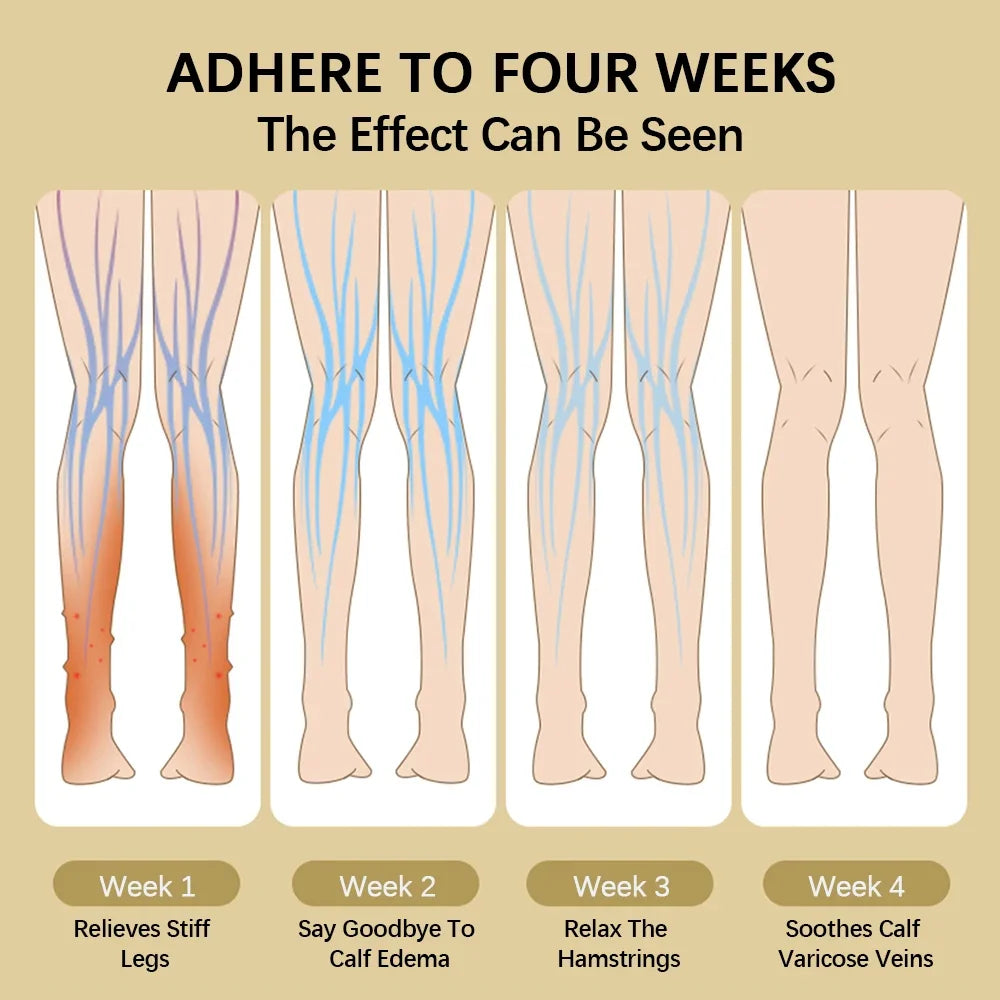
Compression in use - improving circulation and reducing muscle fatigue
Common mistakes that reduce effectiveness
- Wearing incorrect size (too tight or too loose)
- Expecting instant results without movement
- Using without stretching or hydration
- Ignoring persistent pain signals
What results can you realistically expect?
Short-term effects
Many users report reduced leg heaviness, mild pain relief, and improved comfort during or after activity. These effects are often noticeable within hours.
Long-term benefits
With consistent use, compression sleeves may help reduce recurring fatigue and support recovery routines, but they do not fix underlying issues.
What science vs anecdotal evidence shows
Research shows modest improvements in circulation and recovery. Results vary depending on proper usage, health condition, and activity level.
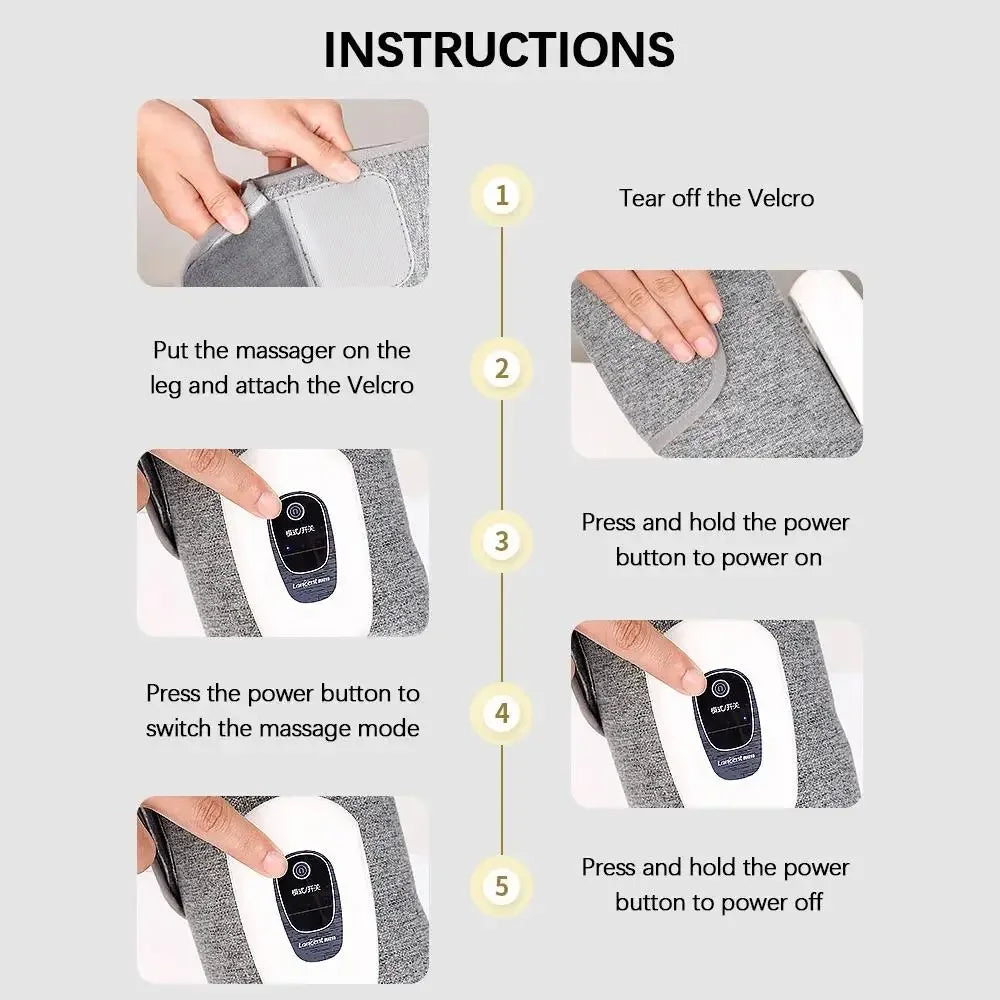
Recovery support using compression and active circulation tools
Pair compression with the wireless leg massager for faster results.
FAQ: calf compression sleeves effectiveness
Do calf compression sleeves work for daily fatigue?
Yes, they help reduce leg heaviness and improve comfort during long periods of standing or sitting by supporting circulation.
How effective are calf compression devices?
Compression devices are more powerful than sleeves because they actively stimulate blood flow, but they are less convenient for everyday use.
What are calf compression sleeves for?
They are designed to improve circulation, reduce muscle fatigue, and support recovery during and after physical activity.
Can compression sleeves prevent injury?
They may help reduce muscle strain risk by stabilizing movement, but they do not guarantee injury prevention.
Are calf supports safe to wear all day?
For most people, yes—if properly fitted. However, avoid extended use if discomfort or numbness occurs.
Pillar Article: How to improve leg circulation: simple daily steps that work
Other Related Articles:
- Massage legs machine: how to use it for daily relief
- How to loosen tight calves muscles: quick relief steps
- How to reduce swelling in legs: easy home fixes guide
Explore More:
- Massager for calf muscles: key benefits and hidden tech
- Tired legs treatment: top devices that actually work
Conclusion: Are calf supports worth it?
Calf compression sleeves do work—but their effectiveness depends on how and when you use them. They are most helpful for improving circulation, reducing fatigue, and supporting recovery, especially for active individuals or those on their feet all day.
However, they are not a cure-all. For best results, they should be combined with proper movement, stretching, and recovery strategies. When used correctly, calf supports can be a simple, practical tool for improving leg comfort and daily performance.













