

How to Reduce Swelling in Legs Quickly: Causes, Fast Relief & When to See a Doctor
How can you reduce swelling in legs quickly at home?
If your legs are swollen from prolonged standing, sitting, travel, heat, or mild fluid retention, you can often reduce swelling within hours by improving circulation and helping excess fluid move back toward the heart.
The fastest home treatments include:
- Elevate your legs above heart level for 20–30 minutes.
- Take a short walk or perform ankle pump exercises every hour.
- Wear properly fitted compression stockings if recommended.
- Drink enough water to support healthy fluid balance.
- Reduce high-sodium foods that encourage water retention.
- Apply a cold pack if swelling follows a minor injury.
- Avoid sitting or standing in one position for long periods.
If swelling affects only one leg, develops suddenly, becomes painful, or is accompanied by chest pain or shortness of breath, seek immediate medical attention rather than relying on home remedies.
Quick relief checklist (5–10 immediate actions)
- Elevate legs above heart level.
- Move every 30–60 minutes.
- Perform ankle pumps for 2–3 minutes.
- Drink water regularly.
- Reduce sodium intake.
- Wear compression if appropriate.
- Use cold therapy for acute injuries.
- Monitor symptoms for improvement over 24–48 hours.
⏱ 5 min read
Explore simple routines and supportive tools that help improve comfort and circulation at home.
How to reduce swelling in legs naturally and support circulation with elevation and movement
Why legs swell: understanding edema and common causes
Leg swelling, also called edema, happens when excess fluid collects in the tissues. Gravity naturally causes fluid to pool in the lower legs, especially after long periods of standing or sitting.
In many cases, swelling is temporary. However, persistent swelling can indicate an underlying condition that needs medical evaluation.
Temporary vs. chronic leg swelling
Temporary swelling often follows travel, heat exposure, pregnancy, exercise, or inactivity. Chronic swelling may be linked to vein, heart, kidney, liver, or lymphatic conditions.
How fluid builds up in the legs
Healthy veins and lymphatic vessels normally return fluid toward the heart. When this system slows down or becomes overloaded, fluid accumulates in the lower limbs, leading to heaviness, tightness, and visible swelling.
Common causes of swollen legs
- Prolonged standing or sitting
- Hot weather
- Pregnancy
- Minor injuries
- High sodium intake
- Chronic venous insufficiency
- Lymphedema
- Heart, kidney, or liver conditions
- Certain medications
The best ways to reduce swelling in legs fast
Elevate your legs correctly
Raising your legs above heart level helps gravity return fluid toward circulation, often reducing swelling within 20–30 minutes.
Walk and perform ankle pump exercises
Calf muscle movement acts as a natural pump that supports blood and lymph flow. Even short walks or ankle pumps can significantly improve circulation.
Wear compression stockings when appropriate
Graduated compression stockings support vein function and reduce fluid buildup. They are often used for travel, long standing hours, or chronic venous issues after medical advice.
Stay hydrated and reduce sodium intake
Proper hydration and reduced sodium intake help maintain fluid balance and reduce water retention.
Apply cold therapy for injuries
Cold packs can reduce inflammation and swelling caused by minor injuries, especially within the first 48 hours.
Which treatment works best for your type of leg swelling?
- Standing or sitting all day: Frequent walking, elevation, and compression stockings if needed.
- Pregnancy: Left-side sleeping, leg elevation, hydration, and medical guidance.
- Long flights or travel: Movement breaks, ankle circles, compression socks, and hydration.
- Sports injuries: Rest, ice, compression, and elevation (RICE method).
- Chronic venous insufficiency: Compression therapy, walking programs, and long-term medical care.
- Lymphedema: Specialized compression, manual lymphatic drainage, and supervised therapy.
How long does leg swelling take to improve?
Mild swelling often improves within hours when circulation is restored. Other types of swelling may take longer depending on the cause.
Expected recovery timelines
- Mild fluid retention: several hours to 1 day
- Travel-related swelling: within 24 hours
- Minor injuries: several days
- Chronic conditions: ongoing management required
Signs swelling is improving
Reduced tightness, lighter sensation in the legs, improved mobility, and decreased visible puffiness indicate recovery.
How to elevate your legs correctly for maximum relief
Elevation is most effective when done properly and consistently, especially after long periods of inactivity.
Best body position
- Lie flat on your back.
- Support both legs with pillows.
- Keep knees slightly relaxed.
- Avoid letting legs hang downward for long periods.
How often and how long to elevate
Elevate for 20–30 minutes, 2–3 times per day, especially after prolonged standing, travel, or exercise.
Can a leg massager help reduce swelling?
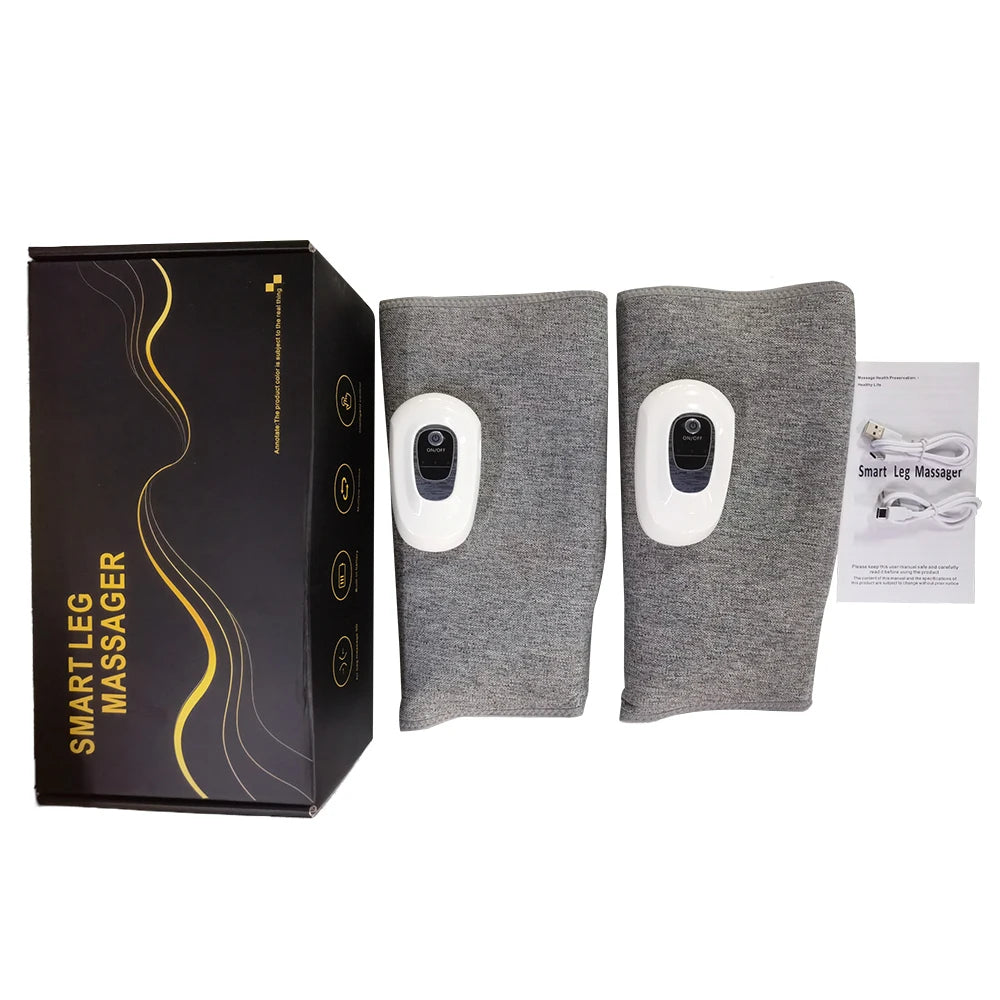
A leg massager may temporarily improve circulation and reduce feelings of heaviness by encouraging fluid movement in the lower limbs. It can be helpful for mild swelling related to inactivity.
How circulation massage works
Sequential compression or massage techniques help stimulate soft tissues and support venous return, which may reduce temporary fluid buildup.
Pros and Cons
- May improve comfort and circulation
- Reduces tired, heavy-leg sensation
- Easy at-home use
- Not a treatment for underlying medical conditions
- Not suitable for all health conditions
Who should avoid massage devices
Avoid use without medical advice if you have deep vein thrombosis, severe peripheral artery disease, infection, or unexplained sudden swelling.
Try a supportive option like a leg massager for swelling and fatigue relief as part of a broader routine.
Preventing swollen legs from coming back
Long-term habits can significantly reduce recurrence of leg swelling and improve circulation.
- Move regularly throughout the day
- Avoid prolonged sitting or standing
- Maintain a healthy weight
- Reduce sodium intake
- Stay hydrated
- Wear supportive footwear
- Use compression stockings when recommended
- Stretch during long travel sessions
When should you see a doctor for leg swelling?
While mild swelling is often harmless, some cases require medical evaluation to rule out serious conditions.
Emergency warning signs
- Sudden swelling in one leg
- Chest pain or shortness of breath
- Severe pain, redness, or warmth in the leg
- Rapidly worsening swelling
Symptoms requiring prompt medical evaluation
- Swelling lasting more than several days
- Recurring unexplained swelling
- Skin discoloration or ulcers
- Fever with swelling
- Difficulty walking or severe pain
Conditions needing ongoing treatment
Chronic venous insufficiency, lymphedema, heart disease, kidney disease, liver disease, and medication-related edema often require professional diagnosis and long-term management.
Frequently Asked Questions
Does drinking water help reduce swollen legs?
Yes. Proper hydration helps regulate fluid balance and may reduce water retention caused by dehydration.
Is walking better than resting?
Yes. Gentle walking activates calf muscles, improving circulation and reducing fluid buildup.
Can too much salt cause swollen legs?
Yes. Excess sodium encourages water retention, which can contribute to swelling.
Are compression stockings always safe?
No. People with certain circulation conditions should consult a healthcare professional before using compression garments.
Pillar Article: How to improve leg circulation: simple daily steps that work
Other Related Articles:
- Massage legs machine: how to use it for daily relief
- Do calf compression sleeves work? step-by-step guide
- How to loosen tight calves muscles: quick relief steps
Explore More:













