How to loosen tight calves muscles quickly at home?
To learn how to loosen tight calves muscles fast, combine gentle stretching, light massage, and heat therapy for 5–10 minutes. These simple steps improve blood flow, reduce stiffness, and ease soreness—especially helpful for those dealing with calf soreness from carrying baby frequently or needing to relieve tired legs at home.
How to loosen tight calves muscles: quick relief steps
Wondering how to loosen tight calves muscles without spending hours stretching? If you’re dealing with calf soreness from carrying baby frequently or need to know how to relax calves after parenting duties, this guide delivers quick, effective relief you can do anywhere. Discover simple techniques that also show you how to relieve tired legs at home, boost circulation, and ease tension fast—without fancy equipment. Ready to feel lighter on your feet again?
⏱ 5 min read
Feeling constant calf tension after long days?
Discover the best options for your body in our Body Care and Health Devices collection
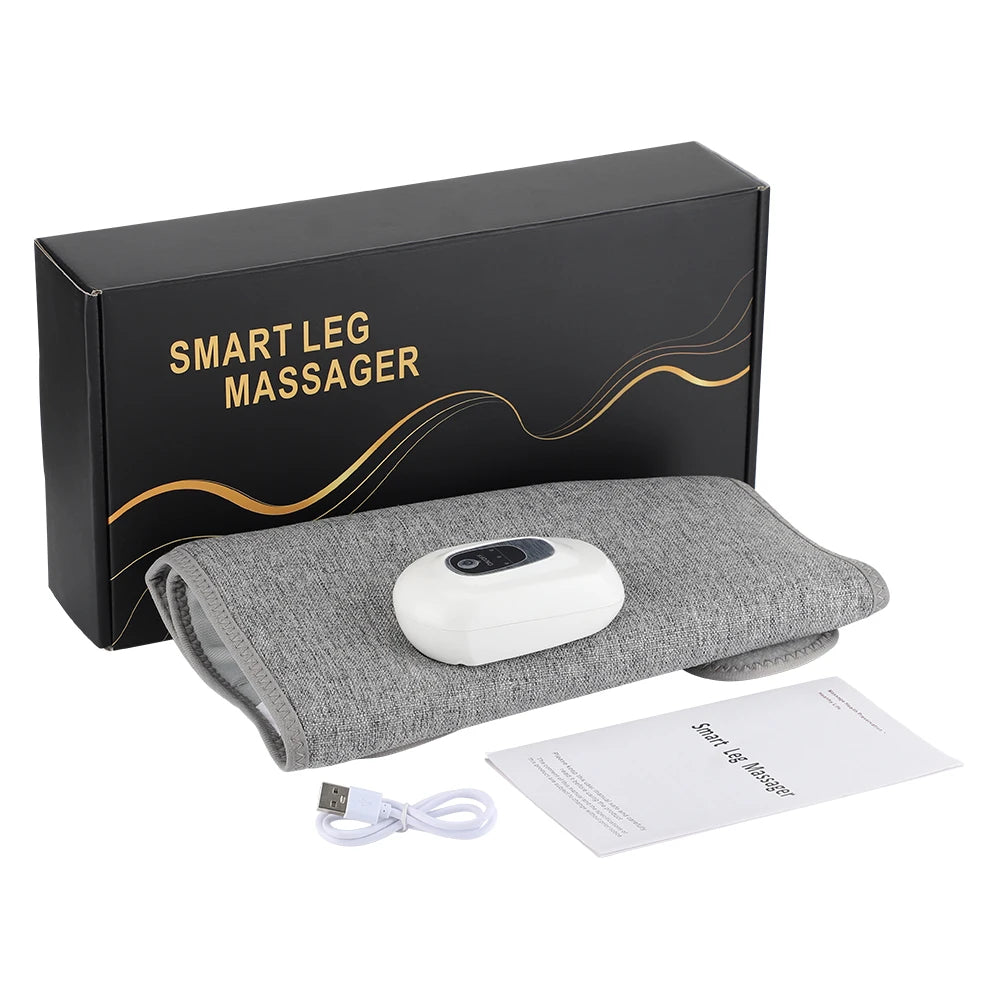
See it in action - how to loosen tight calves muscles / how to relax calves after parenting duties, calf soreness from carrying baby frequently, how to relieve tired legs at home
Why Your Calves Feel Tight (And Why It Gets Worse)
If your calves feel stiff or sore at the end of the day, you're not alone. For parents especially, constant standing, walking, and carrying a baby puts repeated strain on lower leg muscles.
Common triggers include:
- Standing or walking for long periods
- Carrying extra weight (like your baby)
- Poor circulation from sitting or inactivity
- Skipping recovery after physical strain
❗ Quick check: Do your calves feel tight even after resting? That’s a sign your muscles aren’t fully recovering.
How to loosen tight calves muscles fast at home
To loosen tight calves muscles quickly, apply gentle stretching, massage, and heat for 5–10 minutes. This combination improves circulation, reduces stiffness, and relieves soreness effectively—especially useful for those experiencing calf soreness from carrying baby frequently or needing to relax calves after parenting duties.
- Start with light movement: Walk slowly or flex your ankles to warm up muscles
- Stretch gently: Hold each calf stretch for 20–30 seconds
- Apply heat: Use a warm towel or heating pad to relax muscle fibers
- Massage the area: Use hands or a device to release tension knots
- Elevate your legs: Helps reduce swelling and improve blood flow
Want faster results with less effort?
Learn step-by-step how to relax your legs using a wireless leg massager for calf relief
How Simple Stretches Instantly Relax Your Calves
Stretching is one of the easiest ways to reduce tightness—but only when done correctly.
Top stretches for fast relief:
- Wall calf stretch (lean forward, heel flat)
- Seated towel stretch (pull toes toward you)
- Downward dog pose (gentle full-leg stretch)
- Heel drops on a step (deep muscle release)
✅ Benefits:
- Improves flexibility
- Prevents cramps
- Reduces soreness after long days
❌ Mistakes to avoid:
- Bouncing during stretches
- Holding your breath
- Overstretching painful muscles
How Massage Speeds Up Calf Recovery in Minutes
Massage is one of the fastest ways to relieve tired legs at home. It targets deep muscle tension that stretching alone may miss.
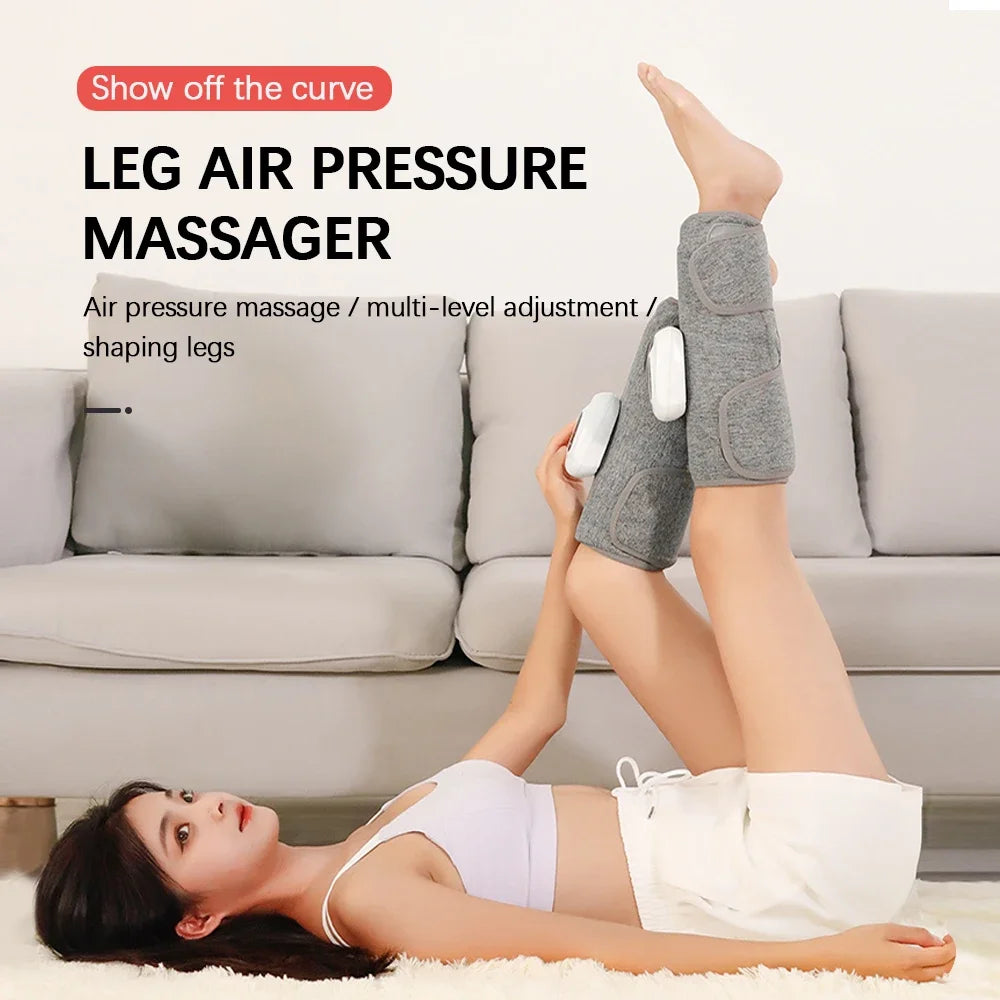
See it in action - how to loosen tight calves muscles / how to relax calves after parenting duties, calf soreness from carrying baby frequently, how to relieve tired legs at home
Why massage works:
- Boosts blood circulation instantly
- Breaks down tight muscle knots
- Reduces inflammation and fatigue
Many parents report noticeable relief in just 10 minutes using a targeted device.
“After carrying my baby all day, my calves used to ache constantly. Using a leg massager at night changed everything—I feel lighter and more energized.”
Make It Effortless with Smart Recovery Tools
If manual massage feels tiring, a device can simplify everything.
- Hands-free relaxation
- Consistent pressure and heat
- Perfect for busy schedules
Explore more recovery tools in Body Care and Health Devices designed for everyday comfort.
Best Relief Methods Compared
| Method | Time Required | Effectiveness | Best For |
|---|---|---|---|
| Stretching | 5–10 mins | Moderate | Flexibility & prevention |
| Heat Therapy | 10–15 mins | Moderate | Relaxing muscles |
| Manual Massage | 10–15 mins | High | Deep tension relief |
| Wireless Leg Massager | 10 mins | Very High | Fast, effortless recovery |
Daily Habits That Prevent Tight Calves for Good
Relief is great—but prevention is even better.
Simple habits to adopt:
- Stretch calves every morning and night
- Stay hydrated to prevent muscle cramps
- Wear supportive footwear
- Take breaks when standing too long
- Use recovery tools regularly
Consistency is key. Even 5 minutes daily can prevent recurring tightness.
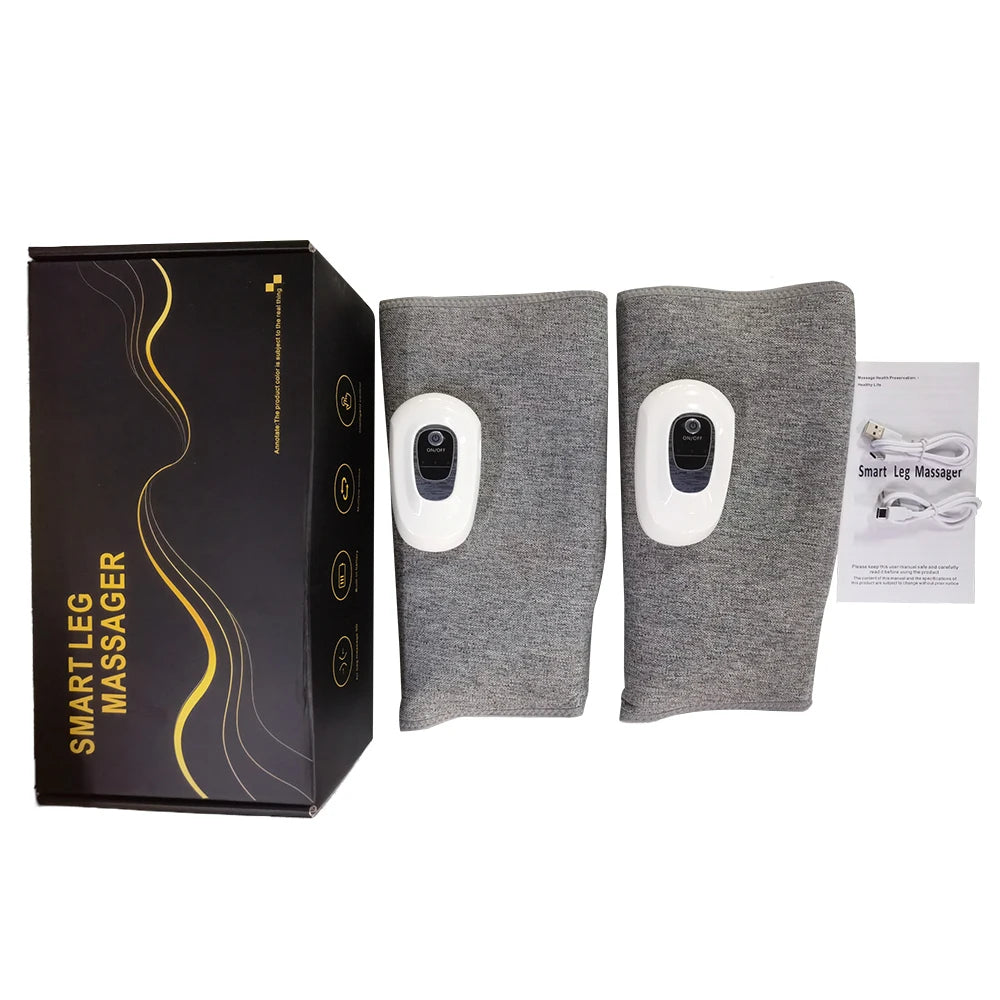
See it in action - how to loosen tight calves muscles / how to relax calves after parenting duties, calf soreness from carrying baby frequently, how to relieve tired legs at home
Ready to feel instant relief?
Get yours now — limited stock! Wireless Leg Massager for Calf Relief
Frequently Asked Questions
How often should I stretch my calves?
Stretching 1–2 times daily is ideal. If you experience frequent tightness, especially from parenting duties, short sessions in the morning and evening can significantly improve flexibility and reduce soreness.
What’s the fastest way to relieve calf soreness?
Combining heat and massage provides the quickest relief. A targeted massager can deliver consistent pressure and warmth, helping reduce tightness in just 10 minutes.
Can tight calves lead to other problems?
Yes. Persistent tightness can affect posture, cause foot pain, or lead to cramps. Addressing it early with proper care helps prevent long-term discomfort.
Is it safe to massage sore calves daily?
Yes, as long as you use gentle pressure. Daily massage improves circulation and helps muscles recover faster, especially after physically demanding days.
Pillar Article: How to improve leg circulation: simple daily steps that work
Other Related Articles:
- Massage legs machine: how to use it for daily relief
- Do calf compression sleeves work? step-by-step guide
- How to reduce swelling in legs: easy home fixes guide
Explore More:
- Massager for calf muscles: key benefits and hidden tech
- Tired legs treatment: top devices that actually work
Quick Relief: How to Loosen Tight Calf Muscles Fast at Home
If you're wondering how to loosen tight calf muscles fast, start with gentle movement, followed by progressive stretching and light self-massage. Most mild calf tightness improves within 5 to 10 minutes when you warm the muscles before stretching instead of forcing a deep stretch immediately.
5-Minute Calf Loosening Routine
- Walk for 2 minutes to increase blood flow.
- Perform 10 ankle circles in each direction.
- Complete a standing wall stretch for 30 seconds per leg.
- Repeat with a bent-knee soleus stretch for 30 seconds.
- Foam roll each calf for 60 seconds.
- Finish with 20 controlled heel raises.
When to Use This Routine
- After prolonged sitting
- Before running or hiking
- After exercise to reduce stiffness
- When waking with tight calves
Why Your Calves Feel Tight (Understanding the Gastrocnemius and Soleus)
Your calf consists primarily of two muscles. The gastrocnemius crosses both the knee and ankle, making it more likely to tighten after running, jumping, or sprinting. Beneath it sits the soleus, which works continuously during walking and standing, making it especially prone to stiffness from prolonged standing or poor ankle mobility.
Common Causes of Tight Calves
- Long periods of sitting
- Running or hill training
- Poor ankle mobility
- Improper footwear
- Muscle overuse
- Dehydration
- Insufficient recovery between workouts
Tightness vs. Soreness vs. Cramping
Tight muscles feel restricted during movement, soreness usually develops after exercise because of microscopic muscle damage, while cramps are sudden involuntary contractions that often resolve within minutes. Identifying the difference helps determine whether stretching, massage, hydration, or rest is the most appropriate treatment.
=== Step-by-Step: How to Release Tight Calves Safely === Purpose: Provides progression, timing, and technique guidance lacking in mid-ranking pages. Placement: Replace: How to loosen tight calves muscles fast at home HTML Block HTMLStep-by-Step: How to Release Tight Calves Safely
Warm Up Before Stretching
Spend 3 to 5 minutes walking, cycling, or marching in place before stretching. Warm muscles respond better to stretching and are less likely to become irritated.
Static Stretch After Activity
Once your muscles are warm, gradually move into each stretch without bouncing.
How Long Should You Hold Each Stretch?
- Hold for 20 to 30 seconds.
- Repeat 2 to 4 times.
- Stretch both legs evenly.
- Practice at least once daily if tightness is recurring.
Progress from Beginner to Advanced
Begin with wall stretches, then progress to elevated stretches, loaded calf raises, and ankle mobility exercises as flexibility improves.
=== The Best Calf Stretches for Tight Muscles === Purpose: Improves topical authority with multiple stretch variations and common mistakes. Placement: Replace: How Simple Stretches Instantly Relax Your Calves HTML Block HTMLThe Best Calf Stretches for Tight Muscles
Standing Wall Stretch
Keep the back leg straight and the heel firmly on the floor to target the gastrocnemius.
Bent-Knee Soleus Stretch
Bend the back knee slightly while keeping the heel grounded to isolate the deeper soleus muscle.
Stair Stretch
Lower the heels slowly below the edge of a step while maintaining balance.
Downward Dog Stretch
Alternate bending one knee at a time to gently mobilize both calves.
Common Stretching Mistakes
- Bouncing during stretches
- Holding your breath
- Stretching cold muscles
- Allowing the heel to lift
- Pushing into sharp pain
Foam Rolling, Massage, and Self-Release Techniques
Foam Rolling
Roll slowly from the Achilles tendon toward the back of the knee for 60 to 90 seconds per leg. Pause briefly over particularly tight spots instead of rolling rapidly.
Massage Techniques
Use long upward strokes with moderate pressure, gradually increasing intensity as the muscle relaxes.
Massage Gun Tips
Use the lowest speed setting for 30 to 60 seconds on each section of the calf while avoiding direct contact with the Achilles tendon and the back of the knee.
Make It Effortless with Smart Recovery Tools
Compression devices, massage guns, and heated calf massagers can complement stretching by temporarily increasing circulation and reducing muscle stiffness, but they should support—not replace—regular mobility exercises.
=== Stretching vs. Massage vs. Strengthening: Which Treatment Works Best? === Purpose: Introduces decision-making guidance missing from competing pages. Placement: Replace: Best Relief Methods Compared HTML Block HTMLStretching vs. Massage vs. Strengthening: Which Treatment Works Best?
The best treatment depends on why your calves feel tight.
- Choose stretching if reduced flexibility is the primary issue.
- Use massage or foam rolling for temporary muscle stiffness after activity.
- Perform strengthening exercises if recurring tightness is caused by muscle weakness or poor movement mechanics.
- Combine all three for long-term improvement when appropriate.
Daily Habits That Prevent Tight Calves
- Improve ankle mobility several times each week.
- Warm up before intense exercise.
- Stretch after workouts.
- Increase training volume gradually.
- Wear supportive footwear appropriate for your activity.
- Stay hydrated and consume adequate protein for muscle recovery.
- Avoid sitting for extended periods without movement breaks.
When Tight Calves Need Medical Attention
Most cases of calf tightness improve with self-care. However, persistent pain or unusual symptoms should be evaluated by a healthcare professional.
Signs of Muscle Injury
- Sudden popping sensation
- Severe pain while walking
- Significant bruising
- Noticeable weakness
Possible Warning Signs of a More Serious Condition
- One-sided swelling
- Redness or warmth
- Numbness or tingling
- Chest pain or shortness of breath alongside calf swelling
When to See a Healthcare Professional
Seek medical evaluation if symptoms persist for more than one to two weeks despite conservative treatment, repeatedly return, interfere with daily activities, or are accompanied by any warning signs listed above.
=== Frequently Asked Questions === Purpose: Expands FAQ coverage to capture additional People Also Ask queries. Placement: Replace existing FAQ. HTML Block HTMLFrequently Asked Questions
How often should I stretch my calves?
Most people benefit from stretching once or twice daily, especially after exercise or prolonged sitting.
How long should I hold each calf stretch?
Hold each stretch for 20 to 30 seconds and repeat two to four times.
What's the fastest way to loosen calf muscles?
A short warm-up followed by gentle stretching and foam rolling usually provides the quickest relief.
Can tight calves cause plantar fasciitis?
Yes. Limited calf flexibility can increase strain on the plantar fascia during walking and running.
Can tight calves contribute to knee pain?
Reduced ankle mobility from tight calves may alter movement patterns that place additional stress on the knees.
Is massage safe every day?
Gentle massage is generally safe daily for mild muscle tightness, provided it does not increase pain or irritation.
Step 3 — Final Optimization Notes Internal Link Insertion Points After the anatomy section → link to an ankle mobility guide. After the stretching section → link to a lower-body stretching routine. After the massage section → link to a foam rolling guide or massage recovery article. After the strengthening comparison → link to calf strengthening exercises. After the prevention section → link to running recovery, hydration, footwear, or injury-prevention content. Within the FAQ about plantar fasciitis → link to a plantar fasciitis treatment article. Within the FAQ about knee pain → link to an article on mobility and knee health. FAQ Schema Placement Add FAQPage schema immediately after the FAQ section in the HTML. Include all six questions and answers. Ensure the visible FAQ content exactly matches the schema to avoid inconsistencies. Suggested Paragraph Trimming Areas Reduce introductory wording in the opening section to reach the actionable routine faster. Shorten repetitive explanations about massage benefits that overlap with the comparison section. Consolidate repeated statements about stretching improving flexibility. Remove duplicate mentions of hydration if discussed in multiple sections. Sections to Reduce Fluff Eliminate generic motivational language before instructional content. Avoid repeating that stretching "improves circulation" unless explaining the mechanism. Remove redundant reminders to "listen to your body" where specific guidance is provided. Merge overlapping recovery advice into the "Stretching vs. Massage vs. Strengthening" section instead of repeating it elsewhere. Keep product references brief and secondary to educational content to maintain alignment with informational search intent. --- REAL PRODUCT RULES - wireless leg massager for calf relief (/products/wireless-leg-massager-calf-relief) - Wireless Leg Massager for Calf Relief (/products/wireless-leg-massager-calf-relief) PRODUCT COMPARISON RULES If the article includes: • product comparisons • best product sections • top product lists • recommendation sections Then: 1. Use ONLY real-world products 2. Always include the products listed above 3. Use 3–5 real competitor brands 4. Only the products listed above must be clickable 5. Competitor products should NOT contain links unless already present in the original article 6. Do NOT use placeholders such as: - Model A - Model B - Product 1 IMPORTANT: • Only create a comparison table when it improves the article • Do NOT force a comparison table if not necessary • If a comparison table already exists, improve it • If no comparison is needed, skip table creation --- UPGRADE RULES 1. Preserve ALL existing product links. 2. Preserve ALL image URLs. 3. Preserve affiliate links exactly as they appear. 4. Do NOT remove existing images unless absolutely necessary. 5. Insert new sections from the upgrade plan at the correct locations. 6. Do NOT produce duplicate headings. 7. Maintain clean semantic HTML structure. 8. Preserve ALL internal blog links. 9. If the article contains sections such as: - Related Articles - Related Posts - Pillar Articles - Recommended Reading - You May Also Like - Internal Guides These sections MUST remain in the article. Do NOT remove or rewrite their links. 10. Internal blog link sections should remain near the end of the article, typically before the conclusion or after the FAQ section. 11. If the article already contains internal linking blocks, keep them unchanged to preserve the site's internal SEO structure. --- CONTENT QUALITY IMPROVEMENTS Enhance the article by: • Improving clarity and readability • Adding expert explanations • Expanding sections where competitors are stronger • Improving comparison sections • Adding helpful lists and structured content Ensure the article feels like a **professional expert guide**, not a promotional article. --- SEO OPTIMIZATION Apply the following SEO improvements: • Natural keyword placement • Add semantic variations • Improve heading hierarchy • Add comparison sections where needed • Add FAQ section for PAA queries • Improve internal linking opportunities --- TEMPORAL CONTENT UPDATE If the article text contains the year "2005", update it to the current year "2026". Rules: • Only update the year when it appears in the visible article text • Do NOT modify years that appear inside URLs or links • Do NOT change years that appear in image URLs or file names • Do NOT add a year if the article originally does not mention any year • Preserve all links exactly as they appear Example: Correct:Best beard styles in 2026
Do NOT modify: --- FORMAT REQUIREMENTS Return ONLY clean HTML. Do NOT include explanations. Use proper tags: