

Do Compression Leg Sleeves Work? Evidence, Benefits, and Compression Sleeves vs Leg Massagers
Do compression leg sleeves work? Yes, compression leg sleeves work for many people when used correctly and for the right purpose. Research suggests they can improve venous blood flow, reduce muscle vibration during exercise, minimize mild swelling, and decrease post-exercise muscle soreness. While they are not a cure for medical conditions or a replacement for treatment, compression sleeves can be an effective tool for athletic recovery, prolonged standing, travel, and managing tired legs.
If your legs feel heavy, sore, or constantly tired, you may wonder whether compression leg sleeves are enough—or whether high-tech recovery tools like leg massagers provide better results. This guide explains how compression sleeves work, their benefits, limitations, and how they compare with modern air compression leg massagers.
⏱ 5 min read
Curious which recovery option fits your lifestyle best?
Explore a smart recovery solution designed for real daily use
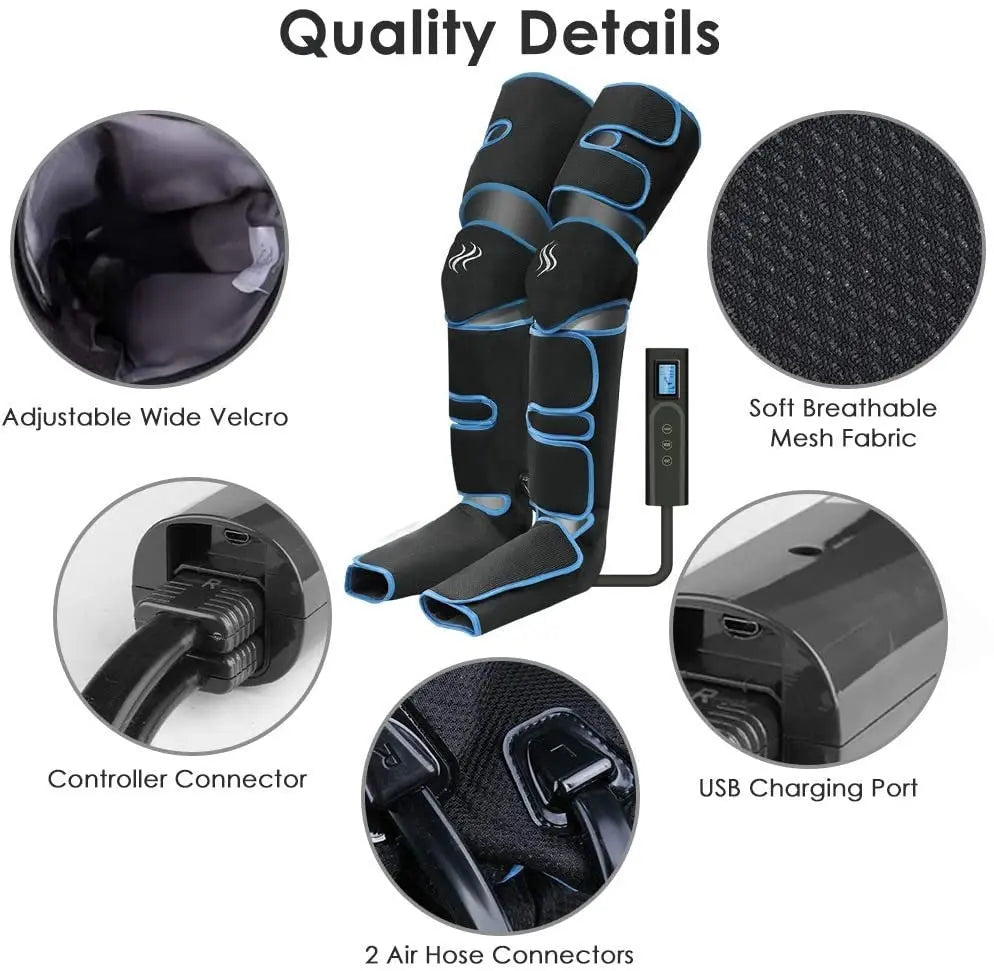
See it in action - do compression leg sleeves work / how to use compression for leg recovery, best recovery tips for busy moms legs, comparison deep dive keywords
Do Compression Leg Sleeves Work?
Yes, compression leg sleeves work for many users by applying graduated pressure that supports circulation, reduces fluid buildup, and helps stabilize muscles during activity. They are commonly used for sports recovery, long periods of standing, travel, and everyday leg fatigue.
What the Research Says
Clinical studies suggest that graduated compression may improve circulation efficiency, reduce swelling caused by fluid accumulation, and limit muscle oscillation during exercise. Evidence is generally stronger for improving recovery comfort and reducing soreness than for directly improving athletic performance.
Compression sleeves are most useful when the goal is better comfort, reduced fatigue, and recovery support rather than treating underlying medical conditions.
The Short Answer
If you want help with tired legs, mild swelling, exercise recovery, or circulation support, compression leg sleeves can be effective. However, persistent swelling, severe pain, or circulation concerns may require medical evaluation.
How Compression Leg Sleeves Work
Compression leg sleeves apply graduated pressure that is usually tighter around the lower leg and gradually decreases higher up. This design supports veins, muscles, and soft tissues while allowing normal movement.
Graduated Compression Explained
The external pressure helps veins move blood back toward the heart more efficiently. This can reduce blood pooling in the lower legs during exercise, prolonged sitting, or standing for long periods.
How They Improve Circulation and Reduce Muscle Vibration
- Support venous return.
- Reduce muscle movement during impact activities.
- Help limit fluid accumulation in tissues.
- Improve comfort during long periods of standing or walking.
For more information about circulation support and recovery, explore related guides on improving leg comfort and blood flow.
Why They May Reduce Swelling and Fatigue
By encouraging better fluid movement, compression sleeves may reduce mild swelling and help legs feel less heavy after workouts, travel, or demanding daily activities.
Benefits of Compression Leg Sleeves
Athletic Recovery
Many athletes wear compression sleeves after running, cycling, or strength training to support circulation, reduce delayed-onset muscle soreness, and improve recovery comfort between workouts.
Standing All Day
People who work long shifts on their feet may experience less heaviness and fatigue when wearing properly fitted compression sleeves throughout the day.
Travel
Compression sleeves can support leg comfort during flights and road trips by helping reduce temporary swelling caused by extended sitting.
Mild Swelling
People who experience occasional swelling after standing, inactivity, or exercise may find graduated compression helpful for everyday comfort.
Everyday Tired Legs
Compression sleeves may help tired, achy legs feel more supported after busy days, although ongoing symptoms should be evaluated by a healthcare professional.
Who Benefits Most from Compression Leg Sleeves?
- Athletes: Support recovery after running, cycling, and strength training.
- Travelers: Improve comfort during long periods of sitting.
- Healthcare workers, teachers, and retail employees: Help reduce fatigue from prolonged standing.
- Pregnant individuals: May provide comfort for mild swelling with healthcare provider guidance.
- Older adults: Can support everyday comfort when recommended by a clinician.
When Compression Leg Sleeves May Not Help
Compression sleeves have limitations and are not suitable for every situation.
- Sudden severe leg swelling.
- Suspected deep vein thrombosis.
- Significant arterial circulation problems.
- Persistent unexplained leg pain.
- Advanced chronic venous conditions without medical supervision.
If symptoms become severe quickly or occur with chest pain or shortness of breath, seek immediate medical care.
Who Should Avoid Compression Leg Sleeves?
Compression garments are not suitable for everyone.
- People with severe peripheral artery disease.
- Individuals with severe heart failure unless advised by a healthcare professional.
- Anyone with untreated skin infections or open wounds.
- People using sleeves that are excessively tight or incorrectly sized.
If you have diabetes, circulation disorders, or chronic swelling, consult a healthcare provider before using medical-grade compression.
Compression Sleeves vs Compression Socks
Although both use graduated compression, they are designed for different needs.
Coverage Differences
Compression sleeves cover the calf area, while compression socks extend over the foot and ankle to provide more complete lower-leg coverage.
Which Is Better for Circulation?
Compression socks are often preferred for medical circulation concerns because they include the foot and ankle. Sleeves are commonly chosen for sports, recovery, and muscle support.
Which Should You Choose?
Select compression sleeves if your focus is activity support and recovery. Choose compression socks when full lower-leg compression is recommended.
Compression Sleeves vs Leg Massagers
Both options support recovery, but they use different mechanisms.
How Recovery Mechanisms Differ
- Compression sleeves provide continuous graduated pressure.
- Leg massagers use air compression or massage cycles to provide active stimulation.
Which Provides Deeper Recovery?
Leg massagers generally provide stronger short-term relaxation after intense activity, while compression sleeves offer lightweight support that can be worn during daily routines.
| Feature | Compression Sleeves | Leg Massagers |
|---|---|---|
| Recovery Style | Passive compression support | Active air pressure massage |
| Convenience | Wear during daily activities | Requires dedicated recovery time |
| Best For | Travel, standing, light recovery | Post-workout soreness and relaxation |
| Intensity | Gentle continuous support | Adjustable massage intensity |
Can You Use Both Together?
Yes. Many people use a leg massager after exercise and compression sleeves later for continued comfort and support.
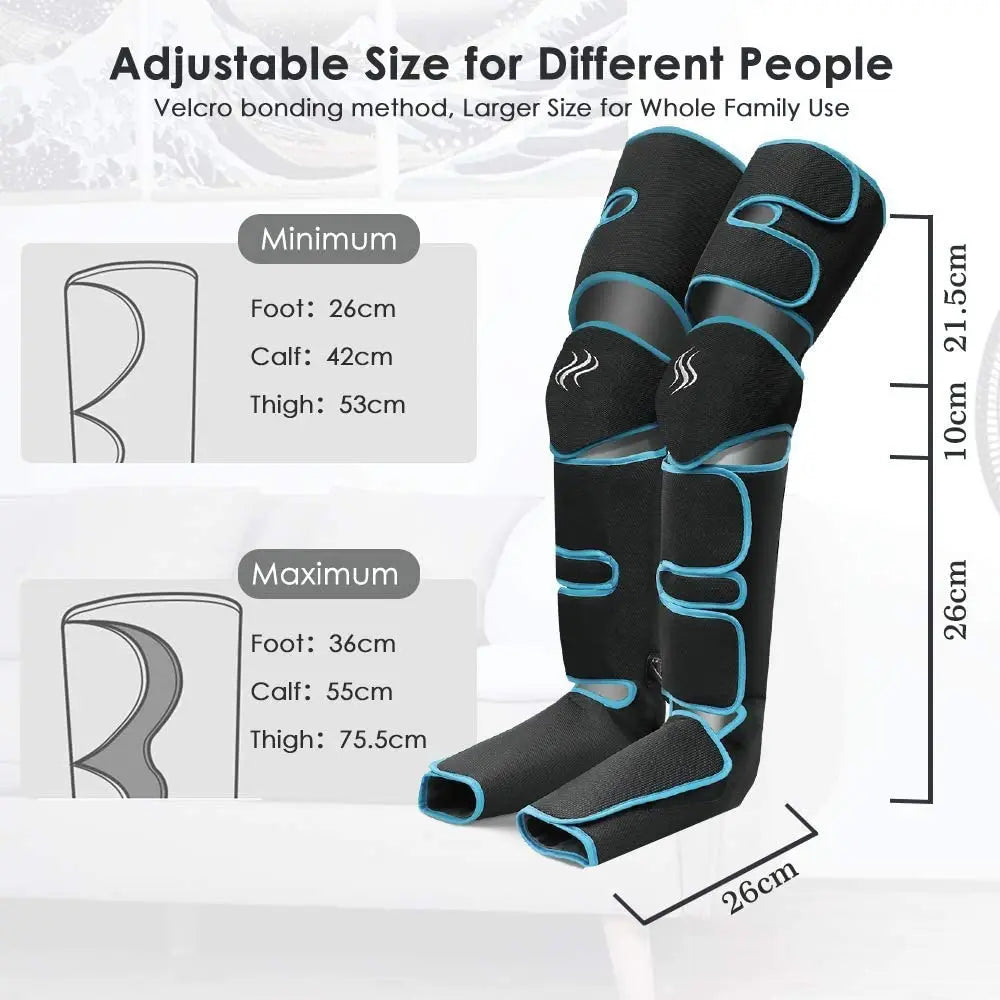
See it in action - do compression leg sleeves work / how to use compression for leg recovery, best recovery tips for busy moms legs, comparison deep dive keywords
Want deeper results beyond basic compression?
Learn how advanced air compression enhances recovery at home
Choosing the Right Compression Level
15–20 mmHg
Often suitable for mild fatigue, travel, and everyday comfort.
20–30 mmHg
Commonly used for moderate support needs and recovery, depending on individual requirements.
Higher Compression
Compression above 30 mmHg should generally only be used with medical guidance.
Signs Your Compression Sleeves Don't Fit Properly
Too Loose
The sleeve slides down, wrinkles, or provides little noticeable support.
Too Tight
Pain, numbness, skin discoloration, or deep marks may indicate excessive compression.
Measuring for Correct Size
Measure calf circumference according to the manufacturer's sizing guide instead of choosing only by clothing size.
How to Use Compression Sleeves for Leg Recovery
- Choose the correct size and compression level.
- Wear them during exercise, work, or travel if appropriate.
- Continue wearing them for several hours after activity if comfortable.
- Remove them if you experience pain, numbness, or unusual swelling.
- Wash regularly to maintain elasticity.
When Not to Wear Them
Avoid compression sleeves if advised against by your healthcare provider or if you experience severe circulation problems or unexplained leg pain.
Which Option Is Better for You?
The best choice depends on your recovery goals.
- Choose compression sleeves for daily circulation support, travel, prolonged standing, and light recovery.
- Choose a leg massager for intensive post-workout recovery and temporary muscle relaxation.
- Use both together for a more complete recovery routine after demanding activity.
For a more advanced recovery solution, explore Body Care and Health Devices .
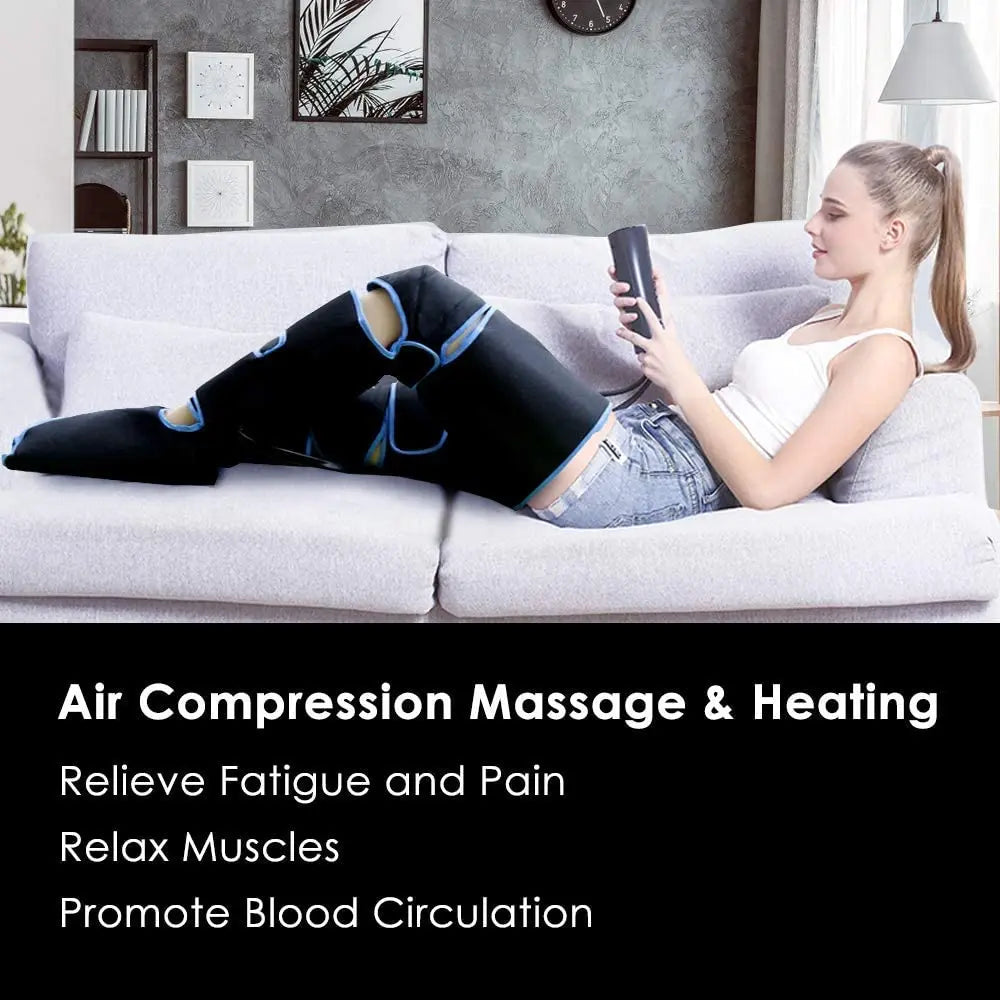
See it in action - do compression leg sleeves work / how to use compression for leg recovery, best recovery tips for busy moms legs, comparison deep dive keywords
Ready for faster, deeper leg relief?
Frequently Asked Questions
Do compression leg sleeves really work?
Yes. They can support circulation, reduce mild swelling, and improve recovery comfort when properly fitted and used appropriately.
How long should you wear compression sleeves?
Many people wear them during activity or for several hours afterward depending on comfort and purpose.
Can you sleep in compression sleeves?
Routine overnight use is generally not recommended unless advised by a healthcare professional.
Are compression sleeves effective for swelling?
They may help mild swelling but should not replace medical evaluation for persistent or severe swelling.
Are compression sleeves better than compression socks?
Sleeves are often preferred for sports and recovery, while socks provide more complete lower-leg compression for many circulation-related needs.
Can you wear compression sleeves every day?
Yes, if they fit correctly and you do not have a condition that makes compression unsafe.
When should you see a doctor?
Seek medical care for sudden swelling, severe pain, skin discoloration, or symptoms suggesting a blood clot.
Pillar Article: Best Air Compression Leg Massagers Compared for 2026
Other Related Articles:
- Leg Compression Machine vs Electric Compressors Guide
- Air Compression Leg Massager Benefits Worth the Hype
- Air Massager for Legs vs Heat Models: Which Is Better
- Full Leg Compression Massager vs Portable: Which Wins
Explore More:













