

Does a leg compression machine really improve circulation and recovery?
A leg compression machine uses controlled pneumatic air pressure to support circulation, reduce temporary swelling, and ease muscle fatigue. By applying rhythmic compression cycles to the feet, calves, and thighs, these devices help promote blood flow and encourage recovery after prolonged sitting, standing, travel, or exercise. Many users report noticeable relief within 15–30 minutes, making leg compression therapy a convenient at-home wellness solution for busy adults, athletes, travelers, and parents.
Leg Compression Machine Buying Guide: Best Leg Compression Devices for Circulation, Recovery & Swelling
A leg compression machine can do more than relieve tired muscles—it can support circulation, reduce temporary swelling, and improve recovery comfort in just minutes. But how do you choose between a leg massager with heat vs without heat, or decide when to buy leg circulation massager with heat therapy? This expert guide explains the key differences, benefits, safety considerations, and buying factors that matter most when comparing top rated leg compression devices for parents and everyday users.
⏱ 5 min read
After long days on your feet or hours sitting at a desk, heavy legs, swelling, and stiffness become frustratingly common. The right compression device can help restore comfort at home—without requiring expensive spa treatments or professional recovery sessions.
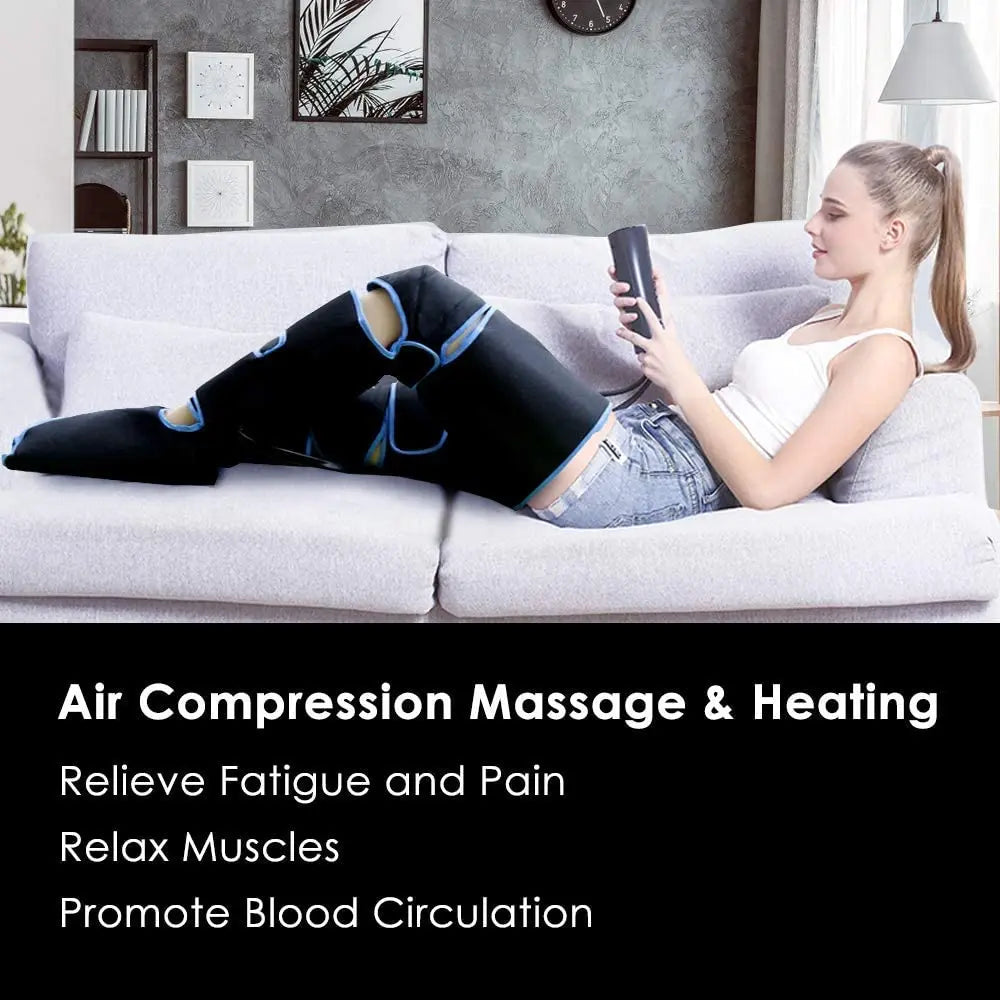
See it in action - leg compression machine / leg massager with heat vs without heat, buy leg circulation massager with heat therapy, top rated leg compression devices for parents
Does a Leg Compression Machine Really Improve Circulation and Recovery?
Research and consumer experience suggest that pneumatic compression can support circulation, reduce feelings of leg fatigue, and improve recovery comfort. Consumer leg compression devices use sequential pressure cycles that mimic aspects of professional compression therapy, helping users feel refreshed after exercise, prolonged sitting, standing, or travel.
- Supports healthy blood circulation
- Helps reduce temporary fluid accumulation
- May relieve muscle soreness and fatigue
- Provides relaxing recovery sessions at home
- Offers hands-free wellness support
While results vary by individual, many users incorporate compression therapy into their regular recovery and self-care routines.
How a Leg Compression Machine Works
A leg compression machine uses pneumatic air chambers that inflate and deflate in sequence to apply controlled pressure around the feet, calves, and thighs. This rhythmic compression encourages healthy blood flow, supports lymphatic drainage, and helps reduce temporary muscle fatigue after prolonged sitting, standing, travel, or exercise.
Air Compression vs Vibration: What's the Difference?
Air compression devices squeeze the legs in cycles to encourage circulation and recovery, while vibration massagers rely on rapid oscillations to relax muscles. Compression therapy is generally preferred for swelling management and circulation support, whereas vibration focuses primarily on muscle relaxation.
- Air compression targets circulation and recovery.
- Vibration targets muscle tension.
- Some premium devices combine both technologies.
Medical-Grade vs Consumer Leg Compression Devices
Medical-grade systems typically deliver higher pressure ranges, programmable treatment protocols, and are often prescribed for specific vascular or lymphatic conditions. Consumer leg compression devices prioritize comfort, portability, and everyday wellness, making them suitable for home recovery and fatigue relief.
Understanding Compression Zones and Pressure Cycles
Many compression leg massagers use multiple independently controlled air chambers. More compression zones generally provide smoother pressure transitions and a massage experience that feels closer to professional pneumatic compression therapy.
Leg Compression Machine Benefits: Who Gets the Most Value?
The best leg compression machine benefits depend on how you plan to use it. Different users prioritize circulation support, recovery, swelling reduction, or daily comfort.
Athletes and Post-Workout Recovery
Sequential compression may help reduce post-exercise soreness, support recovery between training sessions, and improve overall comfort after demanding workouts.
Office Workers and Frequent Travelers
Long periods of sitting can leave legs feeling heavy or fatigued. A leg circulation massager provides intermittent compression that helps restore comfort after workdays or long flights.
Seniors with Tired Legs
Many older adults appreciate gentle compression settings that promote relaxation and reduce feelings of leg fatigue after daily activities.
People Managing Mild Swelling
Compression leg massagers may temporarily reduce minor swelling associated with prolonged standing or inactivity. Persistent or unexplained swelling should always be evaluated by a healthcare professional.
Leg Massager With Heat vs Without Heat: Which Should You Choose?
Choosing between a leg massager with heat and one without depends on your primary goal. Heat enhances comfort, while compression remains the primary driver of circulation support.
Benefits of Heat Therapy
- Provides a warming sensation for tired muscles.
- May improve comfort during recovery sessions.
- Often preferred during colder weather.
- Complements compression for relaxation.
When Compression Alone Works Better
- After intense exercise.
- For frequent travelers.
- When heat feels uncomfortable.
- For users focused primarily on pneumatic compression.
Best Situations for Each Option
If comfort and relaxation are your priorities, buying a leg circulation massager with heat therapy may be worthwhile. If portability, battery life, or focused compression performance matter more, a non-heated model often provides excellent value.
Comparison Table: How to Compare Leg Compression Machines
Instead of focusing only on price, compare the features that most influence comfort, effectiveness, and long-term satisfaction.
| Feature | With Heat | Without Heat |
|---|---|---|
| Compression Levels | Multiple | Multiple |
| Treatment Modes | Usually More | Standard |
| Heat Function | Included | Not Included |
| Portability | Medium | High |
| Ease of Cleaning | Easy | Easy |
| Warranty | Varies | Varies |
| Best User Profile | Relaxation & Comfort | Recovery & Travel |
- Compression pressure levels
- Number of air chambers
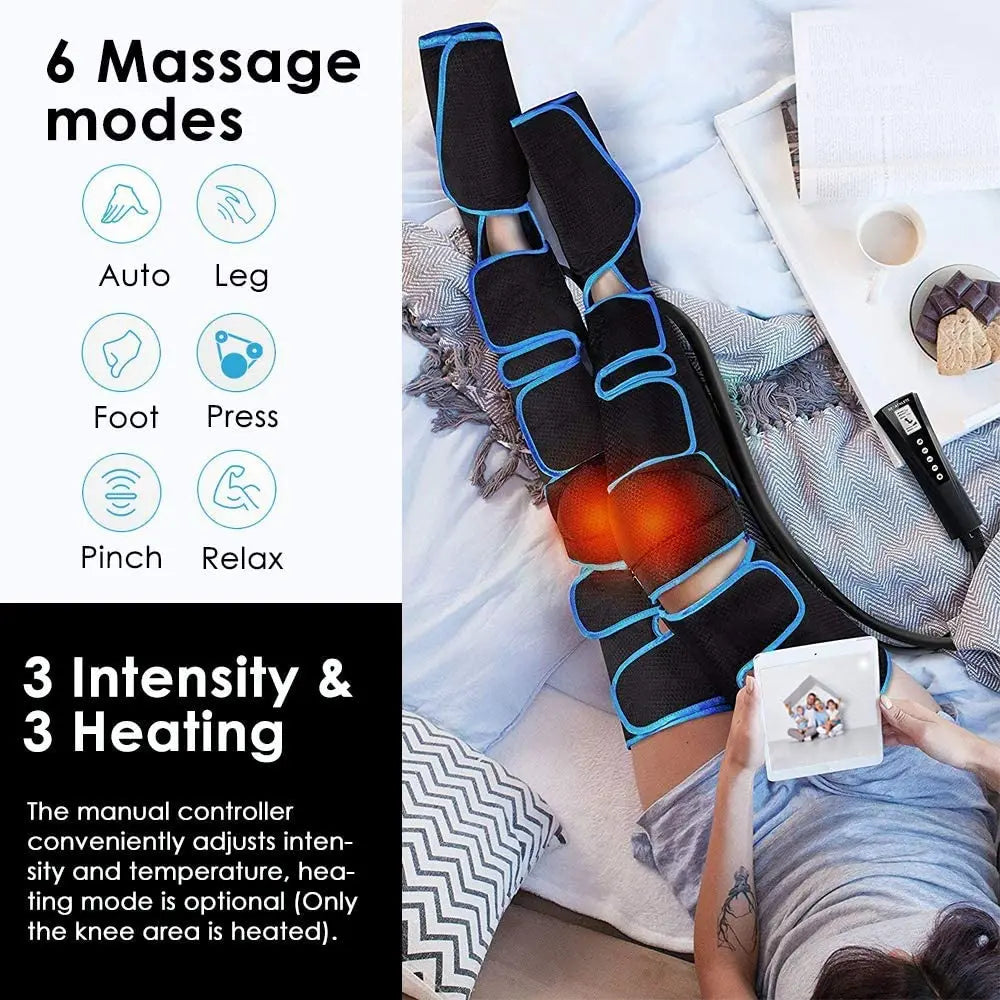
- Massage modes
- Heat function
- Adjustable intensity settings
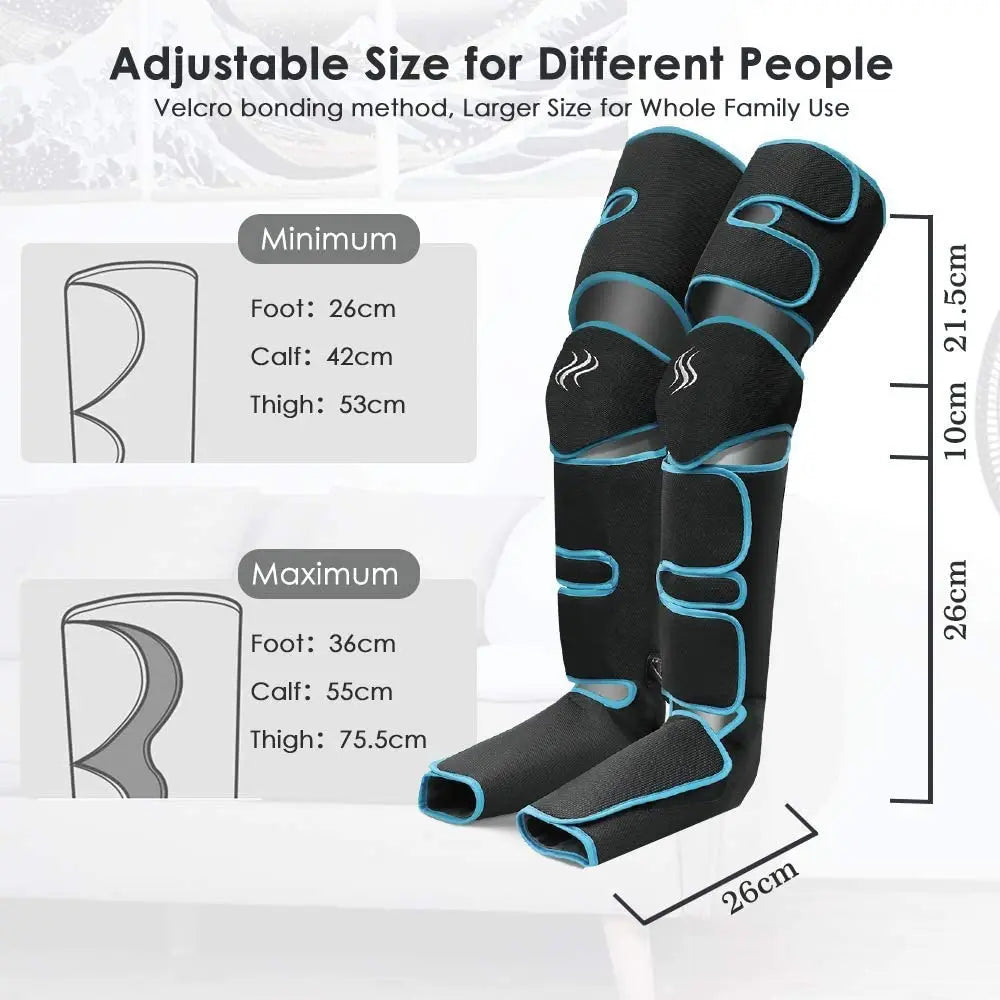
- Sizing flexibility
- Portability and storage
- Noise level
- Warranty coverage
- Ease of cleaning
A comparison checklist makes it easier to identify the best compression leg massager for your specific needs rather than choosing solely based on marketing claims.
See it in action - leg compression machine / leg massager with heat vs without heat, buy leg circulation massager with heat therapy, top rated leg compression devices for parents
How We Evaluated These Leg Compression Devices
Our evaluation framework prioritizes real-world usability rather than manufacturer specifications alone.
Testing Criteria
- Compression consistency
- Comfort during extended sessions
- Ease of setup
- Control interface
- Heat performance where applicable
- Noise level
- Build quality
- Warranty support
- Overall value
Comfort
We evaluated how comfortable the compression sleeves felt during repeated 15–30 minute sessions.
Pressure Performance
Devices were assessed based on pressure consistency, transition smoothness, and customization options.
Ease of Use
We prioritized intuitive controls, setup simplicity, and everyday practicality.
Value for Money
Long-term durability and useful features mattered more than premium branding alone.
How to Choose the Right Leg Compression Machine
The best device depends on your goals, budget, and frequency of use. Prioritize features that directly affect comfort and effectiveness.
Compression Intensity
Adjustable pressure levels allow personalized sessions based on comfort and recovery needs.
Number of Air Chambers
More air chambers typically provide smoother and more targeted compression sequences.
Sizing
Always verify calf, thigh, and leg length compatibility before purchasing.
Control Options
Look for intuitive handheld controllers with multiple modes and timer settings.
Safety Features
Automatic shut-off timers and adjustable pressure limits improve safety and comfort.
- Adjustable compression intensity
- Multiple independent air chambers
- Proper sizing for your legs
- Optional heat therapy
- Programmable massage modes
- Easy-to-clean materials
- Quiet operation
- Reliable warranty coverage
Many shoppers explore options inside Body Care and Health Devices to compare features and find the right match for their lifestyle.
Who Should Not Use a Leg Compression Machine?
Although many healthy adults can safely use consumer compression devices, they are not appropriate for everyone.
Important Safety Considerations
- Suspected deep vein thrombosis (DVT)
- Severe peripheral arterial disease
- Active skin infections or open wounds
- Uncontrolled heart failure unless medically advised
- Severe unexplained leg pain or swelling
When to Speak With a Healthcare Professional
If you have chronic circulation disorders, significant edema, diabetes-related complications, or recently underwent surgery, consult your healthcare provider before beginning leg compression therapy.
Why Top Rated Leg Compression Devices for Parents Stand Out
Parents often spend long hours standing, walking, or caring for children, making comfort and convenience especially important.
Comfort Features
- Comfortable adjustable wraps
- Optional heat for relaxation
- Multiple pressure settings
Ease of Daily Use
- Easy one-button operation
- Lightweight construction
- Simple storage between uses
Quiet Operation
Low-noise compression cycles make it easier to relax, watch television, or multitask while using the device.
Real user feedback:
- "My legs feel lighter every night—it's become part of my routine."
- "Better than expensive spa treatments and way more convenient."
- "Perfect after chasing kids all day."
Common Mistakes When Buying a Compression Leg Massager
- Choosing based only on price.
- Ignoring leg sizing requirements.
- Buying more pressure than necessary.
- Assuming heat replaces compression.
- Overlooking warranty and customer support.
- Not checking the number of compression chambers.
- Skipping safety considerations for existing medical conditions.
Cleaning and Maintaining Your Leg Compression Machine
Regular maintenance helps preserve comfort, hygiene, and performance.
- Wipe sleeves with a soft damp cloth after use.
- Allow components to air dry completely.
- Avoid folding air hoses sharply.
- Store the controller in a cool, dry place.
- Follow the manufacturer's cleaning instructions.
Proper care can extend the lifespan of both the compression sleeves and the control unit.
See it in action - leg compression machine / leg massager with heat vs without heat, buy leg circulation massager with heat therapy, top rated leg compression devices for parents
Frequently Asked Questions
Can you use a leg compression machine every day?
Many healthy adults can use a consumer compression device daily according to the manufacturer's instructions. Individuals with medical conditions should seek professional guidance.
Are compression machines better than massage guns?
Compression machines focus on circulation and recovery, while massage guns target localized muscle tension. Each serves a different purpose.
How long should each session last?
Most home sessions range from 15 to 30 minutes, depending on the device and personal comfort.
Can compression therapy replace exercise?
No. Compression therapy supports recovery and comfort but does not replace regular physical activity.
Does insurance cover medical compression devices?
Coverage varies by country, insurance provider, and whether the device is prescribed for a qualifying medical condition.
How often should I use a leg compression machine?
Most users benefit from 15–30 minutes daily. Consistency typically provides better results than occasional longer sessions.
Is heat necessary for effective results?
No. Compression alone supports circulation and recovery, while heat primarily adds comfort and relaxation.
Can it help with swelling and fatigue?
Yes. Regular use may help reduce temporary swelling and relieve feelings of heavy, tired legs.
Is it safe for older adults?
Generally yes, although individuals with medical conditions should consult a healthcare professional before use.
What makes one model better than another?
Adjustable intensity, number of air chambers, comfort, durability, ease of use, and safety features are among the most important factors.
Pillar Article: Best Air Compression Leg Massagers Compared for 2026
Other Related Articles:
- Air Compression Leg Massager Benefits Worth the Hype
- Do Compression Leg Sleeves Work vs Massagers
- Air Massager for Legs vs Heat Models: Which Is Better
- Full Leg Compression Massager vs Portable: Which Wins
Explore More:













