

Does red light therapy help inflammation?
Yes. Current research suggests that red light therapy can help reduce inflammation in certain tissues by supporting normal cellular repair, improving circulation, and influencing inflammatory signaling pathways. The strongest evidence exists for joint pain, muscle recovery, tendon injuries, and wound healing, although results vary depending on the condition and treatment protocol.
⏱ 8 min read
Does Red Light Therapy Help Inflammation? Evidence, Benefits, and What Research Says
Does red light therapy help inflammation when pain, stiffness, or recovery challenges affect your daily life? Research into red and near-infrared light therapy, also known as photobiomodulation, suggests it may support tissue repair, reduce inflammatory signaling, and improve recovery in certain conditions. While results vary depending on the underlying cause of inflammation and treatment consistency, evidence is strongest for localized musculoskeletal conditions, exercise recovery, and some forms of tissue healing.
Curious whether home treatment can fit your routine? Explore the Handheld Red Light Therapy Device and see how simple at-home recovery support can be.
Are you dealing with joint stiffness, post-workout soreness, or persistent inflammation? Understanding which conditions respond best can help set realistic expectations.
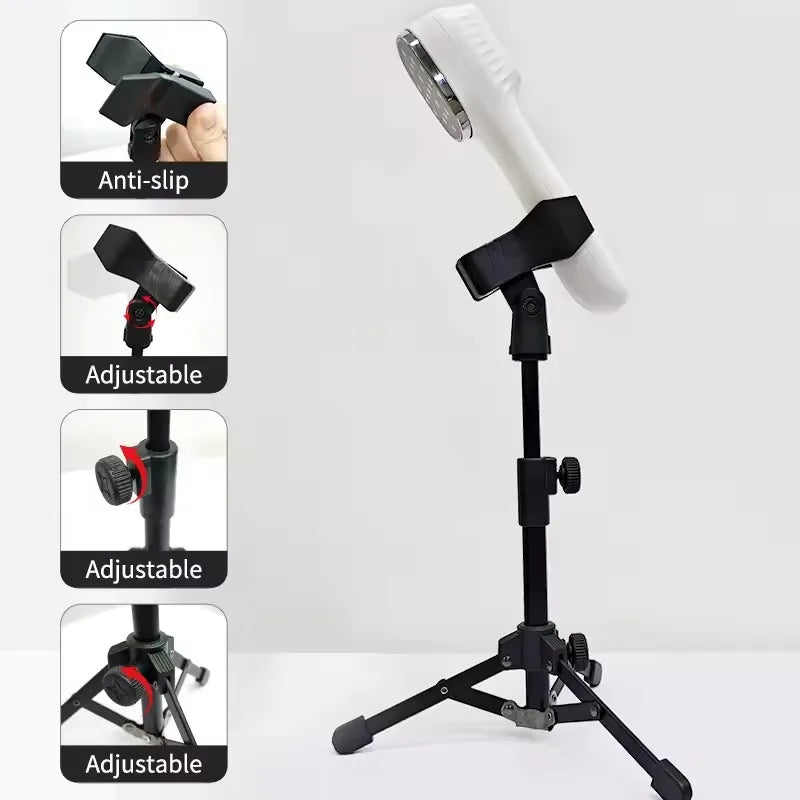
Red light therapy may support recovery, joint comfort, and inflammation management when used consistently.
Does red light therapy help inflammation?
Yes. Current research suggests that red light therapy can help reduce inflammation in certain tissues by supporting normal cellular repair, improving circulation, and influencing inflammatory signaling pathways. The strongest evidence exists for joint pain, muscle recovery, tendon injuries, and wound healing, although results vary depending on the condition and treatment protocol.
Rather than masking symptoms, red light therapy works by stimulating cellular energy production. This process may decrease inflammatory cytokines, improve blood flow, reduce oxidative stress, and support tissue healing over time. While many clinical studies report positive outcomes, researchers generally consider the evidence strongest for localized musculoskeletal conditions and still evolving for systemic chronic inflammation.
What current research shows
Human studies consistently demonstrate improvements in pain, swelling, recovery time, and physical function across several inflammatory conditions. However, treatment outcomes depend on wavelength, dosage, treatment frequency, and the underlying cause of inflammation.
Conditions with the strongest evidence
- Osteoarthritis and joint pain
- Muscle soreness after exercise
- Tendon and ligament injuries
- Soft tissue healing
- Inflammatory skin conditions
How red light therapy works for inflammation
Red light therapy, also called photobiomodulation, exposes tissues to specific wavelengths of red and near-infrared light. These wavelengths penetrate the skin and are absorbed by mitochondria, helping cells produce more usable energy while influencing several biological processes involved in inflammation.
Mitochondria and ATP production
Light energy stimulates cytochrome c oxidase inside mitochondria, increasing ATP production. Higher cellular energy allows damaged tissues to repair themselves more efficiently.
Nitric oxide release and circulation
Photobiomodulation promotes nitric oxide release, which improves blood flow and oxygen delivery. Better circulation helps remove inflammatory waste products while delivering nutrients needed for tissue repair.
Cytokine modulation
Research suggests red light therapy may decrease pro-inflammatory cytokines while supporting anti-inflammatory signaling, helping restore a healthier inflammatory balance.
Reducing oxidative stress
Oxidative stress contributes to persistent inflammation. Red light therapy may reduce excess reactive oxygen species, limiting cellular damage and supporting long-term tissue recovery.
What conditions may benefit from red light therapy
Joint pain and arthritis
Clinical studies suggest red light therapy may reduce joint inflammation, stiffness, and pain while improving daily function in people with osteoarthritis and similar conditions.
Muscle soreness and exercise recovery
Many athletes use red light therapy to reduce exercise-induced inflammation, decrease delayed onset muscle soreness, and support faster recovery between workouts.
Tendon and ligament injuries
Photobiomodulation may promote collagen production and improve healing in damaged connective tissue while reducing localized inflammation.
Skin inflammation and wound healing
Evidence supports improved healing in certain wounds and reduced inflammation associated with some skin disorders.
Chronic inflammatory conditions
Research is promising but remains limited for systemic inflammatory diseases. Red light therapy should complement—not replace—medical treatment when chronic disease is involved.
Acute vs. chronic inflammation: when red light therapy works best
Acute inflammation
Acute inflammation following exercise or minor injuries often responds well because treatment supports normal tissue repair during the healing process.
Chronic inflammation
Long-term inflammatory conditions may require ongoing treatment over several weeks or months. Improvements are typically gradual rather than immediate.
When results are less predictable
Inflammation caused by autoimmune disease, active infection, or serious underlying medical conditions should always be evaluated by a healthcare professional. Red light therapy is not a substitute for appropriate medical care.
What clinical studies say about red light therapy for inflammation
Human clinical evidence
Systematic reviews and randomized controlled trials generally report reductions in pain, swelling, and inflammatory markers across musculoskeletal conditions. Benefits appear most consistent when treatment protocols use clinically studied wavelengths and sufficient energy doses.
Strengths and limitations of current research
Although many findings are encouraging, studies often use different wavelengths, treatment schedules, and patient populations. Larger standardized trials are still needed before broad conclusions can be made for every inflammatory condition.
How this supports joint comfort and easier movement
Why reducing inflammation improves mobility
Inflamed joints often become stiff because swelling limits normal movement. As inflammation decreases, many people experience improved flexibility and greater comfort during everyday activities.
Benefits users often notice
- Less morning stiffness
- Reduced joint tenderness
- Improved range of motion
- Greater comfort during activity
For more wellness tools, browse Body Care and Health Devices .
Looking for targeted at-home support? Explore the Handheld Red Light Therapy Device for localized treatment sessions.
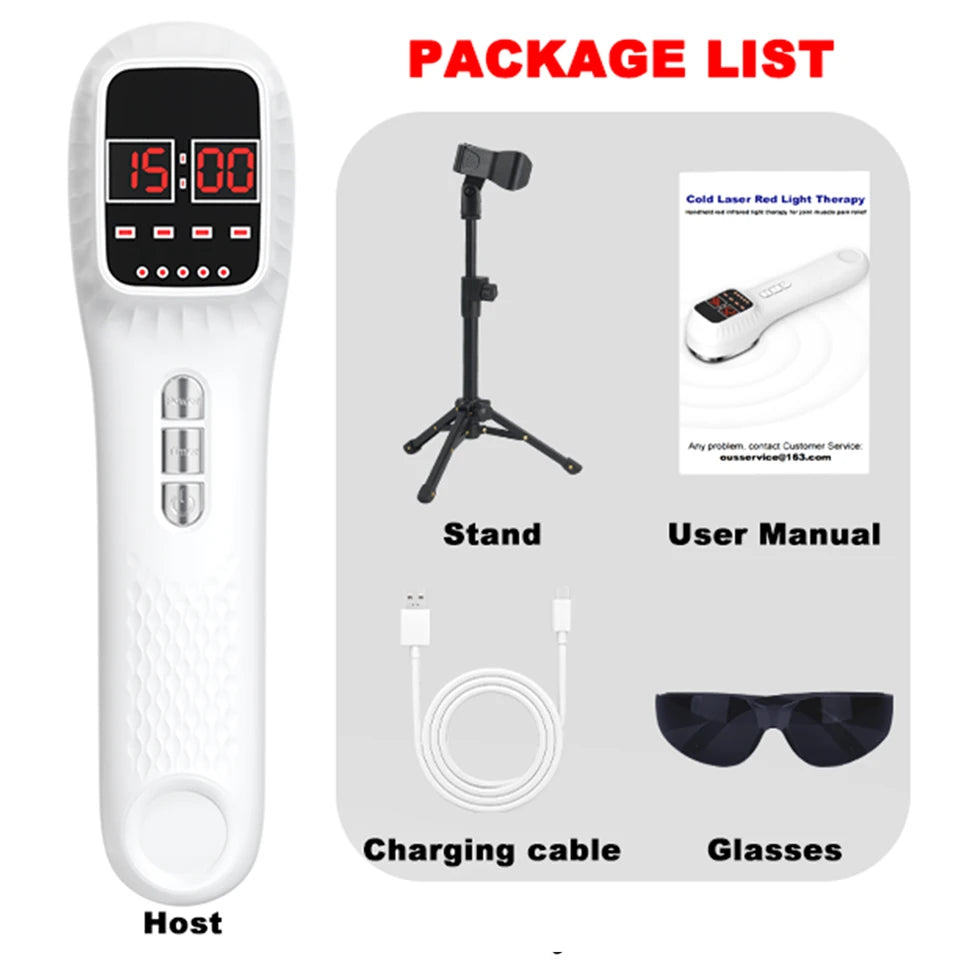
Targeted red and near-infrared light therapy can support recovery in joints and soft tissues.
How infrared light therapy supports muscle recovery
Reducing exercise-induced inflammation
Near-infrared wavelengths penetrate deeper tissues and may reduce inflammation following intense exercise, helping muscles recover more efficiently.
Recovery timeline
Many users notice reduced soreness within 24 to 72 hours after training, while consistent use over several weeks may produce greater recovery benefits.
Infrared light therapy for muscle recovery remains popular among athletes, active adults, and individuals seeking to maintain consistent training schedules.
Red light therapy compared with other inflammation treatments
Compared with ice and heat
Ice temporarily reduces swelling, while heat promotes circulation. Red light therapy aims to support cellular repair rather than simply changing tissue temperature.
Compared with NSAIDs
Anti-inflammatory medications can provide rapid symptom relief but may not be suitable for long-term use. Red light therapy offers a non-drug option that may complement medical treatment.
As part of a broader treatment plan
The best outcomes often occur when red light therapy is combined with exercise, physical therapy, healthy sleep, stress management, and appropriate medical care.
| Approach | Primary Benefit | Limitations |
|---|---|---|
| Ice Therapy | Temporary reduction in swelling | Short-term effects |
| Heat Therapy | Improves comfort and circulation | Not suitable for all inflammatory stages |
| NSAIDs | Rapid symptom relief | Potential side effects with long-term use |
| Red Light Therapy | Supports cellular repair and recovery | Requires consistency and appropriate dosing |
Is red light therapy safe for inflammation?
Who can safely use it
Red light therapy is generally considered safe when FDA-cleared devices are used according to manufacturer guidelines.
Possible side effects
Side effects are uncommon and usually mild, including temporary redness, warmth, or eye discomfort if appropriate eye protection is not used.
When to consult a healthcare provider
People with active cancer, unexplained swelling, serious infections, or photosensitivity disorders should consult their healthcare provider before beginning treatment.
How to use red light therapy for better results
Recommended wavelengths
Most research focuses on red light around 630–660 nm and near-infrared light around 810–850 nm.
Session duration
Most sessions last between 10 and 20 minutes depending on the treatment area and device output.
Treatment frequency
Many protocols recommend three to five sessions per week initially, followed by maintenance treatments as needed.
Expected timeline
Some people notice reduced soreness within days, while chronic inflammatory conditions often require several weeks of consistent treatment.
Explore more self-care tools in Lifestyle or beauty recovery favorites in Beauty & Self-Care Blog .
What real users often report
Common improvements
Many users describe gradual reductions in stiffness, pain, swelling, and recovery time after several weeks of consistent use.
Why experiences differ
Results vary depending on the underlying condition, treatment consistency, device quality, dosage, treatment area, and individual health factors.
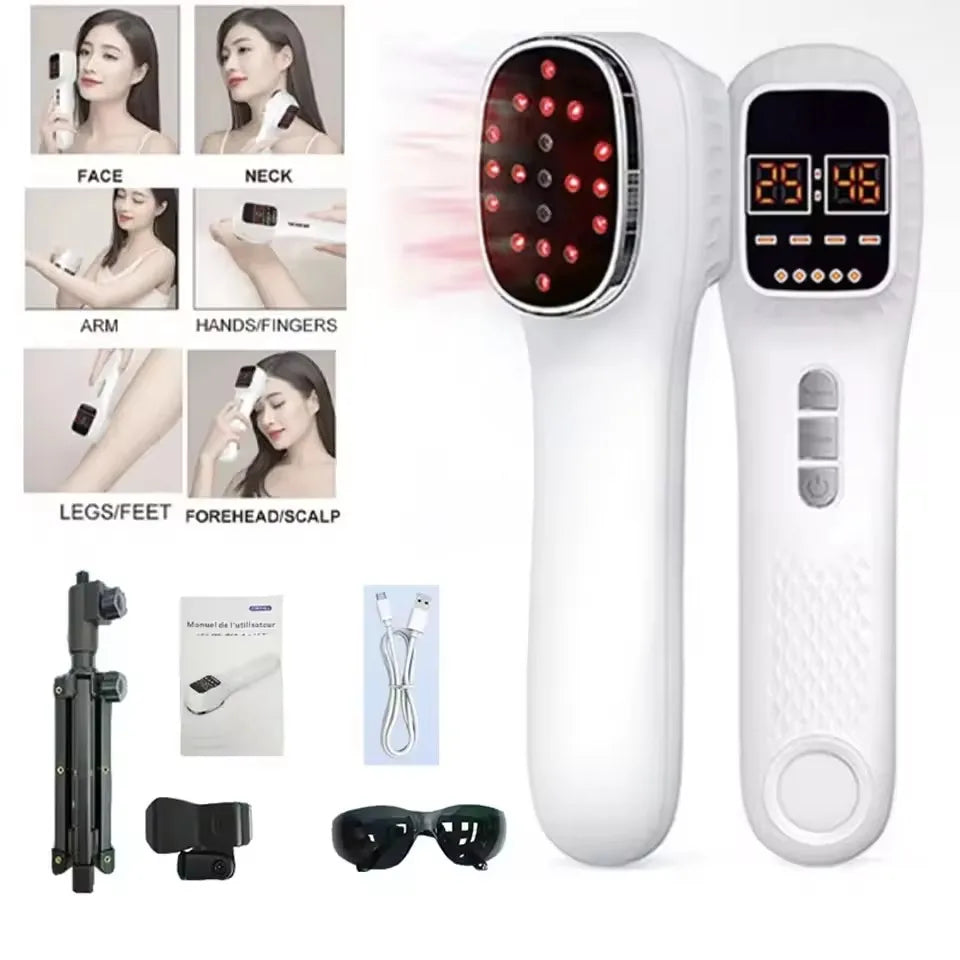
Consistent use may support recovery, reduce stiffness, and help maintain physical activity.
Interested in adding light therapy to your wellness routine? Learn more about the Handheld Red Light Therapy Device .
Frequently asked questions
Does red light therapy reduce inflammation?
Research suggests it may reduce inflammation in certain tissues by supporting cellular repair and regulating inflammatory pathways.
Can red light therapy reduce swelling?
Yes, localized swelling may decrease as circulation improves and tissue healing progresses.
Is red light therapy safe for inflammation?
Most healthy adults can safely use properly designed devices according to instructions.
Does it help chronic inflammation?
Evidence is promising but stronger for localized musculoskeletal inflammation than systemic inflammatory diseases.
Can it help joint pain?
Many clinical studies report reduced pain and improved mobility in people with osteoarthritis.
Does it work for muscle recovery?
Evidence suggests it may reduce soreness and accelerate recovery after strenuous exercise.
How long before results appear?
Acute soreness may improve within days, while chronic conditions often require several weeks.
Can I use it every day?
Many protocols allow daily treatment, although following manufacturer recommendations is advised.
Pillar Article: How Effective Is Red Light Therapy for Real Results
Other Related Articles:
Explore More:













