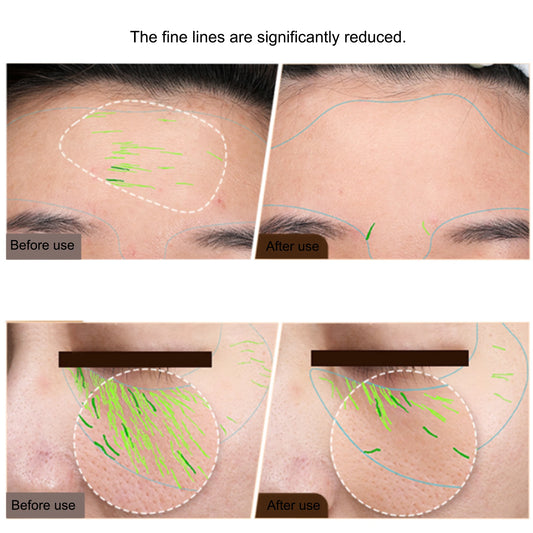
Does red light therapy for muscle growth really work?
Red light therapy for muscle growth may support better training results by improving muscle recovery, reducing inflammation, and enhancing cellular energy production. While current research suggests it is unlikely to build muscle on its own, it can help create better conditions for strength gains and hypertrophy when combined with consistent resistance training and proper nutrition.
Red Light Therapy for Muscle Growth: Does It Really Work for Recovery and Performance?
Red light therapy has become increasingly popular among athletes, bodybuilders, and fitness enthusiasts seeking faster recovery and improved performance. While it is not a shortcut to muscle growth, evidence suggests it may support recovery, reduce soreness, and help maintain training consistency over time.
⏱ 8 min read
Explore modern recovery tools designed for performance and convenience.
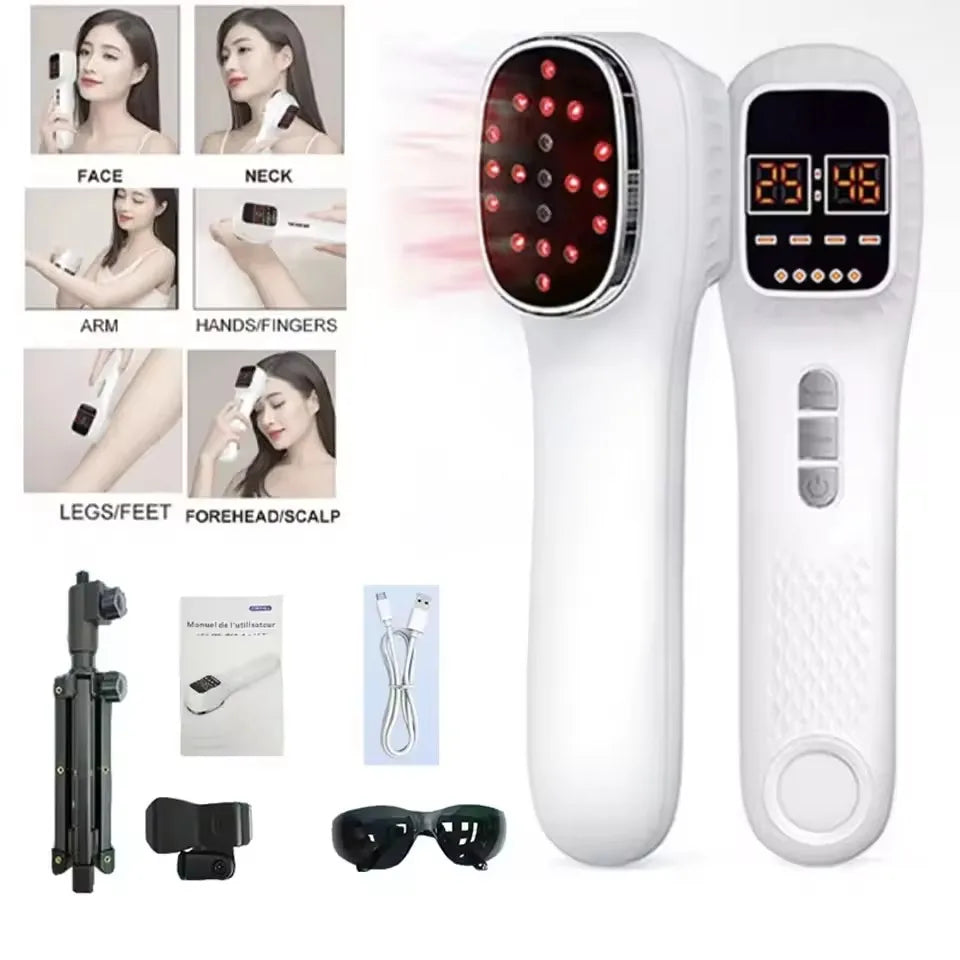
red light therapy for muscle growth improving recovery — see it in action
Which recovery method actually helps you grow stronger faster? Recovery science suggests that consistency—not intensity alone—often determines long-term performance gains.
Does red light therapy for muscle growth really work?
Red light therapy for muscle growth may support better training outcomes by improving muscle recovery, reducing inflammation, and enhancing cellular energy production. Current evidence suggests it works best as a recovery tool rather than a direct muscle-building intervention.
What current research says
Research indicates that red and near-infrared wavelengths may stimulate mitochondrial activity and increase ATP production within muscle cells. This process may improve recovery efficiency and reduce exercise-induced muscle damage.
Muscle growth vs muscle recovery
One of the most common misconceptions is that red light therapy directly builds muscle. In reality, its primary benefit appears to be supporting recovery between training sessions. Better recovery may allow more consistent training, which can contribute to improved muscle development over time.
For readers interested in understanding how training adaptations occur, exploring muscle hypertrophy principles alongside recovery strategies can provide additional context.
Realistic expectations
Most users experience gradual improvements in soreness, recovery time, and workout readiness rather than dramatic increases in muscle size. The strongest results occur when red light therapy complements structured exercise, adequate sleep, and proper nutrition.
How red light therapy works for muscles
Red light therapy uses specific wavelengths of visible red and near-infrared light that penetrate tissues and interact with muscle cells. These wavelengths stimulate biological processes associated with recovery and repair.
Cellular energy (ATP) production
Light energy absorbed by mitochondria may increase ATP production. ATP provides the energy required for muscle repair, recovery, and normal cellular function.
Reduced inflammation and oxidative stress
Exercise naturally generates inflammation and oxidative stress. Red light therapy may help regulate these responses, potentially supporting more efficient recovery.
Improved circulation and oxygen delivery
Enhanced blood flow can improve oxygen and nutrient delivery while assisting the removal of metabolic waste products following exercise.
Faster muscle repair after exercise
Together, these physiological responses may reduce soreness, shorten recovery periods, and improve readiness for subsequent training sessions.
Benefits of red light therapy for muscle recovery and growth
Recovery improvements typically occur before noticeable performance benefits. Consistent use may provide several complementary advantages.
Better muscle recovery after exercise
Many athletes report shorter recovery periods following intense strength or endurance training.
Reduced delayed onset muscle soreness (DOMS)
Lower soreness levels may help maintain consistent training schedules and improve exercise adherence.
Understanding the causes of delayed onset muscle soreness can help optimize both recovery strategies and training programs.
Improved exercise performance
Reduced fatigue and improved recovery may support higher-quality workouts throughout a training cycle.
Support for muscle growth over time
Although red light therapy does not directly increase muscle mass, improved recovery may contribute to better long-term training adaptations.
Benefits for athletic recovery
- Reduced muscle fatigue
- Improved flexibility
- Greater training consistency
- Enhanced post-workout recovery
- Potential reduction in recovery time
| Benefit | What It Means for You |
|---|---|
| Faster Recovery | Train more frequently without excessive fatigue |
| Reduced Soreness | Less downtime after intense workouts |
| Better Circulation | Improved nutrient delivery to muscles |
| Enhanced Repair | Supports long-term training consistency |
Many fitness-focused users now integrate devices from Body Care and Health Devices into their daily recovery routine.
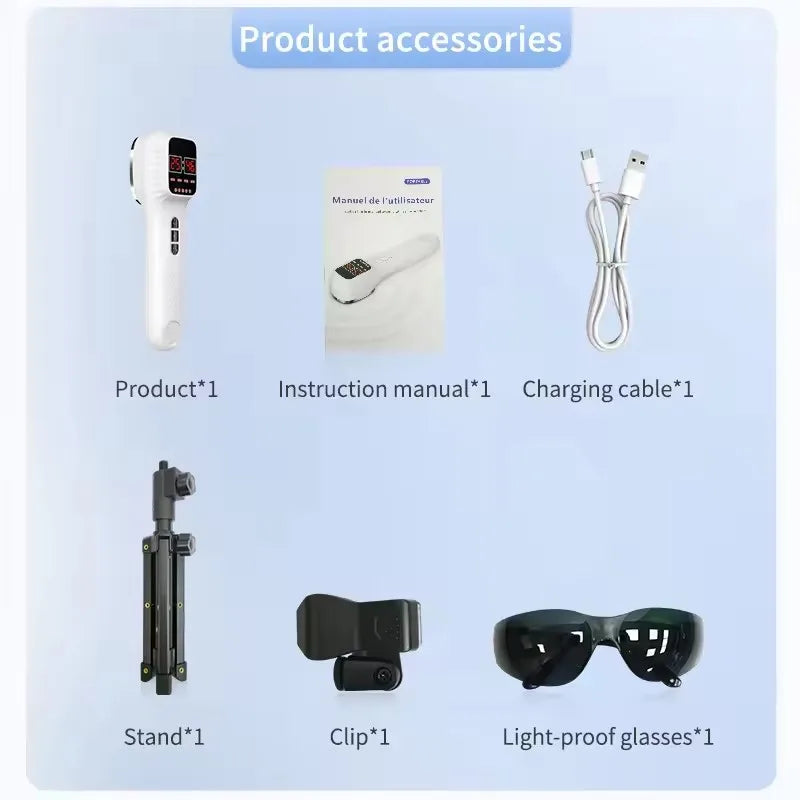
LED infrared therapy device for muscle recovery improving circulation — see it in action
Does red light therapy help muscle growth or only recovery?
The strongest scientific evidence currently supports red light therapy for muscle recovery rather than direct muscle growth. However, recovery and muscle development remain closely connected.
Direct effects on hypertrophy
Current evidence does not demonstrate that red light therapy alone produces meaningful muscle growth without resistance exercise.
Indirect performance benefits
By reducing soreness and improving recovery efficiency, users may train harder and more frequently, creating better conditions for muscle growth.
What athletes should expect
Red light therapy should be viewed as a recovery tool that complements progressive overload, nutrition, hydration, and sleep rather than replacing them.
Red light therapy before or after workout?
Benefits before exercise
Some athletes use red light therapy before training to improve circulation, prepare muscles, and potentially reduce fatigue.
Benefits after exercise
Post-workout sessions are commonly used to support tissue repair and reduce soreness following strenuous exercise.
Which timing is best?
Both approaches may provide benefits, although post-workout use currently has stronger support for recovery applications.
Combining red light therapy with a structured workout recovery routine may help maximize training consistency.
How to use red light therapy for muscle recovery
Treatment duration
Most treatment sessions last between 10 and 20 minutes depending on the device and target area.
Frequency
Using red light therapy three to five times weekly is common, although some athletes use it daily during periods of intense training.
Distance from the device
Follow manufacturer recommendations to ensure adequate light intensity reaches the targeted tissues.
Targeting major muscle groups
Focus treatment on muscles used during training, such as the quadriceps, hamstrings, chest, shoulders, or back.
Common mistakes to avoid
- Using inconsistent treatment schedules
- Expecting immediate muscle growth
- Neglecting nutrition and sleep
- Using incorrect treatment distances
Reviewing general red light therapy safety guidelines can help ensure effective and consistent treatment sessions.
Red light therapy vs traditional recovery methods
Red light therapy works best when combined with established recovery strategies rather than replacing them.
Stretching
Stretching primarily improves flexibility and mobility, while red light therapy focuses on cellular recovery processes.
Massage therapy
Massage addresses muscle tension mechanically, whereas red light therapy targets cellular repair mechanisms.
Ice baths
Cold exposure temporarily reduces inflammation, while red light therapy may support tissue repair without lowering tissue temperature.
Compression therapy
Compression therapy primarily supports circulation and can complement red light therapy effectively.
When combining methods makes sense
Many athletes combine red light therapy with sleep optimization, protein intake strategies, stretching, massage, hydration, and structured training programs.
| Method | Primary Benefit | Limitations |
|---|---|---|
| Stretching | Mobility and flexibility | Limited impact on tissue repair |
| Massage | Muscle relaxation | Can be expensive and time-consuming |
| Ice Baths | Short-term inflammation reduction | Uncomfortable for many users |
| Compression | Circulation support | Limited direct repair effects |
| Red Light Therapy | Cellular recovery support | Requires consistency |
Is red light therapy effective for slow muscle recovery after exercise?
If muscles remain sore for several days after exercise, recovery may be limited by training load, sleep quality, nutrition, hydration, or stress. Red light therapy may help support recovery but should not replace addressing these underlying factors.
Causes of delayed recovery
- Insufficient sleep
- Low protein intake
- Excessive training volume
- Dehydration
- High stress levels
Who benefits most
Competitive athletes, recreational exercisers, older adults, and individuals returning to training may experience meaningful recovery benefits.
When to seek medical advice
Persistent pain, swelling, weakness, or prolonged recovery beyond normal expectations should be evaluated by a healthcare professional.
Choosing an LED or infrared therapy device for muscle recovery
Red vs near-infrared wavelengths
Red light primarily affects superficial tissues, while near-infrared wavelengths penetrate deeper muscle layers.
Power output
Higher irradiance levels may reduce treatment time when used appropriately.
Treatment coverage
Larger treatment areas can improve efficiency when targeting major muscle groups.
Safety certifications
Choose devices from reputable manufacturers that provide safety testing, treatment guidance, and transparent specifications.
Consulting a detailed red light therapy device buying guide can help identify the most appropriate device for your recovery goals.
What results can you realistically expect?
First week
Some users notice reduced soreness and improved readiness for subsequent workouts.
After one month
Consistent use may contribute to faster recovery and improved training consistency.
Long-term consistency
The greatest benefits are typically observed when red light therapy becomes part of a long-term recovery strategy alongside exercise, nutrition, hydration, and adequate sleep.
Following a consistent red light therapy treatment schedule often produces better outcomes than occasional use.
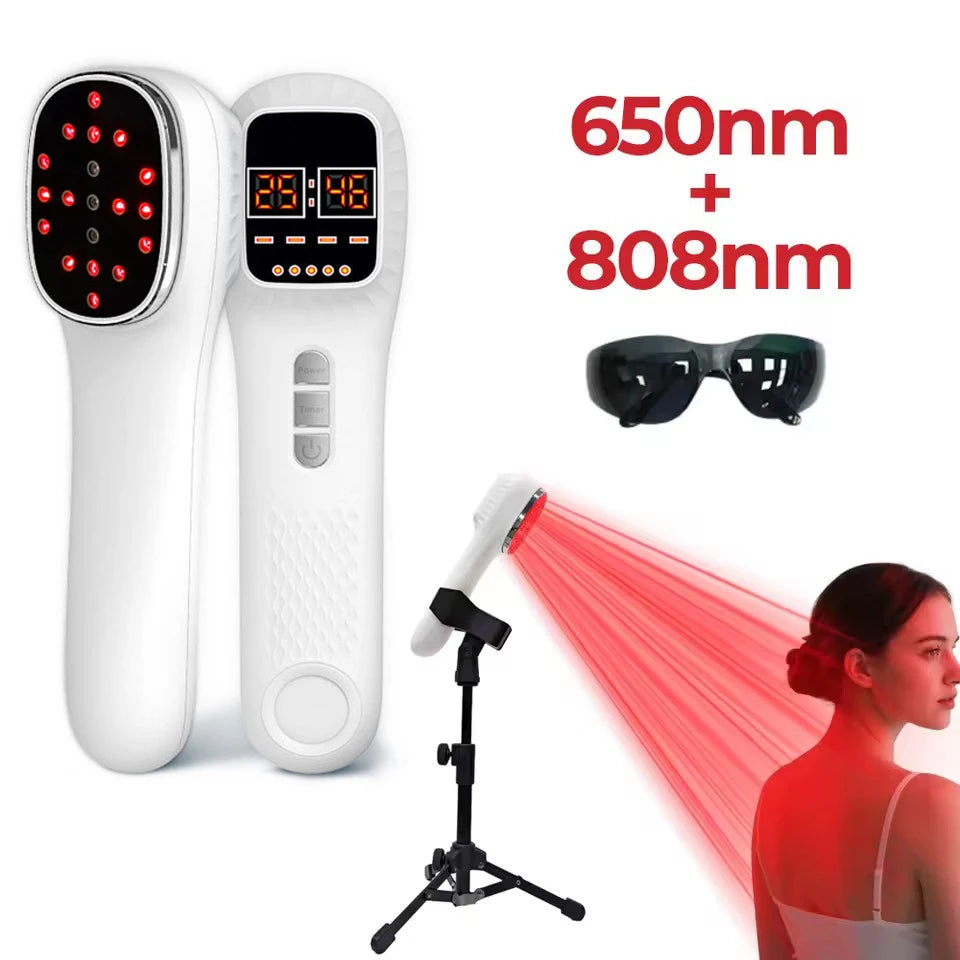
red light therapy for muscle recovery effectiveness in real use — see it in action
Frequently Asked Questions
Does red light therapy help muscle recovery?
Research suggests it may reduce soreness and improve recovery by supporting cellular repair processes and regulating inflammation after exercise.
Does red light therapy help muscle growth?
It may indirectly support muscle growth through improved recovery and training consistency but does not replace resistance exercise.
Should I use red light therapy before or after workout?
Both timings may offer benefits, although post-workout use currently has stronger evidence supporting recovery improvements.
How often should I use red light therapy?
Most users apply red light therapy three to five times weekly, depending on their training intensity and device instructions.
Can I use it every day?
Many healthy adults can safely use red light therapy daily when following manufacturer recommendations.
Is infrared therapy better than red light?
Near-infrared wavelengths penetrate deeper muscle tissue, while red light targets more superficial tissues. Many devices combine both technologies.
Can red light therapy replace exercise?
No. Red light therapy is a recovery tool and cannot replace resistance training or physical activity.
Are there any side effects?
Red light therapy is generally considered safe when used as directed, although users should follow device-specific safety recommendations.
Pillar Article: How Effective Is Red Light Therapy for Real Results
Other Related Articles:
Explore More: