

Does red light therapy really work?
How effective red light therapy is depends on wavelength, consistency, and device quality. Clinical studies show it can improve skin tone, reduce inflammation, and support muscle recovery when used regularly over weeks. Results are measurable but gradual, making proper usage and reliable devices essential for visible, lasting outcomes.
⏱ 12 min read
How Effective Is Red Light Therapy? Evidence, Results, and What Science Says
Struggling with slow skin improvements, stubborn soreness, or treatments that promise results but deliver little? Many people ask how effective red light therapy is when real change—not hype—is the goal. The answer depends on evidence-based usage, device quality, and consistency. When applied correctly, it can support measurable improvements in skin clarity, recovery, and overall tissue health.
Explore advanced tools in the Body Care and Health Devices collection designed to support real, visible results.
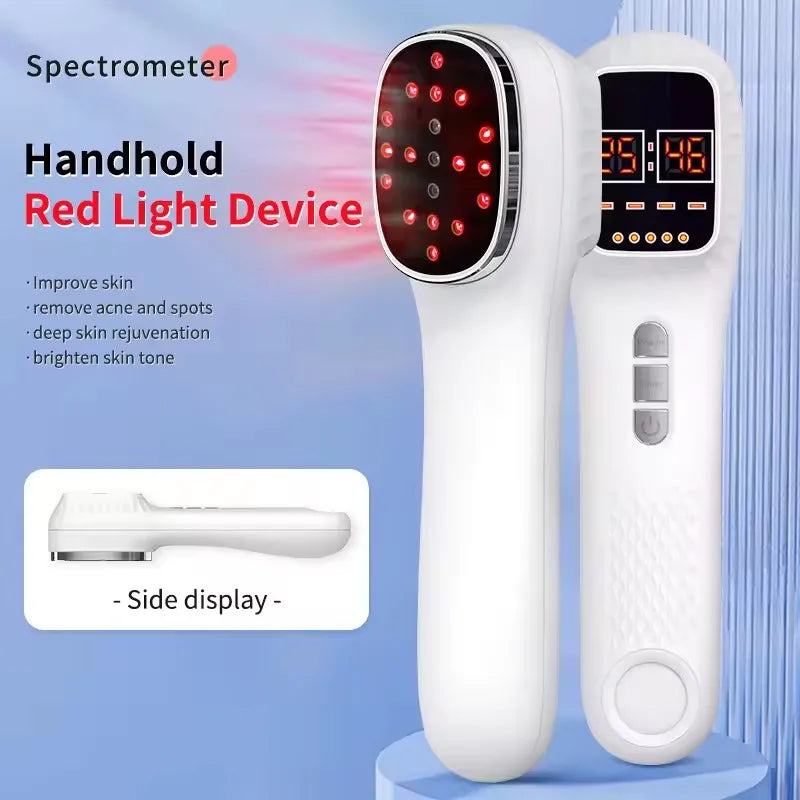
Real results depend on consistent use and device quality — see how red light therapy works in practice
Which results matter most to you—faster recovery, smoother skin, or reduced inflammation? Understanding the science helps set realistic expectations.
How Effective Is Red Light Therapy? A Quick Evidence Summary
Current research suggests that red light therapy can be effective for several health and wellness applications when the correct wavelength, dose, and treatment schedule are used consistently. Scientific evidence is strongest for improving certain skin conditions, reducing musculoskeletal pain, supporting wound healing, and enhancing muscle recovery.
Conditions With Strong Clinical Evidence
- Skin rejuvenation and collagen production
- Temporary relief of joint and muscle pain
- Exercise recovery and reduced muscle soreness
- Support for wound healing
Conditions With Moderate or Emerging Evidence
- Hair growth
- Inflammatory skin conditions
- Peripheral nerve recovery
- Certain chronic pain disorders
Claims That Still Need More Research
- Weight loss
- General anti-aging claims
- Hormonal balance
- Whole-body wellness claims
How Red Light Therapy Works at a Cellular Level
Red light therapy uses specific wavelengths of red and near-infrared light to stimulate photobiomodulation. Light energy is absorbed by mitochondria, which may improve cellular energy production, reduce oxidative stress, and support tissue repair.
Photobiomodulation and Mitochondrial Function
Rather than creating new cells, red light helps existing cells function more efficiently. This may support collagen synthesis, reduce inflammation, and enhance natural healing processes.
Why Treatment Parameters Matter
Clinical outcomes depend on wavelength, irradiance, treatment duration, distance from the device, and consistency. Insufficient exposure may produce minimal results, while excessive exposure does not necessarily improve outcomes.
What Do Red Light Therapy Studies Show?
Clinical research varies depending on the condition being treated. Stronger evidence comes from controlled trials using standardized protocols.
Skin Rejuvenation
Studies show improvements in skin texture, collagen production, and fine lines after consistent use over several weeks.
Pain Relief
Research supports modest reductions in joint and muscle pain, particularly when combined with rehabilitation or exercise.
Muscle Recovery
Evidence suggests reduced delayed-onset muscle soreness and improved recovery following intense physical activity.
Wound Healing
Some studies indicate faster tissue repair, although treatment protocols vary widely.
Hair Growth
Controlled trials show increased hair density in individuals with pattern hair loss using low-level light therapy devices.
Overall Quality of Clinical Evidence
While results are promising, differences in device specifications and study design limit direct comparison. Larger standardized trials are still needed.
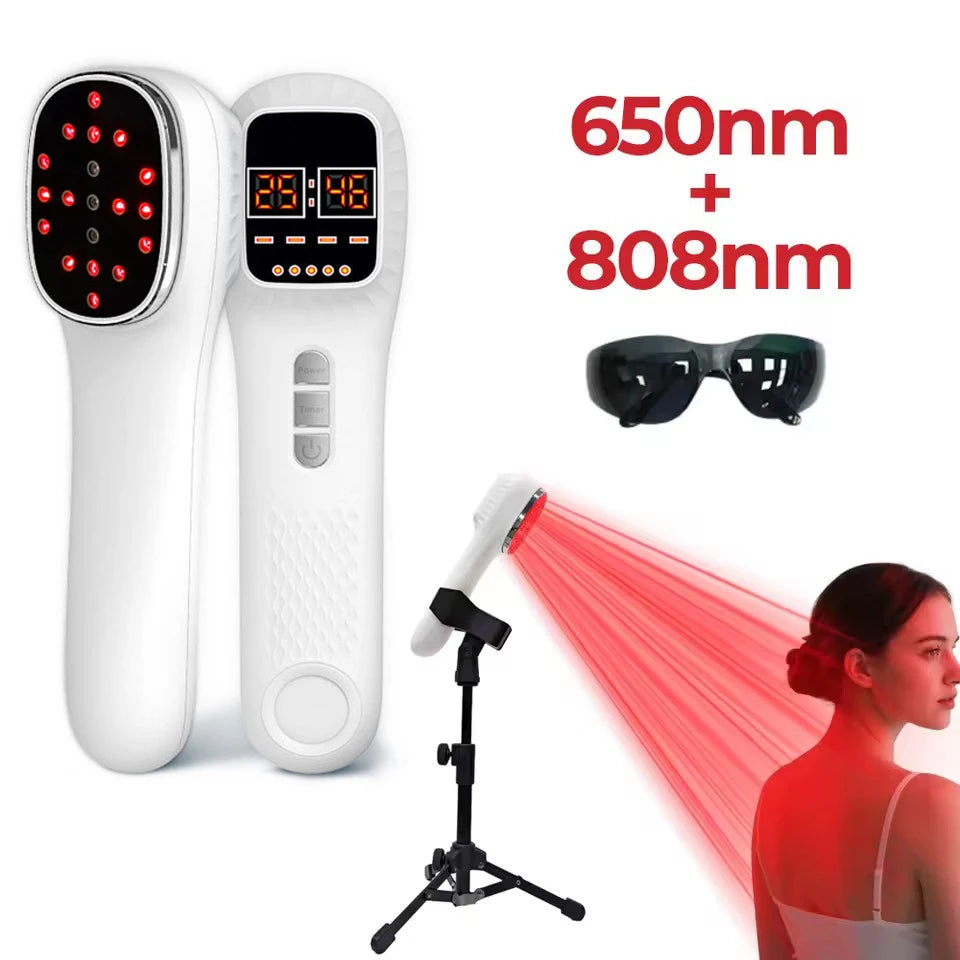
Clinical outcomes improve with consistent use and proper parameters
Factors That Affect Red Light Therapy Effectiveness
Results depend on several technical and behavioral factors.
Wavelength
Most research supports wavelengths between 630–670 nm and 810–850 nm for different therapeutic goals.
Irradiance and Dose
Both intensity and total energy delivered influence biological effectiveness.
Treatment Frequency
Typical protocols involve three to five sessions per week.
Consistency
Regular use over weeks is required for visible improvements.
Device Quality
Devices with verified output and specifications are more likely to replicate clinical results.
How Long Does Red Light Therapy Take to Work?
Timelines vary based on treatment goals and individual factors.
Expected Timeline by Treatment Goal
- Temporary pain relief: after several sessions
- Exercise recovery: within days to weeks
- Skin improvements: typically 8–12 weeks
- Hair growth: often 3–6 months
- Wound healing: varies by severity
Why Results Differ Between People
Age, health status, lifestyle, and adherence to treatment schedules all influence outcomes.
Red Light Therapy Benefits by Condition
Skin Health
May improve collagen production, elasticity, and overall skin appearance.
Joint and Muscle Pain
Can help reduce inflammation and temporarily relieve discomfort.
Sports Recovery
May decrease muscle soreness and support faster recovery.
Hair Growth
Certain devices show measurable improvements in hair density.
Wound Recovery
May support natural healing when used alongside appropriate care.
How Device Quality Impacts Results
What Makes an Effective Device
High-quality devices provide accurate wavelength output, consistent irradiance, and clear treatment guidelines.
Explore a proven option here: handheld red light therapy device
Why Cheap Devices Often Underperform
- Insufficient power output
- Inconsistent wavelengths
- Lack of testing or certification
- Unreliable performance
Red Light Therapy for Muscle Recovery
What Athletes Can Expect
Red light therapy is commonly used before or after workouts to reduce soreness and support recovery.
Current Research Findings
Studies suggest improved muscle performance and reduced soreness when applied consistently with proper dosing.
Red Light Therapy vs Other Treatment Options
Compared With Heat Therapy
Heat improves circulation, while red light therapy targets cellular processes.
Compared With Ice Therapy
Ice reduces acute inflammation, whereas red light supports longer-term recovery.
Compared With Professional Skin Treatments
Professional treatments may deliver faster results, but red light therapy offers a gentler, non-invasive alternative.
How to Use Red Light Therapy for Best Results at Home
Session Length
Follow device-specific guidelines, typically 10–20 minutes.
Distance From Device
Maintain recommended positioning to ensure effective exposure.
Weekly Schedule
Most protocols suggest three to five sessions weekly.
Common Mistakes
- Inconsistent usage
- Incorrect distance
- Expecting immediate results
- Using low-quality devices
Start your routine today with the handheld red light therapy device and experience visible improvements.
Who Is Most Likely to Benefit—and When It May Not Work
Ideal Candidates
People seeking support for mild skin aging, muscle recovery, temporary pain relief, or early-stage hair loss.
Situations Where Results May Be Limited
Advanced conditions, severe tissue damage, or unsupported claims may show limited improvement. It should not replace medical care.
Safety, Side Effects, and Precautions
Is Daily Use Safe?
Generally safe when used according to instructions.
Contraindications
Individuals with photosensitivity or on certain medications should consult a professional.
Eye Protection
Protective eyewear is recommended when treating areas near the eyes.
Is Red Light Therapy Worth It?
For users following evidence-based protocols, red light therapy can provide meaningful long-term benefits. Results are gradual but measurable.
Home Devices vs Professional Treatments
Professional treatments offer higher intensity, while home devices provide convenience and consistency.
Cost vs Expected Results
Value depends on device quality and long-term commitment to regular use.
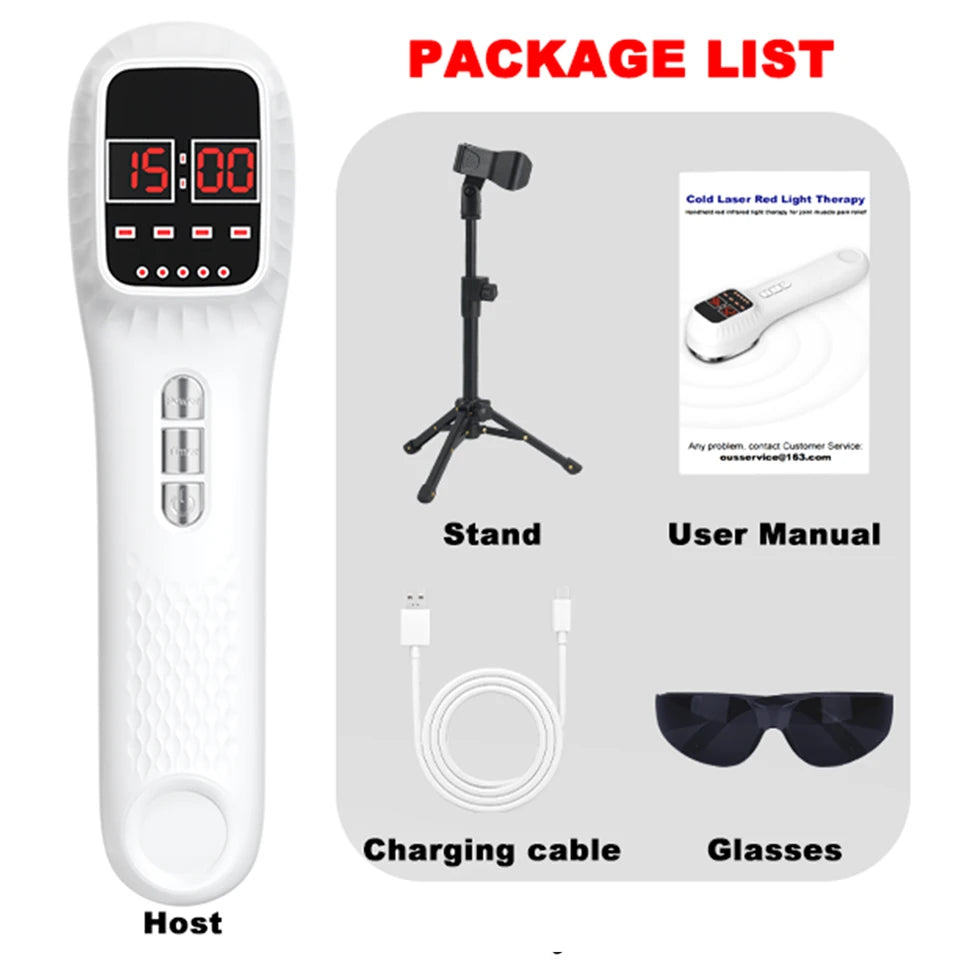
Consistent use with quality devices leads to measurable improvements
Frequently Asked Questions
How long does red light therapy take to work?
Many users notice gradual improvements after several weeks, depending on the condition.
Does red light therapy actually work for everyone?
No. Results vary based on condition, usage, and individual response.
Can red light therapy replace medical treatment?
No. It should be used as a complementary therapy.
What wavelength works best?
Different wavelengths are used depending on whether the target is skin or deeper tissue.
Is red light therapy worth it?
It can be worthwhile for evidence-supported conditions when used consistently with a high-quality device.
Related Articles:
- Does Red Light Therapy Help Inflammation? Benefits Breakdown
- Red Light Therapy for Muscle Growth: Key Benefits Explained
Pillar Articles:













