

Ease Muscle Tension Fast: How Red Light Therapy Works, Benefits & Best Use Cases
If you’re looking for ways to ease muscle tension, red light therapy offers a non-invasive recovery approach that may help support tight muscles, post-workout soreness, and stiffness caused by everyday strain. By using specific red and near-infrared wavelengths to influence cellular activity, circulation, and recovery processes, it can complement stretching, mobility exercises, and posture improvements.
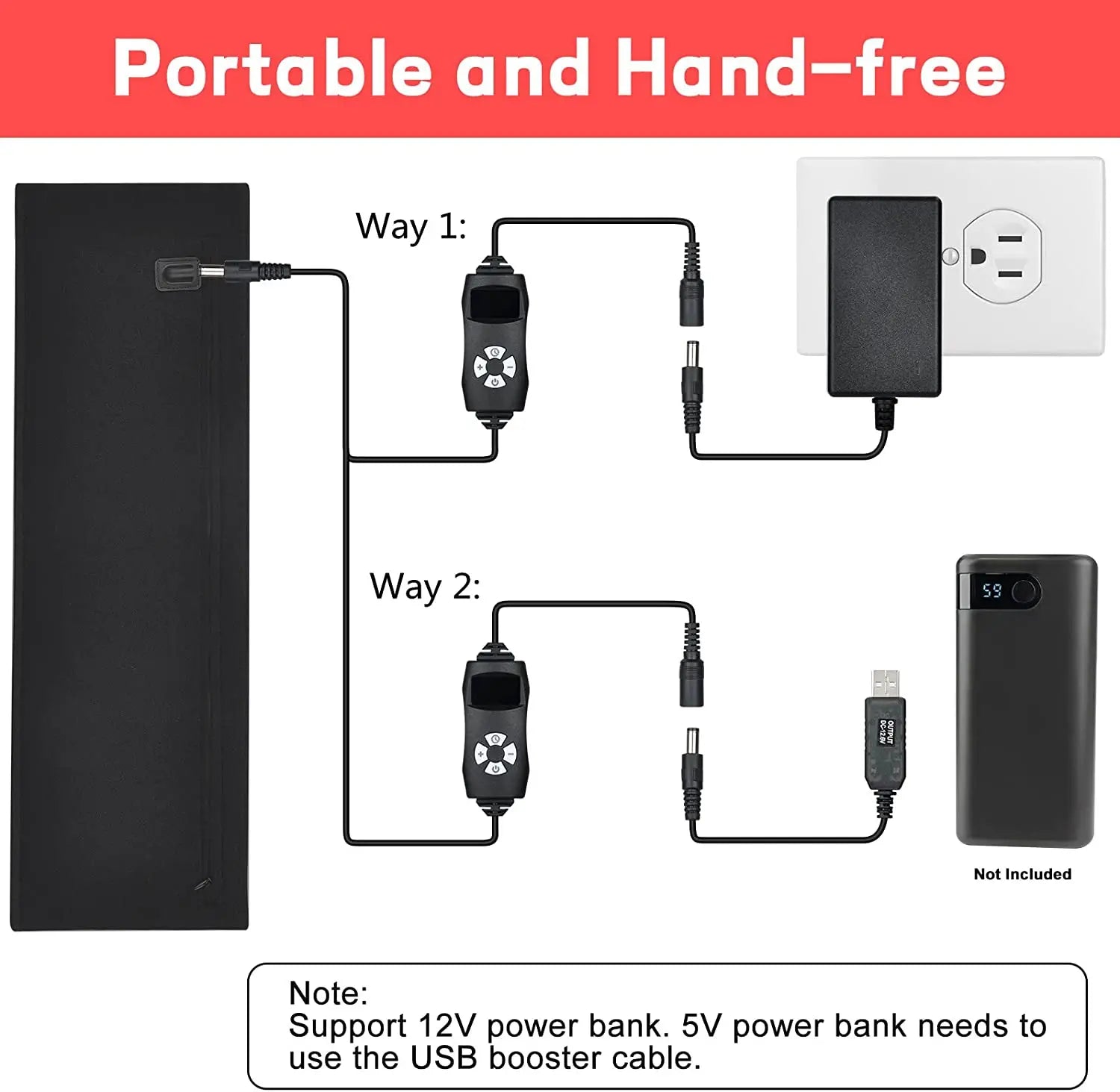
Ease muscle tension and chronic tight back muscles with KentDO See it in action
Quick Answer: Does Red Light Therapy Help Muscle Tension?
Yes, red light therapy may help support muscle recovery and reduce discomfort related to tightness, soreness, and stiffness. Research into photobiomodulation suggests that red and near-infrared light may influence cellular energy production, circulation, and inflammatory responses involved in muscle recovery.
However, results vary from person to person. Red light therapy for muscle tension is not a guaranteed cure and works best as a complementary tool alongside movement, stretching, strength training, and healthy recovery habits.
Red light wavelengths around 630–660nm and near-infrared wavelengths around 810–850nm are commonly used in recovery devices. The ideal wavelength depends on the device design, treatment area, and recommended protocol.
What Causes Muscle Tension and Why It Becomes Chronic
Muscle tension often begins as a temporary response to physical stress, repetitive movement, poor posture, or emotional stress. While occasional tightness usually improves with rest and movement, repeated strain can contribute to persistent stiffness.
Common Triggers of Muscle Tension
- Prolonged sitting or poor posture: Long periods at a desk can increase tension in the neck, shoulders, and upper back.
- Stress and daily tension: Stress may contribute to unconscious muscle tightening.
- Overtraining or repetitive exercise: Intense workouts without enough recovery can increase soreness and stiffness.
- Limited mobility: Lack of stretching and movement can reduce flexibility.
- Repeated physical tasks: Work-related movements can create localized muscle strain.
Why Tight Muscles Can Become Persistent
When muscles are repeatedly exposed to stress without enough recovery, they may remain uncomfortable and restricted. Poor movement patterns, reduced activity, and continued strain can create a cycle of tightness and reduced mobility.
Chronic muscle tension relief methods may include exercise, mobility work, massage, professional care, and supportive recovery tools such as red light therapy. Persistent, severe, unexplained, or worsening pain should be evaluated by a healthcare professional.
How Red Light Therapy Works on Tight Muscles
Red light therapy, also called photobiomodulation, uses specific wavelengths of light to support biological processes within cells. Instead of relying on pressure or heat, it uses light energy to influence cellular activity.
Red Light vs Near-Infrared Wavelengths
Red light, commonly around 630–660nm, is often used for surface-level applications. Near-infrared light, typically around 810–850nm, has longer wavelengths and is commonly selected for muscle recovery applications.
Although near-infrared light is often described as reaching deeper tissues, actual penetration varies depending on device power, wavelength, treatment design, and individual tissue characteristics.
Cellular Energy and Mitochondrial Activity
Red light therapy may interact with mitochondria, the energy-producing structures inside cells. This process may support ATP production, which provides energy needed for normal cellular function and recovery.
Circulation, Oxygen Delivery, and Inflammation
Photobiomodulation may support circulation and influence inflammatory pathways associated with recovery after physical stress. These effects may help create a more supportive environment for muscle repair.
What This May Mean for Muscle Recovery
For people experiencing tight muscles from workouts, posture habits, or daily activities, red light therapy may support comfort and mobility when combined with active recovery strategies.
Does Red Light Therapy Really Work for Muscle Tension?
What Current Research Suggests
Current research suggests red light therapy may be beneficial for certain aspects of muscle recovery, including exercise-related soreness and fatigue. However, results depend on factors such as treatment timing, dosage, wavelength, and individual response.
Muscle tension, delayed onset muscle soreness (DOMS), and chronic pain are different issues. A therapy that helps workout recovery may not address every cause of ongoing discomfort.
What Results You Can Realistically Expect
Some people notice temporary improvements in comfort or relaxation after early sessions, while others may need consistent use over several weeks. The goal is usually gradual support rather than immediate elimination of tension.
Key Benefits of Red Light Therapy for Muscle Tension
May Support Muscle Relaxation
Red light therapy may support the recovery process that allows muscles to return to a more comfortable state after activity or prolonged tension.
May Reduce Soreness and Stiffness
Regular sessions may help improve comfort associated with muscle soreness and stiffness, especially when combined with proper recovery habits.
May Support Post-Workout Recovery
Many active individuals use red light therapy as part of a post-workout routine to support recovery after physical activity.
May Help Manage Muscle Discomfort
For tight shoulders, upper back stiffness, and other common tension areas, red light therapy may provide additional support alongside stretching and mobility work.
Best Wavelengths for Muscle Tension: Red Light vs Near-Infrared
Red Light Around 630–660nm
Red light in this range is commonly used in home devices designed for targeted treatment areas and general photobiomodulation applications.
Near-Infrared Light Around 810–850nm
Near-infrared light is frequently used for muscle recovery because longer wavelengths may provide greater tissue exposure compared with visible red light.
Which Wavelength Is Better for Muscle Tension?
There is no universally best wavelength for everyone. Devices that combine red and near-infrared wavelengths are popular because they provide multiple treatment options. Always follow the specifications and instructions of the device being used.
Best Use Cases for Muscle Tension Relief
Neck and Shoulder Tension
Neck and shoulder tightness is common among people who spend long hours sitting, driving, or working at computers. Red light therapy may complement posture correction and gentle mobility exercises.
Upper Back Tightness
Chronic tight upper back muscles often develop from repetitive positioning and limited movement. Targeted light therapy sessions may support relaxation and recovery.
Lower Back Muscle Tension
Red light therapy may help support comfort for muscle-related lower back stiffness. It is important to distinguish muscle tension from nerve-related symptoms or joint problems.
Post-Workout Soreness and Stiffness
Red light therapy is often used after exercise to support recovery from temporary soreness and fatigue.
Joint-Area Muscle Tightness
When muscles around joints feel restricted, light therapy may complement mobility exercises designed to maintain comfortable movement.
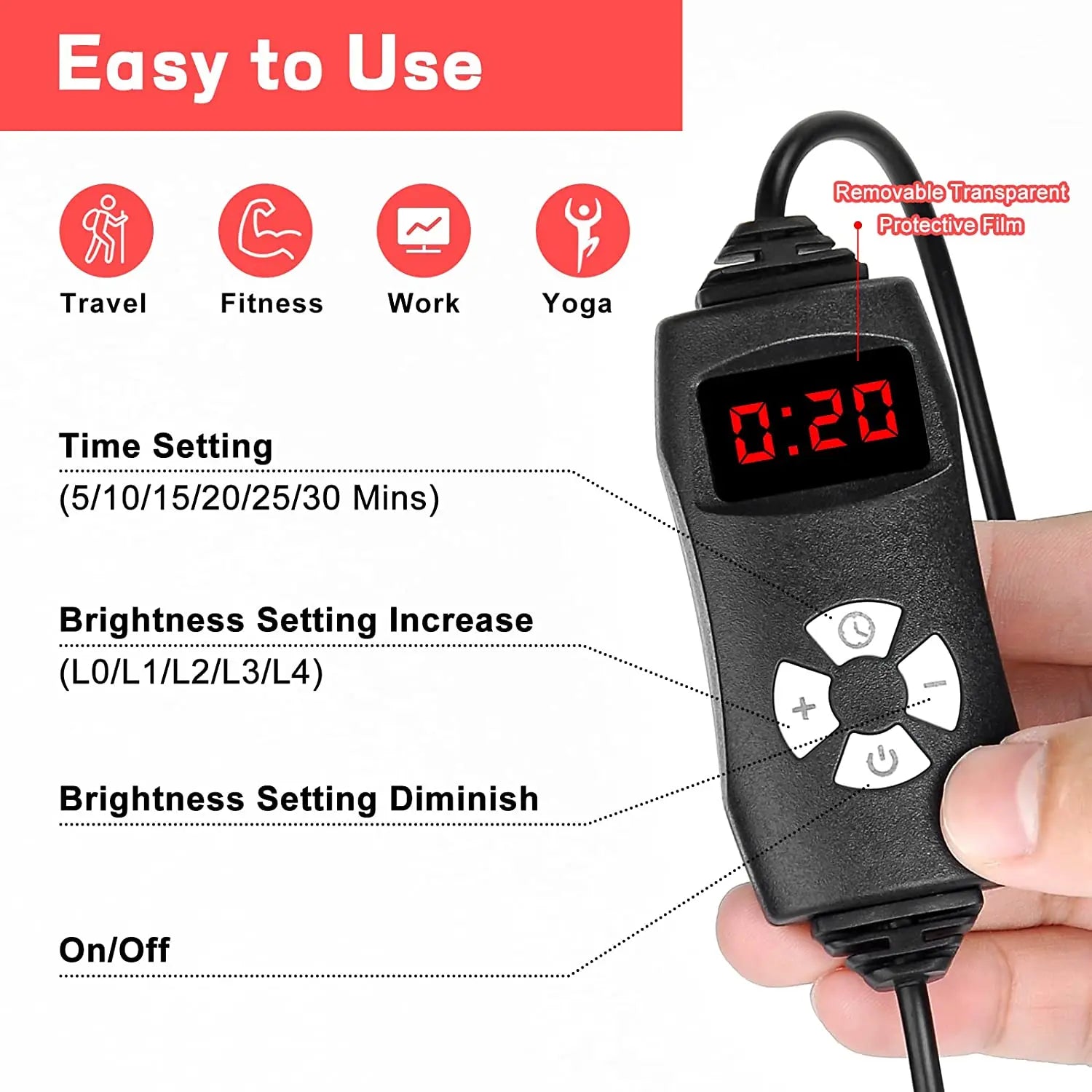
Target chronic tight back muscles efficiently with KentDO See it in action
How to Use Red Light Therapy for Muscle Tension: Step-by-Step
Choose the Right Treatment Area
Identify the muscles that feel tight and position the device so the affected area receives direct exposure.
Position the Device at the Recommended Distance
Follow the manufacturer’s instructions for placement distance. Device intensity and design determine the recommended positioning.
Set Session Duration and Frequency
- Many devices recommend sessions around 10–20 minutes per treatment area.
- Frequency may range from several times per week depending on the device and personal response.
Choose the Best Time to Use It
- Before exercise: May help prepare muscles before movement.
- After exercise: Commonly used to support recovery.
- During relaxation routines: Can pair well with stretching or mobility work.
Track Your Response and Adjust Gradually
Monitor changes in stiffness, comfort, and mobility. Avoid increasing session length beyond recommended guidelines in an attempt to speed up results.
How Long Does Red Light Therapy Take to Relieve Muscle Pain?
What You May Notice After the First Sessions
Some users notice changes in comfort or relaxation after early treatments, but immediate results are not guaranteed.
Why Consistent Use May Matter
Photobiomodulation typically relies on repeated exposure. Consistent use may provide better insight into whether it supports your individual recovery needs.
When to Reassess Your Results
If symptoms do not improve, become worse, or interfere with daily activities, consider changing your approach or seeking professional advice.
Red Light Therapy vs Massage, Heat, Stretching, and Physical Therapy
| Method | How It Works | Best Use | Limitations |
|---|---|---|---|
| Red Light Therapy | Uses light wavelengths to support cellular recovery | Muscle recovery and ongoing stiffness support | Results vary between individuals |
| Massage | Uses manual pressure and movement | Temporary relaxation and targeted tightness | May require appointments or assistance |
| Heat Therapy | Uses warmth to increase comfort | Temporary relief of muscle tightness | Does not address all causes of tension |
| Physical Therapy | Uses assessment and customized exercises | Injuries, movement limitations, underlying issues | Requires professional guidance |
Red Light Therapy vs Massage
Massage may provide immediate hands-on relaxation, while red light therapy focuses on supporting cellular recovery. Many people combine both approaches.
Red Light Therapy vs Heat Therapy
Heat can temporarily relax muscles, while red light therapy works through different biological mechanisms related to recovery support.
Red Light Therapy vs Stretching and Mobility
Stretching and mobility exercises address movement quality and flexibility. Red light therapy works best as an addition rather than a replacement.
When Physical Therapy May Be More Appropriate
Professional evaluation may be more suitable for injuries, persistent pain, movement restrictions, or symptoms suggesting a deeper issue.
Can You Combine These Approaches?
Yes. Combining recovery methods can create a more complete strategy depending on the cause of muscle tension.
Combining Red Light Therapy with Muscle Tension Release Exercises
Gentle Stretching
- Neck stretches
- Shoulder rolls
- Gentle spinal twists
Mobility Exercises
- Controlled range-of-motion movements
- Foam rolling when appropriate
Strengthening and Posture Support
- Core strengthening
- Upper back strengthening exercises
Exercise should support recovery rather than increase pain. Pairing movement with red light therapy may help create a balanced muscle recovery routine.
Safety Checklist: Side Effects, Eye Protection, and Who Should Avoid It
Common Side Effects and Sensitivity
Red light therapy is generally considered low risk when used correctly. Some people may experience temporary warmth or sensitivity.
Eye Safety and Device Precautions
- Avoid staring directly into bright LEDs.
- Use protective eyewear if recommended.
- Follow manufacturer safety instructions.
Who Should Seek Medical Advice First
- People with photosensitive conditions
- Those taking photosensitizing medications
- Anyone uncertain whether light therapy is appropriate
When Muscle Pain Needs Professional Evaluation
Seek professional guidance for severe, unexplained, persistent, or worsening muscle pain.
Tips and Troubleshooting for Better Results
Why Results May Be Slow
- Inconsistent use
- Incorrect device positioning
- Long-standing muscle tension
Common Usage Mistakes
- Assuming longer sessions always produce better results
- Skipping movement and stretching routines
- Ignoring device instructions
How to Track Your Progress
Monitor changes in flexibility, stiffness, comfort, and recovery after activity to evaluate whether your routine is helping.
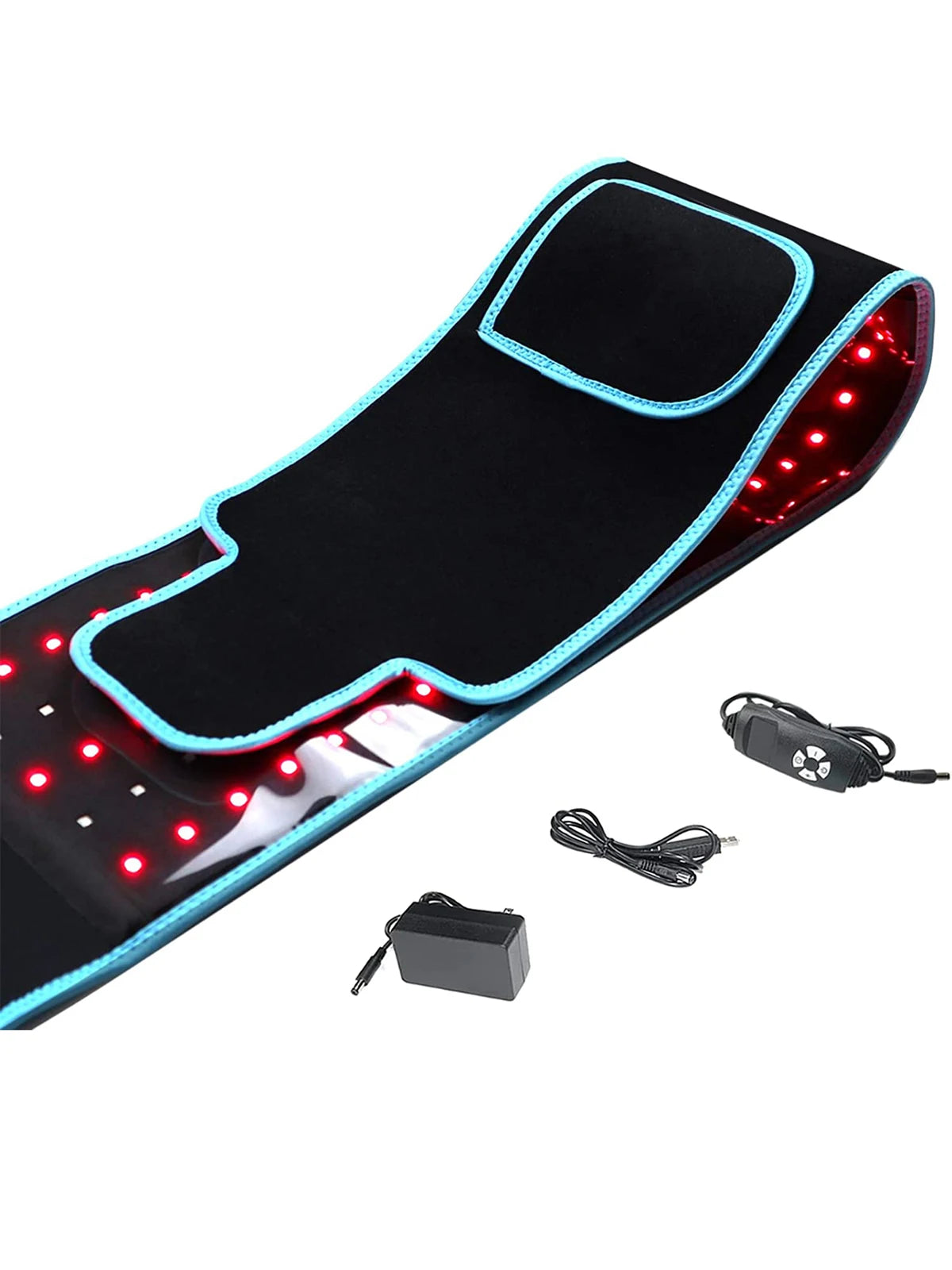
Ease muscle tension and support chronic tight upper back muscles See it in action
A Simple Red Light Therapy Session Schedule for Muscle Tension
Starter Schedule for Beginners
Beginners can start gradually by following the recommended duration and frequency provided by their device manufacturer.
- Begin with shorter sessions.
- Use consistent treatment days.
- Monitor how your muscles respond.
How to Adjust Frequency Over Time
If sessions are comfortable, continue a regular schedule. More frequent treatment is not always better, and consistency matters more than excessive use.
When to Pause or Reduce Sessions
Reduce or stop sessions if you experience unusual sensitivity, irritation, or discomfort.
Frequently Asked Questions About Red Light Therapy for Muscle Tension
Does red light therapy help muscle tension?
Red light therapy may help support muscle recovery, reduce stiffness, and improve comfort for some users when combined with proper recovery habits.
Can red light therapy relieve back pain?
It may help with muscle-related back discomfort, but it does not replace evaluation for injuries or other causes.
How long does red light therapy take to work for muscle pain?
Some people notice changes early, while others need several weeks of consistent use.
Is near-infrared light therapy effective for muscle pain?
Near-infrared light is commonly used in muscle recovery devices because longer wavelengths may provide greater tissue exposure.
How often should I use red light therapy for tight muscles?
Many users follow schedules ranging from several sessions per week depending on the device instructions.
Can I combine red light therapy with massage?
Yes. Combining both approaches may support relaxation and recovery.
Is red light therapy safe for daily use?
It may be safe for frequent use when following recommended guidelines.
Does red light therapy replace exercise or stretching?
No. It works best as a complementary tool alongside movement and mobility exercises.
Pillar Article: How to Reduce Stubborn Belly Fat: Best Use Cases Explained
Other Related Articles:
Explore More:
- Best Time to Do Red Light Therapy? 7 Devices Ranked for Results
- Portable Red Light Therapy Device Showdown: Which Works Best?
Conclusion: Is Red Light Therapy Worth Trying for Muscle Tension?
Red light therapy for muscle tension can be a useful addition to a complete recovery routine. Its potential benefits for muscles include supporting recovery, reducing stiffness, and improving comfort after physical stress.
While it is not a replacement for exercise, stretching, or professional care when needed, red light therapy may be worth considering for people looking for a convenient, non-invasive way to support muscle recovery and manage everyday tension.













