

How to Reduce Stubborn Belly Fat (Science-Backed Guide + Step-by-Step Plan)
What You’ll Learn (Quick Summary)
Key Takeaways
- Stubborn belly fat is influenced by calorie balance, hormones, age, sleep quality, stress, and daily activity—not by abdominal exercises alone.
- The best way to reduce belly fat naturally is to combine a sustainable calorie deficit with strength training, regular cardio, high-protein nutrition, and healthy lifestyle habits.
- Lower belly fat is often the last area to become lean because of differences in blood flow, hormone sensitivity, and fat cell biology.
- Supportive tools such as red light therapy and infrared belts may complement an established routine, but they cannot replace nutrition, exercise, or long-term consistency.
Who This Guide Is For
This guide is designed for anyone searching for practical, science-backed advice on how to reduce stubborn belly fat. Whether you've hit a weight-loss plateau, want to improve your body composition, or are looking for sustainable belly fat loss tips instead of quick fixes, you'll find realistic strategies supported by current evidence.
If you've wondered why your stomach seems harder to slim than other areas, you're not alone. Belly fat responds differently to diet, exercise, hormones, and stress. We'll explain why this happens, how to target overall body fat safely, and where supportive options like red light fat loss devices, infrared belts, and other non invasive fat reduction tools may fit into a comprehensive plan.
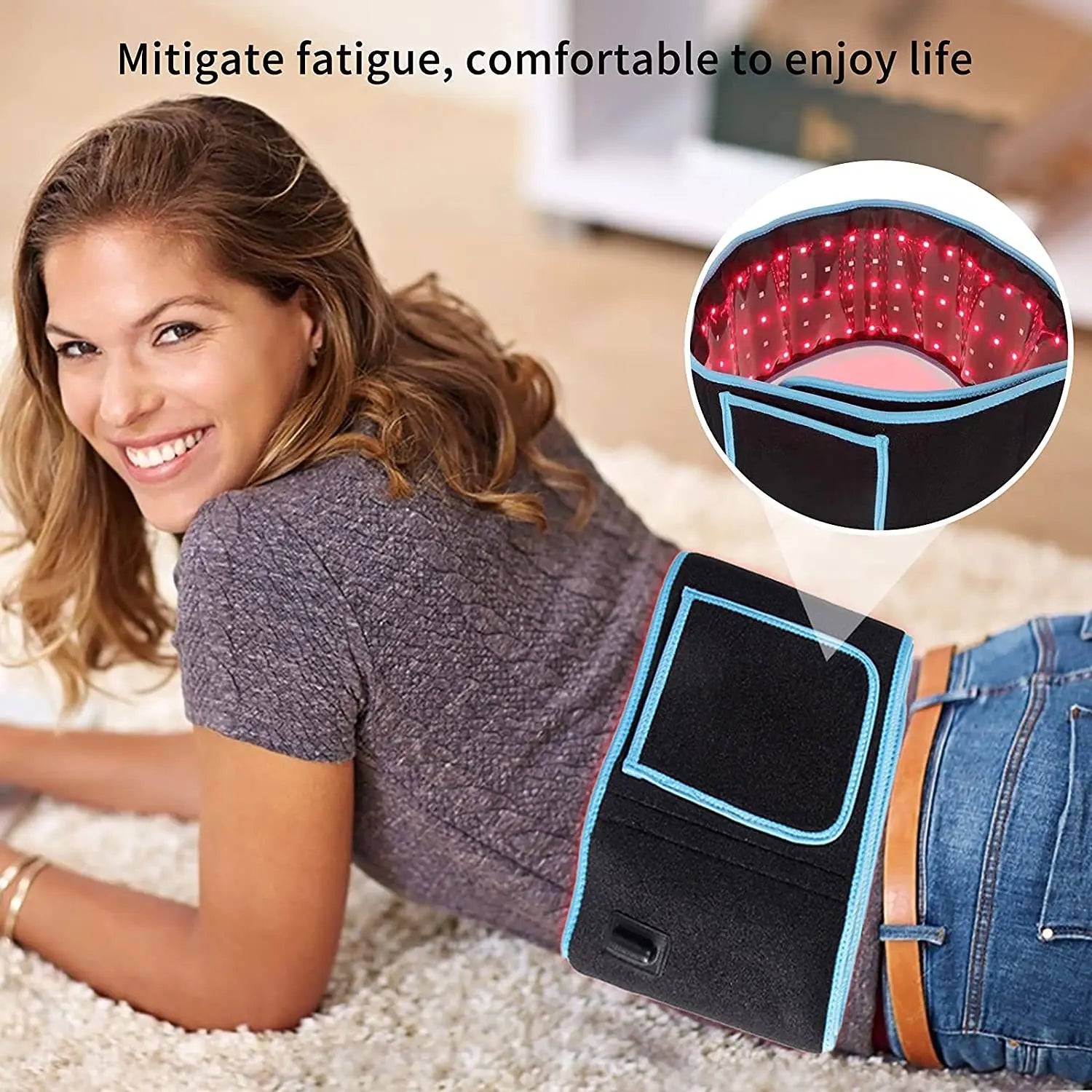
Discover red light fat loss and belly fat burning belts in action for targeted belly fat reduction.
⏱ 8 min read
Why Belly Fat Is So Hard to Lose (The Science Explained)
Visceral vs Subcutaneous Fat
Not all belly fat behaves the same. Understanding the difference helps explain why reducing abdominal fat often takes time.
- Subcutaneous fat sits just beneath the skin. While it contributes to waist size, it generally poses fewer health risks than visceral fat.
- Visceral fat surrounds internal organs inside the abdominal cavity. Excess visceral fat is associated with insulin resistance, cardiovascular disease, type 2 diabetes, and metabolic syndrome.
As overall body fat decreases through consistent nutrition and exercise, both types typically decline. Although you cannot choose where fat comes off first, reducing visceral fat often provides meaningful improvements in metabolic health even before dramatic visual changes appear.
How Energy Balance and Calorie Deficit Work
The foundation of natural belly fat reduction is maintaining a modest calorie deficit, meaning you consistently consume slightly fewer calories than your body uses. Your body then draws on stored fat—including abdominal fat—to help meet its energy needs.
Exercise increases calorie expenditure and helps preserve lean muscle, while nutrition determines whether a calorie deficit is sustainable. Together, these factors create the most reliable path toward long-term fat loss. No supplement, workout, or device can override the importance of energy balance.
Hormones: Insulin, Cortisol, Age, and Menopause
Hormones influence where fat is stored and how easily it is released, but they do not eliminate the need for a calorie deficit.
- Insulin helps regulate blood sugar. Frequently consuming excess calories, especially from highly processed foods, may contribute to greater fat storage over time.
- Cortisol , the body's primary stress hormone, can increase appetite, encourage overeating, and make healthy habits harder to maintain when chronically elevated.
- Age naturally reduces muscle mass and daily energy expenditure, making weight management more challenging without resistance training.
- Menopause often shifts fat distribution toward the abdomen because of hormonal changes, highlighting the importance of strength training, adequate protein, and regular physical activity.
Why Lower Belly Fat Is the Most Stubborn
Many people notice that lower belly fat is the last area to become lean. One reason is that this region contains a higher concentration of alpha-2 adrenergic receptors, which slow the release of stored fat compared with other body areas. Blood flow can also be lower in these fat deposits, making them slower to mobilize.
This does not mean you need special lower belly fat exercises to burn fat from that specific area. Spot reduction has not been shown to work. Instead, reducing overall body fat through consistent nutrition, strength training, cardiovascular exercise, and healthy recovery habits will gradually reduce fat across the entire body, including the lower abdomen.
The Most Effective Ways to Reduce Belly Fat Naturally
Nutrition Strategy (Protein, Fiber, Whole Foods)
The best way to reduce belly fat naturally starts in the kitchen. Rather than following restrictive diets, focus on creating a moderate calorie deficit while eating foods that improve fullness and preserve muscle.
- Aim to include lean protein at every meal to support muscle maintenance and appetite control.
- Eat more vegetables, fruit, legumes, and whole grains for fiber that promotes satiety and digestive health.
- Choose minimally processed foods most of the time while limiting excess added sugars and calorie-dense snacks.
- Stay hydrated throughout the day, as thirst can sometimes be mistaken for hunger.
Strength Training and Cardio
Combining resistance training with cardiovascular exercise consistently produces better long-term results than relying on cardio alone.
Strength training helps preserve and build lean muscle, supporting a higher metabolic rate during weight loss. Cardio—including brisk walking, cycling, swimming, or interval training—increases calorie expenditure and improves heart health. Together, they create an effective strategy for reducing stubborn belly fat while maintaining strength.
Sleep, Stress, and Recovery
Recovery is often overlooked, yet it plays a significant role in body composition. Adults should aim for approximately 7-9 hours of quality sleep each night, as inadequate sleep can affect hunger hormones, food choices, and workout performance.
Managing stress through walking, mindfulness, stretching, or other relaxation techniques may also help reduce emotional eating and improve consistency with healthy habits over time.
Building Sustainable Habits
Long-term success comes from habits you can maintain—not short-term extremes. Instead of chasing rapid weight loss, build routines that fit your schedule, track your progress, adjust gradually when needed, and focus on steady improvements. Sustainable nutrition, regular movement, and consistent recovery remain the most reliable belly fat loss tips for lasting results.
Step-by-Step Plan to Lose Belly Fat Fast (Weekly Routine)
Weekly Workout Plan
Consistency matters more than perfection. A balanced weekly schedule helps create the calorie deficit needed for fat loss while preserving lean muscle and supporting recovery.
- 3 days: Full-body strength training focusing on compound exercises such as squats, rows, presses, and deadlift variations.
- 2-3 days: HIIT sessions lasting 15-25 minutes using intervals of high effort followed by active recovery.
- Daily: Walk 8,000-10,000 steps or stay physically active throughout the day to increase overall calorie expenditure.
- 1-2 recovery days: Include gentle stretching, mobility work, or light walking to support recovery and reduce injury risk.
Daily Habit Checklist
Small habits performed consistently are more effective than occasional intense efforts. Use this checklist to stay on track.
- Include a quality protein source with every meal.
- Maintain a moderate calorie deficit without extreme restriction.
- Drink approximately 2-3 liters of water daily, adjusting for climate and activity level.
- Sleep at least 7-9 hours each night.
- Eat plenty of vegetables and fiber-rich foods.
- Limit sugary beverages and highly processed snacks.
- Stay active even on non-workout days.
Sample Fat Loss Day
Begin your morning with a high-protein breakfast, followed by a short HIIT workout or brisk walk if it fits your schedule. Throughout the day, build meals around lean protein, vegetables, whole grains, and healthy fats while staying hydrated. Finish the day with a balanced dinner, a relaxing evening walk, and adequate sleep to support recovery and long-term fat loss.
Exercises to Lose Stubborn Belly Fat (With Examples)
Best Full-Body Fat-Burning Exercises
Large compound movements recruit multiple muscle groups, increase calorie expenditure, and help preserve muscle while losing fat.
- Burpees
- Mountain climbers
- Jump squats
- High knees
- Kettlebell swings
- Walking lunges
- Push-ups
- Rowing machine intervals
Lower Belly Fat Exercises
Although no exercise can directly burn lower belly fat, strengthening the muscles beneath abdominal fat can improve core function and muscle definition as overall body fat decreases.
- Reverse crunches
- Hanging knee raises
- Dead bugs
- Bird dogs
- Flutter kicks
Core Training for Strength
Core training supports posture, spinal stability, athletic performance, and injury prevention. Include these exercises two or three times each week.
- Front planks
- Side planks
- Leg raises
- Bicycle crunches
- Pallof presses
Common Exercise Myths
One of the biggest misconceptions is that doing hundreds of sit-ups or crunches will specifically burn belly fat. Research shows spot reduction is not an effective fat-loss strategy. Abdominal exercises strengthen muscles, but reducing stubborn belly fat requires lowering total body fat through consistent nutrition, strength training, cardiovascular exercise, and daily movement.
Do Non-Invasive Belly Fat Reduction Methods Work?
Red Light Therapy for Fat Loss
Research into red light therapy for fat loss suggests that specific wavelengths of red and near-infrared light may temporarily encourage fat cells to release stored lipids. While some clinical studies have reported modest improvements in body measurements, the strongest results occur when treatment is combined with calorie control and regular exercise rather than used as a standalone solution.
Red light therapy body contouring is designed to support improvements in body shape rather than produce substantial weight loss. Users may notice gradual changes in waist measurements over several weeks, particularly when treatments are paired with healthy nutrition and resistance training. Results vary based on body composition, treatment frequency, and overall lifestyle.
Infrared Belt for Weight Loss
An infrared belt for weight loss primarily provides heat and may temporarily increase local circulation and sweating. Any immediate reduction in body weight after a session is generally due to fluid loss rather than fat loss. These belts can be useful for comfort during exercise or as part of a wellness routine, but they should not be expected to replace proven fat-loss methods.
Safest Non-Surgical Fat Reduction Methods
For people interested in non invasive belly fat reduction, lifestyle improvements remain the safest and most effective long-term option. Clinically supervised body contouring treatments may be appropriate for selected individuals, while home-use technologies such as red light therapy can serve as supportive tools when used according to manufacturer guidelines and realistic expectations.
How to Use Belly Fat Reduction Devices Safely and Effectively
Best Practices
Home-use devices can fit into a comprehensive weight-management routine when used consistently and according to the manufacturer's instructions. Their greatest value comes from supporting—not replacing—healthy lifestyle habits.
- Use the device only for the recommended session length and frequency.
- Combine treatments with regular strength training, cardio, and balanced nutrition.
- Stay hydrated before and after each session.
- Avoid applying devices over injured, irritated, or infected skin.
- Stop use if you experience persistent discomfort and consult a healthcare professional if needed.
- Follow all manufacturer safety guidelines and contraindications.
What Results to Expect
Most people who incorporate belly fat reduction devices into a healthy routine notice gradual improvements over several weeks rather than dramatic overnight changes. Factors such as diet quality, exercise consistency, sleep, stress management, and starting body composition have a much greater influence on results than device use alone.
What These Devices Cannot Do
Even the best belly fat burning belt effectiveness depends on realistic expectations. No home-use device can selectively burn abdominal fat, replace a calorie deficit, or compensate for poor nutrition and inactivity. Think of these products as supportive wellness tools rather than standalone fat-loss solutions.
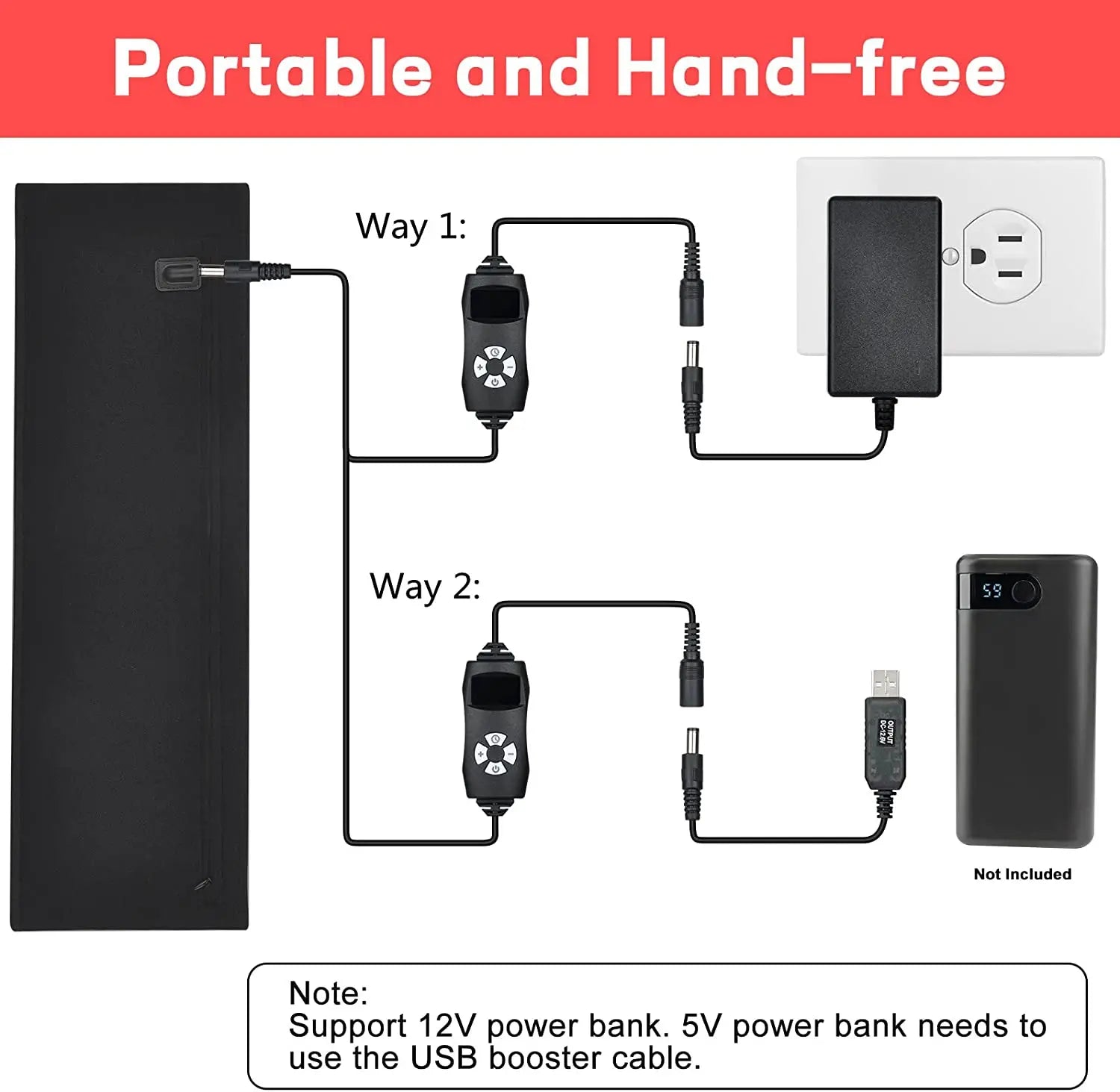
Infrared belts and belly fat burning belts in action for targeted fat loss.
Comparing Natural Fat Loss vs Devices (What Works Best?)
Effectiveness Comparison
| Approach | Evidence | Expected Results | Best For |
|---|---|---|---|
| Nutrition + Exercise | Strong | High long-term effectiveness | Sustainable fat loss and overall health |
| Red Light Therapy | Moderate | Modest body contouring support | Supplementing a healthy routine |
| Infrared / Belly Belts | Limited | Mainly temporary heat and sweating effects | Comfort, recovery, and wellness support |
Who Benefits Most
People who achieve the best outcomes typically prioritize sustainable nutrition and exercise first, then consider non invasive belly fat reduction devices as complementary tools. Individuals who are already following a structured fitness plan may find supportive technologies helpful for improving adherence and maintaining healthy routines, but they should not expect them to produce significant fat loss on their own.
Cost vs Results
Before investing in body contouring devices, compare the potential benefits with proven lifestyle changes. Improving food quality, increasing daily activity, and following a progressive strength-training program generally provide the greatest return for long-term health. Devices may offer additional convenience and support, but their benefits are usually incremental rather than transformative.
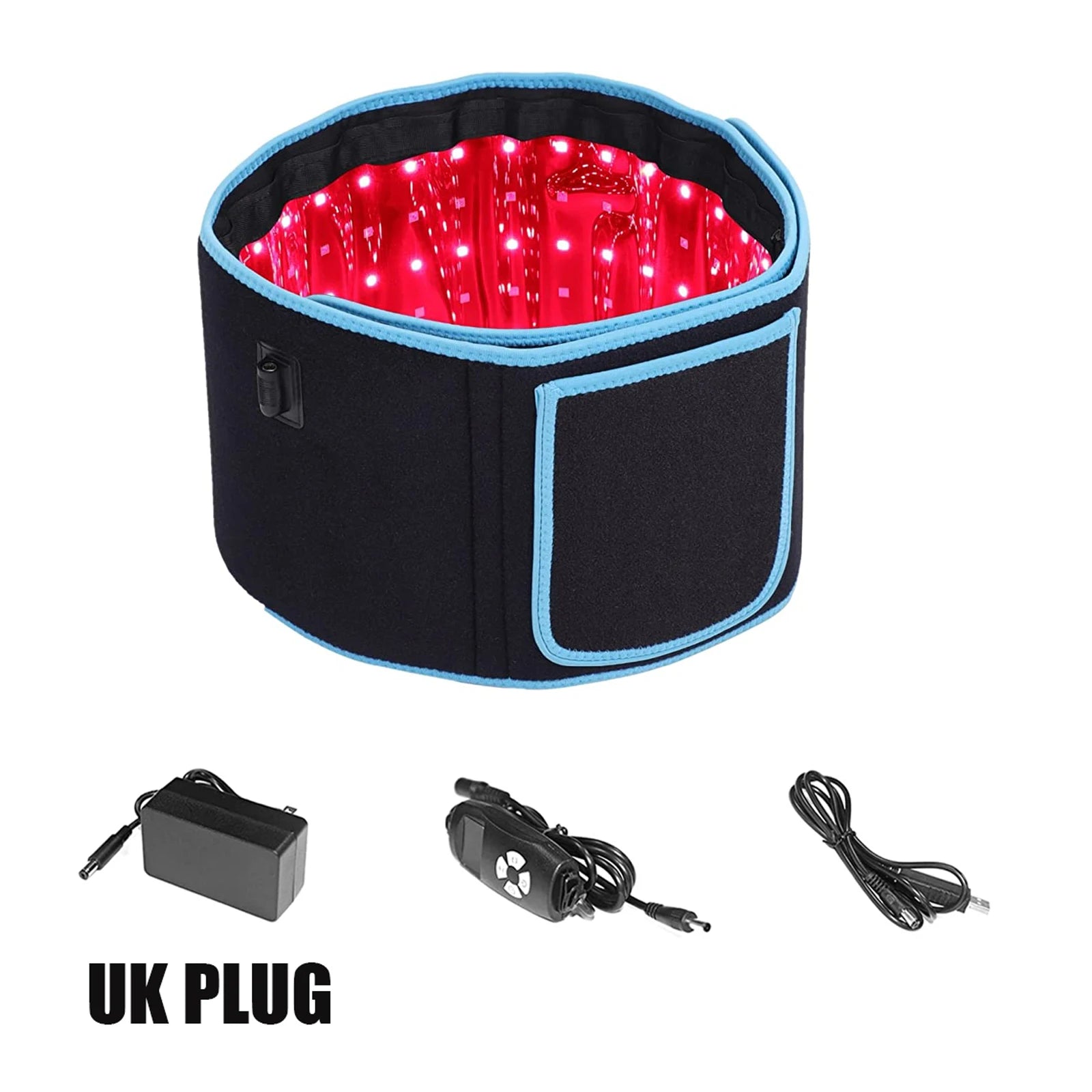
Combine smart habits with supportive tools for better fat loss results.
Common Mistakes That Prevent Belly Fat Loss
Expecting Spot Reduction
Ab exercises strengthen the core, but they do not selectively burn abdominal fat. Overall fat loss occurs when your body consistently uses more energy than it consumes.
Undereating Protein
Protein helps preserve lean muscle during weight loss while improving satiety. Consistently eating too little protein can make it harder to maintain muscle mass and stick with a calorie-controlled eating plan.
Ignoring Sleep and Stress
Chronic sleep deprivation and unmanaged stress can increase hunger, reduce workout performance, and make healthy habits more difficult to maintain. Prioritizing recovery is an important part of long-term belly fat reduction.
Inconsistent Training
Frequently changing workout programs, skipping strength sessions, or relying only on occasional intense exercise limits progress. Consistent training combined with progressive overload delivers better long-term results than sporadic effort.
- Eating "healthy" while consistently exceeding your calorie needs.
- Depending exclusively on cardio without resistance training.
- Skipping recovery and underestimating the importance of sleep.
- Expecting quick fixes instead of building sustainable habits.
- Over-relying on fat-loss devices instead of addressing nutrition and physical activity.
How Long Does It Take to Lose Belly Fat?
Healthy Rate of Fat Loss
Healthy, sustainable fat loss typically occurs at a rate of about 1-2 pounds (0.5-1 kg) per week. While some people notice changes in waist measurements within a few weeks, significant reductions in stubborn belly fat usually require several months of consistent nutrition, exercise, and recovery habits.
Tracking Progress Beyond the Scale
Your body weight is only one measure of progress. Consider tracking:
- Waist circumference every 2-4 weeks.
- Progress photos taken under consistent lighting.
- How your clothes fit.
- Strength improvements in the gym.
- Energy levels, sleep quality, and overall fitness.
Signs You're Losing Visceral Fat
Visceral fat often decreases before subcutaneous belly fat becomes visibly noticeable. Improvements such as a smaller waist circumference, better blood sugar control, lower blood pressure, improved endurance, and increased energy can all indicate meaningful progress even if the scale changes slowly.
When to Talk to a Healthcare Professional
Medical Conditions
If abdominal weight gain occurs rapidly, is accompanied by pain or swelling, or persists despite consistent healthy habits, consult a healthcare professional to rule out underlying medical conditions.
Medication and Hormones
Certain medications, hormonal disorders, thyroid conditions, polycystic ovary syndrome (PCOS), and menopause-related changes can influence body composition and fat distribution. A healthcare provider can recommend appropriate testing and personalized treatment when necessary.
Persistent Abdominal Weight Gain
Professional guidance may also be beneficial if you've followed a structured nutrition and exercise program for several months without measurable progress or if you have chronic health conditions that affect weight management.
FAQ: How to Lose Belly Fat Safely and Effectively
How to lose belly fat fast?
The fastest safe approach combines a moderate calorie deficit, a high-protein diet, regular strength training, cardiovascular exercise or HIIT, adequate sleep, and consistent daily movement. Sustainable habits consistently outperform crash diets.
What is the best way to reduce belly fat naturally?
The best way to reduce belly fat naturally is through balanced nutrition, regular resistance training, cardiovascular exercise, stress management, and quality sleep. These evidence-based habits reduce overall body fat while supporting long-term health.
Can you target lower belly fat?
No. Scientific evidence does not support spot reduction. Lower belly fat decreases as overall body fat declines, although this area is commonly one of the last places where visible fat loss occurs.
Does red light therapy reduce fat?
Current research suggests red light therapy may provide modest support for body contouring and fat reduction when combined with a healthy lifestyle. It should not be considered a substitute for nutrition and exercise.
Are belly fat burning belts effective?
Belly fat burning belts may provide heat, comfort, and temporary sweating during activity, but they do not directly burn abdominal fat. Their effectiveness is greatest when used as a supportive tool alongside a structured fat-loss program.
What is the safest non-surgical fat reduction method?
Maintaining a calorie-controlled diet, exercising regularly, getting adequate sleep, and managing stress remain the safest and most effective long-term strategies. Medical body contouring procedures should only be considered after consultation with a qualified healthcare provider.
How long does it take to lose stubborn belly fat?
The timeline varies depending on starting body composition, nutrition, activity level, age, and consistency. Many people begin noticing measurable changes within 6-12 weeks, while larger body composition changes often take several months.
Is visceral fat more dangerous than subcutaneous fat?
Yes. Visceral fat surrounds internal organs and is associated with a higher risk of cardiovascular disease, insulin resistance, and type 2 diabetes. Reducing visceral fat through healthy lifestyle changes can significantly improve overall health.
Related Articles:
- How to Get Rid of Stubborn Stomach Fat: Who Red Light Helps Most
- Ease Muscle Tension Fast: Best Use Cases for Red Light Therapy
Pillar Articles:
- Red Light Therapy Belt Review: Does It Really Deliver Results?
- Noninvasive Fat Reduction: Why This Technology Works Better
- How to Use Red Light Therapy at Home: A Step-by-Step Starter Guide
- How Long to Use Red Light Therapy? Best Devices Compared
Conclusion: The Smartest Way to Lose Belly Fat Long-Term
Learning how to reduce stubborn belly fat starts with understanding that there are no shortcuts. Lasting results come from maintaining a moderate calorie deficit, eating a protein-rich diet, performing regular strength and cardiovascular training, prioritizing sleep, and managing stress consistently over time.
Supportive technologies such as red light therapy and home-use body contouring devices may complement these healthy habits, but they work best when realistic expectations are paired with evidence-based lifestyle changes. Focus on sustainable progress instead of rapid fixes, monitor your improvements beyond the scale, and you'll be better positioned to reduce belly fat safely while maintaining your results for years to come.













