

Best Time of Day to Do Red Light Therapy (Morning vs Evening Guide)
The best time of day to do red light therapy depends on your health goal. Morning sessions are often preferred for increasing alertness, supporting daily energy, and complementing metabolic activity, while evening sessions are commonly chosen for skin renewal, post-exercise recovery, and relaxation. Although both times can be effective, following a consistent routine that matches your body's natural circadian rhythm is one of the most important factors for achieving lasting results.
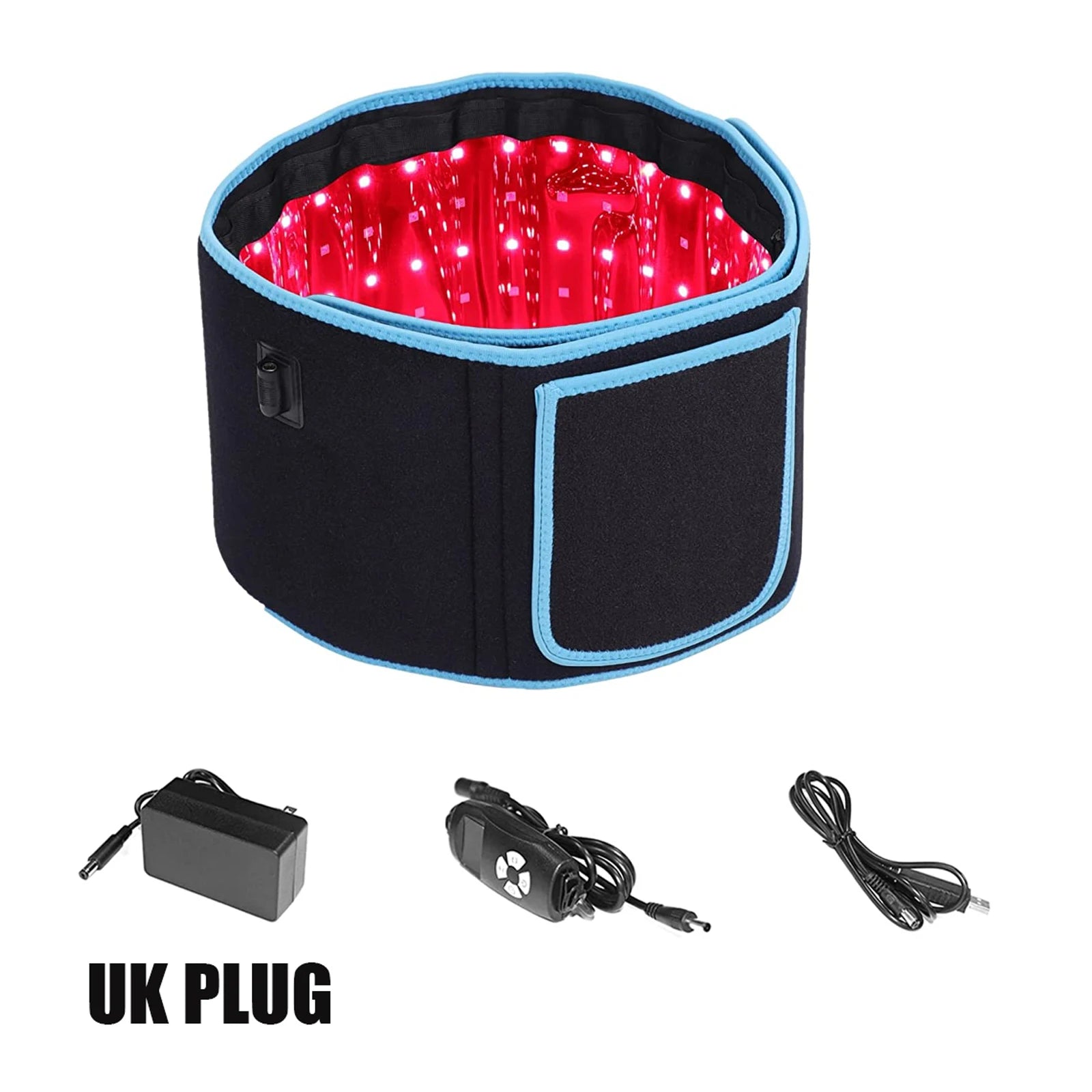
See it in action: Best time of day to do red light therapy for optimal results
⏱ 5 min read
Featured Snippet: Best Time to Do Red Light Therapy
The best time to do red light therapy depends on the outcome you want. Morning sessions are generally best for improving energy, focus, and metabolic support, while evening treatments are better suited for muscle recovery, skin rejuvenation, and relaxation. There is no universally "perfect" hour, but using red light therapy consistently at the same time each day typically produces better long-term results than changing your schedule frequently.
Does Timing Really Matter for Red Light Therapy?
Many people wonder when to use red light therapy for best results . The answer is that timing can influence outcomes, but its importance depends on your treatment goal. Photobiomodulation works whenever tissues receive an appropriate dose of therapeutic red or near-infrared light, yet aligning sessions with your body's biological rhythms may help maximize specific benefits.
What Research Says About Timing
Red light therapy works through a process known as photobiomodulation. Specific wavelengths are absorbed by mitochondria, where they help support the production of adenosine triphosphate (ATP)—the primary energy source used by cells. Increased cellular energy may contribute to normal tissue repair, recovery, and overall function.
Researchers continue studying whether treatment timing affects outcomes. While evidence does not suggest that one time of day is universally superior, circadian biology provides a practical framework for scheduling sessions based on individual goals.
- Morning: Naturally higher cortisol levels and increased alertness may make morning sessions a better fit for energy, focus, and daily performance.
- Evening: As the body shifts toward recovery, evening sessions may better complement skin renewal, post-workout recovery, and relaxation.
When Timing Changes Outcomes
For general wellness, consistency matters more than the exact hour you use your device. However, red light therapy schedule timing becomes more relevant when you're targeting a specific outcome such as athletic recovery, sleep quality, skin rejuvenation, or metabolic support. Matching your treatment window to your primary goal can make your routine easier to maintain while supporting the body's natural daily cycles.
Goals Where Timing Matters Most
If your objective is increased daytime energy or exercise performance, earlier sessions are often the most practical choice. If your priority is collagen support, muscle recovery, or winding down before bed, evening treatments generally fit better with the body's natural repair processes. Regardless of the schedule you choose, regular use over weeks is typically more important than trying to find the "perfect" time on any single day.
Morning vs Evening Red Light Therapy
Morning Benefits
For many people, morning is the best time to begin a red light therapy morning vs evening routine if the goal is improving daytime performance. Morning exposure fits naturally with the body's peak alertness, making it a practical choice for those looking to support energy, mental focus, and metabolic function.
- Promotes daytime energy and alertness
- Supports metabolic activity and fat-loss programs
- Pairs well with morning exercise or a consistent wellness routine
- May enhance concentration and productivity throughout the day
Afternoon Benefits
Afternoon sessions provide a flexible option for people who cannot maintain a morning schedule. They can also be useful before training sessions or during a mid-day energy slump. While research has not identified the afternoon as universally superior, consistency remains more important than the specific hour.
- Convenient for busy schedules
- Suitable before afternoon workouts
- Helps maintain a regular treatment routine
Evening Benefits
If your priority is recovery rather than performance, evening sessions are often the better choice. People frequently ask, is it better to use red light therapy at night ? For skin care, post-exercise recovery, and relaxation, nighttime treatments often align well with the body's natural repair processes. Unlike blue light, therapeutic red light is not generally considered disruptive to normal evening routines when used as directed.
- Supports overnight skin renewal and collagen production
- Complements post-workout muscle recovery
- Encourages relaxation before bedtime
- Fits naturally into an evening self-care routine
Comparison Table by Goal
| Goal | Recommended Time | Reason |
|---|---|---|
| Energy & Focus | Morning | Works well with the body's natural daytime alertness. |
| Fat Loss Support | Morning | Complements exercise and healthy metabolic habits. |
| Skin Health | Evening | Matches the body's normal overnight repair cycle. |
| Muscle Recovery | After Exercise or Evening | Supports cellular recovery following physical activity. |
| Relaxation | Evening | Fits comfortably into a bedtime wellness routine. |
Best Time to Do Red Light Therapy Based on Your Goal
Skin Health & Anti-Aging
Evening sessions are commonly recommended for skin-focused treatments because the body naturally shifts toward repair overnight. Consistent use may help support collagen production, improve overall skin appearance, and complement a regular skincare routine.
Pain Relief & Inflammation
For localized discomfort or inflammation, the best schedule is often immediately after activity or whenever symptoms are most noticeable. Consistency typically has a greater impact than selecting a specific hour of the day.
Fat Loss & Metabolic Support
The optimal time for red light therapy fat loss is often in the morning or before physical activity, where it can complement healthy nutrition and exercise. Red light therapy should be viewed as part of a comprehensive lifestyle plan rather than a standalone weight-loss solution.
Muscle Recovery & Athletic Performance
Red light therapy muscle recovery timing depends on your objective. Pre-workout sessions may help prepare muscles for activity, while post-workout treatments are commonly used to support recovery, reduce soreness, and promote tissue repair after training.
Sleep Quality & Relaxation
People seeking better relaxation often prefer evening treatments. When used consistently as part of a calming bedtime routine, red light therapy may help create an environment that supports restful sleep without the stimulating effects associated with blue light.
Red Light Therapy Before or After Exercise
Before a Workout
Using red light therapy before exercise may help prepare muscles by supporting cellular energy production and healthy circulation. Many athletes incorporate short pre-workout sessions before strength or endurance training.
After a Workout
Following exercise, red light therapy is commonly used to promote recovery. Post-workout sessions may help reduce temporary muscle soreness while supporting the body's normal repair processes after training.
Endurance vs Strength Training
- Endurance training: Consider a brief session before activity or after longer workouts to support recovery.
- Strength training: Post-workout sessions are often preferred to assist muscle recovery following resistance exercise.
Sample Training-Day Schedule
- 5–10 minutes before training if your goal is performance preparation.
- 10–20 minutes after training to support recovery.
- Treat the muscle groups that received the greatest workload during the session.
How Often Should You Do Red Light Therapy?
Recommended Weekly Frequency
Most people benefit from using red light therapy 3–7 times per week , depending on their treatment goal, the power output of the device, and the manufacturer's recommended dosage. Daily sessions are appropriate for many at-home devices when used as directed, but consistency over several weeks is generally more important than increasing session frequency.
Session Length by Goal
- Skin health: Approximately 10–15 minutes per treatment area.
- Muscle recovery: About 15–20 minutes following exercise or physical activity.
- General wellness: Around 10–20 minutes, depending on the treatment area and device specifications.
Sample Morning Routine
- Use red light therapy for 10–15 minutes after waking.
- Stay hydrated and follow with light movement or exercise if desired.
- Repeat at a similar time each morning for a consistent routine.
Sample Evening Routine
- Complete your treatment after exercise or as part of your evening self-care routine.
- Use the device for 10–20 minutes according to the manufacturer's instructions.
- Allow time to relax before bed to support recovery and skin renewal.
Why Timing Can Influence Results
Circadian Rhythm Explained
Your body operates on a 24-hour circadian rhythm that influences hormone release, energy production, tissue repair, and sleep. Scheduling red light therapy around these natural biological patterns may help complement specific goals, although regular use remains the most important factor for long-term benefits.
- Morning: Best suited for supporting daytime alertness, productivity, and metabolic activity.
- Evening: Better aligned with the body's natural focus on recovery, muscle repair, and skin regeneration.
Mitochondria, ATP and Recovery
Red light therapy delivers wavelengths that are absorbed by mitochondria, the structures responsible for producing adenosine triphosphate (ATP). Increased ATP availability supports normal cellular function, tissue repair, and recovery, which explains why both athletes and skincare users often include red light therapy in their regular routines.
Why Consistency Beats Perfect Timing
Although choosing the right time of day can help optimize certain outcomes, missing treatments because you are waiting for the "perfect" hour is usually counterproductive. A sustainable schedule that you can follow several times each week will generally produce better cumulative results than occasional sessions performed at an ideal time.
How to Maximize Results Regardless of Time
Distance and Dosage
Always follow the manufacturer's recommendations for treatment distance, exposure time, and session frequency. Using the device closer than recommended or extending sessions unnecessarily does not always improve results and may reduce treatment consistency.
Choosing the Right Device
Select a device that fits your lifestyle. Portable units are convenient for targeted treatments and travel, while larger panels may be better suited for treating broader areas of the body during a dedicated home session.
Common Timing Mistakes
- Skipping treatments or using the device inconsistently.
- Ending sessions before the recommended treatment duration.
- Using excessive exposure times instead of following dosage guidance.
- Changing schedules frequently without allowing several weeks for cumulative benefits.
- Expecting immediate improvements after only one or two sessions.
Who Should Adjust Their Schedule
People training regularly, focusing on skin rejuvenation, or following structured recovery programs may benefit from tailoring session timing to their specific goals. If you are using red light therapy for a medical condition or during rehabilitation, follow guidance from your healthcare professional in addition to the device manufacturer's instructions.
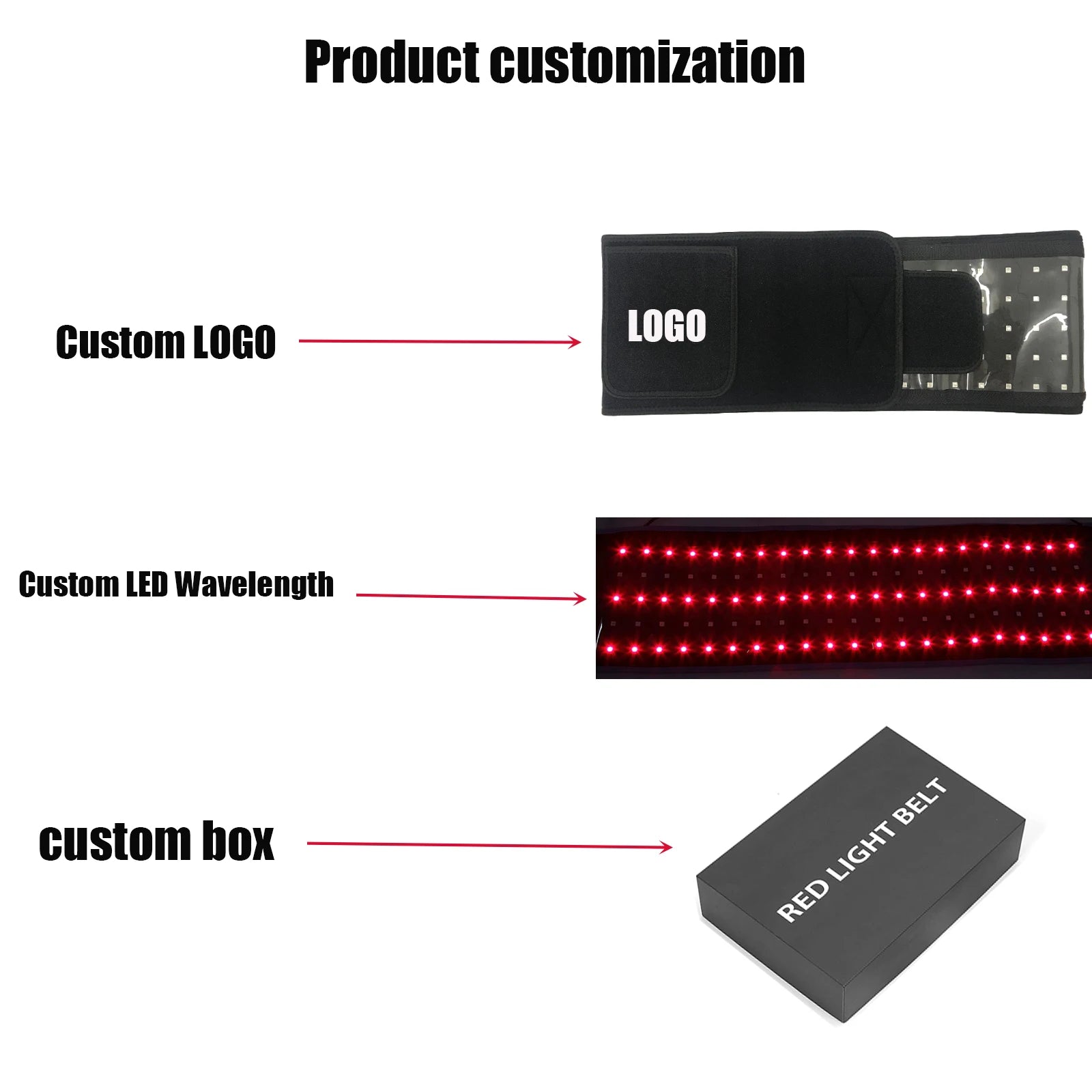
Optimize your red light fat loss & muscle recovery routine
Frequently Asked Questions
What is the best time of day to do red light therapy?
The best time of day depends on your primary goal. Morning sessions are often preferred for supporting daytime energy, focus, and metabolic activity, while evening treatments are commonly used for skin rejuvenation, muscle recovery, and relaxation. The most effective schedule is one you can follow consistently over the long term.
Is morning or evening better for red light therapy?
Neither is universally better. Morning treatments are well suited for performance-oriented goals, whereas evening sessions typically complement recovery and skincare routines. Choose the timing that best matches your objectives and daily schedule.
Should I use red light therapy before or after a workout?
Both approaches can be beneficial. Short sessions before exercise may help prepare muscles for activity, while post-workout treatments are commonly chosen to support recovery and reduce temporary muscle soreness. Your training goals will determine which option is most appropriate.
Can I use red light therapy every day?
Many at-home devices are designed for regular use, including daily treatments, provided you follow the manufacturer's recommendations for session duration and distance. Avoid increasing exposure beyond the recommended dosage, as more treatment is not always better.
Is red light therapy at night bad for sleep?
No. Therapeutic red light does not have the same stimulating effect commonly associated with blue light. Many people incorporate evening sessions into their bedtime routine to support relaxation and overnight recovery.
How long should each red light therapy session last?
Most sessions last between 10 and 20 minutes, although the ideal duration depends on the device, treatment area, power output, and your specific wellness goal. Always follow the instructions supplied by the manufacturer.
Does timing matter for skin rejuvenation?
Timing can help optimize a skincare routine, but consistency remains the most important factor. Evening treatments often fit naturally with the skin's overnight repair cycle, making them a popular choice for collagen-support and anti-aging routines.
What is the best red light therapy schedule for muscle recovery?
For recovery, many users perform a session shortly after exercise or later in the evening. Combining regular treatments with adequate sleep, nutrition, and hydration provides the best overall recovery strategy.
Choosing a Red Light Therapy Device
Selecting the right device is just as important as choosing the best treatment schedule. The ideal option depends on the areas you want to treat, how frequently you plan to use it, and whether you prefer portable convenience or larger treatment coverage.
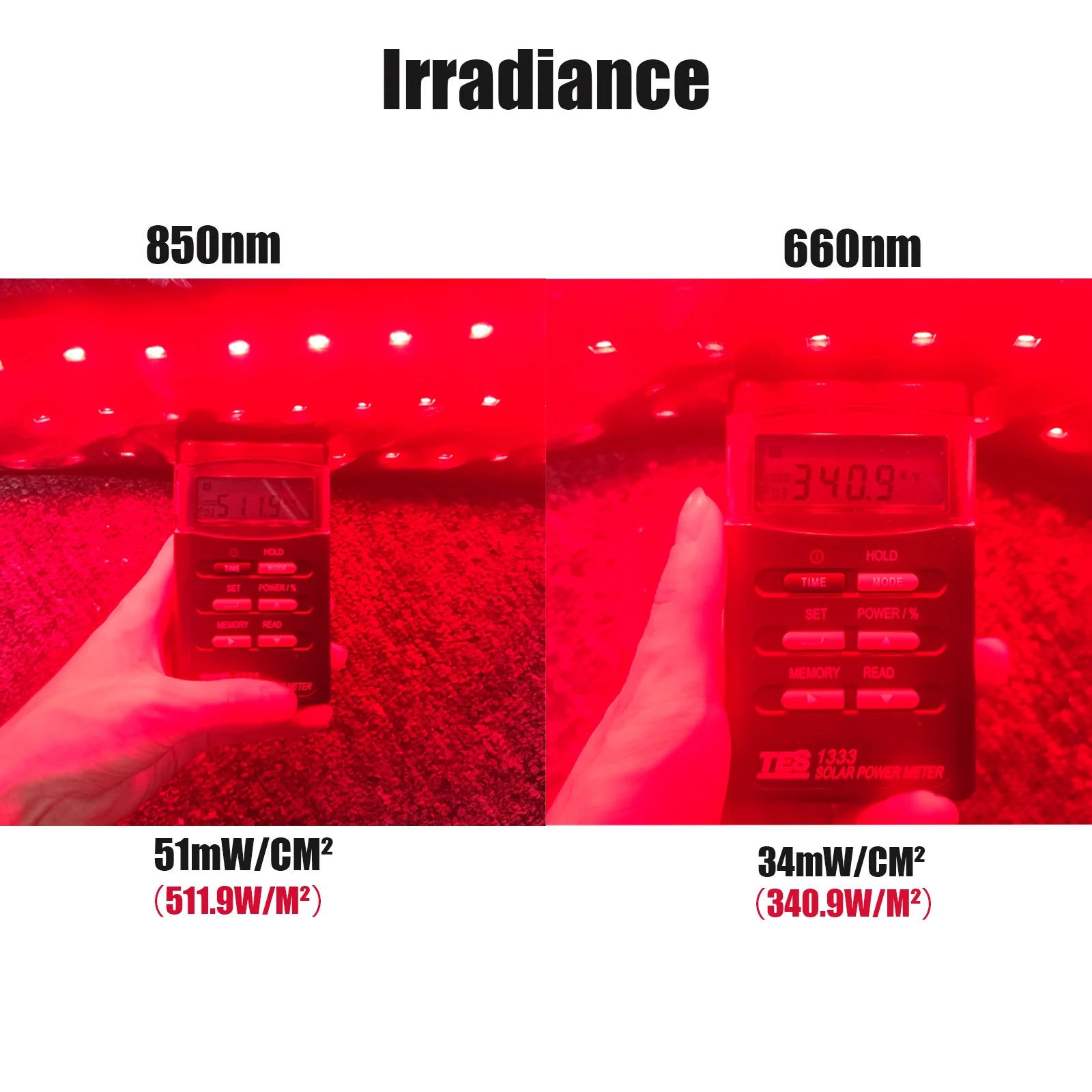
Compare red light therapy devices that fit different treatment schedules and wellness goals.
Features That Affect Scheduling
| Device | Recommended Use | Best For | Link |
|---|---|---|---|
| KentDO™ Red Light Therapy Belt for Fat Burn & Pain Relief | Morning or Evening | Targeted muscle recovery, pain relief, and wellness routines | View Product |
| Joovv Go 2.0 | Morning & Evening | Portable treatments for multiple body areas | Explore Devices |
| Mito Red Light MitoADAPT | Morning | High-output performance and larger treatment areas | Explore Devices |
| FlexBeam Red Light Belt | Evening | Targeted recovery after exercise | Explore Devices |
| CurrentBody LED Mask | Evening | Facial skincare and collagen-support routines | Explore Devices |
Who Benefits From Portable vs Panel Devices
Portable devices are convenient for treating specific joints, muscles, or smaller treatment areas and are easy to incorporate into busy schedules. Larger panels are often preferred by users seeking broader body coverage or longer wellness sessions at home. Whichever device you choose, maintaining a consistent routine is generally more important than the exact treatment time.
Pillar Article: How Long to Use Red Light Therapy? Best Devices Compared
Other Related Articles:
- Handheld Red Light Therapy Device Reviews: Top Picks for Fast Relief
- Portable Red Light Therapy Device Showdown: Which Works Best?
- Daily Red Light Therapy Review: Which Device Fits Your Routine
- How Does Red Light Work? Top At-Home Devices Reviewed
Explore More:













