

Portable Red Light Therapy Device Showdown: Which Works Best?
A portable red light therapy device makes it possible to use red and near-infrared light therapy wherever you need it—at home, in the office, or while traveling. Unlike bulky full-body panels, portable devices deliver targeted treatment for muscles, joints, tendons, and skin without requiring a dedicated therapy space. Whether your goal is easing post-workout soreness, supporting recovery, improving skin appearance, or managing localized discomfort, choosing the right device depends on more than size alone.
This guide compares today's leading portable red light therapy devices, explains how low level light therapy (LLLT) works, reviews the strengths and limitations of portable systems, and highlights the features that matter most before you buy.
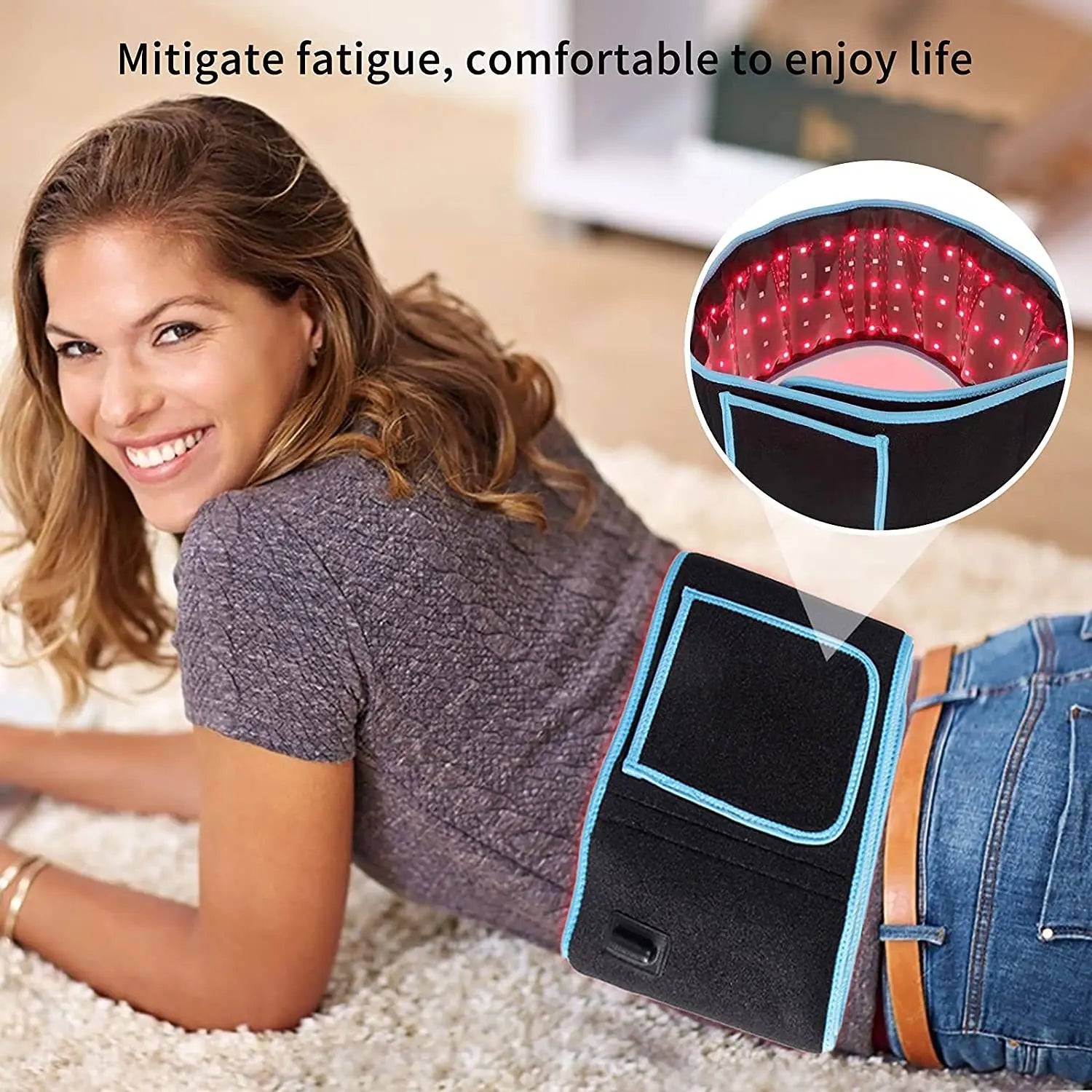
Explore this portable red light therapy device - KentDO in action
Does a Portable Red Light Therapy Device Really Work?
Yes—portable red light therapy devices can be effective when they deliver appropriate wavelengths, sufficient light output, and are used consistently over time. Rather than generating heat, these devices use low level light therapy (LLLT), also known as photobiomodulation, to stimulate cellular energy production. Research suggests this process may support tissue repair, improve circulation, reduce temporary inflammation, and assist recovery after exercise or minor soft tissue strain.
How Does Portable Red Light Therapy Work?
Red light therapy works by delivering specific wavelengths of visible red and near-infrared light into body tissues. The light is absorbed by mitochondria—the energy-producing structures inside cells—which may increase cellular energy (ATP) production. Increased cellular energy supports normal repair processes and helps tissues recover more efficiently following physical stress.
Because portable devices focus treatment on smaller body areas, they are especially useful for localized therapy on the:
- Neck and shoulders
- Knees and elbows
- Hands and wrists
- Feet and ankles
- Face and neck for skincare
Does Low Level Light Therapy Work?
Clinical studies have shown that both red light (approximately 630–660nm) and near-infrared light (roughly 810–880nm) produce different therapeutic effects because they penetrate tissues to different depths.
- 630–660nm red light: Primarily affects the skin, supporting collagen production, skin tone, and surface healing.
- 810–880nm near-infrared light: Reaches deeper muscles, tendons, and joints, making it better suited for muscle recovery and localized discomfort.
Many of the best portable red light therapy devices combine both wavelength ranges, allowing users to address both superficial skin concerns and deeper musculoskeletal tissues during the same treatment.
Expected Benefits and Limitations
A portable red light therapy device offers excellent convenience and targeted treatment, but realistic expectations are important. Results generally develop gradually over several weeks of consistent use rather than after a single session.
- Best for: localized pain relief, muscle recovery, skincare, joint support, and travel-friendly home treatments.
- Limitations: smaller treatment area, longer treatment times for larger muscles, and lower overall coverage than full-body red light therapy panels.
If you primarily need treatment for one or two problem areas, a portable device often provides an excellent balance of effectiveness, convenience, and affordability.
Top Portable Red Light Therapy Devices Compared
Quick Comparison Table (Power, Wavelength, Battery, Use Case)
The devices below represent several of the most recognized portable red light therapy options available today. They differ in treatment area, portability, wavelength combinations, and overall value.
| Device | Wavelength | Portability | Best For | Pros | Cons |
|---|---|---|---|---|---|
| KentDO™ Red Light Therapy Belt for Fat Burn & Pain Relief | 630–660 nm & 850 nm | Hands-free wrap | Neck, shoulders, joints |
✅ Dual wavelengths
✅ Hands-free use ✅ Flexible wearable design |
❌ Designed for targeted rather than full-body treatment |
| FlexBeam by Recharge Health | 625 nm & 830 nm | Wearable wrap | Back and recovery |
✅ Flexible modules
✅ Good coverage |
❌ Premium price |
| Joovv Go 2.0 | 660 nm or 850 nm | Pocket-sized | Travel and spot treatment |
✅ Extremely portable
✅ Established brand |
❌ Small treatment area |
| Mito Red Light Mito Mobile | 630 nm & 850 nm | Handheld | Muscle recovery |
✅ Dual wavelengths
✅ Strong light output |
❌ Larger than pocket-sized devices |
| Hooga HG Portable | 660 nm | Compact handheld | Skin treatment |
✅ Budget-friendly
✅ Easy to use |
❌ No near-infrared light |
Best Overall Portable Red Light Therapy Device
For most users, the best portable red light therapy device combines dual wavelengths, wearable convenience, and versatile treatment options. Devices such as the KentDO™ Red Light Therapy Belt for Fat Burn & Pain Relief and Mito Mobile offer an excellent balance of portability and performance for muscle recovery, joint support, and everyday use.
Best for Face and Skin
If your primary goal is healthier-looking skin, devices using 630–660nm red light are typically the better choice because they target the upper skin layers associated with collagen production and skin texture.
Best for Pain Relief and Deep Tissue
Portable devices that include approximately 850nm near-infrared light generally provide deeper tissue penetration, making them better suited for muscles, tendons, and joints than red-only devices.
Best Budget Portable Option
Users looking for an affordable introduction to red light therapy may find compact handheld devices like the Hooga HG Portable suitable for facial treatments and surface-level skin applications, although they lack the versatility of dual-wavelength systems.
Best Hands-Free / Wrap Design
Wearable wraps remain one of the most convenient designs because they allow treatment while reading, relaxing, or working. Both the KentDO™ belt and FlexBeam offer hands-free sessions that can comfortably treat shoulders, knees, lower back, and other difficult-to-hold treatment areas.
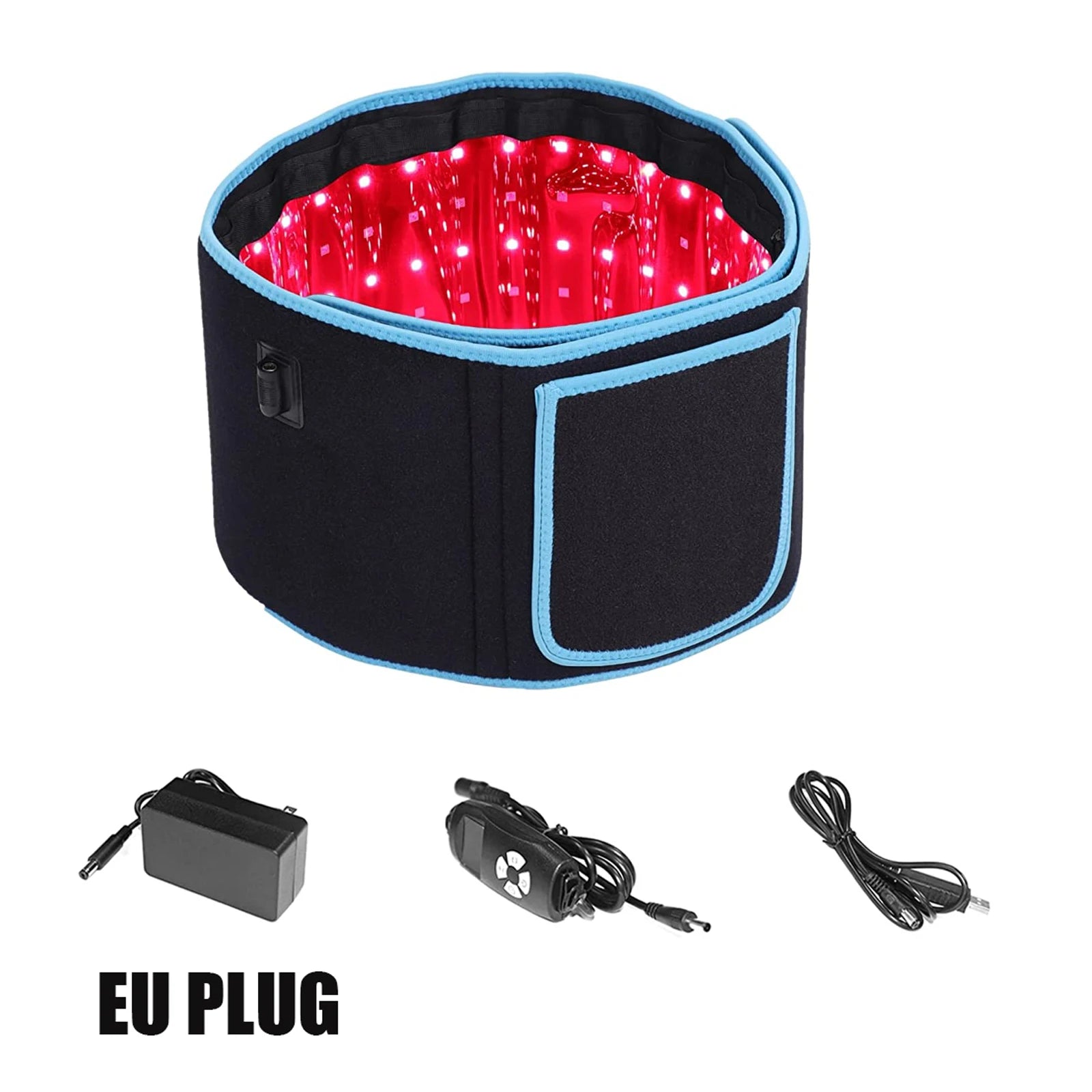
Compare portable red light therapy machines and choose your best fit
How to Choose the Best Portable Red Light Therapy Device
The best portable red light therapy device is not necessarily the most expensive one. The right choice depends on your treatment goals, the size of the area you plan to treat, how often you'll use the device, and the technical specifications that influence real-world performance. Before purchasing any handheld or wearable unit, compare the following factors.
660nm vs 850nm Wavelengths
Wavelength determines how deeply light penetrates body tissues. Most high-quality portable devices either offer one wavelength or combine multiple wavelengths for broader treatment applications.
- 630–660nm (red light): Best suited for skin rejuvenation, collagen production, fine lines, and superficial tissue recovery.
- 810–880nm (near-infrared): Penetrates more deeply into muscles, tendons, ligaments, and joints, making it a preferred option for soreness and recovery.
- Dual-wavelength devices: Offer greater versatility by treating both surface tissues and deeper structures during the same session.
If you want one device for multiple purposes, a dual-wavelength portable red light therapy device is generally the most practical investment.
Irradiance vs Treatment Area
Irradiance describes how much light energy reaches the treatment area, while coverage determines how much of the body can be treated at once. Both matter equally.
- Higher irradiance can shorten treatment sessions.
- Larger treatment surfaces reduce the number of repositioning sessions required.
- Very small handheld devices work well for localized areas but are less efficient for larger muscle groups.
Manufacturers should clearly publish irradiance measurements and recommended treatment distances. Transparent specifications are usually a good indicator of product quality.
Battery Life and Portability
One advantage of a portable red light therapy machine is convenience. Consider how and where you expect to use it.
- Rechargeable batteries eliminate the need for continuous power.
- Lightweight wearable designs allow hands-free treatment.
- Compact devices are easier to pack for travel.
- Larger wraps reduce treatment time for shoulders, knees, hips, and lower back.
For frequent home use, comfort during longer treatment sessions can be just as important as device size.
Safety Certifications and Warranty
Choose manufacturers that provide clear product specifications and appropriate safety documentation. Features worth looking for include:
- FDA clearance where applicable
- CE certification for applicable markets
- Transparent wavelength specifications
- Published irradiance information
- Reliable customer support and warranty coverage
A longer warranty often reflects greater manufacturer confidence in build quality and long-term durability.
Price vs Long-Term Value
Budget devices can be a good entry point for occasional skincare treatments, while premium wearable systems often justify their higher cost with dual wavelengths, improved coverage, stronger output, and better overall convenience.
Rather than focusing only on purchase price, consider total value by comparing treatment versatility, expected lifespan, warranty, ease of use, and how frequently you'll use the device.
How to Use a Portable Red Light Therapy Machine Effectively
Step-by-Step Usage Guide
- Clean and completely dry the treatment area.
- Position the device according to the manufacturer's recommended distance or wear it securely if it is a wrap-style model.
- Treat the area for approximately 10–20 minutes, depending on the device specifications.
- Repeat treatments consistently three to five times each week, or follow the manufacturer's recommended schedule.
- Track progress over several weeks instead of expecting immediate changes after one session.
Recommended Session Frequency
Most portable red light therapy devices are designed for repeated use. Consistency typically produces better results than occasional longer sessions.
- General wellness: 3–5 sessions per week
- Exercise recovery: after training sessions or on recovery days
- Skincare: several sessions weekly over multiple weeks
- Maintenance: reduce frequency once desired results are achieved
Common Mistakes That Reduce Results
- Skipping treatments or using the device inconsistently.
- Holding a handheld device farther away than recommended.
- Selecting a wavelength that does not match your treatment goals.
- Treating large body areas with a very small device without allowing adequate coverage.
- Expecting overnight improvements instead of gradual progress.
Are Portable Red Light Therapy Devices Safe?
When used according to the manufacturer's instructions, portable red light therapy devices are generally considered safe for home use. Avoid looking directly into high-intensity LEDs unless appropriate eye protection is recommended, and always follow the suggested treatment duration for your specific device.
For targeted muscle recovery, many users prefer a wearable solution such as the KentDO™ Red Light Therapy Belt for Fat Burn & Pain Relief , which helps maintain consistent positioning throughout each treatment session.
Best Use Cases for Portable Red Light Therapy
Pain Relief and Recovery
Portable red light therapy is most commonly used to support recovery from everyday muscle soreness, repetitive strain, and exercise-related fatigue. Devices that combine red and near-infrared wavelengths can target both superficial tissues and deeper muscles, making them well suited for localized treatment of the neck, shoulders, knees, elbows, and lower back.
While red light therapy is not a cure for chronic medical conditions, consistent use may help support normal recovery processes, reduce temporary inflammation, and improve comfort following physical activity.
Skin Care and Anti-Aging
Portable devices using approximately 630–660nm red light are popular for facial skincare and cosmetic wellness. Regular treatments may help improve skin texture, promote collagen production, and reduce the appearance of fine lines over time. Because treatment areas are relatively small, handheld and compact wearable devices are often sufficient for home skincare routines.
Portable Foot Red Light Therapy
Feet are another area where portable devices excel. Compact handheld units and flexible wearable wraps make it easier to target the soles, heels, ankles, and arches without investing in a large panel system. People who spend long hours standing, participate in sports, or simply want convenient home recovery often appreciate the portability these devices provide.
Travel and Everyday Home Use
One of the biggest advantages of a portable red light therapy device is convenience. Lightweight, rechargeable designs can be used while traveling, at the office, or at home without dedicating space to a full-body panel. This portability also encourages consistent treatment, which is one of the most important factors influencing long-term results.
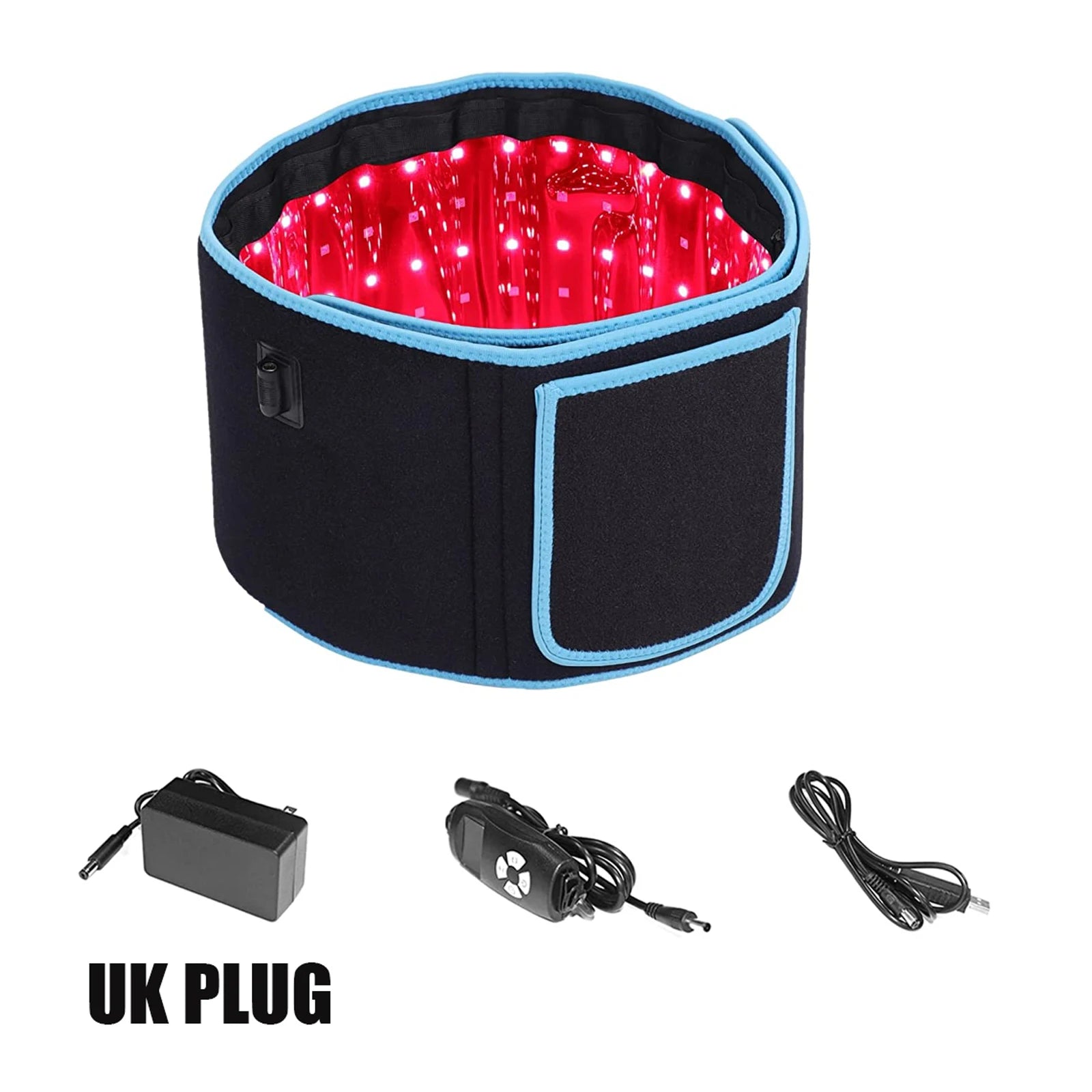
Use a portable red light therapy device for muscle tension relief and faster recovery
Portable Red Light Therapy vs Full-Size Panels
Portable devices and full-size red light therapy panels use the same underlying technology, but they serve different purposes. The best choice depends on how much of the body you intend to treat and how important portability is to your routine.
Coverage Area
Portable devices focus light on a specific body region, making them ideal for joints, facial treatments, and localized muscle recovery. Full-size panels illuminate much larger areas simultaneously, making them more suitable for full-body wellness sessions.
Treatment Time
Because portable devices cover a smaller surface area, treating multiple body regions usually requires repositioning the device between sessions. Larger panels reduce total treatment time by exposing broader areas during a single session.
Power Output
Many portable devices deliver sufficient irradiance for localized therapy, but professional-grade panels often combine higher output with greater coverage. This allows users seeking whole-body treatments to complete sessions more efficiently.
Who Should Choose Each
-
Choose a portable red light therapy device if you want:
- Targeted treatment for muscles or joints
- A travel-friendly solution
- Lower upfront cost
- Easy storage and everyday convenience
-
Consider a full-size panel if you want:
- Whole-body treatments
- Shorter overall treatment sessions
- Maximum coverage for athletic recovery or wellness routines
- A dedicated home therapy setup
For many users, a wearable portable device offers the best balance between effectiveness, flexibility, and convenience, while full-size panels become more attractive for those planning frequent full-body treatments.
Final Recommendations
Best Overall
For most people, the best portable red light therapy device combines dual wavelengths, wearable convenience, reliable build quality, and enough coverage for common treatment areas. A wearable system that includes both 630–660nm red light and 850nm near-infrared light offers the greatest versatility for skin health, muscle recovery, and joint support.
Best Value
If you're looking for long-term value, prioritize devices that publish clear wavelength specifications, offer rechargeable batteries, include a solid warranty, and can treat multiple body areas instead of focusing only on the lowest purchase price.
Best for Pain
Users seeking relief for localized muscle soreness or joint discomfort should choose a device that incorporates near-infrared wavelengths around 850nm with a wearable or hands-free design for consistent positioning during treatment.
Best for Skin
Compact handheld devices emphasizing 630–660nm red light are often the best option for facial treatments, improving skin texture, and supporting collagen production in smaller treatment areas.
Best for Travel
Frequent travelers benefit from lightweight, rechargeable portable red light therapy machines that fit easily into luggage while still providing effective treatment for targeted body regions.
Frequently Asked Questions
What is the best portable red light therapy device for pain relief?
The best choice typically combines dual wavelengths (approximately 660nm and 850nm), sufficient irradiance, and a wearable design that allows consistent treatment of muscles and joints. These features make the device more versatile than a single-wavelength model.
Are portable red light therapy devices safe for daily use?
Most quality devices are designed for regular home use when operated according to the manufacturer's instructions. Many users see good results with three to five sessions per week, although some treatment protocols recommend daily use during the initial phase.
Does low level light therapy really work?
Research on photobiomodulation suggests that low level light therapy can support normal tissue repair, improve circulation, and reduce temporary inflammation. Results depend on appropriate wavelengths, treatment duration, and consistent use over time.
How long should each portable red light therapy session last?
Most manufacturers recommend treating an individual area for approximately 10 to 20 minutes per session. Always follow the instructions supplied with your specific device, as treatment recommendations vary depending on light output.
Is a handheld red light therapy device as effective as a panel?
Handheld devices can be highly effective for localized treatment areas such as the face, neck, knees, or shoulders. Full-size panels are generally more efficient for whole-body treatments because they cover a much larger surface area in a single session.
What wavelength is best for skin versus deep tissue?
Red light between 630 and 660nm is generally preferred for skin-related applications, while near-infrared wavelengths around 810 to 880nm penetrate deeper into muscles and joints. Dual-wavelength devices provide the greatest flexibility.
Can I use portable red light therapy at home every day?
Yes. Portable devices are specifically designed for convenient home use. Consistent treatments performed according to the manufacturer's recommendations generally produce better results than occasional intensive sessions.
What should I look for before buying a portable red light therapy machine?
Compare wavelength combinations, irradiance, treatment area, battery life, build quality, safety certifications, warranty coverage, and published technical specifications. Devices that clearly disclose these details are usually easier to evaluate objectively.
Pillar Article: How Long to Use Red Light Therapy? Best Devices Compared
Other Related Articles:
- Handheld Red Light Therapy Device Reviews: Top Picks for Fast Relief
- Daily Red Light Therapy Review: Which Device Fits Your Routine?
- Best Time to Do Red Light Therapy? 7 Devices Ranked for Results
- How Does Red Light Work? Top At-Home Devices Reviewed
Explore More:













