

Does a foot soak for tired feet really help?
Answer: Yes — a foot soak for tired feet can help reduce the feeling of soreness, ease muscle tension, and improve comfort after long periods of standing, walking, or physical activity. The main benefits come from warm water, gentle massage, and relaxation rather than claims of removing toxins or treating medical conditions. Combining a warm soak with Epsom salt, a homemade foot bath detox recipe, or a portable foot spa can create an effective at-home routine for relaxing tired feet.
⏱ 9 min read
Foot Bath for Tired Feet: Best At-Home Soaks, Spas & Relief Picks (2026 Guide)
A foot bath for tired feet is one of the simplest ways to relax sore, overworked feet after a long day. Whether your discomfort comes from standing at work, walking for hours, exercise, or everyday fatigue, the right foot soak can provide temporary relief and improve your recovery routine.
This 2026 guide compares different foot care options, from simple warm water and Epsom salt soaks to heated foot spas and technology-based wellness devices. We compare important factors such as heat performance, massage features, portability, cleaning requirements, and overall convenience to help you choose the best foot bath for tired feet.
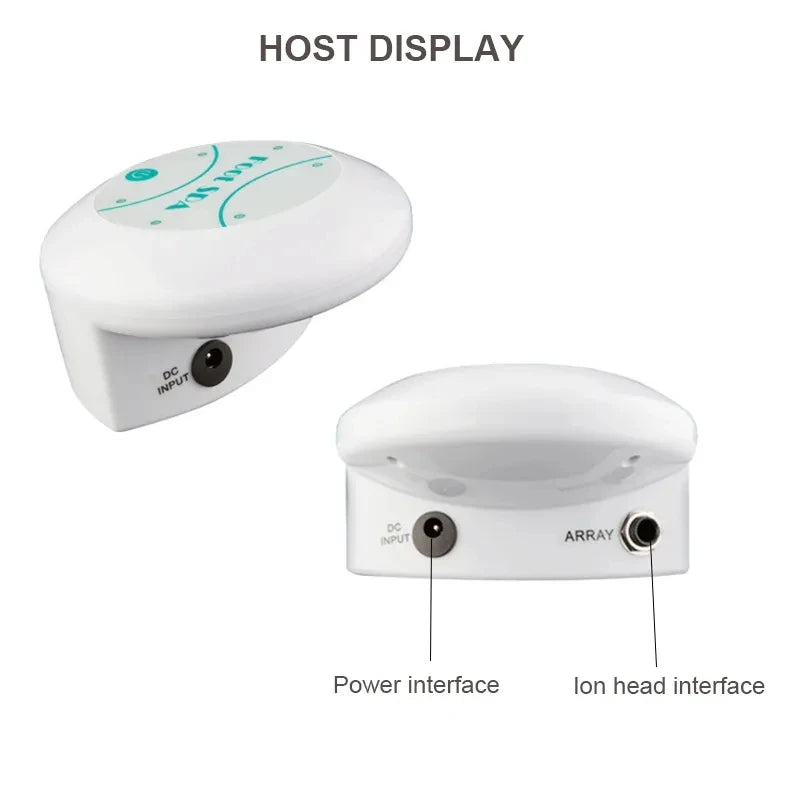
foot soak tired feet • foot spa portable • See it in action — consider the ionic foot detox at home option.
Best foot baths for tired feet (Top Picks Compared)
The best foot bath for tired feet depends on your specific needs. Some people want a quick and affordable soak after work, while others prefer a heated foot spa with rollers, vibration, and bubbles for a more complete relaxation experience.
When comparing foot spas, focus on the features that affect everyday comfort: heat consistency, massage intensity, portability, ease of cleaning, water capacity, and whether the design matches your lifestyle.
Quick comparison table (features, price, best for)
| Type | Best for | Key features | Price level | Main limitation |
|---|---|---|---|---|
| Heated foot spa | Overall foot relaxation | Warm water, temperature control, massage rollers, vibration | Mid-range | Needs storage and cleaning |
| Bubble foot bath | Gentle daily relaxation | Bubbles, soothing water movement, simple operation | Budget to mid-range | Less intense massage |
| Manual soak (basin + salts) | Budget foot care | Warm water, Epsom salt, customizable ingredients | Low cost | No automatic heat or massage |
| Portable collapsible foot spa | Small spaces and travel | Compact design, easy storage, basic soaking features | Budget to mid-range | Usually fewer premium features |
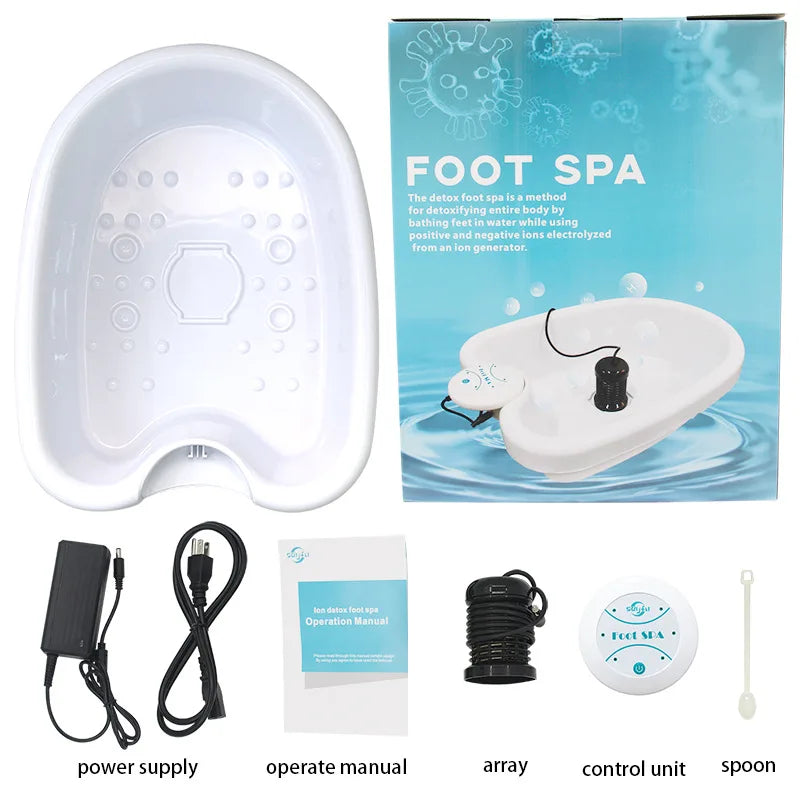
| Ionic foot detox device | Wellness routines | Technology-based soaking experience | Mid to higher range | Detox claims have limited scientific evidence |
Best overall foot bath for tired feet
A heated foot spa with massage rollers is often the best choice for users who want a complete at-home recovery routine. The combination of warmth and mechanical massage can help relax tense muscles and improve the comfort of tired feet after daily activity.
Best budget foot soak solution
A simple warm water soak with Epsom salt remains one of the most affordable ways to relax tired feet at home. It requires minimal setup and can be customized with ingredients such as essential oils for a calming experience.
Best portable foot spa for sore feet
A portable foot spa is ideal for users who have limited storage space or want flexibility. Lightweight and collapsible models are easier to store while still providing the benefits of warm water soaking.
Best heated foot massager spa
For deeper relaxation, choose a heated foot massager spa with vibration and roller features. These models combine heat therapy with stimulation of the soles, making them suitable for people who regularly experience tired feet after standing, walking, or exercise.
Best foot bath for swelling and circulation
Warm water and gentle massage may help reduce the sensation of heavy feet and temporarily support circulation comfort after long periods of activity. For a technology-focused wellness option, try the KentDO Ionic Detox Foot Bath .
Best foot bath for plantar fasciitis and athletes
People with active lifestyles may prefer foot baths with comfortable roller support and adjustable massage settings. A foot soak can be part of a broader recovery routine, but persistent heel pain or foot problems should be evaluated by a healthcare professional.
Side-by-side comparison
| Option | Best for | Pros | Cons | Where it fits |
|---|---|---|---|---|
| Simple warm foot soak + Epsom | Fast relief and affordability | Easy ingredients, low cost, customizable | No built-in massage or temperature control | Daily home foot care |
| Foot spa portable (heated, bubbles) | Comfort and light massage | Hands-free soaking, warmth, vibration options | Requires storage and cleaning | Routine relaxation and recovery |
| Homemade foot bath detox recipe | DIY wellness routines | Flexible ingredients such as salts and oils | Requires preparation time | Occasional self-care sessions |
| Ionic foot detox at home | Technology-focused wellness users | Creates a structured relaxation ritual | Detox benefits remain debated | Wellness routine — try KentDO Ionic Detox Foot Bath |
How foot baths work for tired feet (benefits explained)
Foot baths work by combining several comfort-focused features, including heat, water immersion, massage stimulation, and relaxation. Understanding how each feature works helps explain the real foot bath benefits while avoiding exaggerated claims about what a foot soak can do.
Heat therapy and muscle relaxation
Warm water helps increase comfort by relaxing tight muscles, reducing stiffness, and easing the feeling of fatigue after long periods of standing, walking, or exercise. Heat therapy is one of the main reasons a foot soak for tired feet feels soothing after daily activity.
A consistent soaking temperature can create a relaxing recovery routine, especially when combined with gentle stretching or massage after the soak.
Massage rollers, bubbles, and vibration effects
Many modern foot spas include features such as massage rollers, bubble jets, and vibration settings. These features provide mechanical stimulation to the soles of the feet, which may help reduce the sensation of tension and improve overall comfort.
Massage intensity matters when choosing a foot spa. Stronger settings are not always better, especially for sensitive feet. A comfortable level that you can use consistently is often more practical for daily relaxation.
Infrared and circulation features explained
Some advanced foot baths include infrared heating or additional warming technologies designed to enhance the soaking experience. These features may feel relaxing, but they should not be considered a replacement for medical treatments related to circulation problems.
For most users, the primary benefits of a foot bath come from warmth, gentle massage, and relaxation. These elements can help tired feet feel refreshed after physical activity or long workdays.
Epsom salt and ionic foot detox myths vs reality
Epsom salt is a popular addition to homemade foot soaks because it helps soften skin and creates a relaxing bathing experience. However, claims that Epsom salt or foot baths remove toxins from the body are not strongly supported by scientific evidence.
Ionic foot detox devices are also popular among people interested in ionic foot detox at home routines. While these devices can provide a structured wellness ritual and relaxation experience, detox claims should be viewed carefully. The most reliable benefits of foot soaking come from heat, comfort, and self-care habits rather than toxin removal.
How to use a foot bath for maximum relief
Step-by-step soaking routine
- Fill the foot bath with comfortably warm water, avoiding temperatures that feel too hot.
- Add Epsom salt or skin-friendly essential oils if desired and suitable for your skin.
- Soak feet for approximately 15–20 minutes.
- Use massage rollers, vibration settings, or gently move your feet during the session.
- Dry feet thoroughly and apply moisturizer to help maintain soft skin.
This simple routine can be used as part of a regular approach for learning how to relax tired feet at home , especially after work, travel, exercise, or extended standing.
Homemade foot soak for tired feet recipe
- Warm water (enough to comfortably cover ankles)
- 1/2 cup Epsom salt
- 5–10 drops lavender or peppermint oil if tolerated
- Optional: a small amount of apple cider vinegar for a refreshing soak
This homemade foot soak for tired feet provides a simple way to create a relaxing at-home routine. The combination of warm water and optional ingredients can help soften skin, reduce foot odor, and improve the feeling of tired feet after a busy day.
How often to use a foot bath
Many people can use a foot bath daily as part of their relaxation routine when sessions are kept moderate and the device is cleaned properly after each use. If you notice skin dryness or irritation, reduce frequency or shorten soaking time.
foot soak tired feet • homemade foot bath detox recipe • Try this soothing combo after long shifts.
Which foot soak is right for you? (Use-case guide)
For all-day standing or work fatigue
A heated foot spa with massage rollers is a practical choice for people who spend many hours standing or walking. Heat and gentle stimulation can help tired feet feel more comfortable after demanding days.
For plantar fasciitis or foot pain
People experiencing heel discomfort may prefer foot baths with comfortable roller support combined with stretching and recovery habits. A foot soak may support relaxation, but ongoing or severe pain should be evaluated by a healthcare professional.
For athletes and post-workout recovery
A warm foot bath can complement an athlete’s recovery routine by helping relax feet after training, running, or high-impact activities. Models with adjustable massage settings may provide additional comfort after exercise.
For arthritis and joint stiffness
Warm water soaking may provide temporary comfort for stiff joints by creating a relaxing environment around the feet. Users with joint conditions should choose gentle temperatures and avoid excessive pressure from massage features.
For stress relief and relaxation
Bubble foot baths combined with calming scents can create a spa-like evening routine. A relaxing soak before bed may help reduce the feeling of daily stress and encourage a consistent self-care habit.
For curiosity about ionic foot detox
Ionic foot baths are popular among wellness users who enjoy technology-based relaxation routines. Their detox benefits remain debated, but they may still be used as a calming self-care experience. For a dedicated option, consider the KentDO Ionic Detox Foot Bath .
Pros and cons of foot baths for tired feet
A foot bath for tired feet can be a convenient addition to a daily recovery routine, but the benefits depend on the type of foot bath, how consistently it is used, and what symptoms you are trying to address. Understanding both the advantages and limitations helps you decide whether a foot spa is worth adding to your home wellness setup.
- Pros:
- Provides quick comfort for tired, sore feet after standing, walking, or exercise
- Warm water and massage features can help relax tight muscles and reduce temporary stiffness
- Offers an affordable at-home alternative to frequent professional foot treatments
- Different options are available for relaxation, light massage, portability, and personal comfort
- Cons:
- Requires regular setup, filling, emptying, and cleaning after use
- Electric foot spas may require storage space and access to a power outlet
- Results are focused on relaxation and temporary comfort rather than treating underlying medical conditions
- Some users may find stronger massage rollers or vibration features uncomfortable
What actually matters when evaluating foot bath performance
Instead of relying on unsupported claims or quick-fix promises, the effectiveness of a foot bath is best judged by practical factors such as heat consistency, massage comfort, ease of use, and whether it fits your daily routine.
- Warm water soaking: A simple soak can help relax tired muscles and soften skin after a long day.
- Massage features: Rollers and vibration settings may provide additional comfort for users who prefer targeted foot stimulation.
- Convenience: A foot bath that is easy to clean and store is more likely to become part of a consistent routine.
The best option is usually the one that matches your needs and lifestyle. A basic basin may be enough for occasional relaxation, while a heated foot spa may be more suitable for regular recovery routines.
Practical tips to maximize every soak
Best soaking temperature and duration
For most people, a comfortable foot bath temperature is around 100–105°F (38–41°C). Soaking for 10–20 minutes is generally enough to relax feet without causing excessive skin dryness.
Adding salts and essential oils safely
Epsom salt can be used to create a relaxing soak and may help soften rough skin. Essential oils such as lavender or peppermint can add a pleasant aroma, but they should be diluted properly and avoided if they cause skin irritation.
- Use clean water for every session
- Avoid adding ingredients that may irritate sensitive skin
- Stop use if redness, itching, or discomfort occurs
Cleaning your foot bath after use
Proper maintenance helps keep your foot spa hygienic and improves long-term usability. After each session, empty the water, rinse away residue, and dry the basin completely before storage.
- Wipe massage rollers and surfaces according to the manufacturer’s instructions
- Remove leftover salts or oils to prevent buildup
- Store the foot bath in a dry location when not in use
Key features to consider before buying a foot bath
Choosing the best foot bath for tired feet depends on more than price or appearance. The right model should match how you plan to use it, whether that means quick relaxation after work, recovery after exercise, or regular at-home foot care. Consider these important features before buying a portable foot spa or heated foot bath.
Heating speed and temperature settings
Consistent warmth is one of the main reasons people use foot baths. Look for models that maintain a comfortable temperature and offer simple controls. Adjustable heat settings allow you to choose a relaxing soak temperature while reducing the risk of excessive heat exposure.
- Check whether the foot bath maintains warmth or only heats water initially
- Look for easy-to-use temperature controls
- Choose a comfortable heat level based on your sensitivity and needs
Massage rollers and vibration options
Massage features can make a significant difference for users seeking a foot spa for tired feet. Rollers, vibration, and bubble functions provide additional stimulation that may help relax tense muscles and improve the overall soaking experience.
- Roller intensity should feel comfortable rather than painful
- Vibration settings are useful for gentle relaxation
- Bubble functions can enhance a spa-like experience
Size, portability, and water capacity
A portable foot spa should fit your available space while still allowing your feet to soak comfortably. Larger basins may provide more room, but compact designs are easier to store and move.
- Measure storage space before choosing a larger model
- Consider weight and carrying handles if portability matters
- Check water capacity to avoid frequent refilling
Cleaning and maintenance requirements
Easy cleaning is an important part of long-term foot bath ownership. Models with smooth surfaces and removable components are usually simpler to maintain and help support better hygiene between uses.
- Empty and rinse the basin after each session
- Dry the foot bath completely before storage
- Follow manufacturer instructions for cleaning massage components
Safety tips and when to avoid foot soaks
Foot baths are generally safe for most people when used correctly, but proper temperature control, hygiene, and awareness of personal health conditions are important. A relaxing soak should never replace medical treatment for ongoing foot problems or circulation concerns.
- Avoid very hot water to reduce the risk of burns or skin irritation
- Keep soaking sessions around 15–20 minutes for regular use
- Check water temperature carefully if you have reduced heat sensitivity
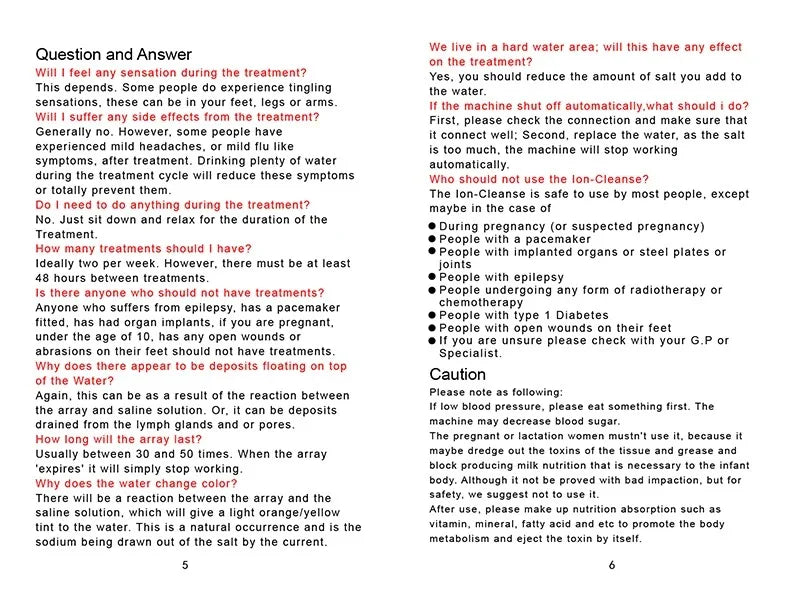
- Consult a healthcare professional before use if you have diabetes, neuropathy, circulation problems, or reduced sensation in your feet
- Do not use a foot bath on open wounds, active infections, or irritated skin
People with neuropathy or circulation concerns may not notice excessive heat or skin irritation as quickly as others. Using moderate temperatures and following safety guidance can help make foot soaks a more comfortable experience.
foot soak tired feet • foot spa for sore feet • Try a combined approach for best results.
Final recommendation: Best foot bath for your needs
The best foot bath for tired feet depends on your priorities. If you want the most complete relaxation experience, a heated foot spa with massage rollers provides a combination of warmth and foot stimulation. For occasional use or a lower-cost option, a simple warm water soak with Epsom salt can still provide comfort after a long day.
- Best overall for regular relaxation: Heated foot spa with temperature control and massage features
- Best budget option: Basic foot soak basin with warm water and optional Epsom salt
- Best for small spaces or travel: Portable or collapsible foot spa designs
- Best for wellness-focused routines: A tech-enabled option such as the KentDO Ionic Detox Foot Bath
When comparing foot baths, focus on the features you will actually use most often. Comfort, ease of cleaning, storage, and consistent use usually matter more than having the highest number of functions.
FAQ: Foot soak for tired feet
How long should I soak feet for tiredness?
A 15–20 minute foot soak is generally enough to relax tired muscles, soften skin, and provide temporary comfort without over-drying the feet.
Can I use a foot bath every day?
Yes, many people can use a foot bath daily if sessions are kept moderate, the water is clean, and the skin remains healthy. Avoid over-soaking if it causes dryness or irritation.
What is the best foot soak for sore feet?
A warm water soak with optional Epsom salt is a popular choice for sore feet because heat helps relax muscles and improve comfort. A foot spa with massage features may provide additional relaxation.
Do ionic foot detox devices actually work?
Scientific evidence supporting claims that ionic foot detox devices remove toxins is limited. However, these devices may still be used as a relaxation routine similar to other foot soaking methods. Consider the KentDO Ionic Detox Foot Bath for a wellness-focused experience.
Can foot soaks help circulation?
Warm water and gentle massage may temporarily support blood flow and reduce the feeling of heaviness or swelling after long periods of standing or walking.
Are heated foot baths safe for everyone?
Heated foot baths are generally safe for many people, but those with diabetes, neuropathy, circulation issues, or reduced foot sensation should ask a healthcare professional before use and avoid high temperatures.
Tags: foot soak tired feet, foot spa portable, foot bath detox, ionic foot detox, foot spa for sore feet, at home foot care, relief for tired feet, diy foot soak, foot relaxation
Pillar Article: Foot Home Spa Reviews: Which Device Delivers True Relaxation
Other Related Articles:
- Tired Feet Soak Review: Which Foot Baths Actually Help
- Foot Massage for Sore Feet: 5 Devices That Bring Relief Fast
- Best Home Remedies for Stress and Anxiety: Foot Soaks That Work
- Top Foot Spa for Home Options Compared: Which Is Worth It
Explore More:













