

Foot Bath for Tired Feet: Best Picks, Benefits & Buying Guide (2026)
Looking for the best foot bath for tired feet after long workdays, demanding shifts, or intense workouts? A quality foot bath can help soothe aching muscles, promote relaxation, and temporarily improve circulation through warm water and gentle massage. In this guide, you'll learn how a foot soak for tired feet works, what benefits you can realistically expect, and how to get the most from every soaking session at home.
⏱ 5 min read
Does a Foot Soak for Tired Feet Really Work?
Yes. A foot soak for tired feet can provide short-term relief from soreness, stiffness, and fatigue by combining warm water with relaxation techniques such as massage, bubbles, or vibration. While a foot bath won't treat underlying medical conditions, many people experience less muscle tension, greater comfort, and a noticeable sense of relaxation after a 15–20 minute soak.
People who spend long hours standing, walking, exercising, or wearing supportive work shoes often benefit the most. If you regularly experience tired, overworked feet, a foot bath can become a simple part of your recovery routine.
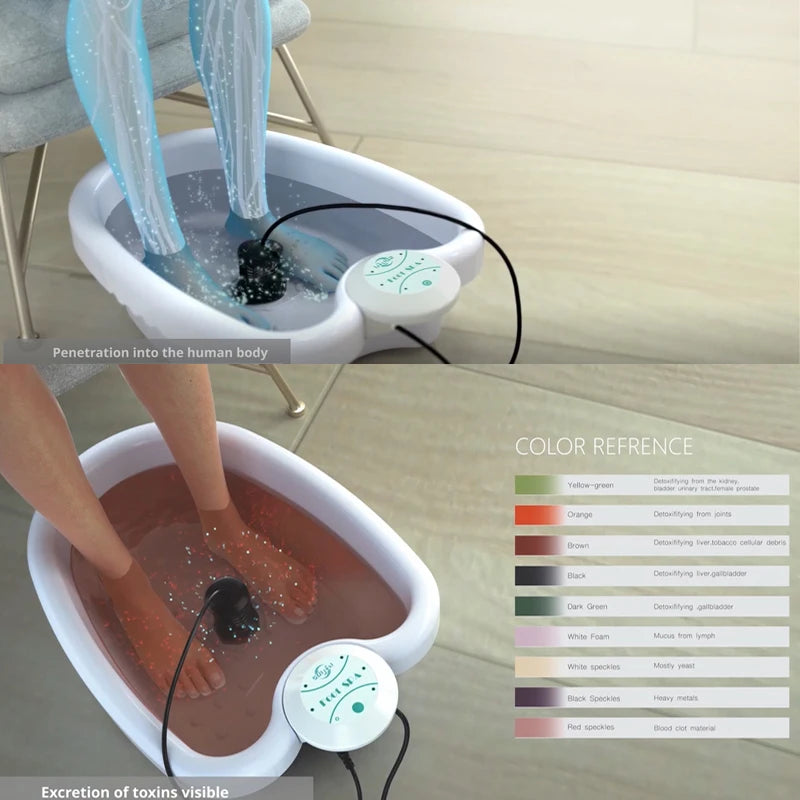
See it in action with a relaxing foot bath for circulation support and a comfortable at-home recovery routine.
Feeling exhausted after hours on your feet? You're not alone. Standing all day, running, hiking, or even prolonged sitting can leave your feet feeling swollen and fatigued. A tired feet soak offers an easy way to unwind at home by using warm water, gentle massage, and optional soaking ingredients to temporarily ease discomfort and help you feel refreshed.
Why Foot Baths Help Tired Feet
A relaxing foot bath combines warm water, hydrotherapy, and massage features to temporarily reduce foot fatigue and promote comfort. Whether your feet are sore from exercise, long work shifts, or daily activities, soaking them in comfortably warm water can help loosen tight muscles while encouraging relaxation.
How do foot baths help circulation?
Warm water gently widens the blood vessels near the skin, allowing blood to circulate more freely through your feet. Better circulation helps deliver oxygen and nutrients to tired tissues while supporting normal muscle recovery. Massage rollers and vibration may further stimulate the soles of the feet, creating a soothing sensation that many users find relaxing.
How heat, massage, and bubbles relieve foot fatigue
- Heat: Relaxes tight muscles, eases stiffness, and creates a calming environment for recovery.
- Massage rollers: Apply gentle pressure to the soles of the feet, helping reduce tension after long periods of standing or walking.
- Bubbles: Provide light hydrotherapy that enhances comfort and promotes relaxation during soaking.
- Vibration: Delivers a mild massage that may temporarily reduce feelings of fatigue and leave feet feeling refreshed.
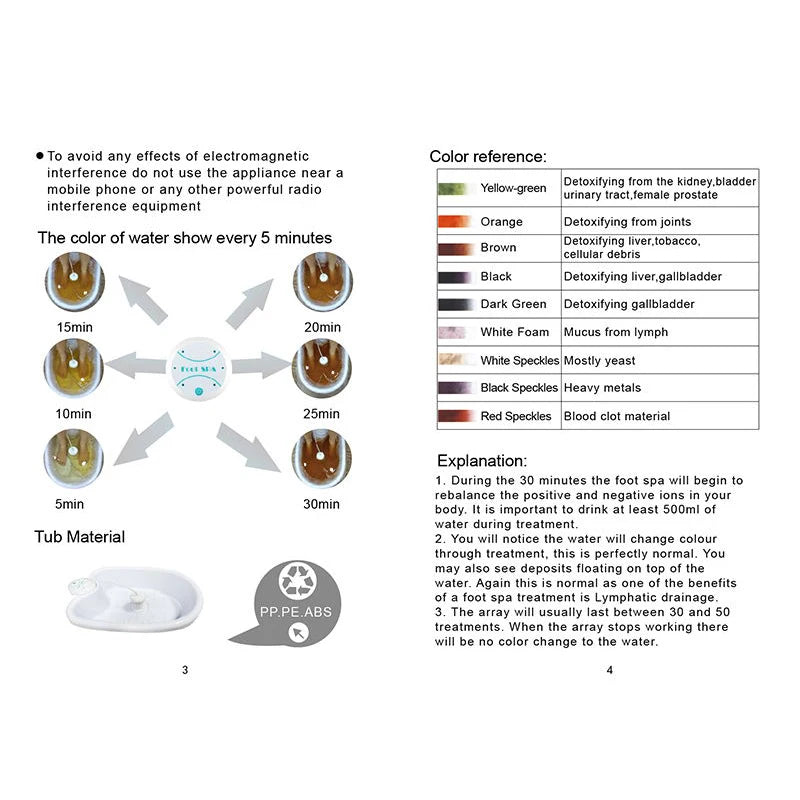
Explore the benefits of a relaxing foot bath and discover how consistent soaking can help tired, overworked feet feel refreshed.
What Is a Foot Bath and How Does It Work?
A foot bath is a basin or electric spa designed to soak your feet in warm water, often with added massage features such as vibration, bubbles, or rollers. The combination of heat and gentle stimulation helps relax muscles, soften skin, and create a calming recovery experience after long days on your feet.
How warm water relaxes muscles
Warm water is the foundation of foot bath therapy. Temperatures between 98°F and 104°F (37°C–40°C) are generally comfortable for most people and help reduce muscle tightness without exposing the skin to excessive heat. A 15–20 minute soak is usually enough to relieve everyday foot fatigue and promote relaxation.
Many electric foot baths also include massage rollers or vibration, which can make the experience more soothing by gently stimulating the soles of the feet.
How Epsom salt and other ingredients may help
Warm water alone is often enough for a relaxing soak, but some people enjoy adding ingredients to address specific concerns. While evidence varies, these additions can enhance comfort and improve the overall spa experience.
| Ingredient | Best For | Potential Benefits | Notes |
|---|---|---|---|
| Epsom salt | Tired, achy feet | Promotes relaxation and softens skin | Popular choice for post-work recovery |
| Essential oils | Stress relief | Creates a calming aroma during soaking | Use only skin-safe, diluted products |
| Baking soda | Foot odor | Helps freshen feet and soften rough skin | Use in moderation |
| Oatmeal | Dry or sensitive skin | Provides a soothing soak | May leave residue that requires cleaning |
Quick Comparison of Foot Soak Ingredients
| Symptom | Recommended Ingredient | Main Benefit | Limitations |
|---|---|---|---|
| General fatigue | Warm water | Relaxes muscles and improves comfort | Temporary relief |
| Sore muscles | Epsom salt | Supports a relaxing recovery routine | Evidence for magnesium absorption is limited |
| Swollen feet | Cool-to-warm water transition | May temporarily reduce feelings of puffiness | Not suitable for everyone |
| Dry skin | Oatmeal or moisturizing soak | Softens rough skin | Follow with moisturizer |
| Foot odor | Baking soda | Helps neutralize odor | Does not treat fungal infections |
How to Soak Tired Feet for Maximum Relief
Step-by-step routine
Following a consistent routine helps you get the most benefit from a foot bath for tired feet while avoiding common mistakes such as overheating the water or soaking for too long.
- Fill your foot bath with warm water between 98°F and 104°F (37°C–40°C).
- Add your preferred soaking ingredient, such as Epsom salt or a few drops of a skin-safe essential oil, if desired.
- Soak your feet for 15–20 minutes to encourage relaxation without drying the skin.
- If your foot bath includes massage rollers or vibration, use them periodically throughout the session instead of continuously.
- Gently stretch your toes and ankles before removing your feet from the bath to improve mobility.
What to do after soaking
Pat your feet completely dry, paying special attention to the areas between your toes. Apply a moisturizing cream or lotion to help lock in hydration, and wear clean, breathable socks if you plan to rest afterward. Drinking a glass of water and elevating your feet for a few minutes can also help complete your recovery routine.
Whether you're soaking tired feet after work, exercise, or a long day of walking, this simple routine supports feet soaking relaxation and can leave your feet feeling refreshed.
Foot Soak Benefits: What Results to Expect
What science supports
The primary foot bath benefits come from warm water therapy, relaxation, and gentle massage rather than any single ingredient. For most healthy adults, regular soaking may provide:
- Temporary relief from muscle soreness and tired feet
- Improved comfort after prolonged standing or walking
- A relaxing experience that may help reduce everyday stress
- Temporary improvement in circulation from warm water
- Softened skin that is easier to moisturize and care for
Many office workers, retail employees, healthcare professionals, runners, and recreational athletes include foot soaks in their recovery routines because they are convenient, inexpensive, and easy to perform at home.
What foot soaks cannot treat
Although the benefits of foot baths are real for relaxation and temporary comfort, they should not be considered a treatment for chronic foot pain, fractures, severe swelling, infections, or circulation disorders. Persistent pain, numbness, rapidly increasing swelling, or wounds that do not heal should be evaluated by a healthcare professional.
Keeping realistic expectations allows you to enjoy the benefit of foot baths as part of an overall self-care routine rather than relying on them as a medical treatment.
Who Should Avoid Foot Soaks?
Diabetes and neuropathy
People with diabetes, peripheral neuropathy, or reduced sensation in their feet should speak with a healthcare professional before using a foot bath. Because it may be difficult to accurately feel water temperature, there is an increased risk of burns or skin injury.
Open wounds and infections
Avoid soaking your feet if you have open cuts, blisters, active fungal infections, or signs of a skin infection unless your healthcare provider recommends it. Prolonged exposure to water may delay healing or worsen certain conditions.
Poor circulation
If you have severe peripheral artery disease, significant swelling of unknown cause, or circulation disorders, consult a healthcare professional before beginning regular foot bath therapy. Individual recommendations may differ depending on your medical history.
When to see a doctor
Seek medical evaluation if foot pain persists despite self-care, swelling develops suddenly, numbness continues to worsen, or you notice redness, warmth, drainage, or wounds that fail to heal. A relaxing foot bath can provide temporary comfort, but it should not replace appropriate medical treatment when symptoms are severe or ongoing.
Common Mistakes When Using a Foot Bath
- Using water that is too hot: Water above 104°F (40°C) may irritate the skin or increase the risk of burns, especially if sensation is reduced.
- Soaking for too long: Staying in the bath for more than 20–30 minutes can dry out the skin and reduce the benefits of a foot soak for tired feet.
- Using the wrong ingredients: Avoid excessive amounts of essential oils, harsh chemicals, or ingredients that may irritate sensitive skin.
- Skipping moisturizer: Applying a moisturizer after drying your feet helps restore hydration and maintain healthy skin.
- Neglecting cleaning: Empty, rinse, and disinfect your foot bath after each use to reduce the buildup of bacteria and residue.
- Expecting detox effects: Enjoy a relaxing foot bath for comfort and stress relief, but remember that claims of whole-body detoxification through foot baths are not well supported by scientific evidence.
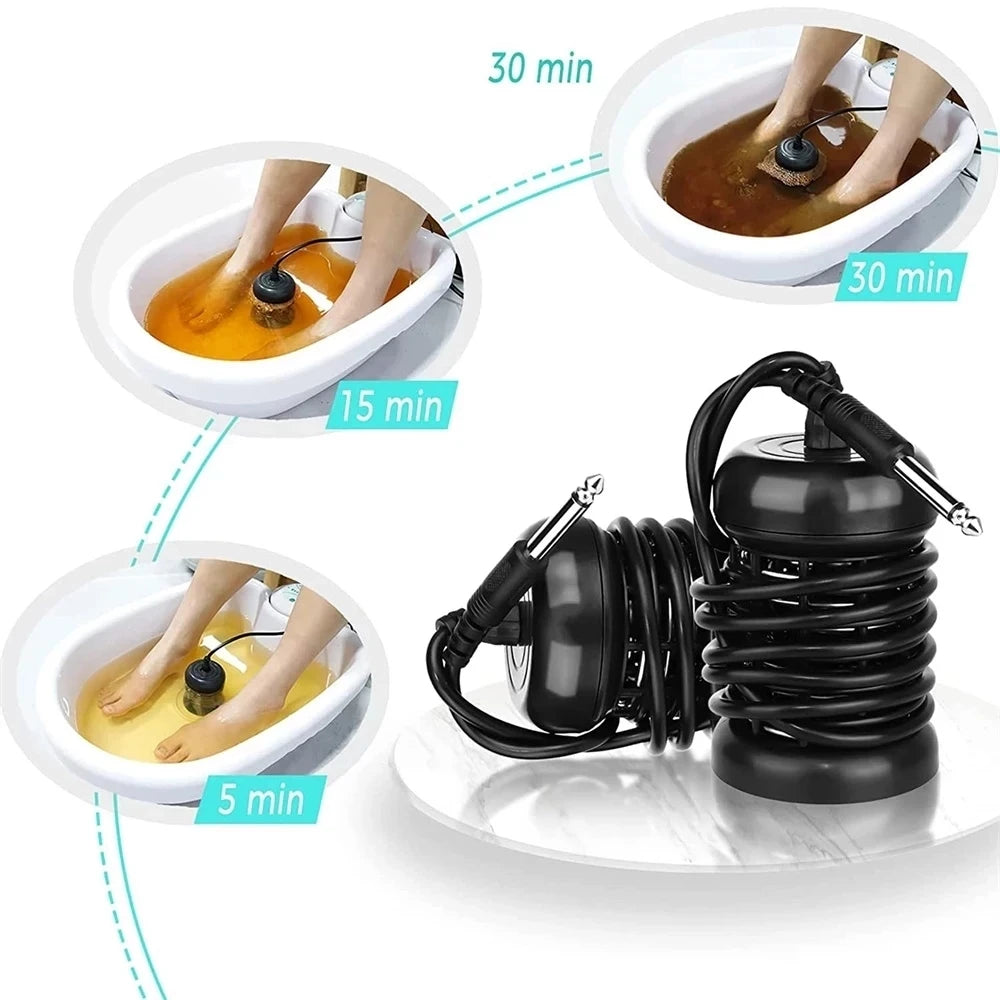
See how a relaxing foot bath with gentle massage can refresh tired feet after a busy day — Get yours now
Frequently Asked Questions
How long should you soak tired feet?
For most adults, soaking your feet for 15–20 minutes provides the best balance of comfort and effectiveness. Sessions longer than 30 minutes may dry the skin and offer little additional benefit.
Can you soak your feet every day?
Yes. Daily foot soaks are generally safe for healthy individuals when you use warm—not hot—water and limit each session to about 20 minutes. If your skin becomes dry, reduce the frequency or apply a rich moisturizer after every soak.
Do foot baths help circulation?
Warm water encourages blood vessels near the skin to widen temporarily, while massage rollers and vibration can create a soothing sensation. Together, these features may help improve circulation and reduce feelings of foot fatigue after long periods of standing or walking.
Is Epsom salt necessary for a foot soak?
No. Warm water alone can provide a relaxing foot bath. Epsom salt is a popular addition because many people find it soothing, but there is limited evidence that it provides benefits beyond those of a warm water soak.
Can a foot soak reduce swelling?
A relaxing foot bath may temporarily reduce mild swelling associated with prolonged standing or everyday fatigue. However, persistent, severe, or unexplained swelling should be evaluated by a healthcare professional.
What is the best water temperature for a foot soak?
A temperature between 98°F and 104°F (37°C–40°C) is comfortable for most people. Avoid very hot water, especially if you have sensitive skin or reduced sensation in your feet.
Are foot baths good for plantar fasciitis?
A warm foot bath may temporarily ease muscle tightness and improve comfort, but it does not treat the underlying cause of plantar fasciitis. Combining foot soaks with stretching, supportive footwear, and other recommended treatments is typically more effective.
Do foot spas work better than a regular basin?
Both can provide the relaxing benefits of warm water therapy. Electric foot spas add features such as massage rollers, vibration, or bubbles that many users find more comfortable, but a simple basin with warm water can still be effective for everyday tired feet.
Can ionic foot detox actually work?
Ionic foot baths may provide a relaxing soaking experience, but current scientific evidence does not support claims that they remove toxins from the body. Their primary benefit is helping users unwind and enjoy a soothing home wellness routine.
When should you avoid soaking your feet?
Avoid foot soaks if you have open wounds, severe infections, significant burns, or if a healthcare professional has advised against soaking due to an existing medical condition. People with diabetes or reduced sensation in their feet should seek medical guidance before using a foot bath regularly.
For more wellness tools, explore our Body Care and Health Devices or discover tips on Beauty & Self-Care Blog for enhanced home routines.
Pillar Article: Foot Home Spa Reviews: Which Device Delivers True Relaxation
Other Related Articles:
- Foot Soak Tired Feet Comparison: Top At-Home Relaxation Picks
- Foot Massage for Sore Feet: 5 Devices That Bring Relief Fast
- Best Home Remedies for Stress and Anxiety: Foot Soaks That Work
- Top Foot Spa for Home Options Compared: Which Is Worth It
Explore More:













