

Is a Foot Spa Worth It? Real Benefits, Costs & Better Alternatives
Is a foot spa worth it? (Quick answer + decision snapshot)
Yes—a foot spa is worth it if you regularly experience tired, aching feet, spend long hours standing, or want an easy way to build a relaxing self-care routine at home. Compared with a standard foot soak, a quality foot spa combines warm water, massage features, and consistent heat to provide a more comfortable and convenient experience.
However, a foot spa may not be worth buying if you only soak your feet a few times each year, have a limited budget, or are satisfied with a simple basin of warm water and Epsom salt. In those cases, lower-cost alternatives often provide enough relief.
For most people who use one several times each week, the added comfort, convenience, and consistency make the investment worthwhile. The key is matching the device to how often you expect to use it.
Who should buy a foot spa
- People with sore or tired feet after work, exercise, or long periods of standing
- Anyone looking for an easy at-home relaxation routine
- Users who want consistent heat and gentle massage without setting up a DIY soak each time
- People seeking temporary support for foot massage circulation and everyday muscle comfort
Who should skip it
- People who only soak their feet occasionally
- Budget-conscious shoppers looking for the lowest-cost solution
- Anyone who prefers simple, low-maintenance wellness routines
- Those expecting medical treatment for chronic foot conditions rather than temporary comfort and relaxation
Quick decision: If you'll realistically use a foot spa three or more times per week, the long-term value is typically much higher than relying on occasional manual foot soaks.
⏱ 7 min read
How does a foot spa actually work? (science + mechanism)
Heat therapy & hydrotherapy
One reason foot spas feel more effective than a basic basin of warm water is their ability to maintain a comfortable water temperature throughout the session. Warm water encourages temporary vasodilation—the widening of blood vessels—which supports healthy blood flow to the feet and lower legs. Better circulation delivers oxygen to muscles while helping reduce feelings of stiffness after standing, walking, or exercising.
Hydrotherapy also helps relax soft tissues and joints, making a 10–20 minute session feel more restorative than a quick rinse or soak that cools rapidly.
Massage rollers, vibration & bubbles
Many foot spa bath massage units combine several comfort features instead of relying on heat alone.
- Massage rollers provide gentle pressure across the soles of the feet to stimulate tissues and support temporary foot massage circulation.
- Vibration helps relax tired muscles and can reduce the sensation of fatigue after long periods on your feet.
- Bubble jets create light water movement that enhances comfort and provides a spa-like experience, although they generally contribute more to relaxation than deep massage.
Premium models may allow these functions to operate independently so you can customize each session based on comfort and recovery needs.
Evidence for circulation, pain relief & relaxation
So, do foot spas really work? Evidence suggests they can provide meaningful short-term benefits through a combination of heat and gentle massage. Users commonly report temporary improvements in comfort, reduced muscle soreness, and easier relaxation after regular sessions.
However, it's important to keep expectations realistic. A foot spa is designed to promote temporary relief and relaxation—not to diagnose, treat, or cure medical conditions. People with persistent pain, severe swelling, or circulation disorders should seek guidance from a qualified healthcare professional.
Real foot spa benefits (backed by outcomes, not hype)
Pain relief & recovery
Heat combined with massage can help ease everyday muscle soreness, reduce stiffness, and improve comfort after work, sports, or prolonged standing. While the effects are temporary, many users find regular sessions useful as part of their recovery routine.
Relaxation & stress reduction
Warm water and gentle massage encourage the body to shift into a more relaxed state. Many people use a foot spa in the evening because it helps them unwind, reduce tension, and prepare for better sleep without requiring an elaborate wellness routine.
Skin care & comfort
Regular soaking softens dry skin and rough calluses, making exfoliation and moisturizing more effective. Pairing a foot spa with appropriate foot care products can leave feet feeling smoother while improving overall comfort.
Evidence summary
Current evidence supports several realistic foot spa benefits worth buying :
- Temporary improvement in foot massage circulation through heat and hydrotherapy.
- Reduced feelings of muscle fatigue and everyday soreness.
- Enhanced relaxation and stress reduction during regular use.
- Softer skin when combined with a consistent foot care routine.
Although these outcomes are well suited for home wellness and recovery, a foot spa should be viewed as a comfort device rather than a replacement for medical evaluation or professional treatment.
Foot spa pros and cons (honest evaluation)
Pros (comfort, convenience, results)
- Maintains a more consistent water temperature than a manual foot soak.
- Combines heat, massage, and hydrotherapy in a single device for greater convenience.
- Supports temporary foot massage circulation and helps reduce everyday foot fatigue.
- Encourages a regular self-care routine that is easy to repeat at home.
- Can soften rough skin and prepare feet for moisturizing or exfoliation.
- Saves time compared with assembling a DIY soaking setup for every session.
Cons (cost, maintenance, limitations)
- Costs more upfront than a basic basin or bucket.
- Requires cleaning, drying, and storage after each use.
- Lower-priced models may offer limited massage intensity or fewer adjustable features.
- Portable models typically have smaller basins that may not fit every foot size comfortably.
- Provides temporary comfort rather than treating underlying medical conditions.
If you're asking is a foot spa worth it , the answer largely depends on how often you'll use it. Frequent users usually receive the best value, while occasional users may be equally satisfied with a simple soak or another recovery tool.
Cost vs value: is a foot spa worth buying long-term?
Purchase price vs alternatives
Foot spas are available across a wide range of price points. Entry-level units focus on basic heating and massage, while premium models add adjustable temperature controls, vibration, bubble jets, and additional comfort features.
- Budget models: Basic soaking and simple massage functions.
- Mid-range models: Better temperature stability, massage rollers, and improved comfort.
- Premium models: Multiple massage modes, vibration, bubbles, and enhanced user controls.
Compared with recurring spa visits, even a mid-range foot spa for home use can become a cost-effective investment for people who use it regularly.
Cost per use
A practical way to evaluate foot spa benefits worth buying is by calculating cost per session. A device used three to four times each week spreads its purchase cost over hundreds of relaxing sessions during its lifespan, making each use relatively inexpensive.
For people who only soak their feet a few times per year, however, a manual soak or Epsom salt bath generally offers better value.
Cleaning, durability & replacement costs
Most quality foot spas remain reliable for approximately one to three years when properly maintained. Emptying the basin after every session, wiping interior surfaces, and allowing the unit to dry completely can help extend its lifespan and maintain good hygiene.
Replacement costs are generally limited to normal wear over time, while optional items such as Epsom salt or foot care products represent the primary ongoing expense.
Best foot spa options & alternatives for home use
Portable foot spas
A foot spa portable enough for easy storage is an excellent choice for apartments, smaller bathrooms, or users who want a dedicated relaxation device without taking up permanent space.
| Option | Why it helps | Best for | Drawbacks |
|---|---|---|---|
| Ionic detox foot bath | Warm water with convenient home-use relaxation features | People who want consistent wellness routines | Higher upfront investment |
| Portable heated foot spa | Heat, massage, and hydrotherapy in one unit | Frequent home use | Requires storage and cleaning |
| Compact foldable foot spa | Easy to store in smaller living spaces | Occasional users and apartments | Fewer premium features |
See the ionic option discussed in detail at: /products/kentdo-ionic-detox-foot-bath
Foot massagers
If your priority is deeper kneading pressure rather than soaking, an electric foot massager may provide stronger mechanical massage. These devices require virtually no cleanup but do not offer the hydrotherapy benefits of warm-water foot spas.
Heating pads & Epsom salt soaks
Heating pads and traditional Epsom salt foot soaks remain effective low-cost alternatives for occasional relaxation. They require less upfront investment but typically lack the convenience, temperature consistency, and integrated massage features found in a dedicated foot spa.
Body Care and Health Devices
DIY alternative: homemade foot bath detox (does it compare?)
Simple recipes
A homemade foot bath detox is an inexpensive way to relax tired feet and soften dry skin. While it doesn't provide the massage or temperature control of a dedicated foot spa, it can still be an effective option for occasional use.
- Warm water + Epsom salt: A popular choice for easing muscle fatigue after long days on your feet.
- Warm water + baking soda: Helps soften rough skin and freshen feet before exfoliation.
- Essential oils: A few drops of lavender, peppermint, or eucalyptus can enhance the overall relaxation experience. Always dilute essential oils appropriately and avoid using them if you have skin sensitivities.
DIY vs foot spa results
For occasional relaxation, a homemade soak delivers good value at a very low cost. However, it cannot maintain water temperature or provide the rolling massage, vibration, and hydrotherapy features available in a dedicated foot spa.
| Feature | DIY Foot Bath | Foot Spa |
|---|---|---|
| Cost | Very low | Higher upfront investment |
| Heat consistency | Water cools over time | More consistent temperature |
| Massage | None | Built-in rollers and vibration on many models |
| Best for | Occasional relaxation | Regular home wellness routines |
If your goal is a budget-friendly soak once in a while, DIY is often enough. If you want a repeatable routine with greater comfort and convenience, a foot spa is the stronger long-term option.
How to use a foot spa for maximum results (step-by-step)
- Fill the basin with warm water between 38–40°C (100–104°F) , following the manufacturer's instructions.
- Add approved soaking products if your device supports them, or activate the heating and massage functions.
- Relax your feet in the water for approximately 10–20 minutes .
- Use the massage rollers or vibration settings without applying excessive pressure.
- Dry your feet thoroughly, especially between the toes, then apply moisturizer if desired.
- Empty, rinse, and dry the unit after every session to maintain hygiene and extend its lifespan.
Using a foot spa three to four times per week is sufficient for most people seeking routine comfort and relaxation.
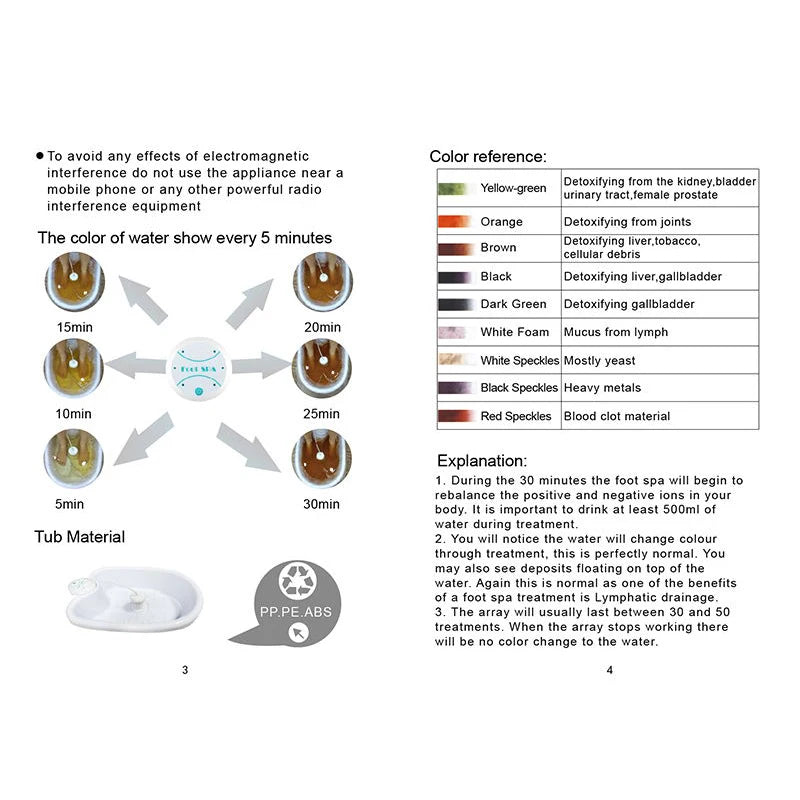
at home detox foot soak — practical steps + benefits. See it in action.
When a foot spa is NOT worth it
Medical precautions
A foot spa is designed for comfort and relaxation, not medical treatment. People with diabetes, reduced sensation in their feet, open wounds, severe circulation problems, active infections, or other medical conditions affecting the feet should consult a healthcare professional before using heated foot baths.
Limited-use scenarios
- You rarely experience tired or sore feet.
- You only plan to use a foot spa a few times each year.
- You prefer quick recovery methods that require little or no setup.
- You have limited storage space for another appliance.
Better alternatives
If your primary concern is budget, a homemade foot soak with warm water and Epsom salt may provide sufficient relaxation. If you want stronger pressure without water cleanup, an electric foot massager may be a better fit.
Ultimately, is a foot spa worth it depends on how often you'll use it and whether its combination of heat, massage, and convenience matches your personal wellness routine.
Final verdict: is a foot spa worth it for YOU?
For most people who regularly experience tired feet, mild muscle soreness, or simply enjoy relaxing at home, a foot spa is a worthwhile investment. The combination of warm water, hydrotherapy, and massage provides a more comfortable and consistent experience than a standard foot soak.
If you'll use it several times each week, the long-term value is typically excellent because the cost per session becomes very low over the life of the device. On the other hand, if you only plan to soak your feet occasionally, a traditional Epsom salt soak or another recovery option may provide better value.
Bottom line: A foot spa delivers the greatest return for people who prioritize regular comfort, convenience, and everyday relaxation rather than expecting medical treatment or deep therapeutic massage.
FAQ: do foot spas really work?
Do foot spas really improve circulation?
Yes. Warm water and gentle massage temporarily increase blood flow through vasodilation, helping many people feel less stiff and more comfortable after long periods of standing or walking. The improvement is temporary and should not be considered treatment for circulation disorders.
Are foot spas worth it compared to a regular soak?
For frequent users, yes. A foot spa provides more consistent water temperature, integrated massage features, and greater convenience than repeatedly preparing a manual foot soak.
How often should you use a foot spa?
Most people benefit from using a foot spa three to four times per week for approximately 10–20 minutes per session. Always follow the manufacturer's recommendations for your specific device.
Can a foot spa replace a massage?
No. A foot spa offers gentle relaxation and temporary comfort but cannot replace the techniques or targeted treatment provided by a licensed massage therapist.
Are portable foot spas worth buying?
Yes, especially if storage space is limited. Many portable foot spas offer effective heating and massage features while being easier to store than larger models, although they may include fewer premium functions.
Can you use Epsom salt in every foot spa?
Not always. Some manufacturers recommend using only clean water because salt or additives may affect heating components or internal systems. Always check the owner's manual before adding Epsom salt, essential oils, or other bath products.
Can a foot spa help plantar fasciitis symptoms?
A foot spa may temporarily ease muscle tension and improve comfort through heat and massage, but it does not treat plantar fasciitis. Stretching, supportive footwear, and guidance from a healthcare professional remain important for ongoing symptom management.
How much maintenance does a foot spa require?
Routine maintenance is simple. Empty the basin after each use, wipe it clean, allow it to dry completely, and store it in a dry location. Regular cleaning helps extend the life of the unit and promotes good hygiene.
How long does a quality foot spa typically last?
With proper care and regular cleaning, a quality home foot spa commonly lasts between one and three years, although longevity varies by build quality, frequency of use, and maintenance.
Who should avoid using a foot spa?
People with open wounds, active skin infections, severe circulation problems, reduced sensation in the feet, or certain medical conditions such as diabetes should consult a healthcare professional before using a heated foot spa.
Experience the at-home detox foot soak that helps reduce stress and restore calm. Buy the ionic detox foot bath
Pillar Article: Foot Home Spa Reviews: Which Device Delivers True Relaxation
Other Related Articles:
- Foot Soak Tired Feet Comparison: Top At-Home Relaxation Picks
- Tired Feet Soak Review: Which Foot Baths Actually Help
- Foot Massage for Sore Feet: 5 Devices That Bring Relief Fast
- Best Home Remedies for Stress and Anxiety: Foot Soaks That Work
Explore More:













