UV vs Blue Light Glasses: What’s the Difference & Which Do You Actually Need?
⏱ 7 min read
If you're comparing UV vs blue light glasses , the answer is simple: they solve different problems. UV protection glasses shield your eyes from harmful ultraviolet rays outdoors, while blue light glasses are designed to improve visual comfort during extended screen use. Many people benefit from both, and some modern lenses combine UV400 protection with blue light filtering in a single pair.
What Are Blue Light Glasses?
Blue light glasses are eyewear designed to reduce the amount of high-energy visible (HEV) blue light reaching your eyes from digital devices, LED lighting, and other artificial light sources. Their primary goal is to improve comfort during prolonged screen use rather than protect against sunlight.
What do blue light glasses protect against?
Blue light filtering lenses may help reduce symptoms commonly associated with long hours in front of screens, including:
- Digital eye strain and visual fatigue
- Dry or irritated eyes caused by reduced blinking
- Headaches linked to extended screen sessions
- Evening blue light exposure that may interfere with normal sleep patterns
Current research suggests that much of digital eye strain comes from focusing habits, reduced blinking, and screen ergonomics rather than blue light alone. Even so, many users report improved visual comfort when using quality blue light filtering lenses.
Do blue light glasses protect from UV?
Not necessarily. Standard blue light glasses are designed for indoor screen use and may not provide meaningful UV protection unless the manufacturer specifically states the lenses include UV400 or equivalent UV-blocking technology.
Always verify the lens specifications instead of assuming blue light filtering also blocks ultraviolet radiation.
How blue light filtering lenses work
Blue light glasses work by using specialized coatings or lens materials that selectively filter portions of the blue light spectrum. Different manufacturers block different percentages, so there is no universal standard. Some lenses have a noticeable amber tint, while others remain nearly clear with only a subtle reflective coating.
What Are UV Protection Glasses?
UV protection glasses are designed to block harmful ultraviolet radiation from the sun. Unlike blue light filtering, UV protection focuses on reducing cumulative damage caused by outdoor exposure throughout your lifetime.
What UV protection levels mean (UV400 explained)
UV400 is considered the gold standard for sunglasses and protective eyewear. It blocks virtually 100% of UVA and UVB rays up to 400 nanometers, helping reduce long-term sun-related eye damage.
Why UV protection matters for eye health
Long-term exposure to ultraviolet radiation has been associated with increased risks of:
- Cataracts
- Photokeratitis (sunburn of the eye)
- Some retinal damage
- Growths on the eye surface such as pterygium
Because UV rays penetrate clouds, eye protection is recommended even on overcast days.
How UV-blocking lenses work
UV protection is typically built into the lens material or added during manufacturing. Unlike dark tint alone, certified UV-blocking lenses filter harmful ultraviolet wavelengths while still allowing safe visible light transmission. Lens color does not determine UV protection—always look for a UV400 certification.
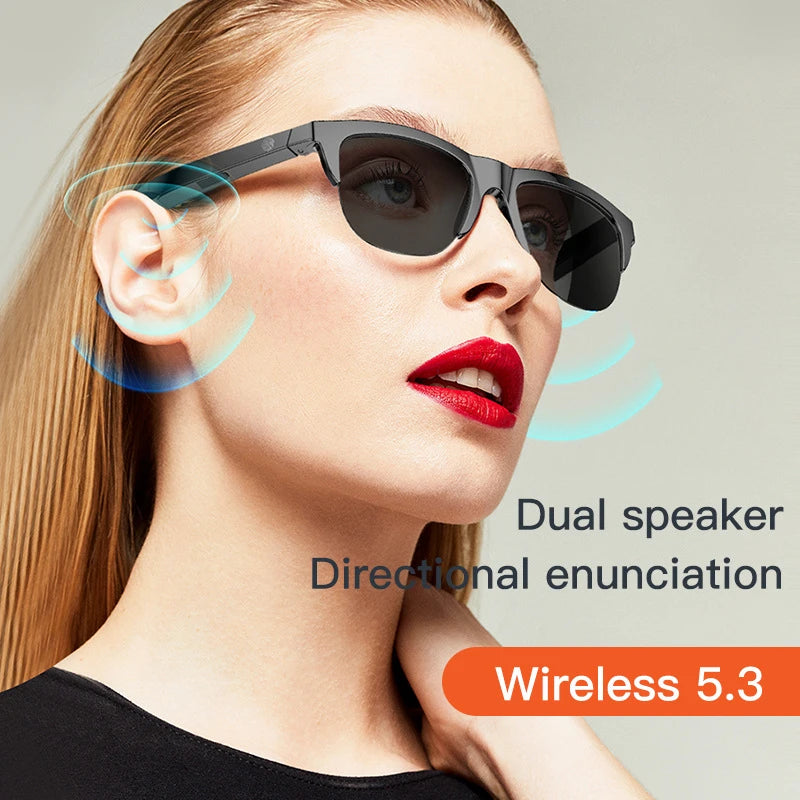
Glasses that protect from blue light — KentDO Smart Bluetooth Sunglasses in action.
Understanding Blue Light vs UV Rays (The Science Explained Simply)
Although blue light and ultraviolet light both have relatively short wavelengths, they are different parts of the electromagnetic spectrum and affect your eyes differently.
Where blue light comes from (screens vs sunlight)
The sun is actually the largest natural source of blue light. Indoors, smartphones, tablets, computer monitors, televisions, and LED lighting produce much lower levels of blue light than sunlight, but screen exposure often lasts for many hours.
Where UV rays come from (sun exposure only)
UV radiation comes primarily from sunlight. Digital screens do not emit meaningful ultraviolet radiation, so computer use does not require UV protection for that reason.
Light spectrum comparison (wavelength differences)
Ultraviolet light has shorter wavelengths than visible blue light and carries more energy. This higher energy explains why prolonged UV exposure is associated with permanent eye damage, while blue light is mainly linked to visual comfort and circadian rhythm effects.
UV vs Blue Light Glasses: Key Differences (Quick Comparison)
Choosing between blue light vs UV protection eyewear depends on where you spend most of your time.
Side-by-side comparison table
| Feature | Blue Light Glasses | UV Protection Glasses |
|---|---|---|
| Primary purpose | Improve screen comfort | Block harmful UV radiation |
| Best environment | Indoors | Outdoors |
| Main light source | Screens and LED lighting | Sunlight |
| Primary benefit | Reduce visual fatigue | Reduce long-term UV exposure |
| Replacement for each other? | No | No |
Protection, use cases, and limitations
Neither option replaces the other. Blue light glasses generally do not offer complete UV protection, while UV sunglasses may not significantly filter the wavelengths targeted by blue light lenses. Selecting the right eyewear depends on your daily activities.
When Do You Need UV Protection vs Blue Light Glasses?
Your daily routine provides the best answer.
Indoor vs outdoor scenarios
- Office work: Blue light glasses may improve comfort during long computer sessions.
- Outdoor activities: Wear UV400 sunglasses regardless of season.
- Hybrid work: Many people keep separate indoor and outdoor pairs.
Work, gaming, driving, and travel use cases
- Office professionals: Blue light filtering lenses may reduce eye fatigue.
- Gamers: Can improve comfort during extended sessions.
- Driving: UV400 sunglasses are recommended for daytime driving.
- Travel: UV protection becomes increasingly important at higher elevations and near water or snow.
Do you need both?
If your day includes both computer work and outdoor activities, owning both types of eyewear is often the most practical solution. Alternatively, look for lenses specifically marketed as providing both blue light filtering and certified UV protection.
Can One Pair of Glasses Protect Against Both UV and Blue Light?
Yes. Many manufacturers now offer lenses that combine blue light filtering with UV400 protection.
Lens coatings vs lens materials
Dual-protection lenses may achieve their performance through specialized coatings, the lens material itself, or a combination of both. Since technologies differ between brands, always check the certified specifications before purchasing.
Both prescription and non-prescription lenses can include blue light filtering and UV protection. If you already wear prescription glasses, ask your eye care professional whether your lenses already include UV protection before purchasing an additional pair.
Are UV Glasses Better Than Blue Light Glasses? (Myth vs Reality)
Neither type is universally better—they simply address different needs.
Common misconceptions explained
- Myth: Blue light glasses replace sunglasses.
- Fact: UV protection is still necessary outdoors.
- Myth: Dark lenses automatically block UV.
- Fact: Only certified UV-blocking lenses provide reliable protection.
- Myth: Everyone needs blue light glasses.
- Fact: Benefits vary depending on screen time and individual comfort.
Evidence-backed facts
Strong scientific evidence supports protecting your eyes from ultraviolet radiation because of its association with long-term eye disease. Evidence regarding blue light glasses is more mixed, with many experts agreeing they can improve comfort for some users but should be combined with healthy screen habits like regular breaks, proper lighting, and appropriate viewing distance.
How to Choose the Right Glasses for Your Needs
Select eyewear based on your environment, lifestyle, and the certifications that matter most.
Key buying factors (lens type, coating, lifestyle)
- Certified UV400 protection for outdoor use
- Quality blue light filtering appropriate for screen work
- Anti-reflective coatings for reduced glare
- Comfortable frame fit for extended wear
- Prescription compatibility if required
What to look for in quality eyewear
Choose reputable brands that clearly state lens certifications instead of relying on marketing claims alone. Durable hinges, scratch-resistant coatings, and clear warranty information are also indicators of better-quality eyewear.
Quick buying checklist
- ✓ UV400 certification clearly listed
- ✓ Blue light filtering percentage explained
- ✓ Comfortable frame for daily use
- ✓ Anti-reflective coating if using screens
- ✓ Suitable for prescription lenses if needed
FAQ: UV vs Blue Light Glasses
Do I need both blue light and UV protection?
If you spend significant time both indoors using screens and outdoors in sunlight, yes. Each type addresses different exposure.
Are UV glasses better than blue light glasses?
No. UV protection is more important for outdoor eye health, while blue light glasses focus on screen comfort indoors.
Can one pair protect against both?
Yes. Many modern lenses combine certified UV protection with blue light filtering in a single pair.
Do blue light glasses help with sleep?
Reducing evening blue light exposure may help support normal melatonin production and healthy sleep patterns for some people.
Are they safe for driving?
UV400 sunglasses are recommended for daytime driving. Blue light glasses are generally intended for screen use rather than driving.
Can sunglasses block blue light?
Some sunglasses reduce portions of visible blue light, but not all are specifically designed for blue light filtering. Check the product specifications if this feature is important.
Do prescription glasses include UV protection by default?
Many modern prescription lenses include UV protection, but not all do. Confirm with your optician or lens manufacturer before assuming your lenses provide full UV coverage.
Final Takeaway: Understanding the difference between UV vs blue light glasses helps you buy the right eyewear instead of paying for features you don't need. Choose UV400 protection for outdoor eye safety, blue light filtering for extended screen use, or dual-protection lenses if your daily routine includes both.
Pillar Article: Smart Bluetooth Sunglasses Review: Why DMES SG 11 Pro Leads the Market
Other Related Articles:
Explore More: