

Smart bluetooth sunglasses have moved beyond simple accessories, combining hands-free audio, voice control, and sun protection in one wearable device. The DMES SG 11 Pro is designed for users who want audio smart glasses rather than display-based AR glasses, focusing on music, calls, open-ear listening, and everyday convenience.
DMES Glasses Review 2026: Is the SG 11 Pro Worth It?
The DMES SG 11 Pro review focuses on one key question: are these dmes glasses a practical upgrade over traditional sunglasses and wireless earbuds, or are they simply another wearable tech novelty?
Unlike AR glasses that project information onto lenses, the SG 11 Pro is built around audio-first functionality. It combines Bluetooth speakers, microphones, sunglasses protection, and hands-free controls into a familiar frame design. For buyers searching for dmes ai glasses reviews , it is important to understand that the main value comes from connected audio—not augmented reality.
This review examines the real-world strengths, limitations, comfort, battery performance, AI-related features, and overall value of the DMES SG 11 Pro before you decide whether it is worth buying.
Quick Verdict: Are DMES Glasses Worth It?
If you want audio smart glasses that deliver hands-free calls, music playback, and outdoor awareness without blocking your ears, the DMES SG 11 Pro smart glasses are a strong option in 2026.
- Best for: Drivers, commuters, cyclists, travelers, and professionals who want hands-free audio
- Standout feature: Open-ear directional speakers that keep your surroundings audible
- Biggest advantage: Combines sunglasses and Bluetooth audio in a single lightweight device
- Main limitation: Open-ear audio cannot match earbuds in very loud environments
Verdict: DMES glasses are worth considering if you value convenience, situational awareness, and wearable audio. They are less suitable for buyers expecting AR displays, advanced camera features, or fully independent AI functionality.
⏱ 5 min read
Smart Bluetooth sunglasses are becoming more practical for everyday use, especially among professionals, drivers, and outdoor users. The DMES SG 11 Pro combines wireless audio, prescription-friendly eyewear options, and hands-free controls in a traditional sunglasses format.
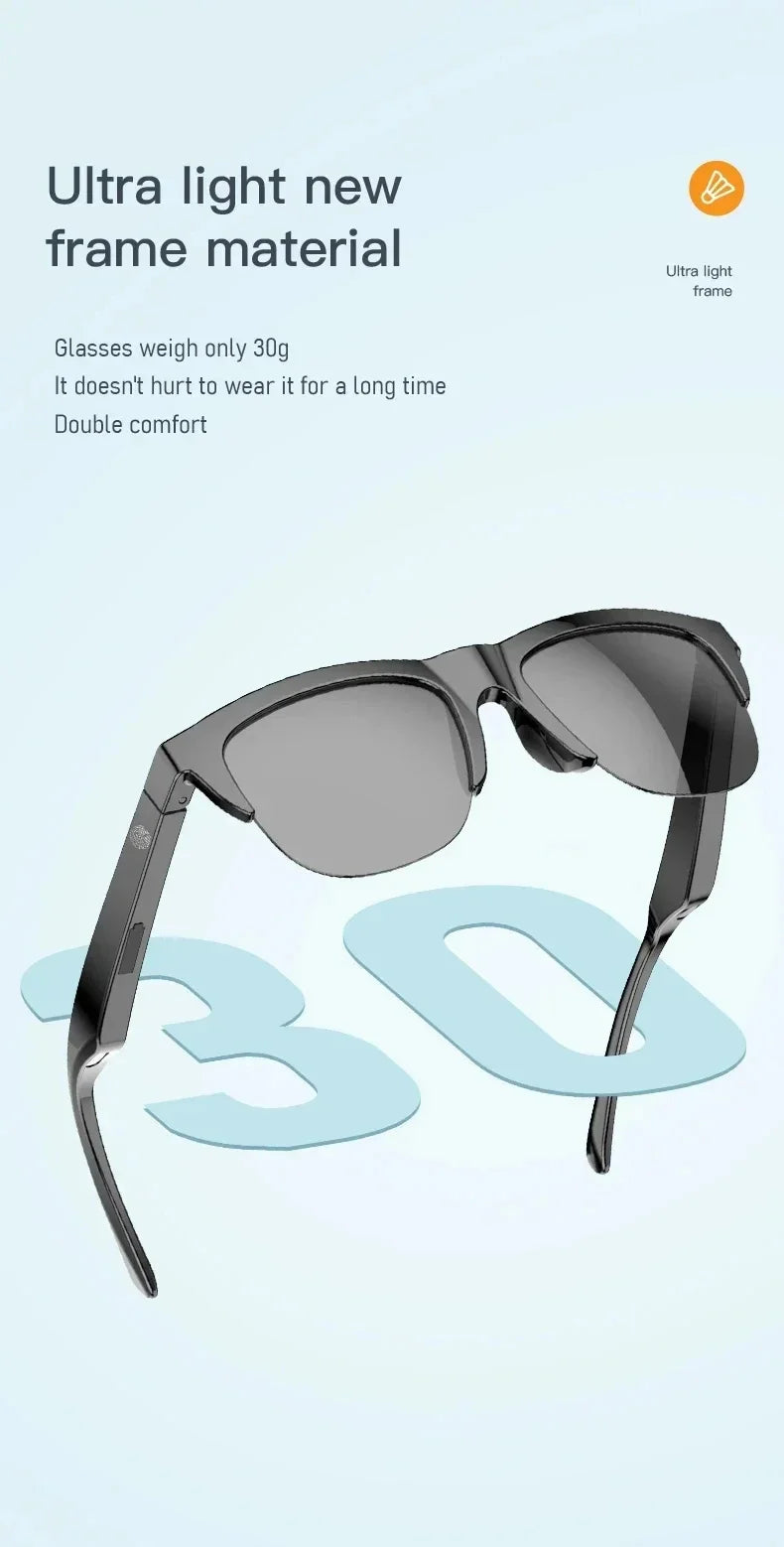
See the DMES SG 11 Pro smart audio glasses in action
DMES SG 11 Pro Smart Glasses Overview
The DMES SG 11 Pro smart glasses are Bluetooth glasses with speakers designed for users who want connected audio, voice calls, and UV protection without wearing traditional earbuds.
The product focuses on three main functions:
- Open-ear Bluetooth audio for music, podcasts, and navigation
- Built-in microphones for hands-free phone calls
- Sunglasses functionality with prescription compatibility options
Who These Glasses Are Best For
- Drivers who want GPS directions and calls while staying aware of traffic
- Cyclists, runners, and hikers who prefer open-ear listening
- Remote workers who frequently join calls
- Travelers who want one device for sunglasses and audio
- Users interested in discreet wearable technology
What You Get in the Box
- DMES SG 11 Pro smart glasses
- Charging accessories
- User instructions and setup materials
- Protective storage accessories where included
Key Specifications at a Glance
| Feature | DMES SG 11 Pro |
|---|---|
| Audio | Open-ear directional speakers |
| Connectivity | Bluetooth wireless connection |
| Calls | Built-in microphones for hands-free communication |
| Battery | Approximately 6–8 hours depending on usage |
| Lenses | UV protection and prescription-compatible options |
| Controls | Integrated touch controls |
How We Tested the DMES SG 11 Pro
To evaluate the DMES SG 11 Pro as a daily wearable, testing focused on the areas that matter most for smart Bluetooth sunglasses: audio performance, call quality, comfort, battery reliability, and smart features.
Audio and Call Testing
The glasses were evaluated during music playback, phone calls, and outdoor use. Testing focused on speaker clarity, volume levels, bass response, microphone performance, and how well the open-ear design maintained awareness of surrounding sounds.
Battery and Charging Testing
Battery performance was assessed during mixed use, including music streaming, calls, and standby periods. Real-world battery life depends on volume, connection strength, and how frequently features are used.
Comfort and Fit Testing
The frame was assessed during extended wear, movement, and outdoor activities. Key factors included weight distribution, nose pressure, frame stability, and long-term comfort.
AI and Smart Features Testing
Smart features were reviewed based on practical usability, including voice controls, phone integration, and whether AI functions provide meaningful benefits compared with standard Bluetooth accessories.
DMES SG 11 Pro Features & Performance Breakdown
Audio Quality & Open-Ear Sound Experience
The SG 11 Pro uses directional open-ear speakers that sit near the ears instead of covering them. This design allows users to listen to music or calls while still hearing traffic, conversations, and environmental sounds.
Audio quality is best suited for podcasts, navigation, phone calls, and casual music listening. Compared with in-ear headphones, bass depth and noise isolation are naturally limited because the speakers do not seal inside the ear canal.
Call Quality & Microphone Performance
Built-in microphones allow hands-free calling directly through the glasses. Voice clarity is strongest indoors or in moderate outdoor conditions. Wind, heavy traffic, and crowded locations may reduce microphone performance because the device relies on compact wearable microphones.
Battery Life & Charging
The DMES SG 11 Pro provides approximately 6–8 hours of continuous use depending on volume and activity. Music playback typically consumes more power than standby use, while frequent calls can reduce runtime.
The charging workflow is designed for daily convenience, making the glasses practical for commuting, travel, and regular outdoor activities.
Comfort, Fit & Build Quality
The lightweight frame design supports extended wear without the ear pressure created by headphones or earbuds. Comfort depends on face shape and fit, especially for users wearing the glasses for several hours at a time.
Lens Technology, UV Protection & Prescription Options
The SG 11 Pro combines smart functionality with sunglasses protection. Polarized UV lenses help reduce glare during outdoor activities, while prescription-compatible options make the glasses more practical for users who normally require corrective lenses.
Bluetooth Connectivity, App & Phone Dependency
The glasses connect to smartphones through Bluetooth for audio playback, calls, and controls. Like most smart audio wearables, they rely on a connected phone for many functions rather than operating as a completely standalone device.
DMES AI Features: What Actually Works?
Voice Assistant and AI Functions
DMES smart glasses are primarily audio wearables. Voice-based features can improve convenience by allowing users to interact with connected devices without reaching for a phone.
Translation and Meeting Transcription
AI-powered translation or transcription features depend on software support, smartphone connectivity, and internet access. Users should verify available languages and supported functions before purchasing if AI tools are their main reason for buying.
AI Limitations and Phone Dependence
The SG 11 Pro should not be considered a fully independent AI computer. Most advanced smart functions require a paired smartphone, compatible apps, and external processing.
Real-World Use Cases: Driving, Sports, Work & Daily Wear
Driving & Commuting
For drivers, the biggest benefit is hands-free convenience. Users can listen to navigation instructions or answer calls while keeping their ears open to surrounding traffic.
Outdoor Sports & Fitness
The open-ear design makes these glasses useful for cycling, walking, hiking, and running. Users can enjoy audio while maintaining awareness of their environment.
Work, Calls & Meetings
Professionals who frequently handle calls may appreciate having audio built into a familiar pair of glasses. They reduce the need to constantly wear headphones during meetings or multitasking.
Travel & Everyday Listening
Travelers can use smart glasses for music, navigation, and calls while carrying fewer accessories. They are especially useful when moving through airports, cities, or outdoor locations.
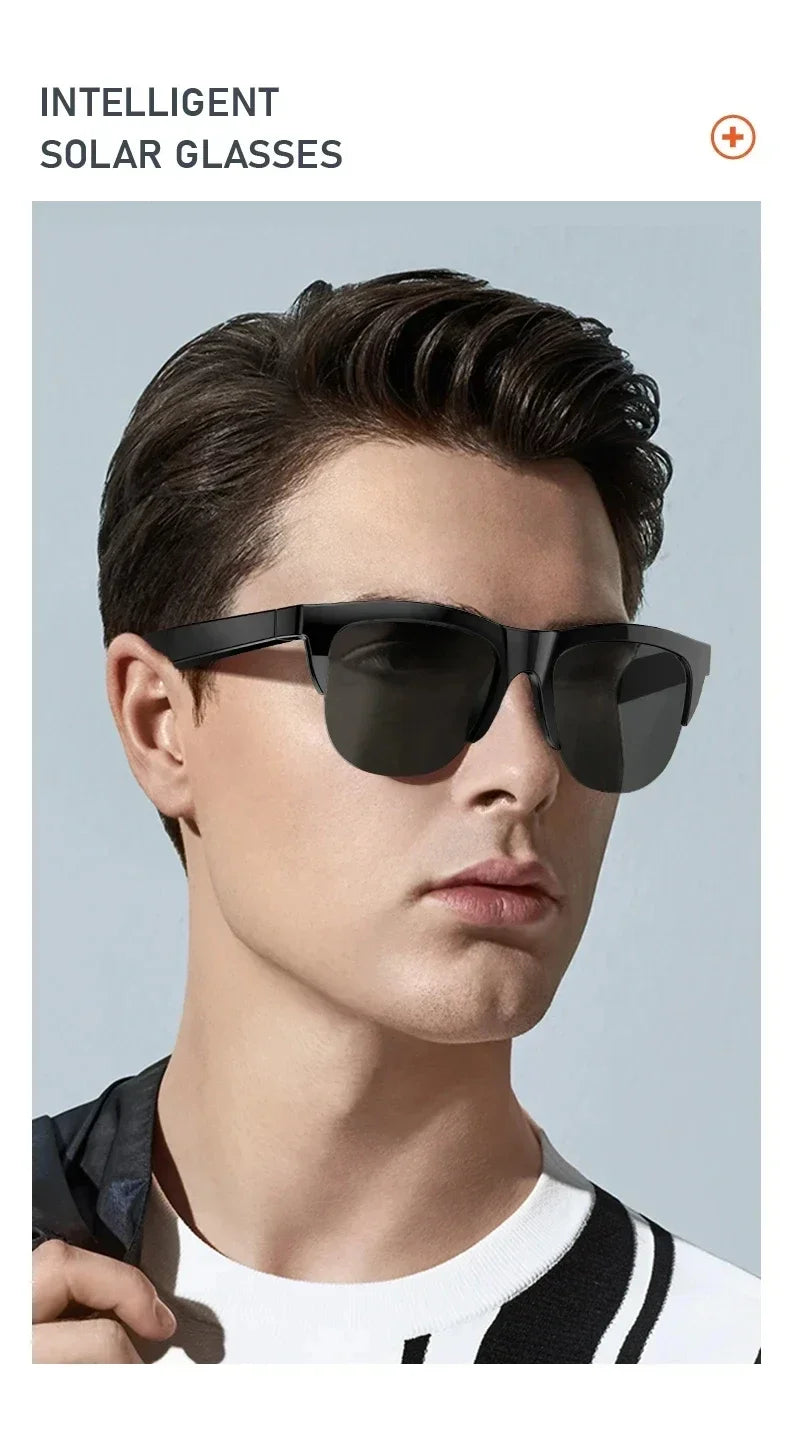
Stylish DMES SG 11 Pro smart audio glasses — perfect for daily use
DMES SG 11 Pro Privacy, Camera & Safety Considerations
Privacy and Recording Concerns
The SG 11 Pro is designed primarily as an audio wearable rather than a camera-based smart glasses platform. Users should still follow normal Bluetooth device etiquette, especially when using voice features in shared spaces.
Open-Ear Audio and Situational Awareness
One advantage of open-ear audio is that it does not completely block environmental sounds. This makes the glasses more practical for outdoor movement compared with sealed earbuds.
What to Know Before Wearing Them in Public
Smart glasses should be used responsibly around others. Avoid distracting use while driving or operating equipment, and follow local safety guidelines.
DMES SG 11 Pro vs Other Smart Bluetooth Sunglasses
Feature Comparison Table
| Feature | DMES SG 11 Pro | Bose Frames | Razer Anzu | Amazon Echo Frames |
|---|---|---|---|---|
| Audio Type | Open-ear directional audio | Open-ear speakers | Open-ear speakers | Open-ear audio |
| Calls | Built-in microphones | Good call performance | Moderate call performance | Voice assistant focused |
| AI Features | Phone-connected smart features | Limited | Limited | Alexa integration |
| Lens Options | UV protection and prescription options | Style-focused lenses | Blue-light and sunglasses options | Prescription-focused models |
| Best For | Calls, music, outdoor use | Audio-focused users | Mixed indoor/outdoor use | Smart assistant users |
How It Compares to Competitors
Compared with other smart bluetooth sunglasses , the DMES SG 11 Pro focuses on everyday practicality. Competitors may offer stronger brand ecosystems or specialized features, but DMES provides a balanced combination of comfort, audio, and eyewear functionality.
Which Smart Glasses Offer Better Value?
Buyers who prioritize audio and sunglasses functionality may find DMES a better fit. Those looking for AR displays, advanced cameras, or deeper AI ecosystems should consider other categories of smart glasses.
Pros and Cons
- ✅ Open-ear audio keeps surroundings audible
- ✅ Comfortable design for extended wear
- ✅ Prescription-compatible eyewear options
- ✅ Useful for calls, music, and navigation
- ❌ Audio performance is limited in very noisy environments
- ❌ Requires smartphone connectivity for many features
- ❌ Not a true AR display device
Real User Reviews and Testimonials
What Users Like Most
Users commonly appreciate the convenience of combining sunglasses and audio in one device. Hands-free calls, lightweight comfort, and open-ear listening are frequently mentioned benefits.
Common Complaints and Limitations
Some users may find open-ear speakers less powerful than traditional headphones, especially in loud environments. Phone dependence and limited smart display features are also important considerations.
How User Feedback Compares With Our Testing
Overall, user experiences match the main strengths of the device: convenience, comfort, and situational awareness. The biggest trade-off remains the difference between wearable audio glasses and full-featured AR smart glasses.
Who Should Buy DMES SG 11 Pro—and Who Should Skip It?
Best For
- People who want smart glasses for calls and music
- Drivers and commuters needing hands-free audio
- Outdoor users who want awareness while listening
- Prescription glasses users interested in wearable audio
Not Recommended For
- Buyers expecting AR displays
- Users wanting standalone AI without a phone
- People needing maximum noise isolation
Pricing, Variants & Where to Buy DMES Glasses
Available Models and Lens Options
The DMES SG 11 Pro smart glasses are available with different frame styles and lens options, including prescription-compatible variants.
- Standard polarized version
- Prescription-compatible frames
- Different color and style options
Prescription and Sizing Considerations
Before buying, confirm frame dimensions and prescription compatibility to ensure proper comfort and lens fitting.
What to Check Before Buying
- Warranty coverage
- Return policy
- Included charging accessories
- Compatibility with your smartphone
Final Verdict: Should You Buy DMES SG 11 Pro?
The DMES SG 11 Pro is a practical choice for users who want smart glasses for calls and music without wearing earbuds all day.
Its strongest advantages are comfort, open-ear audio, and everyday convenience. However, buyers should understand that it is an audio-focused wearable rather than an AR headset or fully independent AI device.
For users who value hands-free listening and smart sunglasses functionality, the DMES SG 11 Pro offers a compelling balance of features and usability.
Frequently Asked Questions About DMES AI Glasses
Are DMES AI glasses worth it?
Yes, for users who want hands-free calls, open-ear audio, and smart sunglasses functionality. They are not the right choice for buyers seeking AR displays.
Can I take calls and listen to music with DMES glasses?
Yes. The built-in speakers and microphones allow calls, music playback, and other audio functions through a connected smartphone.
Do DMES SG 11 Pro glasses support prescription lenses?
Yes, prescription-compatible options are available depending on the model and lens configuration.
How long does the DMES SG 11 Pro battery last?
Battery life is approximately 6–8 hours depending on volume, calls, and usage patterns.
Do DMES AI glasses require a phone or app?
Many smart functions require smartphone connectivity and compatible applications.
Do DMES glasses have a camera or AR display?
The DMES SG 11 Pro is designed as audio smart glasses. It does not function like AR glasses with a built-in display.
Related Articles:
- Hands Free Sunglasses for Cyclists: Tested for Comfort and Sound
- Glasses That Protect from Blue Light vs. UV Rays: What’s the Real Difference?
Pillar Articles:













